What Is Tempering?

2026 Oct 19th

What Is Tempering?

Canadian-Owned No MOQ Ships Canada-Wide Calgary Warehouse Food Safe Focus
Commercial Kitchen Method
AK

Amani Khehra

Chicken Pieces · Calgary, AB

What Is Tempering?

Hot liquid. Cold eggs. Bring them together slowly. This guide covers what tempering is, why it stops eggs from scrambling, the line method, and the pantry staples behind custards and egg-thickened sauces.

Quick Answer

Tempering is slowly whisking a little hot liquid into cold eggs or yolks so they warm up gradually instead of scrambling. Once the eggs are warm, the mixture goes back into the pot and finishes cooking over gentle heat. It is how kitchens make smooth custards and egg-thickened sauces.

At a Glance

Key Takeaways

Slow join, hot to cold

A little hot liquid goes into the eggs first, a bit at a time, while you whisk.

Stops the scramble

Sudden heat makes egg proteins clump. Tempering warms and dilutes them so they stay smooth.

Whisk the whole time

Constant whisking spreads the heat as the hot liquid goes in.

Then back to the pot

The warmed egg mix returns to the pot and cooks gently until it coats a spoon.

Strain for silk

A fine-mesh strainer catches any small bits of cooked egg.

Not chocolate tempering

This guide is eggs and sauces. Chocolate tempering is a separate pastry technique.

Definition

What tempering means

Tempering is the step that joins eggs to a hot liquid without cooking them into lumps. You whisk a small amount of the hot liquid, such as milk, cream or stock, into the eggs or yolks off the heat. That warms the eggs gradually. Then you whisk the warmed mixture back into the pot to finish cooking (America's Test Kitchen).

If you drop cold eggs straight into hot liquid, they scramble and the sauce or custard breaks. The keys to avoiding that are gradual heat and dilution (Serious Eats).

The Science

Why eggs scramble, and how tempering stops it

When egg yolks get too hot or heat too fast, their proteins clump together and separate from the liquid around them. The result is scrambled bits and a watery sauce. Tempering heats the eggs more gently and dilutes the egg proteins, which makes it harder for them to clump (America's Test Kitchen). Bon Appétit describes it the same way: diluting the eggs with hot liquid first makes it harder for their proteins to link up as they heat (Bon Appétit).

Field tip: The danger is speed. Pour the first ladle of hot liquid in a thin stream. Once the eggs are warm and loose, you can add the next ladle faster.
Method

How to temper eggs on the line

  1. Whisk the eggs. Whisk the eggs or yolks in a clean stainless bowl until smooth. Add sugar now if the recipe calls for it.
  2. Steady the bowl. Set the bowl on a folded towel so you can pour with one hand and whisk with the other.
  3. Ladle in hot liquid slowly. Take a small ladle of the hot milk, cream, stock or sauce off the heat and stream it in while whisking constantly.
  4. Repeat. Add another ladle or two until the egg mixture is warm and fluid.
  5. Return it to the pot. Whisk the tempered mixture back into the pot over gentle heat, stirring and scraping the bottom and sides.
  6. Cook gently. Do not boil hard once the eggs are in. Cook until it coats the back of a spoon, or to the temperature your recipe gives.
  7. Strain. Pass it through a fine-mesh strainer for a silky result.
Where

Where kitchens use tempering

You see tempering on the pastry and sauce stations:

  • Crème anglaise and other stirred custard sauces.
  • Pastry cream, thickened with eggs and starch.
  • Puddings, curds and ice-cream bases.
  • Egg-thickened soups and sauces, including a classic liaison of yolks and cream.
Field tip: Tempering is only needed when eggs go into a hot liquid. If the eggs and liquid start cold together and heat slowly, there is nothing to temper (Serious Eats).
Clarity

What tempering is not

  • Not dumping eggs into hot liquid. That cooks them into scrambled egg.
  • Not chocolate tempering. Chocolate tempering controls cocoa butter crystals for shine and snap. It is a separate pastry term.
  • Not a flour thickener. A roux or slurry thickens with starch. Tempering is about joining eggs to hot liquid without curdling.
Comparison

Tempering vs Liaison vs Slurry

FactorTemperingLiaisonSlurry
What it isA technique for warming eggs gradually with hot liquidA thickener of egg yolks and creamA thickener of starch and cold liquid
Thickens withEggsEgg yolks and creamStarch
Main riskScrambling if the liquid goes in too fastCurdling if it boilsLumps if the starch is not mixed cold first
Typical useCustards, pastry cream, egg-thickened saucesFinishing soups and saucesFast thickening of sauces and gravies
Needs constant whisking?YesYes, once it is addedYes, while it thickens
Shop the Range

Pantry staples for custards and egg-thickened sauces

Redpath Fine Granulated Sugar Bulk Food Service- 20kg - Canadian Made

Fine granulated sugar in a bulk bag, whisked with yolks for custards and pastry cream.

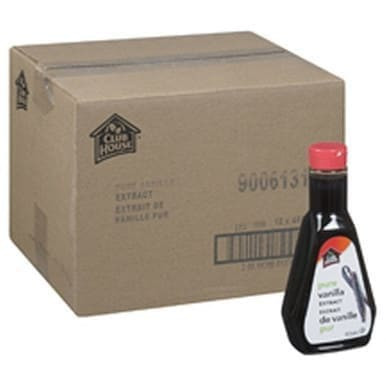
Clubhouse Pure Vanilla Extract | 455ML/Unit, 12 Units/Case

Pure vanilla extract for crème anglaise, custards and pastry cream.

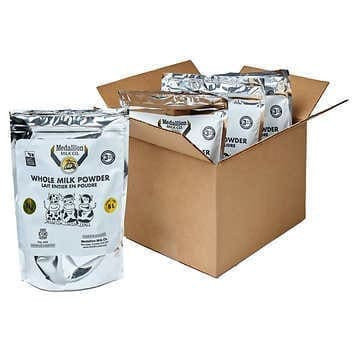
Medallion Milk Whole Milk Powder - 4 Packs, 1 kg Each - Convenient Dairy Solution

Whole milk powder. A shelf-stable way to make the milk base for custards.

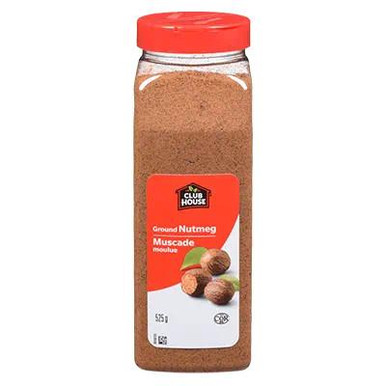
Club House, Quality Natural Herbs and Spices, Ground Nutmeg, 525g

Ground nutmeg, a classic finish for custards and egg-thickened sauces.

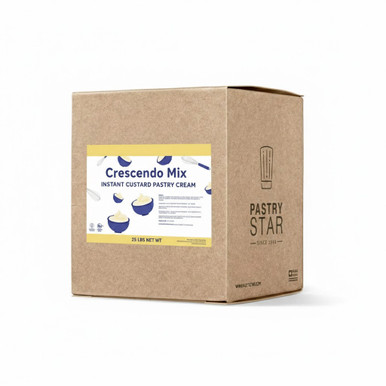
Crescendo Mix - Instant Custard Pastry Cream (25 LBS) Professional Bakery Base

Instant custard pastry cream mix for high-volume service when a cooked, tempered custard is not needed.

Browse Flour & Baking Ingredients →

FAQ

Frequently asked questions

What does tempering mean in cooking?

Slowly whisking a little hot liquid into cold eggs or yolks so they warm gradually, then returning the mixture to the pot to finish cooking.

Why do you temper eggs?

To stop them from scrambling. Sudden heat makes egg proteins clump. Tempering warms and dilutes them so the sauce or custard stays smooth.

How do you temper eggs?

Whisk the eggs, stream in a small ladle of hot liquid while whisking constantly, repeat until the eggs are warm, then whisk the mixture back into the pot over gentle heat.

What happens if you add eggs straight to hot liquid?

They cook into lumps of scrambled egg and the custard or sauce breaks.

Should the custard boil after the eggs go in?

No. Cook it gently, stirring, until it coats the back of a spoon or reaches the temperature your recipe gives.

Why strain a custard after tempering?

A fine-mesh strainer catches any small bits of cooked egg, so the result is silky.

Which dishes need tempered eggs?

Crème anglaise, pastry cream, puddings, curds, ice-cream bases and egg-thickened soups and sauces.

Is tempering eggs the same as tempering chocolate?

No. Chocolate tempering is a separate pastry technique that controls cocoa butter crystals.

Do you always need to temper eggs?

Only when eggs go into a hot liquid. If eggs and liquid start cold together and heat slowly, tempering is not needed.

How do you calculate shipping on bulk orders?

We calculate shipping on live carrier rates at checkout, not on flat or subsidized tiers. Every order is priced against real LTL, parcel, or pallet-freight quotes from our Calgary warehouse to your dock. That means you never absorb hidden shipping costs into product margins — what we charge is what the carrier charges us, plus a small handling pass-through. For bulk and pallet orders this typically runs 15–25% lower than competitors who bake shipping into their unit prices, because the rate is transparent and tied to the actual shipment weight and distance.

Why Partner With ChickenPieces

Canadian foodservice supplies for pastry and sauce stations: sugars, starches, flavourings, spices and dairy staples. Chicken Pieces is a Calgary foodservice and hospitality supply company founded in 2018. We supply pantry ingredients and kitchen supplies. We are not a poultry or meat distributor.

Local Calgary Support

Based in Calgary, we understand regional operator needs and ship Canada-wide.

Wide Product Range

Source pantry ingredients, seasonings, oils, disposables, janitorial, bar, and hospitality supplies from one supplier.

No Membership Needed

Order what your kitchen needs with no minimum order quantity and no forced membership model.

Food Safe Focus

Chicken Pieces is a Calgary foodservice and hospitality supply company founded in 2018, not a poultry or meat distributor. We write for operators working under CFIA- and Health Canada-aware food-safety plans.

Request Your Custom Quote Today

Call 1-833-462-8550 or shop chickenpieces.com.

Request a Quote

References: America's Test Kitchen - How to Temper Eggs Serious Eats - How to Temper Eggs Bon Appétit - How to Temper Eggs.