

What Is Roux?

2026 Oct 4th

What Is Roux?

Canadian-Owned No MOQ Ships Canada-Wide Calgary Warehouse Food Safe Focus
Commercial Kitchen Method
AK

Amani Khehra

Chicken Pieces · Calgary, AB

What Is Roux?

Foodservice definition, the three roux stages, a step-by-step line method, how a roux differs from a slurry and a reduction, and the pans that keep sauce work consistent.

Quick Answer

A roux is equal parts fat and flour by weight, cooked together until smooth and free of raw flour taste. Kitchens whisk milk or stock into it to thicken sauces and soups. Cook it to white, blond, or brown depending on the sauce: longer cooking means more flavour and less thickening power.

At a Glance

Key Takeaways

Fat + flour, cooked together

Equal parts fat and flour by weight, cooked into a smooth paste that thickens liquid.

Cook out the raw flour

The roux should lose its raw flour taste before any liquid goes in.

White, blond, or brown

Colour is set by cooking time. Pick the stage the sauce calls for.

Darker = less thickening

A brown roux adds toasted flavour but thickens less than a white roux.

Add liquid gradually

Whisk milk or stock in a little at a time to keep the sauce smooth and lump-free.

Pans that support the method

Sauce pans, a stock pot for batch work, hotel pans and lids for the hold. Cookware for the technique.

Definition

Fat, flour, and heat

A roux (said “roo”) is equal parts fat and flour by weight, cooked together to make a starch-based thickener. When liquid is whisked into the cooked paste, it thickens sauces and soups.

Butter is classic. Oil or other kitchen fats can work depending on the application. The key technique is cooking out the flour while stirring, so the roux loses its raw flour taste while still matching the colour and flavour the sauce needs.

Stages

White, blond, and brown roux

  1. White roux. Cooked briefly and stays pale. Gives the most neutral thickening. Common base for béchamel and cream sauces.
  2. Blond roux. Cooked longer until lightly golden and nutty. Common base for velouté and light stock sauces.
  3. Brown roux. Cooked until deeper brown and aromatic. Adds toasted flavour and colour to espagnole-style and darker sauces, but has less thickening power than a white roux.
Field tip: Colour is not decoration. The longer the flour cooks, the more flavour develops and the less starch-thickening power remains. Plan the stage before you start.
Method

How to cook a roux step by step

  1. Heat the fat. Melt butter or heat oil in a sauce pot over controlled heat.
  2. Whisk in the flour. Use an equal amount of flour and whisk until smooth. Scrape the corners so no dry flour remains.
  3. Cook out the raw taste. Keep whisking until the raw flour smell is gone. Stop at white, blond, or brown according to the sauce.
  4. Add liquid gradually. Milk, stock, or another sauce base goes in a little at a time while whisking to prevent lumps.
  5. Simmer and check. Bring it to the needed simmer. The sauce should coat a spoon without tasting floury.
  6. Transfer and hold. Move the sauce to a labelled hotel pan and hold under the site’s food-safe time and temperature controls.
Field tip: Use steady heat. Scorching gives a bitter taste, and adding all the liquid at once can make lumps. Too thick? Add more liquid. Too thin? Cook it further or use the kitchen’s approved thickening method.
Clarity

What a roux is not

  • Not a slurry. A slurry is starch mixed with cold liquid and added without cooking fat and flour together first.
  • Not a reduction. A reduction thickens by evaporating liquid and concentrating flavour.
  • Not cornstarch alone. Cornstarch can thicken, but it is a different starch technique and does not create the cooked fat-and-flour base or roux flavour.
  • Not raw flour stirred into a sauce. The flour needs to disperse in fat and cook out its raw taste.
  • Not a product. Roux is a transferable kitchen technique for any sauce station.
On the Line

Roux in foodservice

Roux is the thickening foundation for:

  • Béchamel — white roux plus milk
  • Velouté — white or blond roux plus light stock
  • Espagnole-style bases — brown roux plus brown stock and aromatics
  • Cream sauces, chowder-style soups, gravies, and other batch sauces that need body and a stable texture
Why kitchens use it
  • Train once and thicken sauces and gravies the same way every shift
  • Predictable texture across cooks and services
  • Scales from a small sauce pot to a banquet or catering batch
Holding and labelling
  • Label roux-based sauces by name, stage, batch, and hold information so the line stays mise-ready.
  • Cool, store, reheat, and hot-hold per the site’s written food-safety plan.
  • Ask the local health authority or your food-safety lead when a process or hold is uncertain.

See CFIA — Requirements for food businesses. Verify current local requirements for your licensed kitchen.

Supplies

Supplies for a roux station

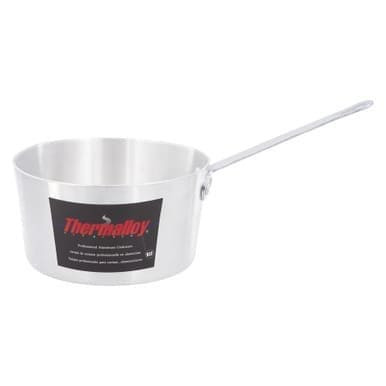
  • Sauce pans with covers: cook the roux, whisk in the liquid, and finish the sauce.
  • Stock pot: larger roux-based soups and batch sauces for banquet or catering.
  • Heat-safe spatula: scrape the corners so no dry flour stays behind.
  • Hotel pans and a solid lid: hold the finished sauce covered and labelled on the line.
  • Whisk and ladle: needed for the method. No verified product pages for these on chickenpieces.com yet, so they are not carded below.

Browse ChickenPieces.com for foodservice and hospitality supplies. Chicken Pieces is a Calgary foodservice and hospitality supply company founded in 2018—not a poultry or meat distributor.

Comparison

Roux vs slurry vs reduction

Factor Roux Slurry Reduction
What it isFat and flour cooked togetherStarch mixed with cold liquidLiquid simmered so water evaporates
How it thickensCooked flour starchStarch added to the hot liquidConcentration
When it goes inBuilt first, then liquid is addedWhisked into a hot sauceNo added thickener
FlavourNeutral to toasted, by stageNeutralConcentrated base flavour
Typical useBéchamel, velouté, gravies, chowder-style soupsQuick thickening of sauces and soupsPan sauces and glazes

Use a roux when the sauce needs a cooked fat-and-flour base. Use a slurry for starch thickening without that base. Reduce when the liquid itself needs body and stronger flavour.

Shop the Range

Browse supplies for roux-based sauces

Rubbermaid Commercial 9.5-inch High Temperature Spatula

High-temperature spatula to scrape pot corners clean of dry flour.

Browse Cookware & Bakeware →

FAQ

Frequently asked questions

What is a roux in cooking?

A roux is equal parts fat and flour by weight, cooked together until smooth and free of raw flour taste, then used to thicken sauces and soups.

What fat can you use for a roux?

Butter is classic. Oil or other kitchen fats can work depending on the application and the flavour the sauce needs.

What are the three types of roux?

White, blond, and brown. A white roux is cooked briefly and stays pale. A blond roux is cooked until lightly golden and nutty. A brown roux is cooked until deeper brown and aromatic.

Does a darker roux thicken more?

No. The longer the flour cooks, the more flavour develops and the less thickening power remains. A brown roux thickens less than a white roux.

Why cook the flour before adding liquid?

Cooking the flour in fat removes the raw flour taste and disperses the flour so it thickens the liquid smoothly instead of clumping.

How do you keep a roux sauce from getting lumpy?

Scrape the corners so no dry flour remains, then add the liquid gradually while whisking. Adding all the liquid at once can make lumps.

What is the difference between a roux and a slurry?

A roux cooks fat and flour together before liquid is added. A slurry is starch mixed with cold liquid and added without cooking fat and flour together first.

Which sauces start with a roux?

Béchamel (white roux plus milk), velouté (white or blond roux plus light stock), and espagnole-style bases (brown roux plus brown stock), along with cream sauces, chowder-style soups, and gravies.

What if a roux-based sauce is too thick or too thin?

If it is too thick, add more liquid. If it is too thin, cook it further or correct it with the kitchen’s approved thickening method.

How do you calculate shipping on bulk orders?

We calculate shipping on live carrier rates at checkout, not on flat or subsidized tiers. Every order is priced against real LTL, parcel, or pallet-freight quotes from our Calgary warehouse to your dock. That means you never absorb hidden shipping costs into product margins — what we charge is what the carrier charges us, plus a small handling pass-through. For bulk and pallet orders this typically runs 15–25% lower than competitors who bake shipping into their unit prices, because the rate is transparent and tied to the actual shipment weight and distance.

Why Partner With ChickenPieces

Canadian foodservice supplies for operators who need sauce pans, stock pots, and hotel pans for roux-based sauce work — not a poultry or meat distributor.

Local Calgary Support

Based in Calgary, we understand regional operator needs and ship Canada-wide.

Wide Product Range

Source foodservice, disposables, gloves, janitorial, bar, and hospitality supplies from one supplier.

Competitive Pricing Structure

Access practical bulk pricing without a forced membership model.

Regulatory Compliance Focus

Chicken Pieces uses foodservice-focused, Health Canada- and CFIA-aware language where relevant. It is a foodservice and hospitality supply company founded in 2018—not a poultry or meat distributor.

Request Your Custom Quote Today

Call 1-833-462-8550 or shop chickenpieces.com.

Request a Quote