What Is a Slurry? A Guide for Professional Kitchen Teams

2026 Oct 10th

What Is a Slurry? A Guide for Professional Kitchen Teams

Canadian-Owned No MOQ Ships Canada-Wide Calgary Warehouse Food Safe Focus
Commercial Kitchen Method
AK

Amani Khehra

Chicken Pieces · Calgary, AB

What Is a Slurry?

What a slurry is, how to use one without lumps, how it differs from a roux and a reduction, and the starches for a fast-thickening sauce station.

Quick Answer

A slurry is starch, such as cornstarch, flour, or arrowroot, whisked smooth with cold liquid and then stirred into a hot sauce, gravy, or soup near the end of cooking to thicken it quickly. A short simmer activates the starch. Unlike a roux, there is no cooked fat-and-flour base.

At a Glance

Key Takeaways

Starch plus cold liquid

Mix cornstarch, flour, or arrowroot with cold water or cold stock until lump-free.

Cold first, then hot

Starch added straight to hot liquid clumps. The cold mix disperses it first.

A finish thickener

Whisk it in near the end when tickets are moving.

Simmer briefly

A short simmer activates the starch so the sauce coats a spoon.

Do not boil forever

Prolonged hard boiling can thin some starch-thickened sauces.

Glossy and clear

Cornstarch slurries give the glossy coat common in stir-fry sauces.

Definition

What a slurry is

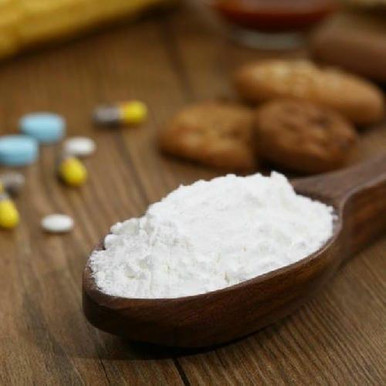
A slurry is starch mixed smooth with cold liquid. When it hits a hot sauce or soup, the starch swells and thickens the liquid. Because the starch is already dispersed in cold liquid, it does not clump the way dry starch would.

It is the quick alternative to a roux. A roux builds a cooked fat-and-flour base at the start. A slurry goes in at the end when you need speed or a clearer, glossier sauce.
Method

How to use a slurry step by step

  1. Measure the starch. Put cornstarch, flour, or arrowroot in a small bowl or cup.
  2. Add cold liquid and whisk. Use cold water or cold stock, and whisk until completely smooth and lump-free.
  3. Bring the sauce to a simmer. The sauce, gravy, or soup should be at a gentle simmer.
  4. Whisk it in. Pour the slurry in a steady stream while whisking.
  5. Simmer briefly. Let it simmer just long enough to activate the starch and coat a spoon.
  6. Adjust, then hold. Add a little more slurry only if it is still thin after a short simmer. Hold the finished sauce in a labelled hotel pan under the site's time and temperature controls.
Field tip: Re-whisk the slurry right before you pour it. Starch settles to the bottom of the cup within moments.
Clarity

What a slurry is not

  • Not a roux. A roux cooks fat and flour together first. A slurry has no fat and no cook-out.
  • Not a reduction. A reduction thickens by evaporating liquid and concentrating flavour.
  • Not an emulsion. An emulsion disperses fat and water together. A slurry thickens with starch.
  • Not a liaison. A liaison enriches with egg yolks and cream.
On the Line

Where kitchens use a slurry

  • Pan sauces when tickets are moving
  • Stir-fry and Asian-style sauces that want a glossy coat, where cornstarch slurry is common
  • Gravies and soups that need body without building a full roux
  • Any finish where the line needs clarity and quick thickening
Comparison

Slurry vs roux vs reduction

FactorSlurryRouxReduction
Made ofStarch and cold liquidFat and flour cooked togetherThe sauce itself
When it goes inNear the endAt the startThroughout the simmer
How it thickensStarch swells in hot liquidCooked flour thickens the liquid addedWater evaporates
SpeedFastSlower, needs a cook-outSlow
LookClear and glossy, especially cornstarchOpaqueConcentrated, darker

Reach for a slurry when the sauce needs body fast.

Shop the Range

Starches for slurries

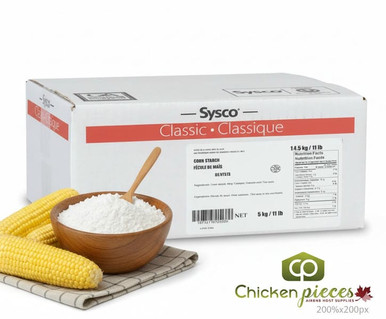
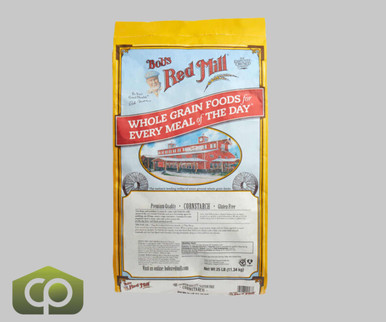
Gluten Free Corn Starch Bulk Size 25lbs/11.34 kgs

Gluten-free corn starch in a bulk bag.

Browse Flour & Baking Ingredients →

FAQ

Frequently asked questions

The following operator questions are answered with cited sources. Every FAQ links to the community thread, buyer guide, or regulator page it was researched from.

What is a slurry in cooking?
A slurry is starch — such as cornstarch, flour or arrowroot — whisked smooth with cold liquid, then stirred into a hot sauce, gravy or soup near the end of cooking to thicken it quickly. A short simmer activates the starch. Unlike a roux, there is no cooked fat-and-flour base. See this slurry guide.
What is a slurry?
In the kitchen, a slurry is a lump-free mix of starch and cold liquid used to thicken a hot sauce or soup at the end of the cook. Mix it cold first; starch added straight to a hot pot will clump. Cornstarch and gluten-free cornstarch are common slurry starches.
What is a cornstarch slurry?
A cornstarch slurry is cornstarch whisked with cold water or cold stock until smooth, then stirred into a simmering sauce or soup to thicken it. Give it a short simmer so the starch cooks and the mix goes clear and glossy. Foodservice cornstarch is one bulk option. Do not dump dry starch straight into a boiling pot.
What ingredients are in a slurry?
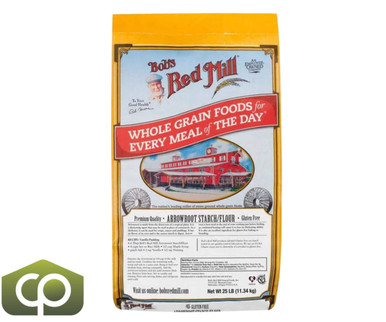
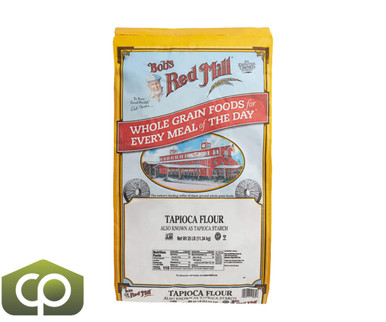
A kitchen slurry is just a starch and a cold liquid. Cornstarch, flour or arrowroot are the usual starches; cold water or cold stock is the liquid. Arrowroot starch and tapioca flour are other options. Mix until lump-free before it hits the hot pot.
What is a flour slurry?
A flour slurry is flour whisked with cold liquid, then stirred into a hot soup or sauce to thicken it. It works, but it can finish cloudier than a cornstarch slurry and may need a slightly longer simmer. Mix it cold so it does not lump. For other thickeners, compare a slurry with a roux or a reduction.
How do you use a slurry?
Whisk the starch with cold water or cold stock until it is smooth, then pour it into the simmering sauce or soup while stirring. Let it simmer briefly so the starch activates and thickens the liquid. Add it near the end of cooking. Dry starch dumped into a boiling pot will clump.
What is the difference between a slurry and a roux?
A slurry is starch plus cold liquid, added at the end of cooking. A roux is fat and flour cooked together as a base at the start. The slurry is faster and has no cooked fat; the roux adds flavour and a different texture. See what a roux is and this slurry explainer for the two methods.
Why do you mix a slurry with cold liquid?
Starch has to be dispersed in cold liquid first so the granules separate. If you add dry cornstarch or flour straight to a hot sauce, it clumps and leaves lumps that will not thicken the pot evenly. Whisk until the slurry is smooth and lump-free, then stir it into the simmering liquid and give it a short simmer.
What does slurry mean in cooking?
In cooking, slurry means a loose, lump-free mix of starch and cold liquid used to thicken a hot sauce, gravy or soup. It is a method, not a finished dish. The starch can be cornstarch, flour or arrowroot. After you stir it in, a short simmer cooks the starch so the liquid thickens.
Can I use a slurry instead of reducing a sauce?
You can thicken with a slurry when you need speed, but a reduction concentrates flavour by evaporating water; it is not the same method. A slurry adds starch. A reduction does not. Choose the slurry for a quick body on a soup or gravy, and a reduction when you want a stronger, unthickened-by-starch sauce.
\n

Why Partner With ChickenPieces

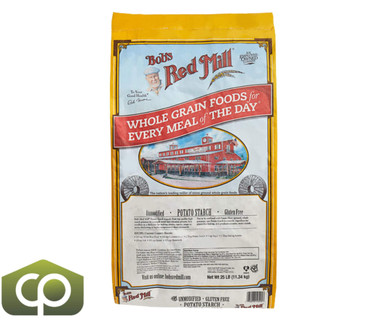
Canadian foodservice supplies for sauce stations: corn starch, arrowroot, potato starch, and tapioca. Chicken Pieces is a Calgary foodservice and hospitality supply company founded in 2018. We supply pantry ingredients and kitchen supplies for this work. We are not a poultry or meat distributor.

Local Calgary Support

Based in Calgary, we understand regional operator needs and ship Canada-wide.

Wide Product Range

Source pantry ingredients, seasonings, disposables, janitorial, bar, and hospitality supplies from one supplier.

No Membership Needed

Order what your kitchen needs with no minimum order quantity and no forced membership model.

Food Safe Focus

Chicken Pieces is a Calgary foodservice and hospitality supply company founded in 2018, not a poultry or meat distributor. We write for operators working under CFIA- and Health Canada-aware food-safety plans.

Request Your Custom Quote Today

Call 1-833-462-8550 or shop chickenpieces.com.

Request a Quote

References: Health Canada - Food Chemical Contaminants CFIA - Food Safety for Industry.