What Is a Liaison? A Guide for Professional Kitchen Teams

2026 Oct 10th

What Is a Liaison? A Guide for Professional Kitchen Teams

Canadian-Owned No MOQ Ships Canada-Wide Calgary Warehouse Food Safe Focus
Commercial Kitchen Method
AK

Amani Khehra

Chicken Pieces · Calgary, AB

What Is a Liaison?

What a liaison is in classical sauce work, how to temper it in without scrambling the eggs, how it differs from roux, slurry, and beurre monté, and the dairy and seasonings for cream sauces.

Quick Answer

A liaison is a classical sauce finish: egg yolks, often whisked with cream, tempered with a little hot sauce and then stirred back into the pot over low heat. It thickens slightly and enriches a sauce or soup with a silky body. Once the yolks are in, the sauce must not boil, or the eggs will scramble.

At a Glance

Key Takeaways

Yolks plus cream

The classic liaison is egg yolks whisked with cream.

Temper first

Whisk a ladle of hot sauce into the yolks before they go into the pot.

Low heat after

Return to the pot off a hard boil and stir gently.

Never boil after eggs

Boiling sets the yolks and breaks the sauce.

Enrich, not just thicken

A liaison adds richness and a silky texture with only a light thicken.

Hold warm, not hot

Hold below a boil and label batches for banquet service.

Definition

What a liaison does

In classical French cooking, a liaison is a binding and enriching finish. Egg yolks, often with cream, are tempered into a hot sauce or soup so it thickens slightly and takes on a silky, rich body without the eggs scrambling.

It is a finishing step, used with care because eggs set if they get too hot. It is not a flour thickener like a roux, and it is not a butter emulsion.
Method

How to add a liaison step by step

  1. Mix the liaison. Whisk egg yolks with a little cream in a clean bowl until smooth.
  2. Temper. Slowly whisk a ladle of the hot sauce or soup into the yolk mix. This warms the yolks without cooking them solid.
  3. Return to the pot. Whisk the tempered mix back into the pot, off a hard boil, on low heat.
  4. Stir to nappé. Stir gently until the sauce thickens slightly and coats the back of a spoon.
  5. Do not boil. Once the eggs are in, keep it below a boil.
  6. Hold and label. Hold warm for service and label banquet batches with name, batch, and date.
Field tip: If the sauce starts to look grainy, pull it off the heat immediately. Once the yolks are in, the liaison is the last step, not something to keep cooking.
Clarity

What a liaison is not

  • Not a roux. A roux is fat and flour cooked together as a thickener. A liaison is egg-yolk enrichment.
  • Not a slurry. A slurry is cold starch mixed with liquid. A liaison is yolks, often with cream.
  • Not beurre monté. Beurre monté is butter emulsified into hot water. A liaison is yolks tempered into sauce.
  • Not a reduction. A reduction thickens by evaporating water. A liaison adds yolks at the end.
On the Line

Where kitchens use a liaison

  • Cream sauces and soups that need a silky, rich finish
  • Classical finishes where you want yolk richness without flour thickness
  • Banquet and catering when a batch needs a final enrich before the hold, with careful temperature control
  • Training: a liaison teaches tempering discipline on the sauce station

Liaison sauces should be handled under the site’s written food-safety plan, as with any egg-enriched hot-held sauce.

Comparison

Liaison vs roux vs slurry vs beurre monté

FactorLiaisonRouxSlurryBeurre monté
Made ofEgg yolks, often with creamFat and flourCold starch and liquidButter and hot water
AddedAt the end, temperedAt the startInto a simmering liquidUsed as a cooking or holding medium
Main jobEnrich, light thickenThickenThickenButter that stays emulsified
Boil after adding?NoYes, simmerYes, brieflyNo

Reach for a liaison when the sauce needs richness and a silky finish, not just body.

Shop the Range

Dairy and seasonings for cream sauces and soups

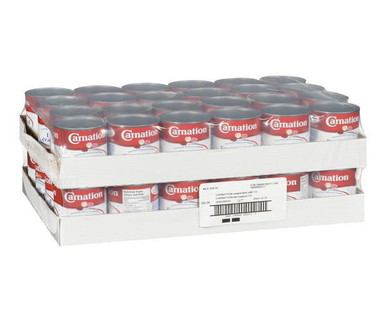
Carnation Milk Evaporated Cans 354ML/12 oz  (48/Case)
Carnation Milk Evaporated Cans 354ML/12 oz (48/Case)

Evaporated milk for enriching cream sauces and soups.

Pacific Milk Evaporated Pacific Regular 354 ML/12 oz (24/Case)

Evaporated milk in a smaller case for sauce batches.

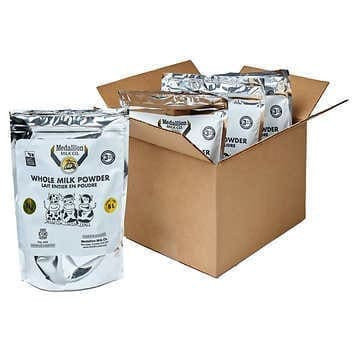
Medallion Milk Whole Milk Powder - 4 Packs, 1 kg Each - Convenient Dairy Solution

Whole milk powder to build a dairy base for sauces.

Browse Milk →

FAQ

Frequently asked questions

What is a liaison in cooking?

A liaison is a finishing mix of egg yolks, usually whisked with cream, that gets tempered into a hot sauce or soup at the end of cooking. It adds richness and a silky body with only a light thickening. It's a last step, not a base thickener like a roux, so it always goes in at the end.

How do you incorporate a liaison into a sauce?

Whisk the yolks and cream until smooth, then whisk a ladle of the hot sauce into them to temper. Pour the warmed mix back into the pot off a hard boil, on low heat, and stir until the sauce coats the back of a spoon. From that point, hold it warm and never let it boil.

What is a liaison sauce?

It's a sauce finished with a liaison, usually a velouté or cream sauce that gets egg yolks and cream stirred in right before service. The yolks give a richer colour and a smoother, slightly thicker texture. Kitchens that run a lot of cream sauces keep cream and evaporated milk stocked for exactly this kind of finish.

What is a liaison soup?

That's a cream soup finished with a liaison. The cook tempers yolks and cream into the hot soup at the end, which turns a thin purée or velouté into something richer and more velvety. Once the liaison goes in, the soup can't boil again, so bowl it right away or hold it gently below a simmer.

What is an example of a liaison?

The textbook example is sauce allemande: a velouté finished with egg yolks and cream. Cream soups such as mushroom or leek finished the same way are another. In each case the base is cooked first, then the tempered yolk-and-cream mix goes in last to add body, shine and richness.

What happens when you add egg yolk to soup?

If the yolk is tempered first and the soup stays below a boil, it thickens the soup slightly and makes it richer and glossier. Drop cold yolk straight into boiling soup and it sets into scrambled shreds instead. That's why cooks temper first and hold the finished pot warm, not hot, for service.

What is the purpose of a liaison in cooking?

It does two jobs: it enriches and it lightly binds. Yolks and cream add fat, colour and a silky mouthfeel, and the yolk proteins give a gentle thickening. Reach for it when a sauce needs a richer finish rather than real body. For heavier thickening, start with a roux or a starch slurry instead.

How do you thicken soup without flour or cornstarch?

A liaison is one way: tempered yolks and cream thicken lightly and add richness. You can also reduce the soup, blend part of the vegetables and stir them back in, or use thick coconut milk in curries. A splash of evaporated milk also adds body without any flour.

Why Partner With ChickenPieces

Canadian foodservice supplies for sauce stations: dairy, soup bases, and seasonings. Chicken Pieces is a Calgary foodservice and hospitality supply company founded in 2018. We supply pantry ingredients and kitchen supplies for this work. We are not a poultry or meat distributor.

Local Calgary Support

Based in Calgary, we understand regional operator needs and ship Canada-wide.

Wide Product Range

Source pantry ingredients, seasonings, disposables, janitorial, bar, and hospitality supplies from one supplier.

No Membership Needed

Order what your kitchen needs with no minimum order quantity and no forced membership model.

Food Safe Focus

Chicken Pieces is a Calgary foodservice and hospitality supply company founded in 2018, not a poultry or meat distributor. We write for operators working under CFIA- and Health Canada-aware food-safety plans.

Request Your Custom Quote Today

Call 1-833-462-8550 or shop chickenpieces.com.

Request a Quote

References: Health Canada - Food Chemical Contaminants CFIA - Food Safety for Industry.