What Is FIFO?

2026 Oct 11th

What Is FIFO?

Canadian-Owned No MOQ Ships Canada-Wide Calgary Warehouse Food Safe Focus
Commercial Kitchen Method
AK

Amani Khehra

Chicken Pieces · Calgary, AB

What Is FIFO?

First in, first out. What FIFO means, why kitchens rotate stock, the label-date-rotate method, how it differs from FEFO, and the bases, sauces, flours, starches and oils you rotate every week.

Quick Answer

FIFO means “First In, First Out.” It is the stock-rotation rule in commercial kitchens: the product that came in, or was prepped, first gets used first. Label and date everything, put new stock behind the old, pull from the front, and check dates every shift.

At a Glance

Key Takeaways

First in, first out

The product that came in, or was prepped, first gets used first.

A rotation rule, not a recipe

FIFO is how you store and rotate stock. It is not a cooking technique.

Label and date everything

Every item gets its name, the date, and who made or received it.

New stock goes behind

Put new product behind or under the old, never in front of it.

Pull from the front

Cooks grab the oldest date first, every time.

FEFO is the close cousin

When use-by dates differ, the item that expires soonest goes first.

Definition

What FIFO means

FIFO stands for “First In, First Out.” It is the stock-rotation rule commercial kitchens use: the product that came in, or was prepped, first gets used first. Older product moves to the front. Newer product goes behind it.

It applies to deliveries and to prep. A case of flour from last week gets opened before the case that arrived today. A container of sauce made yesterday gets used before the one made this morning.

Why

Why commercial kitchens run FIFO

  • Less waste. Product gets used before it goes past its date or its quality drops.
  • Food safety. Old prepped food is not forgotten at the back of the walk-in.
  • Lower food cost. Fewer tossed cases, tighter ordering and cleaner inventory counts.
  • Consistency. Every cook pulls from the same spot, so nobody grabs the newest container by mistake.
Field tip: Rotate on every delivery, not once a week. If the new cases go straight to the front of the shelf, FIFO breaks the same day.
Method

How to run FIFO on every shift

  1. Label and date it. When product comes in or is prepped, mark the item name, the date and who made or received it.
  2. Load new stock behind or under the old. Never put the new delivery in front of older product.
  3. Pull from the front. During service, cooks take the oldest date first.
  4. Check dates every shift. Toss anything past its use-by date.
Field tip: Follow your site’s food-safety plan and the manufacturer’s use-by and storage directions. This guide does not replace them.
Where

Where FIFO applies

FIFO runs everywhere stock is stored or held:

  • Dry storage for flour, starches, oils, canned sauces and other shelf-stable cases.
  • The walk-in cooler for opened sauces, dressings and bases.
  • The freezer for frozen cases and batches.
  • Prepped mise en place on the line, such as sauces, cut vegetables and par-cooked items held cold.
Field tip: Clear containers and shelving with room to rotate make FIFO easier. Crowded shelves push the newest case to the front.
Clarity

What FIFO is not

  • Not “grab whatever is closest.” The newest delivery should never block the old one.
  • Not a cooking technique. FIFO is storage and rotation.
  • Not exactly FEFO. FEFO means “First Expired, First Out.” When items have different use-by dates, the one expiring soonest goes first, even if it arrived later.
Comparison

FIFO vs FEFO vs grab-what’s-closest

FactorFIFOFEFOGrab what’s closest
RuleOldest received or prepped goes firstSoonest use-by date goes firstWhatever is in reach
Sorted byDate in or date preppedUse-by dateNothing
Best fitSame product with similar shelf lifeItems with different use-by datesNot a rotation method
Shelf setupNew stock behind or under the oldSoonest-expiring at the frontNewest often ends up in front
ResultLess waste, older stock used firstLess waste when dates varyOld stock gets forgotten

Both FIFO and FEFO depend on clear labels and dates on every item.

Shop the Range

Pantry staples you rotate with FIFO

Knorr Vegetable Base, Liquid Concentrate, Gluten Free-946 ml- (4/Case)

Liquid vegetable base. Date it when opened and rotate it in the walk-in.

Primo Tomato Sauce - 2.84L (6/Case) - Rich, Flavorful Sauce for Cooking- Canadian Made

Canned tomato sauce for dry storage. Older cases go to the front.

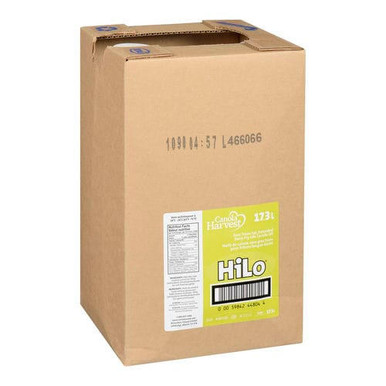
Canbra Foods HiLo Canola Oil - Premium Frying Oil Blend - 17.3LT (15.5 kg / 34.2 lbs) - Canadian Made

Canola frying oil blend. Rotate jugs by date received.

Browse Grocery →

FAQ

Frequently asked questions

What does FIFO stand for?

First In, First Out. The product that came in, or was prepped, first gets used first.

Why do restaurants use FIFO?

To cut waste, keep old prepped food from being forgotten in the walk-in, lower food cost with fewer tossed cases, and make every cook pull from the same spot.

How do you run FIFO in a kitchen?

Label and date everything when it comes in or is prepped, put new stock behind or under the old, pull from the front, and check dates every shift.

What goes on a FIFO label?

The item name, the date, and who made or received it.

Where does FIFO apply?

Dry storage, the walk-in cooler, the freezer, and prepped mise en place on the line, such as sauces, cut vegetables and par-cooked items held cold.

What is the difference between FIFO and FEFO?

FIFO uses the oldest stock first. FEFO, First Expired, First Out, uses the item with the soonest use-by date first. FEFO fits when items have different use-by dates.

Is FIFO a cooking technique?

No. FIFO is a storage and rotation rule.

How often should dates be checked?

Every shift. Toss anything past its use-by date.

Where should a new delivery go on the shelf?

Behind or under the older stock, never in front of it.

How do you calculate shipping on bulk orders?

We calculate shipping on live carrier rates at checkout, not on flat or subsidized tiers. Every order is priced against real LTL, parcel, or pallet-freight quotes from our Calgary warehouse to your dock. That means you never absorb hidden shipping costs into product margins — what we charge is what the carrier charges us, plus a small handling pass-through. For bulk and pallet orders this typically runs 15–25% lower than competitors who bake shipping into their unit prices, because the rate is transparent and tied to the actual shipment weight and distance.

Why Partner With ChickenPieces

Canadian foodservice supplies for kitchens that rotate stock: bases, sauces, flours, starches and frying oils. Chicken Pieces is a Calgary foodservice and hospitality supply company founded in 2018. We supply pantry ingredients and kitchen supplies. We are not a poultry or meat distributor.

Local Calgary Support

Based in Calgary, we understand regional operator needs and ship Canada-wide.

Wide Product Range

Source pantry ingredients, seasonings, disposables, janitorial, bar, and hospitality supplies from one supplier.

No Membership Needed

Order what your kitchen needs with no minimum order quantity and no forced membership model.

Food Safe Focus

Chicken Pieces is a Calgary foodservice and hospitality supply company founded in 2018, not a poultry or meat distributor. We write for operators working under CFIA- and Health Canada-aware food-safety plans.

Request Your Custom Quote Today

Call 1-833-462-8550 or shop chickenpieces.com.

Request a Quote