What Is the Maillard Reaction?

2026 Oct 18th

What Is the Maillard Reaction?

Canadian-Owned No MOQ Ships Canada-Wide Calgary Warehouse Food Safe Focus
Commercial Kitchen Method
AK

Amani Khehra

Chicken Pieces · Calgary, AB

What Is the Maillard Reaction?

The Maillard reaction is the browning that gives a sear, a roasted vegetable and a bread crust their savoury, roasted flavour. Here's what causes it, how to get it on the line, and the oils, salts and bases that support it.

Quick Answer

The Maillard reaction is chemical browning that happens when proteins and sugars meet dry heat. It creates the brown colour and savoury, roasted flavours of a good sear or a bread crust. It is not caramelization, it is not burning, and it does not seal in juices.

At a Glance

Key Takeaways

Proteins + sugars + dry heat

All three are needed. Together they create brown colour and roasted flavour.

Moisture stops it

Wet food steams instead of browning. Pat it dry first.

Hot pan, thin oil

A neutral, high-smoke-point oil such as canola or sunflower keeps the surface hot enough to brown.

Deep brown, not black

Brown means flavour. Black means burnt and bitter.

Not caramelization

Caramelization is sugars on their own. Maillard browning needs protein too.

Fond becomes sauce

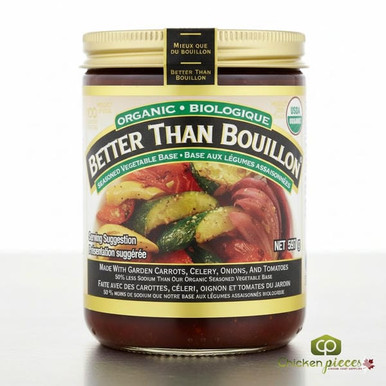
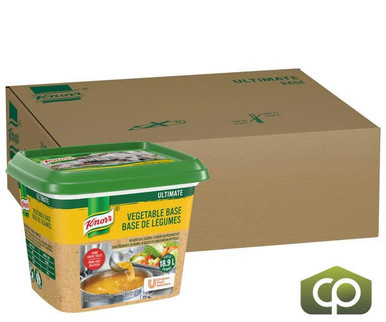
The browned bits in the pan are the base of a pan sauce. Deglaze them with stock from a vegetable base.

The Science

What actually happens in the pan

The Maillard reaction is non-enzymatic browning. When food is heated, amino acids from proteins react with sugars and form a large range of new flavour and aroma compounds, along with brown colour. It is named after French chemist Louis-Camille Maillard (Britannica; American Chemical Society).

It's why toast tastes different from bread, why roasted coffee smells the way it does, and why a seared surface tastes savoury. The Exploratorium notes that the reactions happen above roughly 140°C (280°F). Water can't get hotter than 100°C (212°F), so boiled or steamed food stays pale (Exploratorium).
Field tip: A steady hiss that fades into a soft simmer means water is still in the way. Browning starts once the surface is dry.
Method

How to get Maillard browning on the line

1. Pat it dry. Surface moisture has to steam off before browning can start. Blot it first.

2. Use a hot, heavy pan. A heavy pan holds its heat when food goes in. Heat it fully, then add a thin film of high-smoke-point oil.

3. Don't crowd it. Too much food lowers the pan temperature and traps steam. Cook in batches.

4. Leave it until it releases. Don't move it too early. Once the crust forms, the food usually lets go of the pan on its own.

5. Stop at deep brown. Golden to deep brown is the goal. Black is burnt and tastes bitter.

Field tip: Cauliflower steaks, mushrooms, tofu, halloumi, fish and scallops all brown well using these steps. Mushrooms release a lot of water, so give them room and let them dry out in the pan before they start to colour.
Myth Check

What the Maillard reaction is not

Not caramelization. Caramelization is what happens to sugar heated on its own. The Maillard reaction needs both proteins and sugars, which is why the flavours lean savoury and roasted, not just sweet.

Not a juice seal. A browned crust doesn't lock in moisture. America's Test Kitchen found that food seared first and food seared last lost nearly the same amount of liquid (America's Test Kitchen). Serious Eats calls the "locks in juices" idea one of the oldest cooking myths (Serious Eats).

Not burning. Browning stops being flavourful once the surface turns black. Burnt bits are bitter and take the pan sauce down with them.

Field tip: If the fond in the pan is black, wipe the pan before you deglaze.
Pan Sauce

From browning to sauce: fond

The browned bits left in the pan are called fond, and they're concentrated Maillard flavour. Add stock or another liquid and scrape them loose to start a pan sauce. That step is deglazing. Simmer the sauce down to thicken it, which is a reduction.

Browning first also builds flavour in slow, wet dishes. That's why many braises start with a sear. See our guide to searing for the full method.

Field tip: Stock made from a vegetable base deglazes fast during service, and it keeps the sauce meat-free.
Comparison

Maillard vs Caramelization vs Burning

FactorMaillard reactionCaramelizationBurning
What reactsProteins (amino acids) and sugarsSugars aloneFood breaking down past browning
FlavourSavoury, roastedSweet, nutty, slightly bitterBitter, acrid
ColourGolden to deep brownAmber to dark brownBlack
ExamplesSeared tofu, bread crust, roasted mushroomsCaramel, browned sugarCharred, overcooked food
Want it?YesYes, in sweet workNo
Shop the Range

Oils, salts and bases for better browning

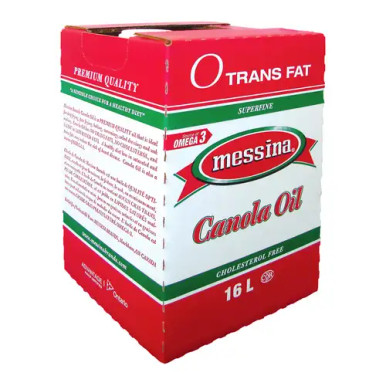
Messina Canola Oil 16L
Messina Canola Oil 16L/33.8Lbs

Neutral, high-heat oil in a bulk jug, made for a thin film on the flat-top all shift.

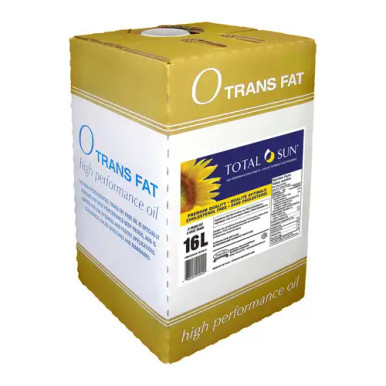
Total Sun High Performance Sunflower Oil 16L
Total Sun High Performance Sunflower Oil 16L/33.81Lbs

High-performance sunflower oil for high-heat searing and frying.

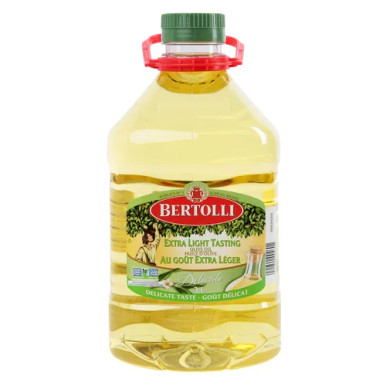
Bertolli Extra Light Tasting Olive Oil 3L
Bertolli Extra Light Tasting Olive Oil 3L/6.34Lbs

A light-tasting olive oil for searing when you want olive oil without a strong flavour.

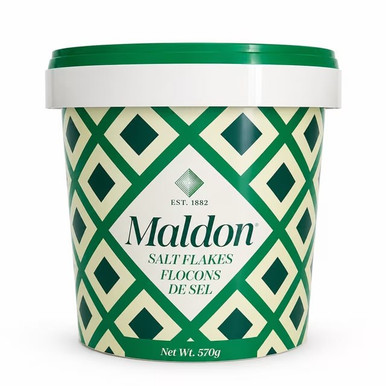
Maldon Sea Salt Flakes Crystal Tub 570g
Maldon Sea Salt Flakes Crystal Tub, 570g

Flaky finishing salt that adds crunch to a fresh crust.

Browse all vegetable oils ->

FAQ

Frequently asked questions

What is the Maillard reaction?

It is a chemical browning reaction between proteins (amino acids) and sugars that happens under dry heat. It creates brown colour and savoury, roasted flavours in foods like a seared surface and a bread crust.

Is the Maillard reaction the same as caramelization?

No. Caramelization is the browning of sugars on their own. The Maillard reaction needs both proteins and sugars.

Why won't my food brown?

Usually because of moisture. Wet food steams, and the surface can't get hot enough to brown until the water is gone. Pat it dry, use a hot pan and don't crowd it.

Does the Maillard reaction seal in juices?

No. Searing tests from America's Test Kitchen and Serious Eats show that a browned crust does not lock in moisture. It adds flavour, not juiciness.

Is Maillard browning the same as burning?

No. Stop at a deep brown. Once food turns black it is burning, and it tastes bitter.

What temperature does the Maillard reaction need?

The Exploratorium puts it above about 140°C (280°F), which is well above the 100°C (212°F) that water can reach. That's why boiled food doesn't brown.

Which foods work well for Maillard browning?

Cauliflower steaks, mushrooms, tofu, halloumi, fish and scallops brown well in a pan, and the same reaction gives bread its crust.

When should I flip food in the pan?

Leave it alone until it releases from the pan on its own. If it sticks, the crust usually isn't ready yet.

What is fond and how do I use it?

Fond is the browned bits left in the pan. Deglaze them with stock or another liquid to start a pan sauce.

How do you calculate shipping on bulk orders?

We calculate shipping on live carrier rates at checkout, not on flat or subsidized tiers. Every order is priced against real LTL, parcel, or pallet-freight quotes from our Calgary warehouse to your dock. That means you never absorb hidden shipping costs into product margins — what we charge is what the carrier charges us, plus a small handling pass-through. For bulk and pallet orders this typically runs 15–25% lower than competitors who bake shipping into their unit prices, because the rate is transparent and tied to the actual shipment weight and distance.

Why Partner With ChickenPieces

Chicken Pieces is a Calgary foodservice and hospitality supplier, serving Canadian kitchens since 2018. We stock the cooking oils, finishing salts and soup bases that good browning and pan sauces depend on.

Bulk Cooking Oils

Canola, sunflower and olive oils in kitchen-size jugs.

No Minimum Order

Order one jar of base or a full case of oil.

Ships Canada-Wide

Live carrier rates from Calgary to your door.

Food Safe Focus

Ingredients from trusted foodservice brands.

Request Your Custom Quote Today

Call 1-833-462-8550 or shop chickenpieces.com.

Request a Quote

References: Health Canada - Food Chemical Contaminants CFIA - Food Safety for Industry.