What Is Carryover Cooking?

2026 Oct 21st

What Is Carryover Cooking?

Canadian-Owned No MOQ Ships Canada-Wide Calgary Warehouse Food Safe Focus
Commercial Kitchen Method
AK

Amani Khehra

Chicken Pieces · Calgary, AB

What Is Carryover Cooking?

You pulled it off the heat. It is still cooking. This guide covers why carryover cooking happens, what makes it bigger or smaller, how kitchens use it, and the pantry foods it affects.

Quick Answer

Carryover cooking is when food keeps cooking after it comes off the heat, because its internal temperature keeps rising. The hotter outside keeps passing heat to the cooler centre until the temperature evens out. Kitchens plan for it by pulling food just before it is done and letting it rest.

At a Glance

Key Takeaways

Off the heat is not done

Food keeps cooking after you pull it, because the outside is hotter than the centre.

Heat moves inward

Heat flows from the hot surface to the cooler middle until the temperature evens out.

Bigger carries more

Larger, thicker items carry over more than small, thin ones.

Hotter cooking, more carryover

Food cooked at higher heat holds more residual heat.

Not just roasts

Vegetables, pasta, fish and eggs carry over too.

Pull early, then rest

Use a thermometer, pull before the final target and let resting finish the job.

Definition

What carryover cooking means

Carryover cooking is when food keeps cooking after it is taken off the heat source. Its internal temperature continues to rise (America's Test Kitchen and Wikipedia).

It happens because the outside of the food is hotter than the inside. That heat keeps moving inward until the temperature evens out through the food (America's Test Kitchen and The Science of Heat). The transfer slows and stops as the inside and outside temperatures get close to each other (America's Test Kitchen).
Variables

What affects how much food carries over

  • Size and thickness. The larger and thicker the item, the more it carries over (food-us.org and Wikipedia).
  • Cooking heat. The higher the cooking temperature, the more residual heat is stored in the food (food-us.org).
  • Size and oven temperature together set the exact change for any item (Gisslen, Professional Cooking).
Field tip: A small tray of vegetables carries over a little. A large, dense item carries over much more. Adjust when you pull each one.
Beyond Roasts

Carryover in vegetables, pasta, fish and eggs

Carryover is not only for big roasted items. Vegetables, pasta, fish and eggs also keep cooking after they leave the heat. For vegetables and eggs, pull them from the heat just before you think they are done (food-us.org).

The same thinking shows up in other prep. When you par-cook or blanch, residual heat keeps working until the food cools. That is why kitchens shock blanched vegetables in ice water.

Method

How kitchens plan for carryover

  1. Use a thermometer. Check internal temperature rather than guessing (food-us.org).
  2. Pull before the target. Take food off the heat before it reaches the final target and let the retained heat finish the job (America's Test Kitchen).
  3. Rest it off the heat. Carryover is often used as the finishing step for roasted or grilled foods (Wikipedia).
  4. Write it into the plan. Account for carryover in recipes and prep sheets, or a perfect result will overshoot (America's Test Kitchen).
Field tip: Always follow your site’s food-safety plan and the required final temperatures for the food you serve. Carryover helps you hit a target. It never replaces checking it.
Clarity

What carryover cooking is not

  • Not a myth or a mistake. Heat keeps moving from hotter to cooler areas as long as there is a difference (America's Test Kitchen).
  • Not a reason to ignore the outside. The hotter exterior is the source of the heat that moves inward (The Science of Heat).
  • Not hot holding. Keeping food hot on a steam table is a separate practice, called holding.
Comparison

Carryover Cooking vs Resting vs Hot Holding

FactorCarryover cookingRestingHot holding
What it isFood keeps cooking after it leaves the heatLeaving food off the heat before servingKeeping cooked food hot for service
Is the food still cooking?Yes, the centre keeps risingYes, carryover happens while it restsIt is meant to stay hot, not keep cooking
Why it mattersPull early or food overshootsLets carryover finish the jobFood safety and service timing
EquipmentProbe thermometerSheet trays, cooling racksSteam table, hotel pans
Shop the Range

Pantry staples where carryover matters

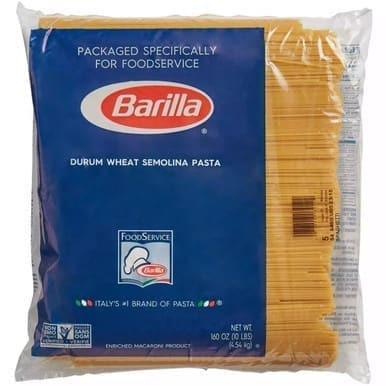
Barilla Spaghetti Pasta Bulk Food Service,  4.54 kg (2/Case)
Barilla Spaghetti Pasta Bulk Food Service, 4.54 kg (2/Case)

Bulk spaghetti. Pasta keeps cooking after draining, so pull it just before it is done.

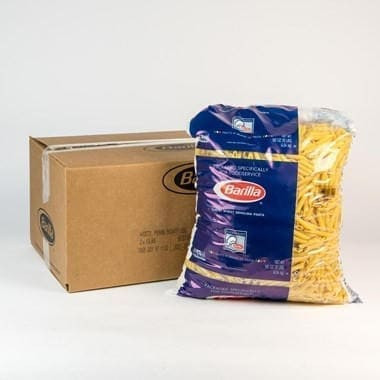
Barilla, Penne Rigate Pasta 10 lb (2/Case)

Penne rigate in bulk for batch pasta cooking on the line.

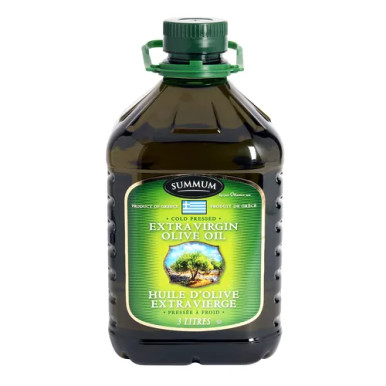
Summum Extra Virgin Olive Oil 3L/6.34Lbs

Extra virgin olive oil for roasted vegetables and finished pasta.

Browse Grocery →

FAQ

Frequently asked questions

What is carryover cooking?

Food continuing to cook after it is removed from the heat, as its internal temperature keeps rising.

Why does carryover cooking happen?

The outside of the food is hotter than the inside, so heat keeps moving inward until the temperature evens out.

What makes carryover cooking bigger?

Larger, thicker items and higher cooking temperatures carry over more.

Does carryover cooking happen with vegetables and pasta?

Yes. Vegetables, pasta, fish and eggs keep cooking after they leave the heat.

How do you account for carryover cooking?

Use a thermometer, pull the food before it reaches the final target, and let it rest so the retained heat finishes the job.

When does carryover cooking stop?

When the inside and outside temperatures even out, the heat transfer slows and stops.

Is carryover cooking a myth?

No. Heat moves from hotter to cooler areas as long as there is a temperature difference.

Is carryover cooking the same as hot holding?

No. Hot holding keeps cooked food hot for service on a steam table. Carryover is the food still cooking after it leaves the heat.

Does carryover cooking replace checking final temperatures?

No. Follow your food-safety plan and check final temperatures. Carryover helps you hit them without overshooting.

How do you calculate shipping on bulk orders?

We calculate shipping on live carrier rates at checkout, not on flat or subsidized tiers. Every order is priced against real LTL, parcel, or pallet-freight quotes from our Calgary warehouse to your dock. That means you never absorb hidden shipping costs into product margins. What we charge is what the carrier charges us, plus a small handling pass-through. For bulk and pallet orders this typically runs 15–25% lower than competitors who bake shipping into their unit prices, because the rate is transparent and tied to the actual shipment weight and distance.

Why Partner With ChickenPieces

Canadian foodservice supplies for kitchens that cook to a target: pasta, oils, salts, spices and vegetable bases. Chicken Pieces is a Calgary foodservice and hospitality supply company founded in 2018. We supply pantry ingredients and kitchen supplies. We are not a poultry or meat distributor.

Local Calgary Support

Based in Calgary, we understand regional operator needs and ship Canada-wide.

Wide Product Range

Source pantry ingredients, seasonings, oils, disposables, janitorial, bar, and hospitality supplies from one supplier.

No Membership Needed

Order what your kitchen needs with no minimum order quantity and no forced membership model.

Food Safe Focus

Chicken Pieces is a Calgary foodservice and hospitality supply company founded in 2018, not a poultry or meat distributor. We write for operators working under CFIA- and Health Canada-aware food-safety plans.

Request Your Custom Quote Today

Call 1-833-462-8550 or shop chickenpieces.com.

Request a Quote

References: America's Test Kitchen - All About Carryover Cooking Wayne Gisslen, Professional Cooking, 8th ed. (2014) The Science of Heat - How Heat Moves Through Food food-us.org - Residual Heat or Carry-Over Cooking Wikipedia - Carryover cooking.