What shocking means in a commercial kitchen, how to set up an ice bath, how it differs from blanching, and the salts and dressings that finish shocked vegetables.
Shocking, also called refreshing, is plunging just-cooked food, usually blanched vegetables, straight from boiling water into a bath of ice and water. The sudden cold stops carry-over cooking right away, so vegetables stay bright, crisp-tender, and not overcooked. It is the step that comes right after blanching.
At a Glance
Key Takeaways
Boil, then ice
Shocking is the ice-water step right after blanching. Blanching is the boil; shocking stops it.
Stops carry-over cooking
Hot vegetables keep cooking on the counter. Ice water stops the cook instantly.
Locks in colour
Green vegetables stay bright green instead of turning drab and soft.
Set up the ice bath first
Have the ice water ready beside the stove before anything goes into the pot.
Chill, then drain
Leave product only until it is cold, then drain and dry so it does not get waterlogged.
Enables prep-ahead
Blanch and shock ahead, hold cold, and finish in seconds at service.
Definition
Shocking, refreshing, and the ice bath
Shocking is the step that stops the cooking instantly: hot food, usually just-blanched vegetables, goes straight from boiling water into ice and water. Some kitchens call it refreshing. Either way, the point is to hold the food exactly where the cook wanted it.
It pairs with blanching. Blanching is the short boil. Shocking is the ice-water step that comes right after it.
Method
How to shock vegetables step by step
Set up the ice bath first. Fill a hotel pan or bain-marie with plenty of ice and cold water, right next to the stove.
Blanch in small batches. Small batches keep the boiling water at the boil and the ice bath cold.
Move it straight to the ice. Lift product out with a spider or blanching basket and plunge it into the ice bath. No waiting on the counter.
Stir until fully cold. Stir so every piece chills evenly, and add more ice if it melts.
Drain and dry. Lift out, drain well, and pat or spin dry so it does not get waterlogged.
Label and hold cold. Portion into labelled hotel pans or deli containers with name and date, and hold cold until service.
Field tip: Keep the boiling pot and the ice bath organized so nobody reaches across steam. Use a spider, not hands, and refresh the ice so the bath stays truly cold.
Clarity
What shocking is not
Not blanching. Blanching is the boil. Shocking is the ice-water step after it.
Not rinsing under the tap. Running water is not cold enough or fast enough, and it wastes water.
Not soaking for ages. Leaving vegetables in the bath too long makes them waterlogged and bland.
Not chilling in the walk-in. A fridge cools too slowly to stop the cook.
Not for meat. Shocking is a vegetable and fruit technique. Blanched bones are rinsed, not iced.
On the Line
Why kitchens shock vegetables
Stop carry-over cooking so vegetables do not go soft and drab
Lock in bright green colour after blanching
Keep a crisp-tender bite for salads, crudités, and plated sides
Cool product fast so it can be held cold and finished at service
Prep ahead: blanch and shock in the afternoon, reheat or sauté in seconds at service
Peel tomatoes and peaches: the quick chill helps skins slip off cleanly
Banquet and catering kitchens rely on it to prep a whole event’s vegetables ahead. It is a core piece of mise en place.
Comparison
Shocking vs blanching vs walk-in cooling
Factor
Shocking
Blanching
Walk-in cooling
What it is
Ice-water plunge
Short boil in plenty of water
Cooling in refrigerated air
Speed
Instant
Seconds to a few minutes
Slow
Stops carry-over cooking?
Yes
No, it is the cook
Not fast enough
Typical order
Second, right after the boil
First
After shocking, for holding
Blanch first, shock second, then drain, label, and hold cold.
Shop the Range
Seasonings and dressings for blanched-and-shocked vegetables
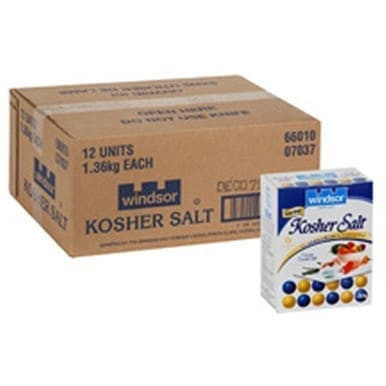
Windsor Coarse Kosher Salt | 1.36KG/Unit, 12 Units/Case
Kosher salt for the blanching water before the ice bath.
Shocking means plunging just-cooked food, usually blanched vegetables, straight into ice water to stop the cooking instantly and lock in colour and crisp texture.
Is shocking the same as blanching?
No. Blanching is the short boil. Shocking is the ice-water step that comes right after it to stop the cook.
Why do you shock vegetables after blanching?
To stop carry-over cooking, keep a bright colour and a crisp-tender bite, and cool the vegetables fast so they can be held cold for service.
What is another name for shocking?
Refreshing. Both terms mean stopping the cook in cold or ice water.
How long do you leave vegetables in the ice bath?
Only until they are fully cold. Leaving them too long makes them waterlogged and bland.
Can I just run the vegetables under cold tap water?
Running tap water is not cold enough or fast enough to stop the cook properly, and it wastes water. Use an ice bath.
Do you shock meat or bones?
No. Shocking is a vegetable and fruit technique. Blanched bones are drained and rinsed, then go into fresh water or a braise.
What do you use for an ice bath in a commercial kitchen?
A hotel pan or bain-marie with plenty of ice and cold water, set right next to the stove, plus a spider or blanching basket to move product.
How do you store shocked vegetables?
Drain and dry them, portion into labelled hotel pans or deli containers with name and date, and hold cold under the site's food-safety plan.
How do you calculate shipping on bulk orders?
We calculate shipping on live carrier rates at checkout, not on flat or subsidized tiers. Every order is priced against real LTL, parcel, or pallet-freight quotes from our Calgary warehouse to your dock. That means you never absorb hidden shipping costs into product margins — what we charge is what the carrier charges us, plus a small handling pass-through. For bulk and pallet orders this typically runs 15–25% lower than competitors who bake shipping into their unit prices, because the rate is transparent and tied to the actual shipment weight and distance.
Why Partner With ChickenPieces
Canadian foodservice supplies for prep kitchens: salts, dressings, and oils for blanched-and-shocked vegetables. Chicken Pieces is a Calgary foodservice and hospitality supply company founded in 2018. We supply pantry ingredients and kitchen supplies for this work. We are not a poultry or meat distributor.
Local Calgary Support
Based in Calgary, we understand regional operator needs and ship Canada-wide.
Wide Product Range
Source pantry ingredients, seasonings, disposables, janitorial, bar, and hospitality supplies from one supplier.
No Membership Needed
Order what your kitchen needs with no minimum order quantity and no forced membership model.
Food Safe Focus
Chicken Pieces is a Calgary foodservice and hospitality supply company founded in 2018, not a poultry or meat distributor. We write for operators working under CFIA- and Health Canada-aware food-safety plans.