
What Is Blanching Bones?

2026 Oct 10th

What Is Blanching Bones?

Canadian-Owned No MOQ Ships Canada-Wide Calgary Warehouse Food Safe Focus
Commercial Kitchen Method
AK

Amani Khehra

Chicken Pieces · Calgary, AB

What Is Blanching Bones?

What blanching bones means in a commercial kitchen, how to do it step by step, why it is a different job from blanching vegetables, and the soup bases and seasonings for the stock that follows.

Quick Answer

Blanching bones is a short, functional boil that cleans bones and bony or fatty cuts before the real stock, broth, or braise begins. You start them in cold water, bring it to a boil so grey foam and scum rise, boil for only a few minutes, then drain, rinse the bones and the pot, and start again in fresh water. It does not cook the meat through.

At a Glance

Key Takeaways

A cleaning step, not a cook

The short boil pulls out blood, loose proteins, and impurities. The bones are still raw inside afterwards.

Always start cold

Cold water lets impurities release gradually as the pot heats, so they rise as foam you can throw away.

Boil briefly, then dump it

A few minutes at the boil is enough. The blanching water goes down the drain, not into the stock.

Rinse bones and pot

Wash the scum off the bones under running water and clean out the pot before the real cook.

No ice bath for meat

Shocking in ice water is a vegetable step. Blanched bones go straight into fresh water or the braise.

Clearer stock, less skimming

Clean bones make a clearer liquid with a cleaner flavour and far less skimming during the long simmer.

Definition

Blanching bones vs blanching vegetables

A viewer asked us on TikTok whether you can blanch pork. Yes, but blanching bones and meat is a different job from blanching vegetables.

Blanching vegetables is a short, timed partial cook in boiling water to set colour and texture, usually followed by an ice bath. Blanching bones is a cleaning boil. Kitchens use it on bones and on bony or fatty cuts such as pork ribs, pork belly, pork neck bones, and chicken backs and wings to remove blood, loose proteins, and impurities that would otherwise cloud and muddy a stock, broth, or braise.
Method

How to blanch bones step by step

  1. Cover with cold water. Put the bones or pieces in a stockpot and cover them with cold water. A cold start lets impurities release gradually as the water heats.
  2. Bring it to a boil. Grey foam and scum rise to the surface.
  3. Boil only briefly. Keep it at the boil for a few minutes. This is not the full cook.
  4. Drain everything. Pour the pot into a colander and discard the blanching water.
  5. Rinse. Rinse the bones under running water to wash off the scum, and rinse or wash out the pot.
  6. Start the real cook. Return the clean bones to fresh cold water for stock, or move them into the braise.
Field tip: Use a stockpot big enough that the bones sit fully under water with room to boil. A crowded pot boils over and leaves scum stuck to the sides.
Clarity

What blanching bones is not

  • Not cooking the meat. Blanched pork or chicken is still raw inside and must be fully cooked afterwards in the stock or braise.
  • Not shocking. There is no ice bath for meat. Shocking is for vegetables, to lock in colour and texture.
  • Not making the stock. The blanching water is thrown away. The stock is made in fresh water afterwards.
  • Not a reduction. Nothing is being concentrated. The goal is to remove impurities, not build flavour in that first pot.
On the Line

Why kitchens blanch bones

  • Clearer stock and broth with far less skimming during the long simmer
  • Cleaner flavour in braises and soups
  • A common first step in Chinese, Korean, and Vietnamese kitchens for pork bone broths, and in classic stock work
  • Predictable batches on a stock or soup station, because every pot starts from clean bones

The same station usually needs a large stockpot, a colander, a spider or skimmer, ladles, hotel pans for holding, food-safe gloves, and labels.

Canada note

Food safety when handling raw bones

  • Treat blanched bones as raw product. They still need a full cook before anything is served.
  • Keep raw bones and their drained water away from ready-to-eat food, and clean and sanitize the colander, sink, and pot after the rinse.
  • Cool, store, reheat, and hold the finished stock per the site's written food-safety plan.
  • Ask your local health authority or food-safety lead when a process or hold is uncertain. See CFIA requirements for food businesses.
Comparison

Blanching bones vs blanching vegetables vs making stock

FactorBlanching bonesBlanching vegetablesMaking stock
Water startColdAlready at a rolling boilFresh cold water, after blanching
TimeA few minutes at the boilSeconds to a few minutesA long, gentle simmer
GoalRemove blood and impuritiesSet colour and textureExtract flavour and body
AfterDrain, discard water, rinseIce bath (shocking) or spread to coolStrain, cool, label
Food cooked through?NoPartlyYes, by the end

Blanch the bones to clean them, then make the stock in fresh water. The two pots do two different jobs.

Shop the Range

Bases and seasonings for stock and broth work

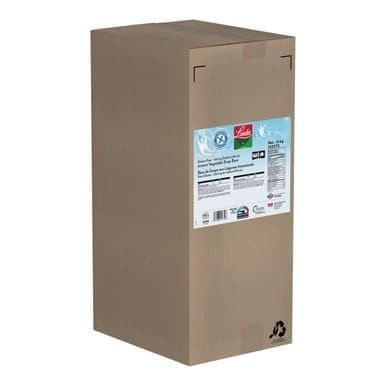
Luda H Vegetable Soup Base Reduced Sodium GF Bulk Food Service | 15KG/33Lbs

Vegetable soup base to season the stock made from clean bones.

Gordon Choice GFS Vegetable Soup Base, 25 Percent Less Sodium, No Added Msg, Reduced Sodium | 4KG/Unit, 1 Unit/Case

Reduced-sodium vegetable base for broth and soup batches.

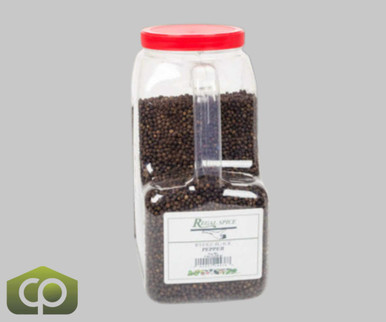
CP Whole Black Peppercorn | 5 lb/2.27 kgs

Whole black peppercorns for the stockpot.

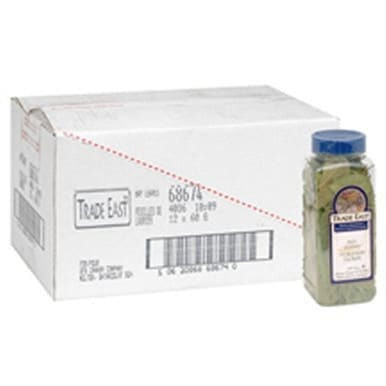
Trade East Whole Bay Leaves, Spice, Shaker, Trans Fat Compliant | 60G/Unit, 12 Units/Case

Whole bay leaves, a classic stock aromatic.

Browse Bases & Broths →

FAQ

Frequently asked questions

What does blanching bones mean?

It means boiling bones or bony cuts briefly from cold water to pull out blood, loose proteins, and impurities, then draining and rinsing them before the real stock, broth, or braise.

Can you blanch pork?

Yes. Pork ribs, pork belly, and pork neck bones are commonly blanched before broth or braising. It is a cleaning step, not the same as blanching vegetables.

Why start bones in cold water?

A cold start lets impurities release gradually as the water heats, so they rise to the top as foam and scum that you throw away with the water.

How long do you boil bones when blanching?

Only a few minutes at the boil. It is a short cleaning boil, not a full cook.

Does blanching cook the meat?

No. Blanched pork or chicken is still raw inside and must be fully cooked afterwards in the stock or braise.

Do you put blanched bones in an ice bath?

No. The ice bath, called shocking, is for vegetables. Blanched bones are rinsed and go straight into fresh water or the braise.

Do you keep the blanching water?

No. The blanching water holds the scum and impurities. Drain it off, rinse the bones and the pot, and start the stock in fresh cold water.

Why do kitchens blanch bones for stock?

Clean bones give a clearer liquid with a cleaner flavour and far less skimming during the long simmer.

What equipment do you need to blanch bones?

A stockpot large enough to cover the bones, a colander, a spider or skimmer, ladles, hotel pans for holding, food-safe gloves, and labels.

How do you calculate shipping on bulk orders?

We calculate shipping on live carrier rates at checkout, not on flat or subsidized tiers. Every order is priced against real LTL, parcel, or pallet-freight quotes from our Calgary warehouse to your dock. That means you never absorb hidden shipping costs into product margins — what we charge is what the carrier charges us, plus a small handling pass-through. For bulk and pallet orders this typically runs 15–25% lower than competitors who bake shipping into their unit prices, because the rate is transparent and tied to the actual shipment weight and distance.

Why Partner With ChickenPieces

Canadian foodservice supplies for kitchens running stock, broth, and braise programs: soup bases, bouillon, salt, and whole spices. Chicken Pieces is a Calgary foodservice and hospitality supply company founded in 2018. We supply pantry ingredients and kitchen supplies for this work. We are not a poultry or meat distributor.

Local Calgary Support

Based in Calgary, we understand regional operator needs and ship Canada-wide.

Wide Product Range

Source pantry ingredients, seasonings, disposables, janitorial, bar, and hospitality supplies from one supplier.

No Membership Needed

Order what your kitchen needs with no minimum order quantity and no forced membership model.

Food Safe Focus

Chicken Pieces is a Calgary foodservice and hospitality supply company founded in 2018, not a poultry or meat distributor. We write for operators working under CFIA- and Health Canada-aware food-safety plans.

Request Your Custom Quote Today

Call 1-833-462-8550 or shop chickenpieces.com.

Request a Quote

References: Health Canada - Food Chemical Contaminants CFIA - Food Safety for Industry.