What Is Blanching?

2026 Oct 10th

What Is Blanching?

Canadian-Owned No MOQ Ships Canada-Wide Calgary Warehouse Food Safe Focus
Commercial Kitchen Method
AK

Amani Khehra

Chicken Pieces · Calgary, AB

What Is Blanching?

What blanching means in a commercial kitchen, why cooks do it, the step-by-step method, how it differs from boiling and steaming, and the salt and almonds for the station.

Quick Answer

Blanching is a prep technique where food, usually vegetables or fruit, goes into a large pot of rapidly boiling water for a short, timed window, then comes out and the cooking is stopped quickly, usually in ice water. The goal is a partial, controlled cook that sets colour and texture, not a fully cooked dish.

At a Glance

Key Takeaways

A short, timed partial cook

Seconds to a few minutes in boiling water, depending on the product. Not boiled until done.

Stop the cook right away

Lift into an ice bath (shocking) or spread out to cool so it does not keep cooking.

Brighter colour, crisp bite

Green vegetables turn vivid green and stay crisp-tender.

Skins slip off

A quick blanch loosens skins on tomatoes, peaches, and almonds.

Better freezer prep

Blanching stops enzyme activity before freezing, so colour, flavour, and texture hold longer.

Plenty of water

A big pot of water comes back to the boil fast when product goes in.

Definition

What blanching means on the line

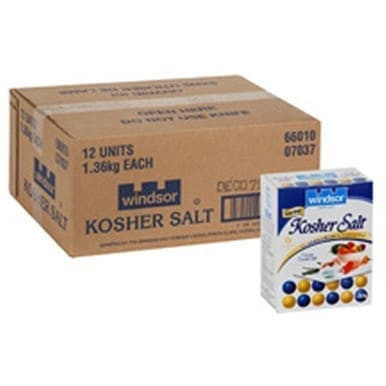
Blanching puts food into a large pot of rapidly boiling, often salted, water for a short, timed window, then stops the cooking quickly. The stop is usually an ice bath, called shocking, or spreading the product out to cool.

It is a partial cook. Kitchens blanch vegetables so they can be finished in seconds at service, frozen, peeled, or served crisp in salads.
Method

How to blanch vegetables step by step

  1. Get a big pot to a hard boil. Use plenty of water and salt it well, so the boil comes back fast when product goes in.
  2. Set up the ice bath first. Ice and water in a hotel pan or bain-marie, beside the stove.
  3. Add product in small batches. Use a spider or blanching basket so the water keeps boiling.
  4. Time it. Herbs and tomato skins take seconds. Green vegetables such as beans, broccoli, or asparagus take longer, but still only a few minutes.
  5. Stop the cook. Lift straight into the ice bath, or spread on a sheet pan to cool.
  6. Drain, dry, label. Drain well, pat dry, portion into labelled hotel pans or deli containers with name and date, and hold cold.
Field tip: Score an X in the base of tomatoes before blanching. After a few seconds in the boil and a plunge into ice, the skins slip off for sauces and concassé.
Clarity

What blanching is not

  • Not boiling until done. Blanching is a short, timed partial cook.
  • Not shocking. Shocking is the ice-water step that stops the cook after blanching.
  • Not steaming. Blanching uses a big pot of boiling water, not vapour.
  • Not a full par-cook of a dish. It is one specific prep step, often the first part of a par-cook.
  • Not the same as blanching bones. Blanching bones is a cold-start cleaning boil for stock, with no ice bath.
On the Line

Why kitchens blanch

  • Set and brighten colour in green vegetables
  • Soften texture slightly while keeping a crisp bite
  • Loosen skins on tomatoes, peaches, and almonds
  • Par-cook ahead so vegetables finish in seconds at service
  • Prep for the freezer by stopping enzyme activity first
  • Tame harsh or bitter flavour in some greens

Banquet and catering kitchens blanch a whole event’s vegetables ahead, hold them cold, and reheat or sauté to order.

Comparison

Blanching vs boiling vs steaming

FactorBlanchingBoilingSteaming
Cooking mediumLarge pot of rapidly boiling waterBoiling waterVapour above the water
TimeShort and timedUntil doneUntil done
ResultPartly cooked, colour setFully cookedFully cooked
Next stepShock or spread to coolServe or useServe or use

Blanch when you want colour and texture set now and the final cook later.

Shop the Range

Salt and almonds for the blanching station

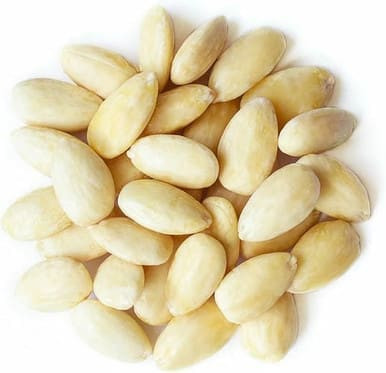
Whole Blanched Almonds Bulk Food Service 25 lbs/11.33 kgs

Whole almonds already blanched and skinned.

Gordon Choice GFS Blanched Slivered Almonds | 3KG/Unit, 1 Unit/Case

Blanched slivered almonds for garnish and baking.

Gordon Choice GFS Blanched Sliced Almonds | 3KG/Unit, 1 Unit/Case

Blanched sliced almonds for salads and plating.

Raw Almonds No Shell Bulk Size 25 lbs/11.33 kgs

Raw shelled almonds to blanch and skin in-house.

Browse Grocery →

FAQ

Frequently asked questions

What does blanching mean in cooking?

Blanching is a short, timed cook in a large pot of boiling water, followed by a quick stop, usually in ice water. It partly cooks the food and sets its colour and texture.

Why do chefs blanch vegetables?

To brighten colour, soften texture slightly while keeping a crisp bite, loosen skins, par-cook ahead of service, prep for freezing, and tame harsh flavours in some greens.

How long do you blanch vegetables?

It depends on the product. Herbs and tomato skins take seconds. Firmer green vegetables take longer but still only a few minutes.

What is the difference between blanching and shocking?

Blanching is the short boil. Shocking is the ice-water plunge that stops the cooking right after.

Is blanching the same as boiling?

No. Boiling cooks food until it is done. Blanching is a short, timed partial cook that is stopped quickly.

Why blanch vegetables before freezing?

Blanching stops enzyme activity, which helps frozen vegetables keep their colour, flavour, and texture longer.

How do you peel tomatoes by blanching?

Score an X in the base, blanch for a few seconds, then plunge into ice water. The skins slip off.

Should blanching water be salted?

It is often salted. Use plenty of water so it returns to the boil quickly when product goes in.

Can you blanch meat?

Blanching bones and bony cuts is a different job: a cold-start cleaning boil before stock or braising, with no ice bath. See our guide to blanching bones.

How do you calculate shipping on bulk orders?

We calculate shipping on live carrier rates at checkout, not on flat or subsidized tiers. Every order is priced against real LTL, parcel, or pallet-freight quotes from our Calgary warehouse to your dock. That means you never absorb hidden shipping costs into product margins — what we charge is what the carrier charges us, plus a small handling pass-through. For bulk and pallet orders this typically runs 15–25% lower than competitors who bake shipping into their unit prices, because the rate is transparent and tied to the actual shipment weight and distance.

Why Partner With ChickenPieces

Canadian foodservice supplies for prep kitchens: salt, blanched almonds, and pantry ingredients for blanching stations. Chicken Pieces is a Calgary foodservice and hospitality supply company founded in 2018. We supply pantry ingredients and kitchen supplies for this work. We are not a poultry or meat distributor.

Local Calgary Support

Based in Calgary, we understand regional operator needs and ship Canada-wide.

Wide Product Range

Source pantry ingredients, seasonings, disposables, janitorial, bar, and hospitality supplies from one supplier.

No Membership Needed

Order what your kitchen needs with no minimum order quantity and no forced membership model.

Food Safe Focus

Chicken Pieces is a Calgary foodservice and hospitality supply company founded in 2018, not a poultry or meat distributor. We write for operators working under CFIA- and Health Canada-aware food-safety plans.

Request Your Custom Quote Today

Call 1-833-462-8550 or shop chickenpieces.com.

Request a Quote

References: Health Canada - Food Chemical Contaminants CFIA - Food Safety for Industry.