What Is Sautéing?

2026 Oct 20th

What Is Sautéing?

Canadian-Owned No MOQ Ships Canada-Wide Calgary Warehouse Food Safe Focus
Commercial Kitchen Method
AK

Amani Khehra

Chicken Pieces · Calgary, AB

What Is Sautéing?

Small pieces, a hot pan and a little fat. This guide covers what sautéing is, why it suits fast service, the line method, how it differs from searing and stir-frying, and the oils and seasonings that make it work.

Quick Answer

Sautéing is cooking small or thin pieces of food quickly in a hot pan with a small amount of fat, tossing or stirring so they cook evenly. It is a dry-heat method: hot pan, a little oil or clarified butter, no water and no lid. The word comes from the French sauter, meaning to jump.

At a Glance

Key Takeaways

Small, even pieces

Cut food to the same size so every piece finishes at the same time.

Hot pan first

Preheat the pan before the fat and food go in. A cold pan steams food.

Just enough fat

Use a thin film of high-smoke-point oil or clarified butter, not a pool.

Single layer

Crowding drops the heat and the food steams instead of browning.

Keep it moving

Toss or stir so the pieces cook evenly, then pull them as soon as they are done.

Fond for sauce

Browned bits left in the pan can be deglazed into a quick pan sauce.

Definition

What sautéing means

To sauté is to cook food quickly in a small amount of fat in a hot, shallow pan. The word comes from the French sauter, “to jump,” for the way food jumps in the pan as it is tossed (Dictionary.com and Food & Wine).

It is a dry-heat method. Direct contact with the hot pan drives off surface moisture and starts the Maillard reaction, which gives sautéed food its light browning and savoury flavour (Taste Lab).
Why

Why commercial kitchens sauté

  • Speed on the line. Small pieces cook fast, so sautéing suits cook-to-order service.
  • Flavour and colour. A hot pan gives light browning instead of a pale, steamed result.
  • Texture. Vegetables stay bright and keep some bite.
  • A quick pan sauce. The browned bits left in the pan, called fond, can be deglazed into a sauce.
Field tip: Have every ingredient cut and ready before the pan heats. Sautéing moves too fast to prep mid-cook.
Method

How to sauté on the line

  1. Cut small and even. Uniform pieces cook at the same rate.
  2. Pat it dry. Wet food steams instead of browning.
  3. Preheat the pan. Heat the empty pan before anything goes in.
  4. Add a little fat. Use a high-smoke-point oil or clarified butter and let it heat until it shimmers.
  5. Add food in a single layer. Do not crowd the pan. Work in batches during service.
  6. Toss or stir. Keep the pieces moving so they cook evenly, and take them off the heat as soon as they are done.

Method based on Taste Lab and Food & Wine.

Field tip: Clarified butter or ghee gives a butter flavour with the milk solids removed, so it handles a hot pan better than whole butter.
What Gets Sautéed

Foods that suit a sauté

Mushrooms, onions, peppers, zucchini, leafy greens such as spinach, shrimp, tofu cubes and other small, evenly cut pieces all sauté well. Anything thick or large usually needs another method, such as searing and then finishing in the oven.

Clarity

What sautéing is not

  • Not searing. Searing leaves a larger piece still in the pan to build a deep crust. Sautéing keeps small pieces moving and cooks them through.
  • Not stir-frying. Stir-frying uses a wok over higher heat with constant motion. Sautéing uses a flat-bottomed sauté pan or skillet.
  • Not sweating. Sweating softens food gently over lower heat without browning.
  • Not pan-frying or deep-frying. Pan-frying uses enough fat to come part way up the food. Sautéing uses only enough to coat the pan (Taste Lab).
Comparison

Sautéing vs Searing vs Stir-Frying vs Sweating

FactorSautéingSearingStir-fryingSweating
Food sizeSmall or thin piecesLarger piecesSmall piecesSmall pieces, often aromatics
PanSauté pan or skilletHeavy pan or flat-topWokSaucepan or sauté pan
HeatMedium-high to highHighHigher heatLow to medium
MovementTossed or stirredLeft still until brownedConstantStirred now and then
BrowningLightDeep crustLight to mediumNone
Shop the Range

Oils, ghee and seasonings for the sauté station

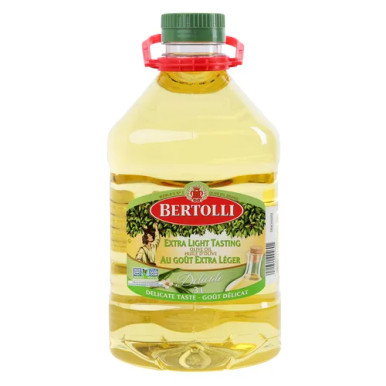
Bertolli Extra Light Tasting Olive Oil 3L/6.34Lbs

Extra light tasting olive oil, a neutral, higher-heat choice for sautéing.

Gordon Choice GFS Pure Canola Oil, Zero Trans Fat | 3L/Unit, 4 Units/Case

Pure canola oil in 3L jugs for everyday sautéing on the line.

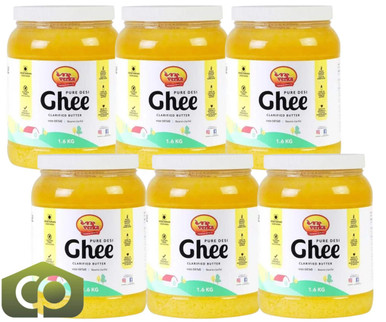
Verka Pure Desi Ghee Clarified Butter Bulk 1.6 kg/3.5lbs

Pure desi ghee (clarified butter) for butter flavour in a hot pan.

Browse Shortenings & Oils →

FAQ

Frequently asked questions

What does sauté mean?

To cook small or thin pieces of food quickly in a hot pan with a small amount of fat. It comes from the French sauter, to jump.

Is sautéing a dry-heat method?

Yes. It uses a hot pan and a little fat, with no water and no lid.

What oil is best for sautéing?

A high-smoke-point oil such as canola or extra light olive oil, or clarified butter. Use just enough to coat the pan.

Why shouldn't you crowd the pan?

Crowding drops the pan temperature and traps steam, so the food steams instead of browning. Cook in batches.

Why pat food dry before sautéing?

Surface water has to steam off before browning can start. Wet food steams and stays pale.

What is the difference between sautéing and searing?

Searing leaves a larger piece still to build a deep crust. Sautéing keeps small pieces moving and cooks them through quickly.

What is the difference between sautéing and stir-frying?

Stir-frying uses a wok over higher heat with constant motion. Sautéing uses a flat-bottomed sauté pan or skillet.

What is the difference between sautéing and sweating?

Sweating softens food gently over lower heat with no browning. Sautéing uses higher heat and gives light browning.

What foods are good for sautéing?

Mushrooms, onions, peppers, zucchini, spinach, shrimp, tofu cubes and other small, evenly cut pieces.

How do you calculate shipping on bulk orders?

We calculate shipping on live carrier rates at checkout, not on flat or subsidized tiers. Every order is priced against real LTL, parcel, or pallet-freight quotes from our Calgary warehouse to your dock. That means you never absorb hidden shipping costs into product margins: what we charge is what the carrier charges us, plus a small handling pass-through. For bulk and pallet orders this typically runs 15–25% lower than competitors who bake shipping into their unit prices, because the rate is transparent and tied to the actual shipment weight and distance.

Why Partner With ChickenPieces

Canadian foodservice supplies for busy sauté stations: cooking oils, ghee, salts, spices and seasonings. Chicken Pieces is a Calgary foodservice and hospitality supply company founded in 2018. We supply pantry ingredients and kitchen supplies. We are not a poultry or meat distributor.

Local Calgary Support

Based in Calgary, we understand regional operator needs and ship Canada-wide.

Wide Product Range

Source pantry ingredients, seasonings, oils, disposables, janitorial, bar, and hospitality supplies from one supplier.

No Membership Needed

Order what your kitchen needs with no minimum order quantity and no forced membership model.

Food Safe Focus

Chicken Pieces is a Calgary foodservice and hospitality supply company founded in 2018, not a poultry or meat distributor. We write for operators working under CFIA- and Health Canada-aware food-safety plans.

Request Your Custom Quote Today

Call 1-833-462-8550 or shop chickenpieces.com.

Request a Quote

References: Taste Lab - Sautéing Food & Wine - How to Sauté Dictionary.com - Sauté.