
2026 Jul 19th
Tamper-Evident Packaging: Delivery Standards and Sealed
Delivery platforms require secure packaging to prevent contamination and spills during transit. Tamper-evident lids with audible snaps or visible locking tabs meet these strict safety standards. Choosing the right container size and material ensures food integrity while satisfying health department inspections for commercial kitchens.
Tamper-Evident Packaging: Delivery Standards and Sealed Containers That Work
Operators serving high-volume orders need containers that withstand transport without leaking or opening accidentally, ensuring customer satisfaction and regulatory compliance across diverse facility types.
Key Takeaways
Key points to understand about selecting secure packaging for delivery services.
Seal Integrity Matters
A proper click confirms the lid is locked. This prevents accidental opening during transport. Drivers shake boxes, so weak seals fail quickly and cause messes that damage your reputation.
Material Thickness Counts
Thin plastics deform under pressure or heat. Heavy-weight containers maintain their shape better. This structural integrity protects the contents from crushing during stacking in delivery vehicles.
Venting Prevents Pressure Buildup
Hot foods release steam inside sealed containers. Vented lids allow this steam to escape safely. Without vents, pressure builds up and forces lids off or causes leaks when opened.
Size Matching Is Critical
Lids must fit the specific container diameter perfectly. Mismatched sizes create gaps that leak easily. Always verify dimensions before bulk purchasing to avoid wasted inventory and operational delays.
Transparency Helps Inspection
Clear containers allow staff to check contents without opening. This speeds up order verification for drivers. It also reduces cross-contamination risks by keeping the seal intact until consumption.
Stackability Improves Logistics
Nesting or stacking designs save storage space in warehouses. Flat lids stack neatly without shifting. Efficient storage reduces clutter in prep areas and streamlines restocking processes for busy teams.
Understanding Delivery App Packaging Requirements
Major platforms enforce strict guidelines to ensure food safety during transit.
Delivery services prioritize food safety above all else. They require packaging that prevents leakage and contamination. Tamper-evident features provide visible proof that the package has not been opened. This builds trust with customers who expect pristine condition upon arrival at their doorstep or office lobby.
Health departments in various states reference FDA Food Code guidelines. These standards emphasize protecting food from external contaminants during transport. Proper sealing mechanisms are a key component of compliance. Operators must ensure all containers used for off-premise consumption meet these rigorous safety expectations consistently.
Customer reviews often hinge on packaging performance. A spilled meal leads to immediate negative feedback. Secure packaging preserves temperature and presentation quality. Investing in reliable containers protects your brand image and reduces complaint volumes significantly over time.
How Tamper-Evident Lids Function Effectively
Effective seals use mechanical locking to prevent accidental opening.
Most tamper-evident lids feature flexible locking tabs. These tabs bend slightly during placement but lock firmly into position. Once secured, they resist upward pressure from shaking or stacking. The design ensures the lid stays attached unless deliberately pried open by the consumer.
Some designs incorporate a breakaway seal underneath the rim. This thin membrane ruptures upon first opening. It provides undeniable evidence that the container was previously sealed. This extra layer of security is valuable for high-value orders or premium food items requiring maximum protection.
Material quality directly impacts seal longevity. High-impact plastics resist cracking during repeated use or transport stress. Cheaper alternatives may deform over time, compromising the lock mechanism. Choosing durable materials ensures consistent performance across thousands of orders without failure.
Choosing The Right Container Material
Different foods require specific plastic types for optimal performance.
Polypropylene (PP) is ideal for hot foods and microwaving. It withstands high temperatures without melting or leaching chemicals. This makes it suitable for soups, stews, and heated entrees. Its durability ensures structural integrity even when filled with heavy liquids.
PET plastic offers clarity and strength for cold items. It resists cracking under pressure and maintains transparency. This material works well for salads, sides, and sauces. Customers appreciate seeing the vibrant colors of fresh ingredients through clear walls.
Paper containers provide an eco-friendly alternative for dry goods. They are often lined to prevent grease absorption. Pairing them with plastic lids creates a hybrid solution. This combination balances sustainability goals with practical sealing needs for various menu items.
Managing Steam With Vented Lids
Proper ventilation prevents pressure buildup and potential leaks.
Hot foods generate significant steam as they cool down. Sealed containers trap this vapor inside. Pressure builds up rapidly if there is no escape route. This can force lids off or cause messy leaks when customers try to open them later.
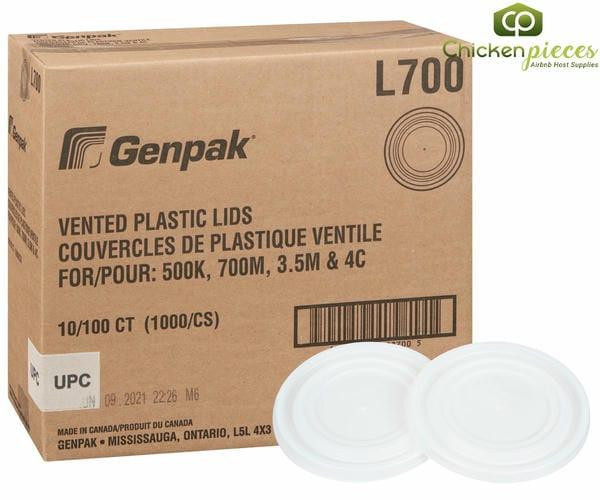
Vented lids have small holes or channels designed for airflow. They allow steam to exit while keeping liquids contained. This maintains the seal integrity despite internal pressure changes. It also helps preserve food texture by preventing condensation from dripping back onto dry items.
Dual-temperature lids handle both hot and cold applications. They switch functionality based on how they are sealed. Some require flipping or specific alignment for venting. Understanding these features prevents misuse and ensures optimal performance across different menu categories.
Ensuring Proper Lid And Container Fit
Mismatched sizes lead to leaks and operational inefficiencies.
Ounce capacity does not always correlate with rim diameter. Two containers holding the same volume may require different lids. Always check manufacturer specifications for exact dimensions. Using the wrong lid results in poor sealing and potential spillage.
Bulk purchasing requires strict inventory management. Mixing brands or sizes creates confusion during prep. Standardize on specific container-lid pairs to streamline operations. This reduces errors and ensures every order leaves the kitchen perfectly sealed.
Heavy-weight containers often have thicker rims. These require lids with matching flexibility and grip. Thin lids may slip off thick-rimmed containers under stress. Investing in compatible heavy-duty sets ensures long-term reliability for frequent delivery orders.
Streamlining Packaging For High Volume
Efficient packaging workflows save time and reduce waste.
Speed matters in high-volume kitchens. Pre-matched lid and container sets speed up assembly. Staff can grab pairs quickly without searching for compatibility. This efficiency reduces bottlenecks during peak service hours significantly.
Stackable designs optimize storage space in limited areas. Flat lids nest neatly inside containers when not in use. This organization keeps prep areas clean and accessible. It also simplifies restocking routines for warehouse managers.
Reducing waste starts with right-sizing portions. Using the correct container volume minimizes excess space. It also prevents overflow issues during filling. Accurate sizing supports cost control and sustainability efforts simultaneously.
Container Type Comparison For Delivery
Compare features of common packaging options to select the best fit for your menu.
| Option Type | Best Use Case | Heat Resistance | Seal Security |
|---|---|---|---|
| Heavy Weight PP | Hot Entrees | High | Very Secure |
| Clear PET Flat | Cold Sides | Low | Moderate |
| Vented Dual-Temp | Mixed Temps | Medium | Adjustable |
| Translucent Deli | General Use | Medium | Standard |
| High Impact Clear | Small Sauces | Low | Secure |
| Paper With Plastic | Dry Goods | None | Good |
| Microwaveable Round | Reheatable Meals | High | Very Secure |
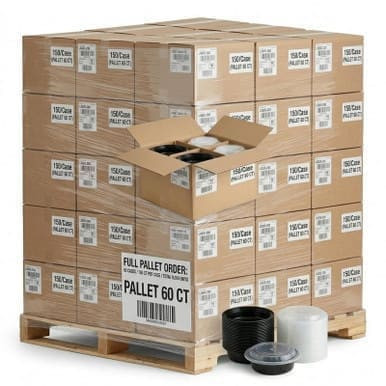
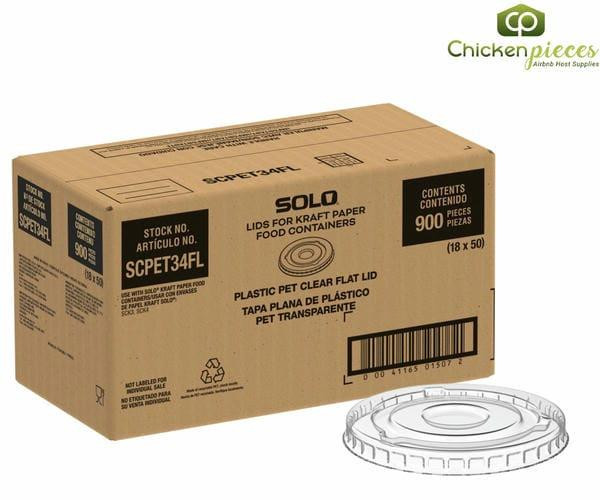
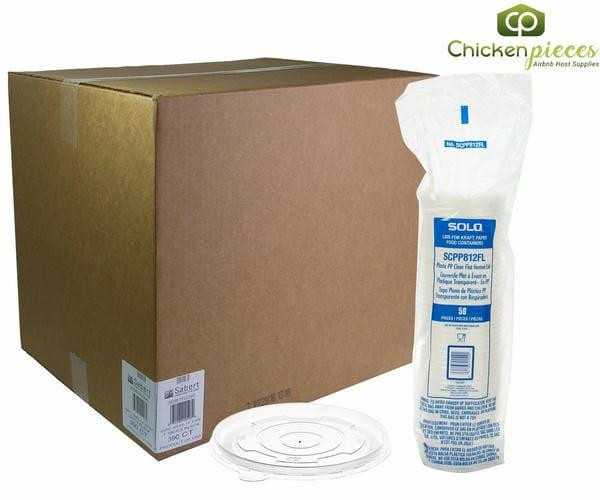
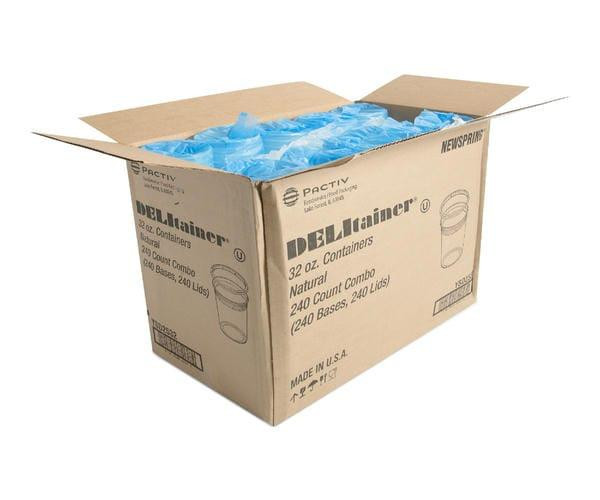
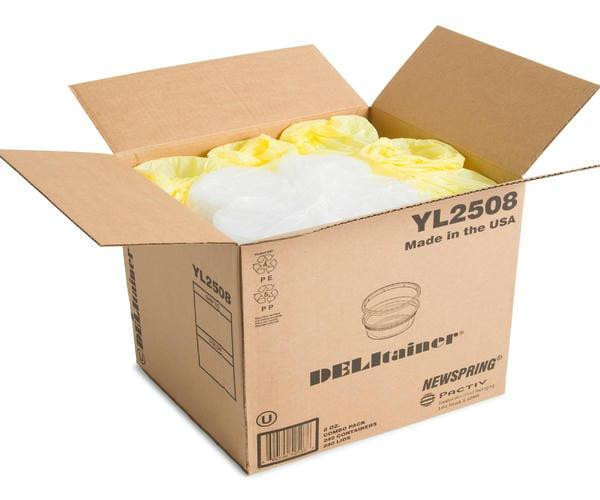
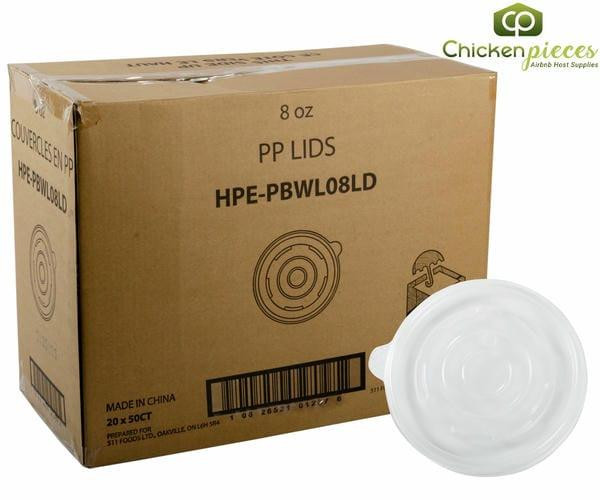
Browse Secure Packaging Solutions
Find the right containers and lids to meet your delivery needs.

People Also Ask
Real questions buyers search before they order — answered straight.
What are takeout containers made of?
Takeout containers are most often made from polypropylene or PET plastic, moulded fibre or paperboard, aluminium, or expanded foam, each with different heat and moisture limits. The material decides whether a container can be reheated, reused, or recycled in your area. Checking the resin code or the base stamp is the quickest way to know what you are handling.
Are takeout containers BPA-free?
Most modern foodservice plastics, especially polypropylene, are made without BPA, and reputable suppliers label their containers BPA-free. If it matters for your customers, ask for that confirmation in writing rather than assuming. Fibre and aluminium containers avoid the question entirely, since they contain no such plastic.
Are takeout containers safe to reuse?
Containers built from sturdier plastics can be reused if they are washed properly and show no cracks, warping, or deep scratches that trap bacteria. Thin single-use trays, foam, and paper are not designed for repeat use and should be recycled or composted instead. When in doubt, reuse only containers the maker rates as reusable.
How do you reuse takeout containers safely?
Wash reusable containers in hot soapy water or a dishwasher, dry them fully, and retire any that are cracked, stained, or no longer seal. Keep containers used for raw and ready-to-eat food separate to avoid cross-contamination. Never reheat food in a container that was only meant for cold takeaway.
What should you do with used takeout containers?
Rinse them and sort by material — clean plastics and fibre often go to recycling or compost depending on local rules, while foam and heavily soiled items usually go to waste. Some sound containers can be kept for storage instead. Checking your municipality's guidance avoids contaminating a whole recycling load.
Where can you buy tamper-evident takeout containers in bulk?
Tamper-evident containers are sold through restaurant-supply distributors and wholesale packaging suppliers, usually by the case, which brings the per-unit cost down. Buying in bulk also keeps a consistent lid-and-base match, which matters for a reliable tamper seal. Ordering a sample case first lets you confirm the seal and fit before committing to a larger order.
What Canadian Facility Operators say
Hear from operators who improved their delivery success rates.
Switching to heavy-weight containers stopped our leak complaints entirely. Customers now receive hot meals without spills. The audible snap gives us confidence every order is secure before it leaves the kitchen door.
The vented lids are a big improvement for our soup menu. No more exploding containers in delivery bags. Staff appreciate how easy they are to seal quickly during rush hours without sacrificing safety.
Clear PET lids show off our fresh salads perfectly. Customers love seeing the ingredients before opening. The flat design stacks neatly in our storage, saving valuable space in our tight prep area.
Packaging Compliance: Frequently Asked Questions
The following operator questions are answered with cited sources. Every FAQ links to Health Canada, CFIA, Canada.ca, or another authoritative regulator.
What is tamper-evident packaging and how does it work?
Products referenced:
- tamper-evident packaging
Source: What is the difference between tamper evident and tamper resistant? - Quora
Are tamper-evident seals required by law for food products in Canada?
Products referenced:
- tamper-evident packaging
Source: When did food production start to incorporate freshness/tamper evident packaging? - r/foodscience
What types of tamper-evident packaging are available?
Products referenced:
- tamper-evident packaging
Source: Looking for a tamper evident solution for fresh food packaging - r/Packaging
Why is tamper-evident packaging important for food safety?
Products referenced:
- tamper-evident packaging
How do tamper-evident labels and seals work?
Products referenced:
- tamper-evident packaging
Source: Tamper evident seals are there for a reason - r/retailhell
What is the difference between tamper-evident and tamper-resistant packaging?
Products referenced:
- tamper-evident packaging
Source: What is the difference between tamper evident and tamper resistant? - Quora
Do I need tamper-evident packaging for my food delivery business?
Products referenced:
- tamper-evident packaging
What are the FDA/CFIA requirements for tamper-evident packaging?
Products referenced:
- tamper-evident packaging
Source: eCFR :: 21 CFR 211.132 -- Tamper-evident packaging requirements for OTC human drug products
How do I choose the right tamper-evident packaging for my product?
Products referenced:
- tamper-evident packaging
Source: What are the characteristics of good food packaging? - Quora
Where can I buy tamper-evident packaging supplies in Canada?
Products referenced:
- tamper-evident packaging
Source: Looking for a tamper evident solution for fresh food packaging - r/Packaging
Related guides from ChickenPieces
Why Partner With ChickenPieces
We provide reliable supply solutions tailored to commercial kitchen needs.
Local Calgary Support
Our team understands regional logistics. We offer fast delivery across North America. Local support means quicker responses to inquiries and issues, ensuring your operations run smoothly without delays.
Bulk Pricing Benefits
Buying in volume reduces per-unit costs. We offer competitive rates for large orders. This helps facilities manage budgets effectively while securing consistent supply of essential packaging materials for daily use.
Wide Product Range
From lids to containers, we stock it all. Multiple brands and sizes ensure you find the perfect fit. One-stop shopping simplifies procurement and reduces administrative overhead for your purchasing department significantly.
FDA Compliant Materials
All products meet strict food-contact safety standards. This ensures compliance with health codes. You can trust that our packaging protects both your customers and your business reputation from regulatory penalties.
Sources & further reading
- FDA Food Code 2022 — U.S. FDA
- Food Packaging Contact Substances — U.S. FDA
Request A Custom Quote Today
Contact us to discuss your volume needs. We will provide a tailored quote for bulk packaging orders.
Request a Quote