
2026 Jul 16th
Switch to PFAS-Free Takeout Containers for Safer Canadian
Canadian operators must eliminate PFAS-laced packaging by 2026 to comply with federal bans. Switching to untreated paper containers prevents legal penalties and protects public health. ChickenPieces offers a full range of compliant stock ready for immediate shipment across Canada.
Switch to PFAS-Free Takeout Containers for Safer Canadian Foodservice Operations
Canadian property managers and facility operators must update their inventory to avoid regulatory fines. Switch to certified PFAS-free paper containers now to ensure full compliance.
Key Takeaways
Key points for transitioning your supply chain include:
Federal Ban Timeline
Health Canada prohibits PFAS in food contact materials. Operators have a strict deadline to remove contaminated stock. Failure to comply results in significant operational disruptions and potential legal liabilities.
Material Shift Required
Poly-coated papers often contain hidden fluorinated compounds. Switching to uncoated or bio-based coated paper ensures safety. Verify supplier certifications before placing bulk orders for your facility.
Customer Trust Matters
Diners increasingly demand sustainable and safe packaging options. Using PFAS-free containers demonstrates corporate responsibility. This transparency builds loyalty among health-conscious patrons in your local market.
Operational Continuity
Stock shortages can disrupt service during the transition period. Plan inventory changes well in advance of the deadline. Secure reliable suppliers who guarantee consistent product availability throughout the year.
Cost Implications
Initial costs for compliant packaging may differ slightly. However, long-term savings arise from avoiding fines and waste disposal fees. Bulk purchasing helps stabilize expenses for large-scale foodservice operations.
Supplier Verification Steps
Always request safety data sheets from vendors. Confirm that materials meet Canadian environmental standards. Do not rely on vague marketing claims without documented proof of chemical composition.
Understanding the 2026 PFAS Ban in Canada
Federal regulations are changing how we package food.
The Canadian government has identified per- and polyfluoroalkyl substances as hazardous to human health and the environment. These synthetic chemicals do not break down easily in nature. They accumulate in water supplies and living organisms over time. The ban targets their use in food packaging materials specifically. This move aligns Canada with global efforts to reduce persistent pollutants. Operators must understand that this is a legal requirement, not just a trend.
Health Canada has set clear milestones for industry compliance. The prohibition on PFAS in food contact substances becomes fully enforceable by 2026. Businesses have a window to adjust their supply chains accordingly. Ignorance of these rules does not exempt anyone from penalties. Proactive planning allows for a smooth transition without service interruptions. Review all current contracts with packaging suppliers now.
Many existing containers use PFAS for grease resistance and durability. These properties are difficult to replicate with untreated paper alone. However, new technologies offer effective alternatives that meet safety standards. Bio-based coatings provide similar performance without the environmental cost. Switching early gives you time to test product compatibility. Ensure your chosen replacements withstand hot liquids and greasy foods.
Choosing Safe Alternatives for Your Kitchen
Selecting the right replacement materials is critical.
Paper containers offer a natural base for safe food packaging. The key is ensuring they lack fluorinated chemical treatments. Kraft paper is a popular choice due to its strength and natural barrier properties. It handles hot foods well when properly sized and constructed. Double-sided options provide extra durability for heavier items like burgers or fried chicken. Always verify the coating type used by your supplier.
Biodegradable plastics present another viable option for certain applications. These materials break down under specific conditions without leaving toxic residues. They are particularly useful for lids and flexible containers. Ensure they are compatible with your existing serving equipment and storage methods. Some bioplastics require industrial composting facilities to decompose effectively. Confirm local waste management capabilities before making a bulk switch.
Compatibility with existing kitchen workflows is essential for adoption. Staff need containers that stack easily and seal securely. Leaks can cause safety hazards and customer dissatisfaction. Test new products with your most challenging menu items first. Hot soups and oily dishes reveal weaknesses in barrier performance quickly. Choose sizes that minimize waste while accommodating portion control needs.
Securing Reliable Inventory Sources
Consistent supply prevents operational disruptions during transition.
Transitioning packaging involves more than just swapping product codes. You must evaluate supplier reliability and lead times carefully. Domestic manufacturers often provide faster shipping within Canada. This reduces the risk of delays due to border crossings or international logistics. Local sourcing also supports the regional economy and reduces carbon footprint. Prioritize partners with transparent sustainability reporting.
Bulk purchasing agreements can stabilize your inventory levels. Committing to larger volumes ensures you have stock on hand. It also often secures better terms for long-term partnerships. Negotiate clauses that guarantee PFAS-free compliance in all deliveries. Include penalties for non-compliant shipments in your contracts. This protects your business from accidental exposure to banned substances.
Monitor market trends for emerging packaging innovations. New materials enter the market regularly as technology advances. Stay informed about best practices in sustainable packaging. Attend industry webinars or trade shows relevant to foodservice. Network with peers who have already made the switch. Their experiences can provide valuable insights into potential pitfalls and solutions.
Integrating New Containers Into Daily Ops
Staff training ensures proper usage of new materials.
Introducing new packaging requires clear communication with staff. Explain the reasons behind the change to gain their support. Demonstrate how to handle and store the new items correctly. Misuse can compromise the integrity of the packaging material. For example, microwaving certain bio-plastics might cause melting or warping. Provide written guidelines alongside verbal instructions for consistency.
Storage conditions matter for maintaining product quality. Keep paper containers away from moisture and direct sunlight. Humidity can weaken the structural integrity of untreated paper. Stack boxes neatly to prevent crushing during transit within your facility. Designate specific areas for new packaging to avoid confusion with old stock. Label everything clearly to streamline kitchen operations.
Customer feedback is a valuable tool for refinement. Ask guests about their experience with the new containers. Note any complaints regarding leaks or heat retention. Use this data to adjust product selections if necessary. Continuous improvement ensures you meet evolving customer expectations. It also demonstrates your commitment to quality and safety standards.
Communicating Your Commitment to Safety
Highlight your switch in marketing materials effectively.
Your shift to PFAS-free packaging is a strong selling point. Customers appreciate businesses that prioritize health and environmental responsibility. Update your website and social media channels accordingly. Share stories about why you made the change. Transparency builds trust and differentiates your brand from competitors. Highlight specific benefits like reduced plastic waste or safer materials.
Visual cues can reinforce your message effectively. Use icons or badges on menus indicating 'PFAS-Free Packaging'. Place signage at pickup counters or delivery stations. Remind customers of your commitment to sustainability as they receive orders. Consistent messaging across all touchpoints strengthens brand perception. Make safety a core part of your value proposition.
Engage with the community around this initiative. Participate in local environmental events or partnerships. Support causes related to waste reduction and public health. This aligns your business with broader societal goals. It fosters goodwill and strengthens local ties. Customers are more likely to support businesses that contribute positively to their community.
Preparing for Evolving Environmental Standards
Stay ahead of regulatory changes with proactive planning.
Environmental regulations will likely become stricter over time. Preparing now positions your business for future compliance easily. Adopt a mindset of continuous improvement in sustainability. Regularly audit your packaging choices for potential upgrades. Seek out innovations that reduce waste further. Anticipating changes prevents last-minute scrambles and costly adjustments later.
Invest in education for yourself and your team. Keep up with news regarding food contact materials and bans. Subscribe to industry newsletters and reports from regulatory bodies. Understanding the landscape helps you make informed decisions. It also empowers you to guide others in your network. Leadership in sustainability sets a positive example for peers.
Collaborate with suppliers who share your vision. Partner with companies investing in research and development. These partners are more likely to offer modern solutions. They can provide early access to new compliant products. Building strong relationships fosters mutual growth and innovation. Together, you can drive positive change in the foodservice industry.
Comparing Container Types for Compliance
Evaluate material properties against regulatory requirements.
| Container Type | PFAS Status | Heat Resistance | Grease Barrier |
|---|---|---|---|
| Standard Poly-Coated Paper | High Risk | Good | Excellent |
| Untreated Kraft Paper | Compliant | Moderate | Low |
| Bio-Based Coated Paper | Compliant | Good | Good |
| Recycled Fiber Boxes | Compliant | Moderate | Low |
| Biodegradable Plastic | Compliant | Variable | High |
| Traditional PLA Plastic | Compliant | Low | High |
| Aluminum Foil Containers | Compliant | Excellent | Excellent |
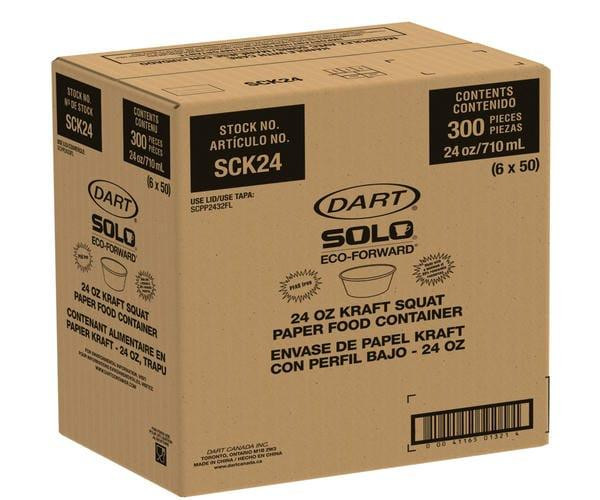
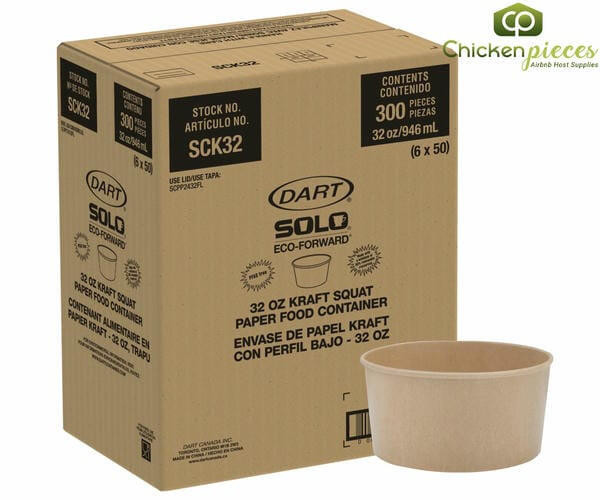
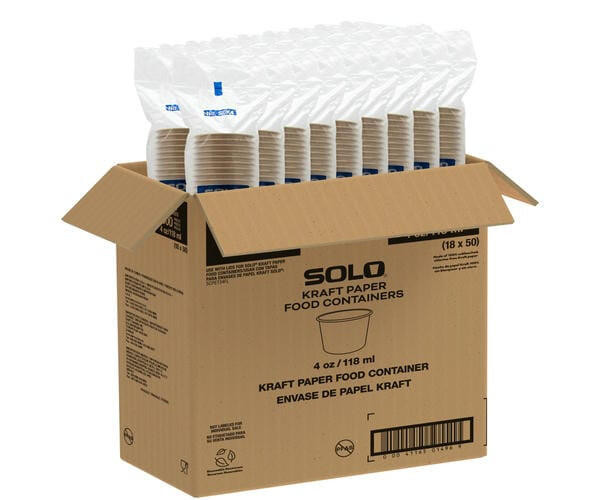
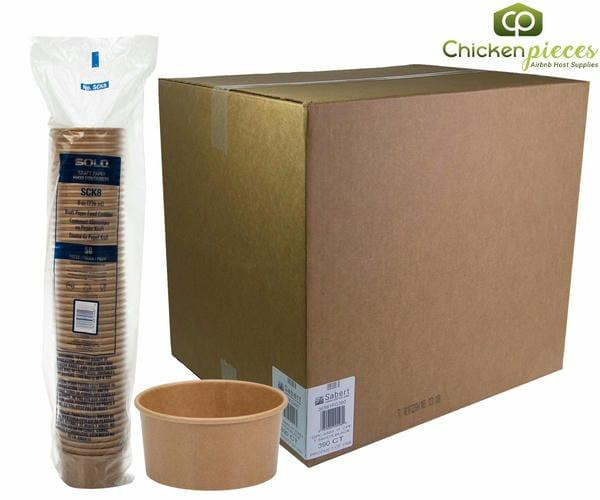
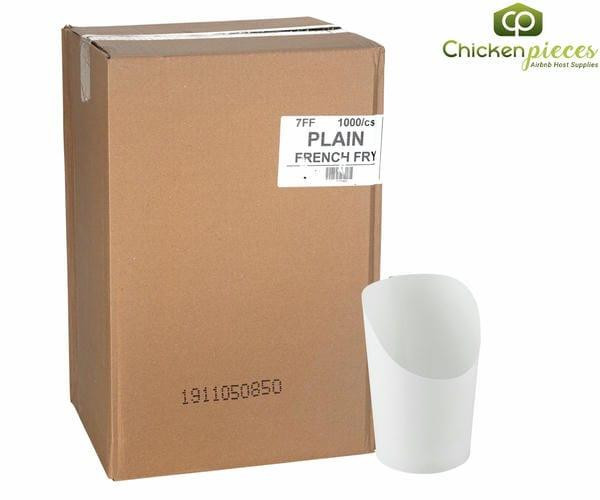
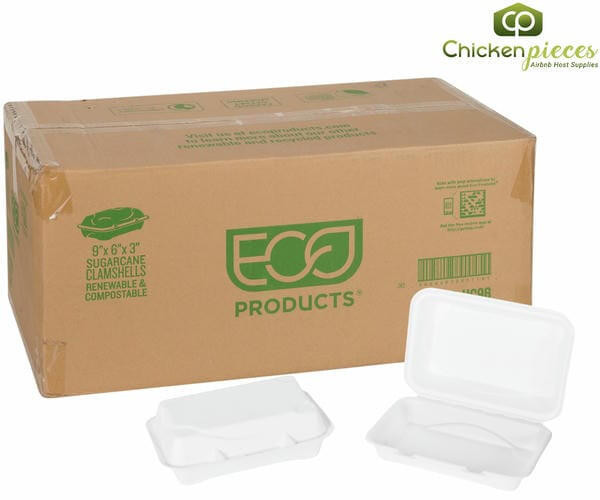
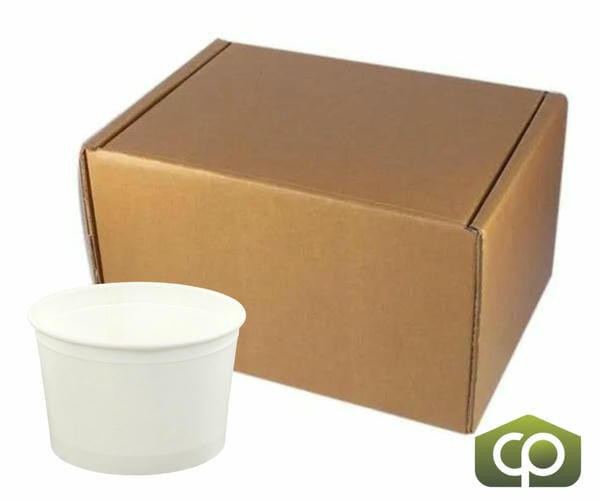
Explore Our Compliant Packaging Range
Browse our selection of safe and sustainable options.

People Also Ask
Real questions buyers search before they order — answered straight.
What is PFAS and why does it matter in takeout packaging?
PFAS are a large group of long-lasting synthetic chemicals once widely used to make packaging resist grease and water. They matter because they persist in the environment and the body and can migrate from packaging into food. For takeaway operators, choosing PFAS-free containers reduces that exposure and keeps you aligned with tightening rules.
How can you avoid PFAS in takeout food packaging?
The simplest way to avoid PFAS is to buy containers that carry a clear PFAS-free statement or a recognised certification, and to be wary of grease-resistant fibre products that name no coating. Rigid recyclable plastics and aluminium are generally not a PFAS concern. When in doubt, ask the supplier to confirm in writing rather than relying on the label alone.
Which takeout containers are most likely to contain PFAS?
The highest-risk takeaway items are grease- and water-resistant fibre products — moulded pulp bowls, wraps, and bags designed to hold oily food without a plastic lining. Clear rigid plastics and foil-based containers are far less likely to use PFAS. If a fibre item resists grease but names no coating, treat it as worth checking.
Why are PFAS added to takeout containers in the first place?
PFAS were added to takeaway packaging because they cheaply and effectively stop grease and moisture soaking through fibre, keeping a bowl or wrap intact with oily food. That convenience is why they spread across the industry. Removing them means switching to alternative barriers that perform without the persistence problem.
Does moulded fibre or parchment takeout packaging always contain PFAS?
No — not all moulded fibre or parchment contains PFAS, but historically many grease-resistant versions did, so the material alone is not a guarantee either way. Today many suppliers offer certified PFAS-free fibre and parchment. The safe approach is to look for an explicit PFAS-free claim rather than assuming a natural-looking product is clear.
Is PFAS in food packaging regulated in Canada?
Canada has moved to treat PFAS as a group of concern and is bringing in restrictions, with food-contact uses among those under review. The direction of travel is clearly toward tighter limits over time. Sourcing PFAS-free packaging now keeps you ahead of the rules rather than scrambling to comply later. This is general information, not legal advice.
What Canadian facility managers say
Hear from operators who have made the switch.
Switching to these paper containers was easy. The staff adapted quickly to the new materials. We noticed fewer leaks during delivery runs immediately. Our customers appreciate the safer packaging choice too.
The biodegradable options work well for our hot food items. They hold heat effectively without melting or warping. It feels good to reduce plastic waste in our daily operations significantly.
We needed a reliable supplier for bulk orders. ChickenPieces delivered consistent quality every time. The kraft paper containers are sturdy and look professional on our menus.
Compliance & Sourcing: Frequently Asked Questions
The following operator questions are answered with cited sources. Every FAQ links to Health Canada, CFIA, Canada.ca, or another authoritative regulator.
What are PFAS and why are they used in food containers?
Products referenced:
- PFAS-free containers
Source: Plastic containers can contain PFAS — and it's getting into food - Reddit
Are PFAS banned in food packaging in Canada?
Products referenced:
- PFAS-free containers
Source: New study finds toxic PFAS 'forever chemicals' in Canadian food packaging - Reddit
What materials are used for PFAS-free food containers?
Products referenced:
- PFAS-free containers
Source: PFAS Free Food Containers for Takeout: the 2026 Buyer's Guide
How can I tell if my food containers contain PFAS?
Products referenced:
- PFAS-free containers
Are 'compostable' containers also PFAS-free?
Products referenced:
- PFAS-free containers
Source: Which restaurants use compostable takeout containers? - Reddit
What are the health risks of PFAS in food packaging?
Products referenced:
- PFAS-free containers
Source: Buying PFOA/PFAS/PTFE-free non-stick cookware - Reddit
Do plastic containers labeled BPA-free also mean PFAS-free?
Products referenced:
- PFAS-free containers
Source: Are Nalgenes PFAS free? - Reddit
What Canadian restaurants have switched to PFAS-free packaging?
Products referenced:
- PFAS-free containers
Source: Fast food/restaurant takeout that is PFAS-free and 'greener'? - Reddit
How much more do PFAS-free containers cost vs traditional ones?
Products referenced:
- PFAS-free containers
What certifications verify a container is PFAS-free?
Products referenced:
- PFAS-free containers
Related guides from ChickenPieces
Why Partner With ChickenPieces
We provide reliable, compliant packaging solutions for Canadian businesses.
Local Inventory Access
Stock is held in Calgary for fast shipping. Reduce wait times and keep your facilities supplied consistently throughout the year with our efficient logistics network.
Verified Compliance Standards
Every product meets current Canadian safety regulations. We verify supplier certifications to ensure no PFAS materials reach your customers or violate federal bans.
Dedicated Account Support
Our team assists with selection and ordering processes. Get personalized advice on transitioning your packaging inventory smoothly without disrupting daily kitchen operations.
Regulatory Alignment Focus
We prioritize Health Canada compliance in all recommendations. Stay ahead of legislative changes with products that meet or exceed current environmental safety standards.
Sources & further reading
- Per- and polyfluoroalkyl substances (PFAS) — Health Canada
- Food packaging materials — Health Canada
Request Your Custom Quote Today
Contact our sales team to discuss your specific packaging needs. We will provide a tailored quote and assist with your transition plan immediately.
Request a Quote