

2026 Jul 16th
Compliant Cutlery And Straws For Canadian Restaurants Under
Canada restricts certain single-use plastics to reduce waste. Restaurants must switch to paper straws and wood cutlery. Our stock meets these federal requirements for immediate compliance.
Compliant Cutlery And Straws For Canadian Restaurants Under New Rules
Property managers and restaurant operators need reliable supplies that meet federal standards without disrupting daily operations or increasing waste management costs.
Key Takeaways
Key points for switching your supply chain now include:
Federal Ban Scope
The ban covers straws, cutlery, and stir sticks. These items are banned from manufacture and import. You must replace plastic versions with compliant alternatives immediately.
Wood Cutlery Benefits
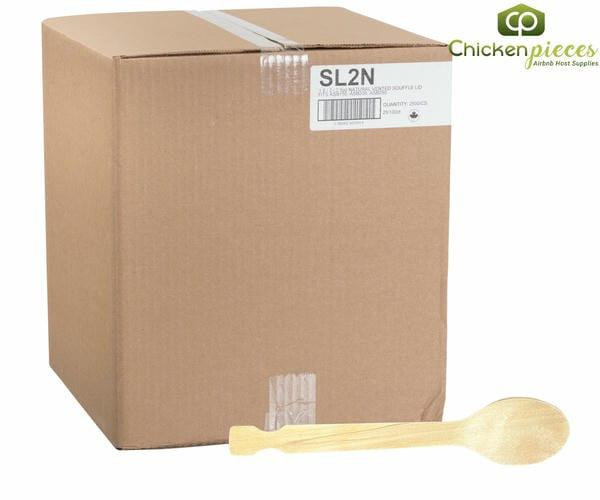
Wooden forks and spoons provide a sturdy alternative. They compost easily after use. Bulk dispenser packs help manage inventory efficiently for high-volume service environments.
Paper Straw Options
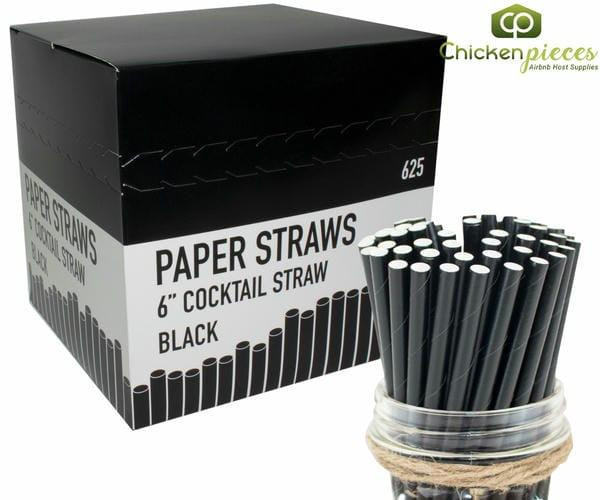
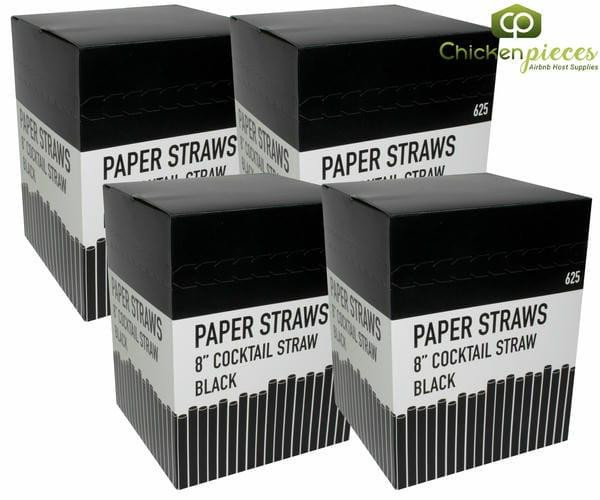
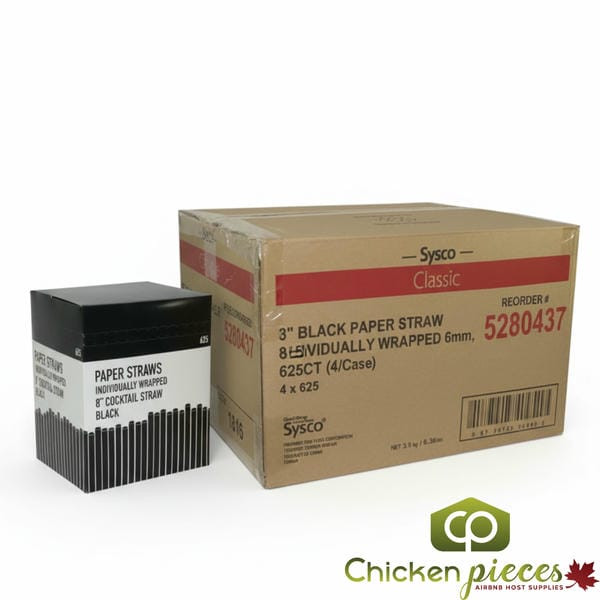
Paper straws come in various sizes and colors. Wrapped options maintain hygiene standards. You can choose specific lengths for different beverage types served.
Inventory Planning Tips
Order bulk cases to ensure consistent stock levels. Monitor usage rates during peak seasons. Avoid running out of critical service items during busy periods.
Waste Reduction Impact
Switching materials significantly reduces plastic waste streams. Compostable items help facilities meet sustainability goals. This change supports broader environmental initiatives effectively.
Supplier Reliability Needs
Choose a supplier with consistent stock availability. Timely delivery ensures you never face shortages. Local distribution centers speed up restocking processes for urgent needs.
Understanding The Single-Use Plastic Ban
Federal regulations now restrict specific plastic items in food service settings across the country.
The federal government introduced strict rules on single-use plastics. These regulations target items that cause significant environmental harm. Restaurants must adapt their supply chains quickly. The ban includes straws, cutlery, and stir sticks made from plastic. Non-compliant items can no longer be manufactured or imported. Facilities using these products face legal risks if they continue operating without changes.
Compliance is not optional for food service businesses. Operators must source alternatives that meet environmental standards. Wood and paper provide viable replacements for many uses. These materials break down more easily in composting facilities. Switching early prevents last-minute scrambling for supplies. It also demonstrates a commitment to sustainable business practices.
Compliant Wooden Cutlery For Service
Wooden forks and spoons offer durability and compostability for everyday dining needs.
Wooden cutlery provides a natural alternative to plastic utensils. These items are sturdy enough for most food types. They do not bend or break easily during use. Guests often appreciate the tactile feel of wood. It adds a touch of quality to casual dining experiences. Sourcing these in bulk reduces per-unit costs significantly.
Dispenser-ready packs streamline service operations. Staff can grab utensils quickly without handling individual pieces. This saves time during peak meal services. The wood material is fully compostable after use. Proper disposal helps facilities manage waste streams effectively. You support circular economy goals by choosing this option.
Paper Straws For Beverage Service
Paper straws come in multiple sizes and wraps to suit various drink needs.
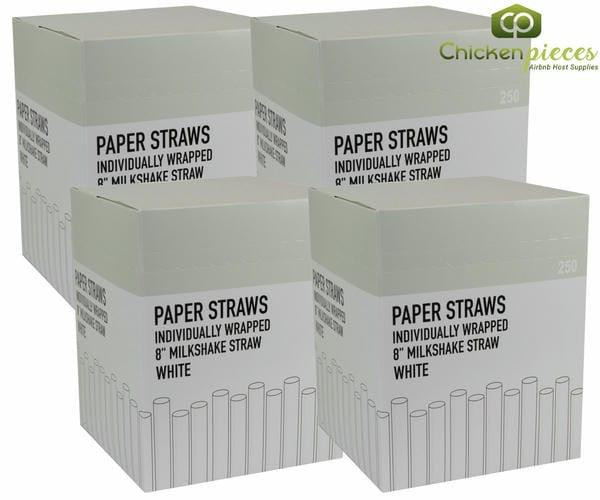
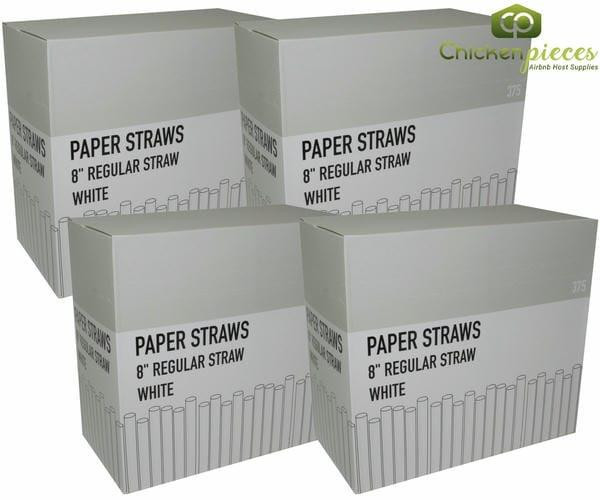
Paper straws replace plastic options for cold beverages. They maintain shape better than earlier biodegradable attempts. Wrapped versions offer hygiene protection for staff handling. Different lengths suit different drink types effectively. Shorter straws work well for cocktails and soft drinks. Longer ones handle milkshakes and tall glasses properly.
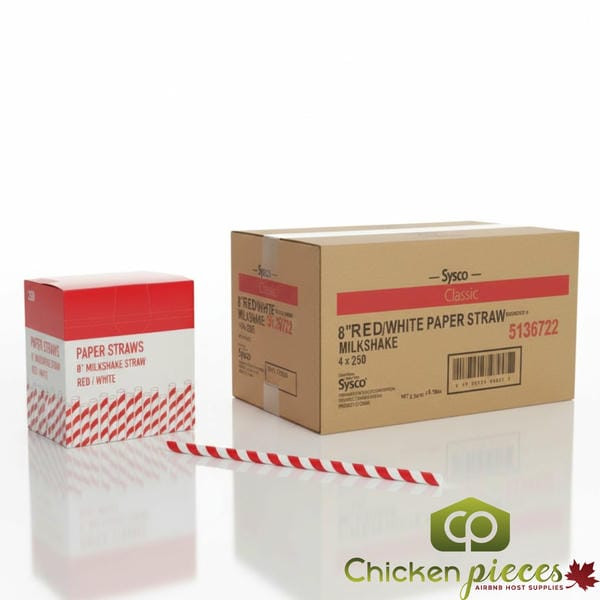
Color coding helps organize inventory by beverage type. Black or white wraps provide a clean aesthetic. Red and white patterns add visual interest for themed events. Bulk cases ensure you have enough stock for busy periods. Consistent supply prevents service interruptions during high-volume days. Choose sizes that match your menu offerings precisely.
Stocking And Storage Best Practices
Proper storage extends product life and ensures hygiene standards are met consistently.
Effective inventory management prevents waste and shortages. Track usage rates for each compliant item type. Adjust order quantities based on seasonal demand patterns. Keep backup stock for unexpected rushes or events. Organize storage areas by product category for easy access. Label shelves clearly to speed up restocking processes.
Humidity control is vital for paper products. Store items in dry, climate-controlled environments when possible. Use original packaging until ready for distribution. This protects against moisture damage and contamination. Regular audits help identify discrepancies early. Accurate records simplify reordering and budget planning efforts.
Meeting Environmental Targets With Supply
Choosing compostable materials supports broader corporate sustainability objectives and reduces landfill waste.
Sustainability is a key driver for modern hospitality. Guests prefer businesses that prioritize environmental responsibility. Switching to wood and paper items signals commitment. These materials decompose naturally in industrial composting facilities. They reduce the volume of persistent plastic waste significantly. This aligns with corporate social responsibility reports.
Local sourcing further reduces carbon footprints. Shipping distances matter for overall environmental impact. Choosing a regional supplier cuts transportation emissions. It also supports local economic development initiatives. Faster delivery times mean less fuel consumption overall. Every small change contributes to larger conservation goals effectively.
Why Local Wholesale Matters
A nearby supplier offers faster response times and reliable stock availability for urgent needs.
Reliable supply chains are critical for smooth operations. A local partner understands regional demand fluctuations. They can adjust deliveries based on weather or events. This flexibility helps maintain consistent service levels. You avoid long lead times associated with distant warehouses. Quick turnaround supports efficient inventory management strategies.
Personalized service enhances the purchasing experience. Dedicated support teams address specific questions quickly. They help navigate complex compliance requirements effectively. Building a strong relationship ensures priority handling during shortages. Trustworthy partners provide transparency about product origins and certifications. This peace of mind allows you to focus on hospitality.
Compliant Item Comparison Guide
Review material types and typical uses to select the right items for your facility.
| Item Type | Material | Compostable | Best Use Case |
|---|---|---|---|
| Wooden Fork | Birch Wood | Yes | Salads and Light Meals |
| Wooden Spoon | Birch Wood | Yes | Soups and Desserts |
| Paper Straw Short | Kraft Paper | Yes | Cocktails and Soft Drinks |
| Paper Straw Long | Kraft Paper | Yes | Milkshakes and Tall Glasses |
| Wrapped Paper Straw | Cardboard Sleeve | Yes | Hgiene-Focused Service Areas |
| Wide Diameter Straw | Thick Paper | Yes | Smoothies and Blended Drinks |
| Colored Pattern Straw | Printed Paper | Yes | Events and Themed Parties |
Browse Our Compliant Range
Explore our full selection of wood and paper alternatives for your facility needs.


People Also Ask
Real questions buyers search before they order — answered straight.
What is single-use plastic?
Single-use plastic is any plastic item designed to be used once and then thrown away, such as disposable cutlery, straws, stir sticks, bags, and many food containers. Because it is discarded so quickly, it makes up a large share of everyday waste. That short lifespan is exactly why it is the focus of most packaging rules.
What counts as a single-use plastic item?
Common single-use plastic items include cutlery, straws, stir sticks, plates, cups, thin carry-out bags, and certain food containers and their lids. Not every disposable plastic is targeted by the rules — the focus tends to be on items with easy alternatives and high litter rates. Checking the specific list in your jurisdiction tells you which of your lines are affected.
Why are single-use plastics being banned?
Single-use plastics are being restricted because they are used briefly, are hard to recycle, and are among the most common items found as litter and in waterways. Bans push businesses toward reusable or compostable alternatives that cause less lasting harm. For operators, the shift is less about any single item and more about designing waste out of daily service.
When was single-use plastic banned in Canada?
Canada began phasing in restrictions on several single-use plastics — including checkout bags, cutlery, stir sticks, straws, and some food service ware — from the early 2020s, with different items and stages taking effect over time. Sale and manufacture were targeted before some later dates. Because timelines and exemptions can shift, confirm the current status for each item you buy.
What are the best alternatives to single-use plastic cutlery and straws?
The usual compliant swaps are wooden or moulded-fibre cutlery, paper or fibre straws, and certified compostable or reusable options depending on your setup. The right choice balances how the item performs in service — for example, straw life in cold drinks — with what your customers can dispose of. Trialling a sample against your busiest service confirms it holds up before you switch fully.
Are single-use plastic cups and cutlery recyclable?
Many single-use plastic cups and cutlery are technically recyclable but are often rejected in practice because they are small, mixed materials, or contaminated with food. Rules vary widely by municipality, so an item accepted in one area may be landfill in another. Where recycling is unreliable, a compostable or reusable alternative usually does more good.
What Canadian Restaurant Owners say
See what other Canadian operators say about switching to these compliant supplies.
Switching to wooden cutlery was easy with their bulk packs. The quality is much better than the cheap plastic we used before. Guests actually compliment the natural feel now.
Paper straws held up well in our milkshakes. The wrapped options keep them hygienic on the counter. We have not had a single complaint about sogginess yet.
Reliable delivery kept us stocked during our busy summer season. The variety of straw sizes covers all our menu drinks. Compliance was simple with this supplier.
Compliance Questions: Frequently Asked Questions
The following operator questions are answered with cited sources. Every FAQ links to Health Canada, CFIA, Canada.ca, or another authoritative regulator.
What single-use plastics are banned in Canada for restaurants?
Products referenced:
- Compostable Cutlery Set, CPLA, Food Service Pack, Case of 500
- Compostable Straws, Paper, Unwrapped, 200-Pack
- Compostable Straws, PLA, Individually Wrapped, 200-Pack
Source: Canada's Ban on Single-use Plastics Takes Effect Today - r/ontario
What are the best compliant alternatives to plastic cutlery for Canadian restaurants?
Products referenced:
- Compostable Cutlery Set, CPLA, Food Service Pack, Case of 500
- Compostable Cutlery, Birchwood, Food Service Pack, Case of 500
- Bamboo Cutlery Set, Reusable, 3-Piece
Source: Businesses that still give out plastic straws and forks - r/saskatoon
Can Canadian restaurants still give out plastic straws to customers who need them?
Products referenced:
- Compostable Straws, Paper, Unwrapped, 200-Pack
- Compostable Straws, PLA, Individually Wrapped, 200-Pack
- Flexible Straws, Plastic, Medical Grade, 20-Pack
How much do compostable cutlery and straws cost compared to plastic?
Products referenced:
- Compostable Cutlery Set, CPLA, Food Service Pack, Case of 500
- Compostable Straws, Paper, Unwrapped, 200-Pack
- Compostable Straws, PLA, Individually Wrapped, 200-Pack
Source: What are the best alternatives to single-use plastic containers? - Quora
What are the penalties for non-compliance with Canada's single-use plastics ban?
Products referenced:
- Compostable Cutlery Set, CPLA, Food Service Pack, Case of 500
- Compostable Straws, Paper, Unwrapped, 200-Pack
Source: Canada's plastic ban: what delivery restaurants need to know
What straw sizes and materials can Canadian restaurants use in 2026?
Products referenced:
- Compostable Straws, Paper, 7.75 inch, Unwrapped, 200-Pack
- Compostable Straws, PLA, 8.5 inch, Individually Wrapped, 200-Pack
- Bamboo Straws, Reusable, 8 inch, 50-Pack
How do provincial plastic bans differ from the federal ban in Canada?
Products referenced:
- Compostable Cutlery Set, CPLA, Food Service Pack, Case of 500
- Compostable Straws, Paper, Unwrapped, 200-Pack
- Paper Bag, Kraft, FSC Certified, 100-Pack
What is the best bulk supplier for compliant cutlery and straws in Canada?
Products referenced:
- Compostable Cutlery Set, CPLA, Food Service Pack, Case of 500
- Compostable Straws, Paper, Unwrapped, 200-Pack
- Compostable Straws, PLA, Individually Wrapped, 200-Pack
Source: Compostable Cutlery Canada | Bulk | Wholesale - Greenmunch
Related guides from ChickenPieces
Why Choose Our Supply Service
We provide reliable, compliant products with fast local delivery for Canadian facilities.
Local Calgary Hub
Our central location enables rapid shipping across western Canada. You receive orders faster than with distant suppliers. This speed helps maintain consistent stock levels for your busy operations.
Bulk Pricing Options
We offer competitive rates for case-sized purchases. Buying in volume reduces your overall supply costs significantly. Our transparent pricing structure makes budgeting simple and predictable every month.
Dedicated Support Team
Our staff assists with product selection and compliance queries. You get personalized advice tailored to your specific needs. We ensure you always have the right items in stock for service.
Health Canada Compliance
All products meet Health Canada and CFIA safety standards. You can trust our inventory for safe food contact use. We verify certifications to ensure full regulatory adherence for your peace of mind.
Sources & further reading
- Single-use plastics prohibition: overview — Environment and Climate Change Canada
- Reducing plastic waste in Canada — Environment and Climate Change Canada
Request A Quote Today
Contact us to discuss your specific supply needs. We will provide a custom quote tailored to your volume requirements.
Request a Quote