
2026 Jul 17th
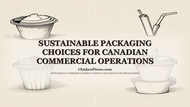
Sustainable Packaging Choices for Canadian Commercial
Yes, Canadian buyers prioritize sustainable packaging. Facility operators seek materials that reduce waste and support green initiatives. Our catalog offers biodegradable and recyclable options for various needs.
Sustainable Packaging Choices for Canadian Commercial Operations
This guide helps facility operators and property managers select sustainable materials that reduce environmental impact while maintaining operational efficiency.
Key Takeaways
Key points for selecting sustainable supplies include material composition, durability, and local availability.
Material Source Matters
Choose products made from recycled or rapidly renewable resources. This reduces the carbon footprint of your supply chain operations significantly.
Durability Is Key
Sustainable items must withstand commercial use without breaking. Durable materials prevent waste caused by frequent replacements and customer dissatisfaction.
Local Sourcing Benefits
Products sourced within Canada reduce transportation emissions. Supporting local manufacturers ensures faster delivery times and stronger community economic ties.
Recyclability Standards
Verify that packaging can be processed by local facilities. Proper labeling helps staff dispose of materials correctly, supporting broader recycling goals.
Cost Efficiency Over Time
While initial costs may vary, bulk purchasing reduces per-unit expenses. Sustainable choices often lead to long-term savings through reduced waste disposal fees.
Regulatory Compliance
Ensure all products meet Canadian environmental standards. Staying compliant avoids potential fines and demonstrates commitment to responsible business practices.
Why Sustainability Matters Now
Canadian businesses face growing pressure to adopt greener practices.
Consumer awareness regarding environmental impact has increased significantly. Buyers now expect brands to demonstrate responsibility through their supply chains. This shift influences purchasing decisions across hospitality and facility sectors. Companies that ignore these trends risk losing market share to more conscious competitors who prioritize ethical sourcing methods. To address this, operators must audit current packaging streams to identify high-volume waste items. Tracking disposal metrics provides a baseline for measuring improvement after switching materials. Regular updates to sustainability reports keep stakeholders informed and aligned with corporate goals.
Regulatory bodies are also tightening standards around waste management. New policies aim to reduce landfill usage by promoting reusable or biodegradable alternatives. Businesses must adapt quickly to remain compliant with evolving legislation. Proactive adoption of green packaging strategies positions companies ahead of mandatory changes. Understanding provincial differences is essential, as rules vary between Ontario, Alberta, and British Columbia. Establishing a compliance checklist ensures all new products meet current legal requirements. This prevents costly recalls or penalties associated with non-compliant materials in commercial settings.
Choosing The Right Materials
Different applications require specific types of sustainable materials.
Paper-based solutions offer excellent recyclability and compostability options. These materials break down naturally without leaving harmful residues behind. They are ideal for single-use items where hygiene is paramount but long-term durability is less critical. Look for certifications that verify sustainable forestry practices in production. Evaluate the fiber content to ensure it comes from managed forests or post-consumer recycled sources. High-density paperboard offers better structural integrity for heavier items, reducing the need for additional protective layers. Selecting the right thickness balances strength with material efficiency.
Plant-derived plastics provide another viable alternative to traditional petroleum-based options. Made from cornstarch or sugarcane, these materials reduce reliance on fossil fuels. They maintain similar strength and flexibility properties while being biodegradable under industrial conditions. Evaluate their performance against your specific operational requirements carefully. Check the processing temperature requirements for composting facilities in your region. Some bio-plastics require industrial heat to break down effectively, meaning home composting may not work. Verify compatibility with existing machinery to avoid production delays.
Integrating Green Supplies Smoothly
Transitioning to eco-friendly options requires careful planning.
Switching suppliers might involve changes in inventory management systems. Ensure your team understands the unique storage requirements of biodegradable products. Some materials may have shorter shelf lives or different humidity sensitivities compared to conventional alternatives. Proper training prevents unnecessary waste during transition periods. Implement first-in, first-out rotation methods to prevent degradation before use. Store paper-based items on pallets away from floor moisture to maintain structural integrity. Regular inventory audits help identify slow-moving stock that might expire or degrade.
Communication with customers about these changes builds trust and loyalty. Highlight your commitment to sustainability through marketing efforts and signage. Explain how choosing green packaging contributes positively to the environment. Transparent dialogue helps justify any perceived differences in product appearance or feel. Update digital menus and physical displays to reflect new material choices. Provide clear disposal instructions at points of sale to guide customer behavior. This educational aspect reinforces the value proposition of sustainable operations.
Building Strong Vendor Partnerships
Reliable partners ensure consistent supply of quality goods.
Selecting vendors who share your sustainability values creates alignment. These partners often innovate faster to meet emerging environmental standards. They provide access to modern green technologies and materials. Collaborative relationships foster mutual growth and shared success in achieving corporate social responsibility objectives effectively. Establish regular review meetings to discuss new product developments and supply chain updates. Share feedback on product performance to drive continuous improvement. Long-term contracts can secure better pricing and priority access during high-demand periods.
Negotiating terms should focus on long-term stability rather than short-term gains. Volume discounts can offset higher initial costs associated with premium eco-products. Establish clear expectations regarding delivery schedules and return policies. A dependable supplier minimizes disruptions and ensures continuous availability of essential items. Define key performance indicators for delivery accuracy and product quality. These metrics help hold partners accountable and ensure service levels meet operational needs. Flexibility in order adjustments can also prevent overstocking issues.
Success Stories From Peers
Learn from others who have made the switch.
Many hotels in Alberta report increased guest satisfaction after switching. Visitors appreciate establishments that align with their personal values. Positive feedback often translates into repeat business and referrals. Sharing these successes encourages other properties within networks to follow suit, amplifying collective impact. Collecting data on waste reduction metrics provides concrete evidence of progress. Presenting this data to management supports further investment in green initiatives. Employee engagement also improves when staff see tangible results from their efforts.
Property managers in Ontario highlight reduced waste disposal costs. Using compostable liners simplifies cleaning routines and lowers expenses. These savings contribute directly to bottom-line improvements while supporting ecological health. Real-world examples demonstrate tangible benefits beyond just moral imperatives. Tracking monthly disposal fees before and after the switch reveals cost efficiencies. Identifying bottlenecks in the new system allows for quick adjustments. Continuous monitoring ensures that benefits are sustained over time.
Preparing For Tomorrow's Needs
Stay ahead by anticipating future regulatory changes.
The trend towards circular economies will continue gaining momentum. Expect stricter rules limiting single-use plastics across provinces. Early adopters gain competitive advantages by establishing strong systems early. Preparing now avoids rushed adaptations later when deadlines approach closely. Investing in versatile packaging solutions that can adapt to changing rules is wise. Modular designs allow for easy updates without complete overhauls. Staying informed about legislative proposals helps anticipate necessary changes.
Innovation in material science promises even better solutions soon. Researchers develop stronger, cheaper alternatives daily. Keeping abreast of advancements allows proactive integration into operations. Staying flexible enables quick adoption of superior options as they become commercially available. Participating in industry forums and trade shows exposes operators to new technologies. Building relationships with research institutions can provide early access to pilot programs. This forward-thinking approach ensures long-term viability.
Comparing Sustainable Packaging Types
Evaluate different material options based on key performance indicators.
| Material Type | Biodegradability | Durability Level | Best Use Case |
|---|---|---|---|
| Recycled Paper | High | Moderate | Dry goods storage |
| Plant-Based Plastic | Medium | High | Food service items |
| Compostable Liners | Very High | Low | Waste bins only |
| Bamboo Fiber | High | Moderate | Tableware sets |
| Molded Pulp | High | Medium | Protective cushioning |
| Glass Alternatives | None | Very High | Reusable containers |
| Bioplastic Films | Medium | High | Flexible wrapping needs |
Explore Our Green Catalog
Browse our complete range of sustainable supplies tailored for commercial use.







People Also Ask
Real questions buyers search before they order — answered straight.
Do customers actually care about eco-friendly packaging?
Many do — surveys consistently show a large share of shoppers, especially younger ones, say they prefer brands that use sustainable packaging and notice when a business does not. For B2B buyers and hosts, packaging is part of the guest or customer experience, so it shapes how your brand is judged. Caring does not always translate into every purchase, but it increasingly tips the choice between two similar options.
Why is eco-friendly packaging important to customers?
Eco-friendly packaging matters to customers because it signals that a business takes waste and environmental impact seriously, which more people now factor into who they buy from. It also reduces the guilt and clutter of disposables they have to throw away. For many, it is a visible, everyday sign of values rather than a claim tucked away on a website.
Are younger customers more focused on sustainable packaging?
Yes — younger shoppers tend to place more weight on sustainability and are more likely to choose, and stay loyal to, brands whose packaging reflects it. They also share and scrutinise these choices publicly more than older groups. If your customer base skews younger, packaging decisions carry extra weight.
What are common examples of eco-friendly packaging customers recognise?
Shoppers most readily recognise moulded fibre and paper containers, recyclable cardboard, compostable cups and cutlery, and minimal or plastic-free wrapping. Clear labelling — such as recyclable or compostable marks — helps them see the choice at a glance. Packaging that looks and feels natural tends to register as eco-friendly even before they read the label.
How does eco-friendly packaging help the environment?
Eco-friendly packaging helps by cutting the amount of hard-to-recycle plastic sent to landfill, using renewable or recycled materials, and, where composting is available, returning to the soil instead of persisting for decades. The gain is largest when the packaging is actually recycled or composted rather than binned. Choosing materials your local systems accept is what turns the intent into a real benefit.
What is the most eco-friendly alternative to plastic packaging?
There is no single winner — the best alternative depends on the item, but recycled or certified paper and moulded fibre, aluminium (which is endlessly recyclable), and certified compostable materials are the usual front-runners. For a facility, the most eco-friendly option is the one your area can actually recycle or compost. Matching material to disposal route beats chasing the greenest-sounding label in isolation.
What Canadian facility operators say
Hear from Canadian professionals who have implemented these solutions successfully.
Switching to biodegradable trays significantly reduced our waste volume. Guests notice and appreciate the effort towards sustainability in our property operations daily.
The eco-friendly packaging tape holds up well during shipping. It provides secure closure without compromising our commitment to reducing plastic usage overall.
Using compostable liners has streamlined our cleaning process. Staff find it easier to manage waste disposal, leading to a cleaner environment for residents.
Common Questions: Frequently Asked Questions
The following operator questions are answered with cited sources. Every FAQ links to Health Canada, CFIA, Canada.ca, or another authoritative regulator.
Do Canadian customers actually care about eco-friendly packaging?
Products referenced:
- Compostable Clamshell, Bagasse, 9x9 inch, Case of 200
- Compostable Cutlery Set, CPLA, Food Service Pack, Case of 500
Source: Are there any truly sustainable take away containers? - r/sustainability
What are the most cost-effective sustainable packaging options for Canadian restaurants?
Products referenced:
- Compostable Clamshell, Bagasse, 9x9 inch, Case of 200
- Compostable Bowl, Bagasse, 24 oz, Food Service Pack
- Paper Bag, Kraft, Uncoated, 100-Pack
What sustainable packaging certifications should Canadian restaurants look for?
Products referenced:
- Compostable Clamshell, Bagasse, BPI Certified, 9x9 inch
- Compostable Cutlery Set, CPLA, BPI Certified, Food Service Pack
- Paper Bag, Kraft, FSC Certified, 100-Pack
How much does switching to sustainable packaging cost a restaurant?
Products referenced:
- Compostable Clamshell, Bagasse, 9x9 inch, Case of 200
- Compostable Cup, PLA-Lined Paper, 16 oz, Case of 500
Source: Do all restaurants use plastic wrapped to-go containers? - Quora
What are the best eco-friendly alternatives to plastic straws for Canadian restaurants?
Products referenced:
- Compostable Straws, Paper, Unwrapped, 200-Pack
- Compostable Straws, PLA, Individually Wrapped, 200-Pack
- Bamboo Straws, Reusable, 8 inch, 50-Pack
Source: Zero waste/truly sustainable packaging solutions - r/ZeroWaste
Is compostable packaging actually better for the environment than recyclable plastic?
Products referenced:
- Compostable Clamshell, Bagasse, 9x9 inch
- Compostable Bowl, Bagasse, 24 oz
Source: Are there any truly sustainable take away containers? - r/sustainability
What sustainable packaging trends are Canadian restaurants adopting in 2026?
Products referenced:
- Compostable Clamshell, Bagasse, 9x9 inch, Case of 200
- Compostable Cutlery Set, CPLA, Food Service Pack, Case of 500
- Paper Bag, Kraft, FSC Certified, 100-Pack
How do I market my restaurant's sustainable packaging to customers?
Products referenced:
- Compostable Clamshell, Bagasse, BPI Certified, 9x9 inch
- Compostable Cutlery Set, CPLA, BPI Certified, Food Service Pack
Source: What are the best alternatives to single-use plastic containers? - Quora
Related guides from ChickenPieces
Why Choose ChickenPieces
We deliver reliable, sustainable supplies with local expertise and support.
Local Expertise
Our Calgary-based team understands regional regulations and preferences. We provide tailored advice for navigating Canadian market requirements effectively.
Wide Selection
Access thousands of eco-friendly products from trusted brands. Find everything needed under one roof simplifying procurement processes significantly.
Fast Delivery
Efficient logistics ensure timely delivery across provinces. Keep operations running smoothly with dependable supply chains managed professionally by experts.
Compliance Focused
All products meet Health Canada or CFIA compliance standards where applicable. Shop confidently knowing items adhere to strict safety guidelines required.
Sources & further reading
- Has anyone switched to eco packaging and actually seen customers care? — Reddit r/restaurantowners
Get Your Quote Today
Contact our sales team for personalized assistance. Request a quote now to start upgrading your supply chain sustainably.
Request a QuoteReferences: Health Canada - Food Packaging Materials CFIA - Food Allergen Labelling for Industry.