
2026 Jun 25th
Beef Tallow Vs Seed Oil: Deep Frying Choices For Canadian
Beef tallow offers superior heat stability and distinct flavor, while seed oils provide neutral taste profiles. Both options meet Canadian safety standards. Your choice depends on menu requirements and desired texture outcomes for fried items.
Beef Tallow Vs Seed Oil: Deep Frying Choices For Canadian Kitchens
This guide helps property managers and facility operators choose the right frying medium. We compare thermal stability and food quality outcomes to support consistent service delivery.
Key Takeaways
Here are the key points to consider when selecting your frying medium.
Heat Stability Matters
Beef tallow handles high temperatures better than most seed oils. This reduces breakdown during long shifts. You get fewer off-flavors in the food and less smoke generation overall.
Flavor Profile Impact
Tallows add a rich, savory note to fried items. Seed oils keep the natural taste of the ingredient. Choose based on whether you want neutral or enhanced flavor profiles.
Operational Efficiency Gains
Stable fats last longer in the fryer. This means fewer oil changes per week. Reduced waste lowers your overall supply costs and simplifies kitchen maintenance tasks significantly.
Canadian Sourcing Benefits
Local production ensures consistent quality and freshness. Supporting Canadian suppliers reduces transport time. You receive products that meet strict national food safety regulations reliably.
Texture Quality Control
Different fats create different crusts. Tallow often yields a crispier exterior. Seed oils may produce a softer finish. Test both to match your specific menu item requirements.
Storage Considerations
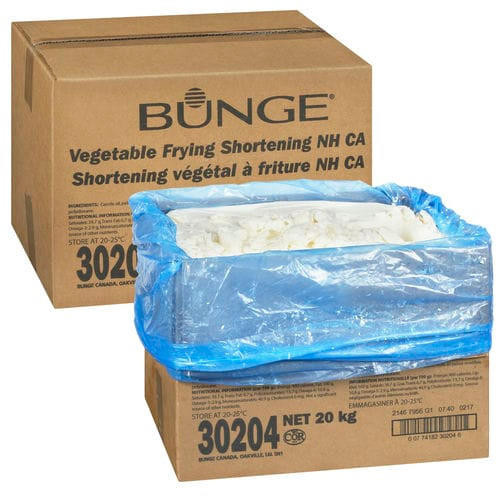
Solid shortenings require less space than large drums. They are easier to handle in tight kitchens. Liquid oils need secure storage to prevent spills and contamination risks.
Understanding Smoke Points And Stability
High heat stability prevents rapid oil degradation during busy service periods.
Smoke point indicates when an oil begins to break down. Beef tallow has a high smoke point naturally. This allows it to withstand deep frying temperatures without creating harmful compounds. Seed oils vary widely in their thermal resistance levels. Some refine processes increase stability while others do not.
Polymerization is the process where fats form a gum on surfaces. Stable fats resist this buildup better than unstable ones. Less polymerization means easier cleaning and longer equipment life. You spend less time scrubbing fryer walls. Your maintenance team appreciates the reduced labor intensity during end-of-day cleanup routines.
Oxidation leads to rancidity and off-flavors in stored oil. Beef tallow resists oxidation better than many polyunsaturated seed oils. This stability extends shelf life significantly. You can store bulk quantities without worrying about rapid spoilage. Proper storage conditions further enhance the longevity of your supply inventory.
Impact On Food Taste And Texture
The frying medium directly influences the final taste and mouthfeel.
Beef tallow imparts a savory richness to fried foods. Many customers associate this taste with traditional cooking methods. It enhances the natural flavors of potatoes and meats. Seed oils remain neutral, allowing the ingredient to shine through. Your choice depends on the desired culinary outcome for each specific dish.
Crispiness is a key factor in fried food satisfaction. Tallow often creates a thicker, crunchier crust due to its fat composition. Seed oils may produce a lighter, less substantial coating. Test both options with your standard recipes. Gather feedback from staff and regular patrons to determine preference.
Mouthfeel affects the overall eating experience significantly. Fats coat the palate differently based on their saturation levels. Tallow feels richer and more satisfying to some eaters. Neutral oils feel lighter and less heavy after consumption. Consider your customer demographics when making this operational decision for your menu.
Sourcing Reliable Canadian Frying Supplies
Local suppliers ensure consistent quality and reduce logistical delays.
Canadian suppliers adhere to strict food safety regulations. This ensures every batch meets national quality benchmarks. You receive products that are safe for commercial use. Local sourcing reduces the carbon footprint of your inventory. It also supports the domestic agricultural economy in a meaningful way.
Consistency is vital for large-scale kitchen operations. Fluctuating oil quality disrupts cooking processes and food outcomes. Reliable suppliers provide uniform batches every time. This predictability simplifies recipe management and staff training procedures. You avoid surprises when preparing high-volume orders for events.
Logistical efficiency matters in dynamic commercial environments. Local distribution centers reduce transit times significantly. Faster delivery means less need for massive on-site storage. You can order more frequently with smaller quantities. This approach improves cash flow and reduces warehousing space requirements.
Evaluating Long-Term Value Proposals
Initial price is only one part of the total cost equation.
Frying medium lifespan affects overall operational expenses directly. Stable fats last longer between changes and filters. Fewer changes mean lower waste disposal costs. You also save on labor hours spent managing oil levels. These hidden savings add up over a fiscal quarter significantly.
Energy efficiency is another important cost factor. Some oils require higher temperatures to achieve desired results. Higher heat settings increase utility bills substantially. Stable fats allow for consistent cooking at optimal temps. This balance reduces energy consumption without compromising food quality outcomes.
Equipment longevity ties into frying medium selection too. Aggressive oils can damage fryer heating elements faster. Gentle, stable fats protect your expensive kitchen investments. Extending equipment life delays costly replacement cycles. Smart sourcing decisions pay dividends in capital expenditure savings.
Meeting Canadian Food Safety Protocols
Compliance with local regulations is non-negotiable for commercial kitchens.
Health Canada sets strict standards for food additives. Frying oils must meet these criteria consistently. Reputable suppliers provide documentation proving compliance. This protects your business from legal liabilities. It also assures customers of safe dining experiences every visit.
Labeling accuracy is essential for inventory management. Clear markings help staff identify products quickly. Misidentification can lead to cooking errors and waste. Ensure all incoming shipments have legible, accurate labels. This simple step prevents costly mistakes in the kitchen environment.
Allergen control involves understanding oil processing methods. Some facilities process multiple allergens together. Cross-contamination risks must be managed carefully. Verify supplier practices regarding shared equipment usage. This diligence protects guests with specific dietary restrictions effectively.
Optimizing Frying Operations Daily
Simple habits improve efficiency and food quality significantly.
Regular filtration extends oil life considerably. Remove food particles daily to prevent burning. Clean filters maintain clarity and reduce smoke production. This simple task improves air quality in the kitchen. Staff comfort increases when breathing easier during busy service periods.
Temperature monitoring prevents under or overcooking. Use reliable thermometers for accurate readings. Consistent heat ensures uniform texture across batches. Undercooked food poses safety risks to consumers. Overcooked food burns and wastes valuable ingredients unnecessarily.
Storage conditions impact oil freshness significantly. Keep containers sealed tightly when not in use. Store away from direct sunlight and heat sources. Cool, dry areas preserve quality best. Proper storage reduces oxidation rates and maintains flavor integrity.
Comparing Frying Medium Attributes
Review these key differences to inform your purchasing decisions.
| Attribute | Beef Tallow | Canola Oil | Blended Options |
|---|---|---|---|
| Smoke Point | High | Medium-High | Variable |
| Flavor Profile | Savory, Rich | Neutral | Balanced |
| Shelf Stability | Excellent | Good | Very Good |
| Crispiness Level | Thick Crust | Lighter Finish | Moderate |
| Price Consistency | Stable | Fluctuates | Stable |
| Cleanup Ease | Requires Solvent | Easier | Moderate |
| Local Availability | High | High | High |
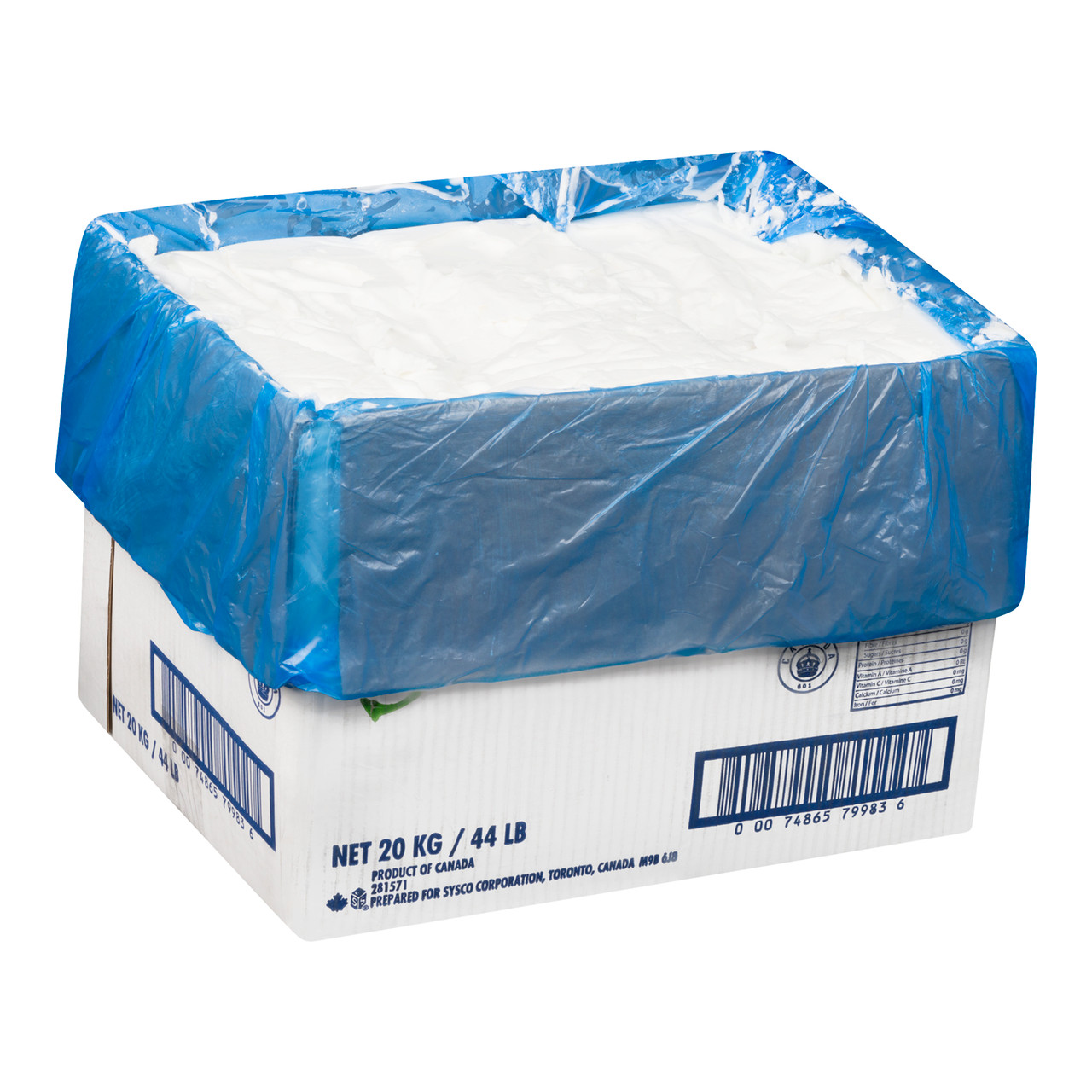
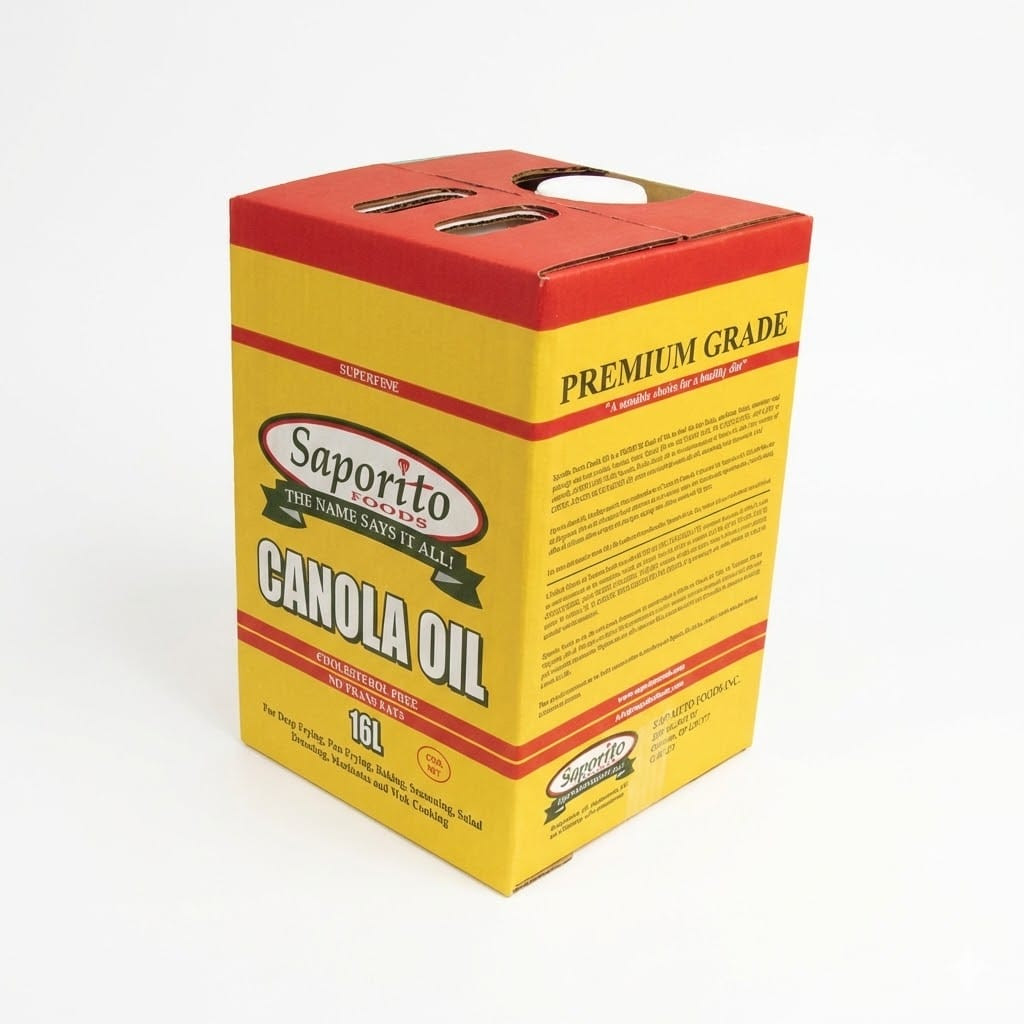
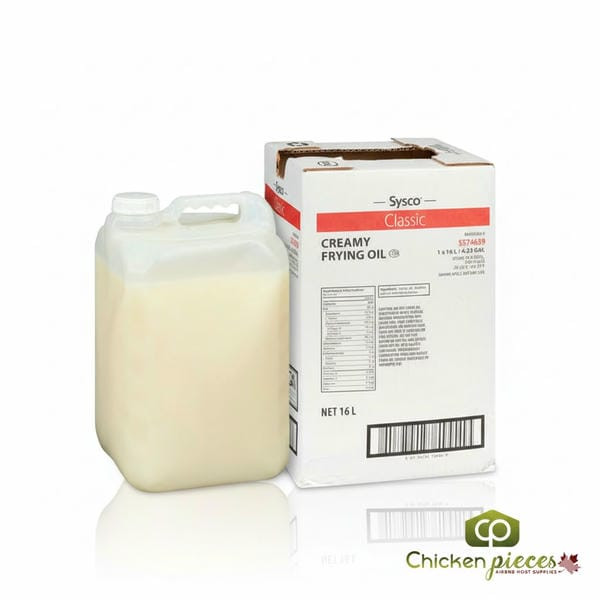
Explore Our Frying Supply Range
Browse our complete selection of commercial-grade oils and shortenings.





People Also Ask
Real questions buyers search before they order — answered straight.
Are foods fried in tallow actually healthier than those fried in seed oil?
Opinion is genuinely divided and the science on frying fats keeps evolving, so there is no simple yes or no. Tallow is a stable fat that fries well, while seed oils bring different fatty-acid profiles; for a menu what usually matters most is flavour, performance, and customer preference. Frame any health claims carefully. This is general information, not dietary or medical advice.
What are the downsides of switching a fryer to tallow?
Tallow is solid at room temperature, so it needs gentle melting and careful handling, and it is not suitable for vegetarian or vegan menus. Some kitchens also find it firms up in cooler conditions, which affects storage and cleaning. Weigh those practical points against the flavour and frying performance you gain.
How much tallow does it take to fill a commercial fryer?
It matches your fryer's oil capacity — tallow fills the same volume the manufacturer lists for liquid oil, just measured as a solid fat that you melt down. Check the fryer's stated capacity and keep enough on hand to top up as it is used. Holding the level correct protects both the fat and the frying results.
Why are some operations switching back to tallow for frying?
A number of kitchens have returned to tallow for its flavour, its crisp results, and a simple single-ingredient fat that fits a traditional menu position. For some it is also a point of difference customers notice. Whether it fits depends on your menu and any dietary requirements.
Does tallow need to be handled differently from liquid oil in a fryer?
Yes — because it is solid when cold, tallow should be brought up to temperature gently to avoid scorching, and lines or filters kept warm so it does not set. Once melted, it fries much like any other fat. A slow, even heat-up is the main change to your routine.
Is tallow one of the healthier fats to deep-fry in?
It is a stable fat that resists breakdown at frying heat, which some see as an advantage, but healthiest is contested and depends on the whole diet, not one ingredient. Nutrition guidance on saturated fats continues to be debated. Decide based on current advice and your menu. This is general information, not dietary or medical advice.
What Canadian Kitchen Managers say
Here is what industry professionals say about our service.
Switching to their beef tallow improved our fryer life significantly. The oil lasts longer between changes, reducing waste. Our staff loves the easier cleanup process now. Highly recommend for any busy kitchen operation seeking efficiency.
Delivery was incredibly fast and reliable. We needed bulk canola oil urgently for an event. They had it in stock and shipped same day. The product quality is consistent every time we order. Great partner for our facility management team.
The variety of options helped us find the perfect fit. We tested both tallow and blended oils for different menu items. Customer feedback has been overwhelmingly positive on texture improvements. Excellent support from their sales team too.
Frying Medium Selection: Frequently Asked Questions
The following operator questions are answered with cited sources. Every FAQ links to Health Canada, CFIA, Canada.ca, or another authoritative regulator.
What is the smoke point of beef tallow compared to canola oil?
Source: Does Beef Tallow Have a High Smoke Point? - Chef's Resource
Is beef tallow actually healthier than seed oils for deep frying?
Source: The Great Seed Oil Debate of 2025 - r/KitchenConfidential
Can you mix beef tallow with vegetable oil for deep frying?
Source: French fries with beef tallow with seed oil mix? - r/Cooking
How much does beef tallow cost in bulk for Canadian restaurants?
Why did restaurants switch from tallow to seed oils?
Source: What's the deal with beef tallow making a comeback? - r/OutOfTheLoop
Does beef tallow make french fries taste better?
Is beef tallow worth the extra cost for a Canadian restaurant?
Source: Is it worth the exorbitant cost? Switching away from seed oils - r/restaurantowners
How long does beef tallow last in a commercial deep fryer?
What is the best oil for commercial deep frying in Canada?
Source: I've succumbed to beef tallow propaganda - r/KitchenConfidential
Where can Canadian restaurants buy beef tallow in bulk?
Related guides from ChickenPieces
Why Partner With Us
We provide reliable supply chain solutions tailored to Canadian commercial kitchens.
Local Expertise
Our team understands regional needs. We source locally where possible. This ensures freshness and supports community economies. You get products suited for your specific climate and usage patterns.
Fast Fulfillment
Orders process quickly from our Calgary warehouse. Same-day shipping is often available. This speed keeps your kitchen stocked. Never face empty shelves during critical service hours again with us.
Quality Assurance
Every product undergoes strict quality checks. We verify freshness and purity before dispatch. You receive only the best materials for cooking. Trust in our rigorous selection process for peace of mind.
Compliance Focus
All items meet Health Canada standards strictly. We ensure full regulatory compliance for your safety. Documentation is provided with every shipment. This protects your business from potential legal issues effectively.
Request A Custom Quote Today
Contact our team to discuss your specific needs. We will tailor a supply plan that fits your budget and operational goals perfectly.
Request a QuoteAuthoritative References