
1970 Jan 1st
Norovirus Prevention for Canadian Restaurant Kitchens
Norovirus requires specific disinfectants to eliminate effectively. Standard cleaners often fail against this hardy virus. You must use bleach-based products or EPA-registered virucides on all high-touch surfaces immediately after any incident to prevent spread.
Norovirus Prevention for Canadian Restaurant Kitchens: Cleaning Protocols
This guide helps restaurant managers and facility operators implement strict cleaning routines that prevent viral outbreaks and ensure a safe environment for everyone.
Key Takeaways
Here are the key steps for effective viral control.
Use Bleach-Based Cleaners
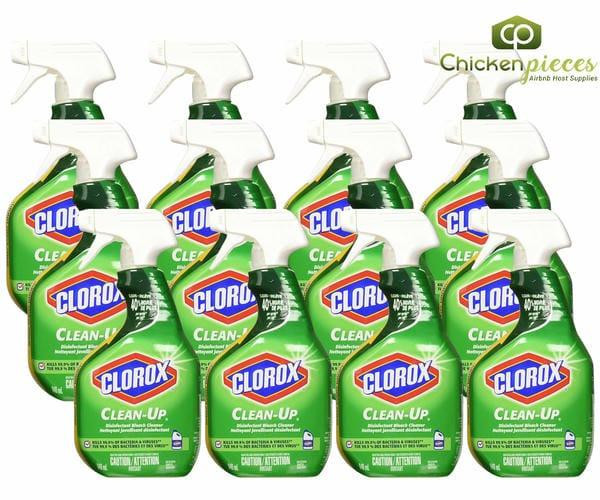
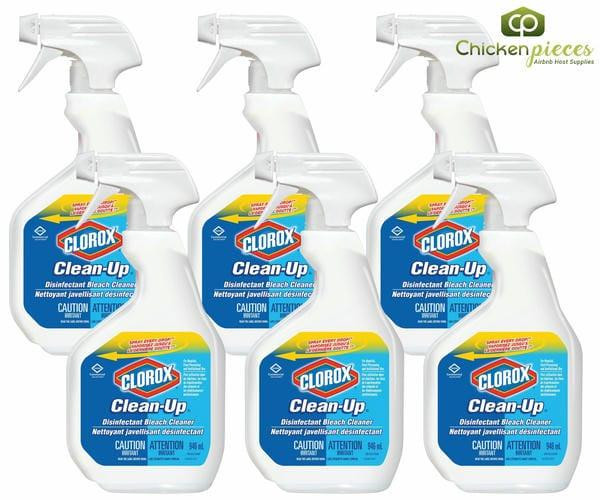
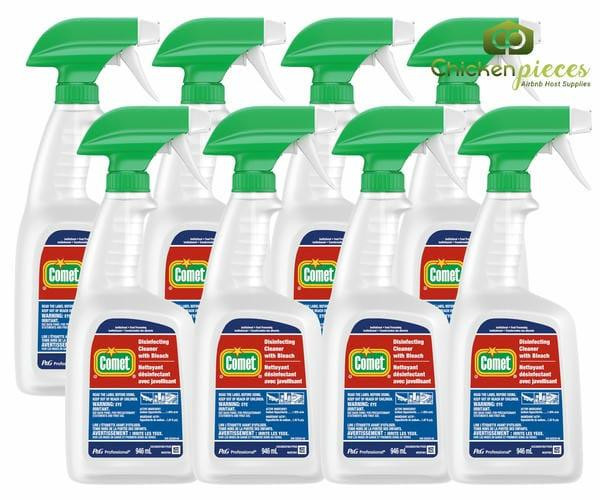
Bleach remains the most reliable agent against norovirus. Ensure your cleaning staff uses ready-to-use bleach sprays on all hard surfaces during deep cleaning sessions to kill the virus effectively.
Clean High-Touch Areas First
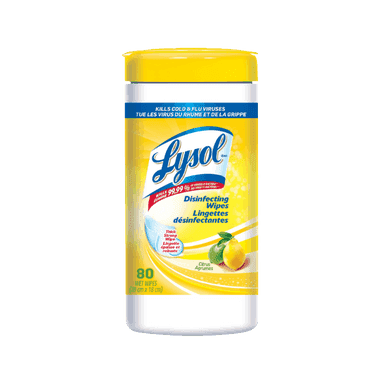
Focus on door handles, light switches, and railings first. These areas harbor the most pathogens. Use disinfectant wipes for quick treatment of these specific spots throughout the day to maintain safety.
Replace Cleaning Tools Often
Mops and cloths can spread contamination if reused improperly. Dispose of single-use wipes immediately. Wash reusable tools in hot water with disinfectant between rooms to prevent cross-contamination across your facility.
Ventilate Spaces Thoroughly
Open windows or use exhaust fans during cleaning. Proper ventilation helps remove aerosolized particles that may contain the virus. This step reduces airborne transmission risks significantly for both staff and guests.
Train Staff Regularly
Ensure every team member knows the protocol. Training on proper PPE usage and application methods is vital. Consistent practice prevents errors that could lead to outbreaks during busy service periods in your kitchen.
Post Incident Response Plan
Have a clear checklist for when illness occurs. Isolate the area, increase disinfection frequency, and monitor staff health. A proactive plan minimizes downtime and protects your reputation with customers and regulators alike.
Why Norovirus Threatens Commercial Kitchens
This virus spreads easily through contaminated surfaces and food handling errors.
Norovirus is highly contagious and resilient. It survives on surfaces for days without proper disinfection. In commercial kitchens, this poses a significant risk due to high turnover and shared equipment. One infected worker can contaminate multiple areas quickly if protocols fail. Understanding the severity helps justify strict cleaning measures.
The virus enters the body through ingestion of contaminated food or water. It can also spread via aerosols from vomit or feces. Kitchen staff handle raw ingredients and utensils constantly. Without rigorous hygiene, cross-contamination becomes inevitable. This leads to widespread illness outbreaks that shut down operations temporarily.
Prevention relies heavily on environmental cleaning. Personal hygiene alone is insufficient because surfaces remain infectious long after an incident. Restaurants must treat every surface as a potential vector. Regular deep cleaning with appropriate chemicals breaks the transmission cycle effectively.
Selecting Effective Disinfectants for Viral Control
Not all cleaners kill norovirus; you need specific active ingredients.
Bleach-based cleaners are highly effective against norovirus. They break down the viral capsid, rendering it harmless. Ensure the product contains enough sodium hypochlorite to meet health standards. Ready-to-use sprays offer convenience without mixing errors that dilute potency.
Quaternary ammonium compounds are common but less reliable for norovirus. Some formulations work, but many do not kill this specific virus. Check labels carefully for virucidal claims. Do not assume general disinfectants provide adequate protection against such resilient pathogens in your facility.
Citrus-based cleaners offer a pleasant scent and good degreasing power. However, they may lack the strength needed for viral elimination. Use them for routine maintenance but switch to stronger agents during outbreaks or deep cleaning. Balance efficacy with user comfort and safety concerns.
Proper Application Techniques for Maximum Safety
How you apply the cleaner matters as much as the product.
Apply disinfectant generously to cover all surfaces completely. Missed spots allow viruses to survive and spread. Use sprays or wipes that provide even distribution. Ensure the surface remains wet for the recommended contact time listed on the label. Wiping too soon reduces effectiveness drastically.
Work from cleanest areas to dirtiest ones. Start with floors, then counters, then equipment. This prevents dragging contaminants into already cleaned zones. Change cloths frequently to avoid redepositing germs. Systematic movement ensures comprehensive coverage without recontamination risks.
Personal protective equipment is non-negotiable during cleaning. Wear gloves, masks, and eye protection when handling strong chemicals. This protects staff from chemical exposure and potential viral contact. Proper PPE usage reduces health risks and ensures compliance with workplace safety regulations.
Maintaining Cleaning Tools to Prevent Spread
Dirty tools spread germs; clean them properly after every use.
Mops and vacuums trap debris and microbes. If not cleaned regularly, they become sources of contamination. Wash mop heads in hot soapy water after each shift. Inspect vacuum filters and brushes for buildup. Regular maintenance keeps tools effective and hygienic.
Disposable wipes offer a safer alternative for high-risk areas. They eliminate the need to launder cloths between uses. Ensure bins are lined and sealed to contain waste. Dispose of full bags promptly to avoid odor and leakage issues in your storage areas.
Vacuum cleaners should be emptied into sealed bags. Shake out dust outside if possible. Clean the canister or bag area with disinfectant. This prevents allergens and microbes from recirculating into the air. Proper vacuum care supports overall indoor air quality.
Training Staff on Hygiene Best Practices
Consistent performance requires clear instructions and regular reinforcement.
Employees must understand the importance of hygiene. Training sessions should cover proper handwashing, PPE usage, and chemical handling. Demonstrate techniques rather than just describing them. Hands-on practice ensures retention and correct execution during actual cleaning tasks.
Regular refreshers keep knowledge current. New hires need orientation on safety protocols. Seasonal updates address emerging health concerns or regulatory changes. Consistent communication fosters a culture of cleanliness where everyone takes responsibility for maintaining standards.
Feedback loops improve performance over time. Supervisors should observe cleaning routines and provide constructive criticism. Recognize efforts that exceed expectations. Positive reinforcement encourages continued adherence to strict hygiene protocols across all shifts.
Ensuring Compliance with Health Regulations
Local laws dictate minimum cleaning standards for food service.
Health Canada sets guidelines for food safety. Adhering to these ensures legal compliance and public trust. Regular audits verify that cleaning schedules are followed. Inspectors look for evidence of systematic maintenance. Keep records accessible for review at any time.
CFIA oversees import and processing standards. While less relevant for retail kitchens, understanding their rules helps with supply chain hygiene. Ensure purchased supplies meet national quality benchmarks. This reduces risks associated with contaminated inputs entering your facility.
Local bylaws may add specific requirements. Check municipal health department websites for updates. Some jurisdictions mandate particular disinfectants or frequencies. Staying informed prevents fines and operational disruptions caused by non-compliance issues.
Comparison of Cleaning Products
Compare key features to choose the right product for your needs.
| Product Type | Active Ingredient | Coverage Area | Best Use Case |
|---|---|---|---|
| Bleach Spray | Sodium Hypochlorite | Hard Surfaces | Deep Disinfection |
| Ready-To-Use Bleach | Sodium Hypochlorite | Floors and Walls | Large Area Cleaning |
| Disinfectant Wipes | Quats/Bleach | High-Touch Points | Quick Spot Cleaning |
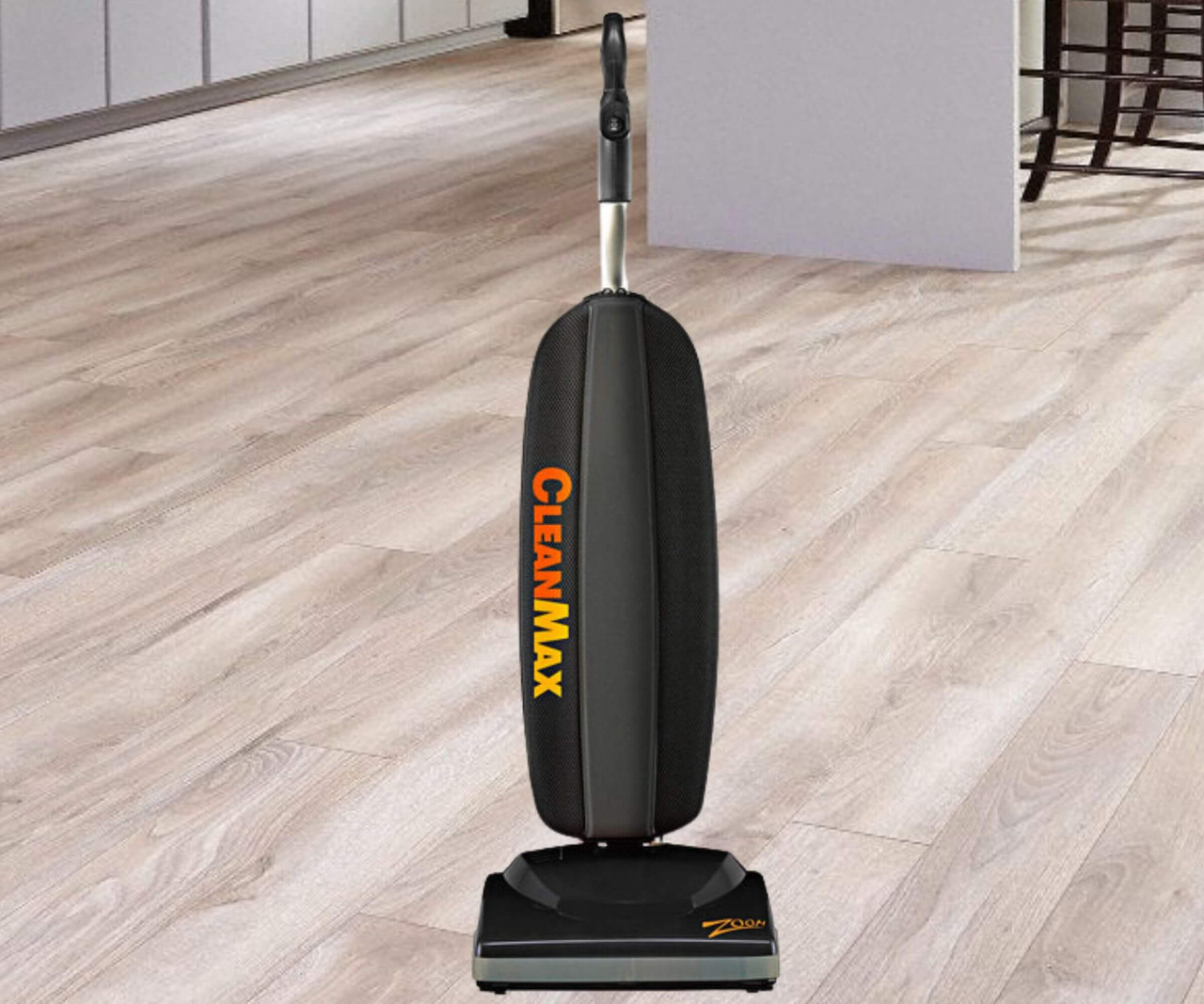
| Upright Vacuum | None (Mechanical) | Carpets and Rugs | Dust Removal |
| Professional Vacuum | None (Mechanical) | Heavy Traffic Areas | Commercial Floor Care |
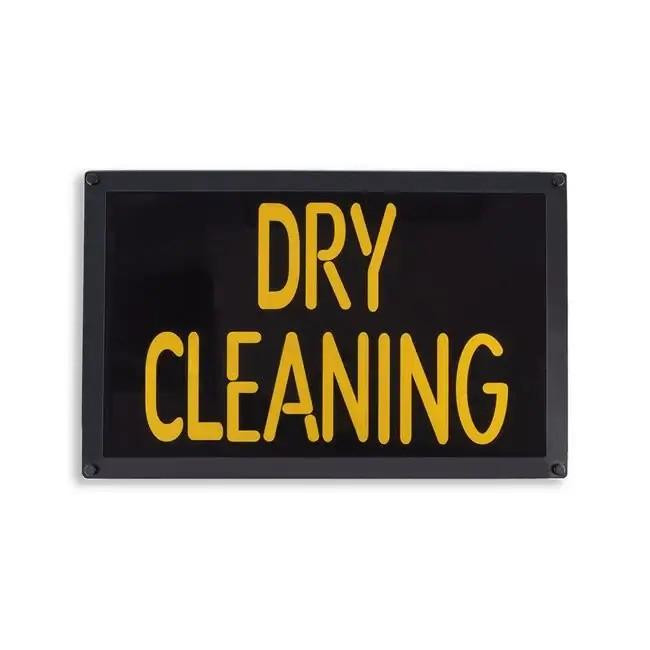
| Slim LED Sign | Electric Light | Restroom Entrances | Status Communication |
| EcoClean Disinfectant | Green Chemistry | General Surfaces | Eco-Friendly Cleaning |
| Comet Spray | Bleach/Enzymes | Kitchens and Baths | Stain Removal |
Shop Essential Cleaning Supplies
Browse our selection of professional-grade cleaning products designed for commercial kitchens.



People Also Ask
Real questions buyers search before they order — answered straight.
How is norovirus transmitted in a food-service setting?
Norovirus mainly spreads by the faecal-oral route, so it passes on when tiny traces from an infected person reach the mouth, often through unwashed hands, contaminated food or drink, or touched surfaces. In a kitchen, an unwell food handler preparing ready-to-eat items is one of the most common ways it reaches guests. Thorough handwashing, keeping unwell staff away from food, and cleaning shared surfaces are the core defences.
What are the first signs of norovirus?
Norovirus usually comes on suddenly, with the main signs being nausea, vomiting, watery diarrhoea, and stomach cramps, sometimes alongside a mild fever, aches, or headache. Symptoms tend to appear roughly a day or two after exposure and often hit hard and fast. Anyone showing these signs should stay away from food handling and follow local public-health advice.
How long is someone with norovirus contagious?
A person is most contagious while they have symptoms and for at least 48 hours after symptoms stop, and traces can linger for a while longer. This is why many food-safety guidelines ask staff to stay off work until they have been clear of vomiting and diarrhoea for a full 48 hours. Checking your local public-health or food-safety rules gives the exact return-to-work window for your area.
Does hand sanitiser kill norovirus?
Alcohol hand sanitiser is not very effective against norovirus on its own, because the virus resists alcohol better than many germs do. Proper handwashing with soap and warm water for at least 20 seconds is the reliable method, with sanitiser used only as an extra step, never a replacement. Keeping plenty of soap and paper towels at every sink is the practical way to keep hands genuinely clean.
Is norovirus the same as food poisoning?
Norovirus is one very common cause of what people call food poisoning, but the term covers many different bugs, so they are not identical. Norovirus is a virus that spreads extremely easily person-to-person as well as through food, which sets it apart from some other causes. Either way, the response in a kitchen is similar: isolate the source, clean thoroughly, and keep unwell staff away from food.
How can a kitchen prevent norovirus outbreaks?
Prevention rests on a few habits: frequent, thorough handwashing, a firm policy of keeping unwell staff away from food, gloves for ready-to-eat items, and regular cleaning of high-touch surfaces. Having soap, paper towels, gloves, and suitable cleaning supplies always in stock makes these routines easy to keep up during a busy service. A clear sickness policy that staff actually follow is often the single biggest protection.
What Canadian Restaurant Managers say
See what other facility managers say about our products.
The bleach spray works incredibly well on our kitchen floors. We noticed a significant drop in sick days among staff after switching to this product during flu season last winter.
These disinfectant wipes are perfect for quick touch-ups between services. They leave no residue and smell fresh, which our customers appreciate when walking through the dining area.
The upright vacuum handles heavy foot traffic areas with ease. It picks up debris efficiently without clogging, saving our cleaning team valuable time during their nightly shifts.
Norovirus Cleaning FAQs: Frequently Asked Questions
What bleach concentration kills norovirus on restaurant countertops?
Source: Source
Does alcohol hand sanitizer work against norovirus?
Source: Source
How long should sick kitchen staff stay home with norovirus?
Source: Source
Which Health Canada DIN-registered disinfectants kill norovirus fastest?
Source: Source
Can I use quat sanitizers (200 ppm) against norovirus in my dishwasher?
Source: Source
How do I clean up vomit safely in my restaurant kitchen?
Source: Source
What is a bleach-free alternative for norovirus disinfection in food prep areas?
Source: Source
Can norovirus survive on surfaces for 2 weeks? How do I break the cycle?
Source: Source
Related guides from ChickenPieces
Why Buy From ChickenPieces
We provide reliable supplies and expert support for Canadian businesses.
Local Calgary Stock
Our warehouse holds ample inventory of essential cleaning products. Fast local shipping ensures you receive orders quickly without long delays or unexpected interruptions to your operations.
Expert Customer Service
Our team understands commercial cleaning challenges. We offer personalized advice on product selection and usage to help you maintain high hygiene standards efficiently.
Bulk Pricing Options
Buying in bulk reduces unit costs significantly. We offer competitive rates for large orders, helping your business manage expenses while stocking up on necessary supplies.
Regulatory Compliance
All products meet Health Canada and CFIA standards. This ensures you are using safe, approved items that comply with national regulations for food service environments.
Request a Quote Today
Contact us to discuss your specific cleaning needs. We will provide a custom quote tailored to your facility's requirements and budget.
Request a QuoteAuthoritative References