
2026 Jul 5th
Fall Prevention Checklist for Seniors at Home This Winter
Prevent senior falls by installing grab bars, using non-slip mats, and providing stable mobility aids like knee walkers. Check lighting and remove trip hazards immediately. Proper equipment reduces injury risk significantly during icy conditions.
Fall Prevention Checklist for Seniors at Home This Winter
This guide helps facility managers and Airbnb hosts select proper fall prevention equipment to keep elderly residents safe during icy Calgary winters and snowy conditions.
Key Takeaways
Review these key safety measures to protect your residents.
Check Flooring Stability
Ensure all carpets are secured and hardwood floors have non-slip treatments. Loose rugs cause many accidents. Regular inspections prevent slips before they happen during daily activities.
Install Grab Bars
Place sturdy bars in bathrooms and hallways. They provide stability for seniors moving around. Proper installation is vital for safety during wet or icy weather conditions inside homes.
Use Mobility Aids
Select durable walkers or commodes suited to user weight limits. These tools offer support on uneven surfaces. Correct fit ensures comfort and reduces strain on joints during winter months.
Improve Indoor Lighting
Bright lights help seniors see obstacles clearly. Install night lights in hallways and bathrooms. Good visibility prevents trips over cords or furniture when moving in low light conditions.
Clear Pathways Daily
Remove clutter from walking routes immediately. Keep shoes organized and away from doors. Clear paths reduce trip hazards significantly, especially when tracking snow or ice into entryways.
Test Equipment Regularly
Inspect all mobility devices for wear and tear before use. Tighten bolts and check wheels. Reliable equipment prevents unexpected failures that could lead to serious falls or injuries at home.
Identify High-Risk Areas in Your Facility
Start by walking through common areas to spot potential hazards that could cause falls during winter months.
Winter brings unique challenges for senior safety indoors. Icy conditions outside often lead to wet floors inside. Water and snow tracked in create slippery surfaces quickly. Facility managers must prioritize entryway management. Mats should be absorbent and secure against movement. Regular checks prevent accidents before they occur.
Bathrooms pose significant risks due to water exposure. Grab bars provide essential support for seniors using toilets or showers. Proper installation anchors them securely into wall studs. Inspect these fixtures monthly for stability issues. Loose fittings can fail under pressure, causing serious harm. Ensure all hardware remains tight and functional.
Hallways need adequate lighting to prevent trips over objects. Shadows hide obstacles that seniors might not see clearly. Install motion-sensor lights if possible for convenience. Keep pathways free of clutter at all times. Cords and wires should be tucked away safely. Clear routes reduce accident probability significantly during evening hours.
Select Appropriate Mobility Support Equipment
Pick durable devices that match the weight capacity and mobility needs of your residents or guests.
Mobility aids must withstand daily use without failing. Heavy-duty materials like stainless steel offer longevity. Look for devices with wide bases for stability. Wheels should lock securely when stationary. Adjustable heights accommodate different user needs comfortably. Proper fit ensures ease of movement and reduces fatigue during transfers between surfaces.
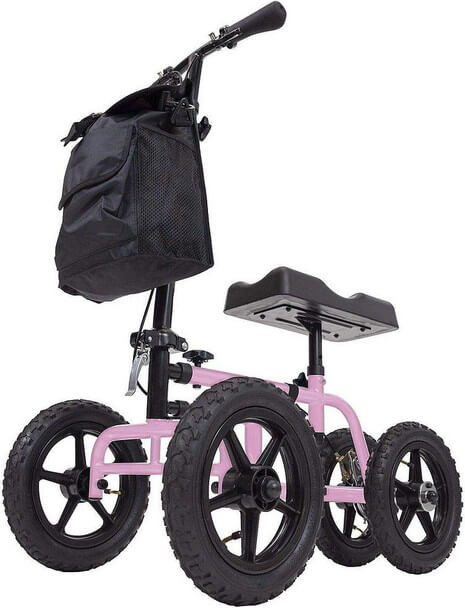
Knee walkers provide excellent support for those recovering from injuries. They allow mobility without putting weight on feet. All-terrain models handle rough surfaces better than standard versions. Choose designs with comfortable padding for prolonged use. Secure handles prevent slipping during transit. These aids promote independence while maintaining safety standards effectively.
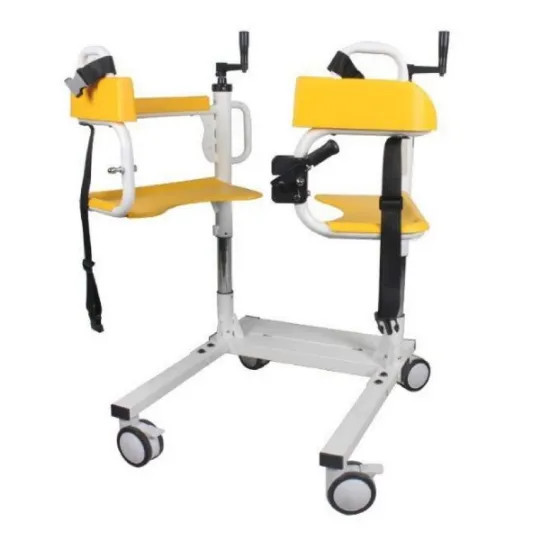
Transfer devices simplify moving seniors from beds to chairs. Mobile commodes combine toilet access with lifting capabilities. Versatile solutions save space in smaller rooms. Ensure mechanisms operate smoothly without jerking motions. Regular maintenance keeps parts functioning correctly. Reliable equipment builds trust among users who depend on it daily.
Adapt Living Areas for Winter Safety
Modify interiors to handle increased moisture and reduce slip risks associated with cold weather activities.
Entryways require special attention during Calgary winters. Remove outer footwear before entering main living spaces. Provide easy-to-access indoor slippers for guests. Clear vestibules of accumulated snow regularly. Install handrails along stairs for additional support. These small changes make a big difference in preventing falls.
Kitchens present hazards through wet floors and steam. Keep cleaning supplies within reach for quick spills cleanup. Ensure cabinets close fully to avoid bumps. Store heavy items on lower shelves for safety. Good ventilation reduces condensation buildup on surfaces. Dry environments minimize slip risks significantly for everyone.
Living rooms should have soft flooring where possible. Area rugs need non-slip backing underneath always. Furniture arrangement allows wide turning spaces for walkers. Avoid sharp corners near high-traffic paths. Cushion hard edges to prevent injury from impacts. Thoughtful design promotes comfort and security simultaneously.
Implement Regular Equipment Inspection Routines
Schedule weekly checks for all mobility aids and safety devices to ensure they remain in optimal condition.
Consistent maintenance extends the life of expensive equipment. Check wheels for debris buildup that affects rolling. Lubricate moving parts according to manufacturer guidelines. Replace worn brake pads immediately for safety. Tighten any loose screws or bolts found during inspections. Preventative care avoids costly repairs later on.
Clean surfaces regularly to remove dirt and germs. Use disinfectants safe for stainless steel materials. Avoid harsh chemicals that might damage finishes. Inspect upholstery for tears or stains needing repair. Hygienic conditions support overall health alongside physical safety. Clean gear feels better to use as well.
Train staff on proper handling procedures clearly. Everyone should know how to adjust equipment correctly. Misuse can cause premature wear or accidents. Provide written instructions near each device if needed. Encourage reporting of any issues promptly by users. Collaborative efforts keep facilities safer for all residents.
Educate Team on Fall Prevention Protocols
Ensure all employees understand their role in maintaining a safe environment for seniors throughout the winter season.
Knowledgeable staff react faster during emergencies. Training sessions should cover basic first aid techniques. Recognizing signs of imbalance is key early on. Intervene gently before a fall occurs if possible. Supportive gestures build confidence in senior residents. Empathy drives better care quality overall significantly.
Communication channels must remain open at all times. Encourage feedback from seniors about comfort levels. Their input reveals hidden hazards you might miss. Act on suggestions promptly to show responsiveness. Trust grows when voices are heard valued. Inclusive practices improve satisfaction scores consistently here.
Documentation supports accountability and continuous improvement. Keep logs of incidents near misses too. Analyze patterns to identify systemic issues needing fixing. Share findings with team members openly. Learning from mistakes prevents recurrence effectively. Transparent culture fosters trust among everyone involved deeply.
Prepare Emergency Response Plans for Winter
Develop clear procedures for handling falls and other accidents that may occur due to harsh weather conditions.
Winter storms can disrupt normal service routines. Have backup plans for heating and power failures. Ensure generators are tested before cold snaps hit. Stock essential supplies like blankets and warm drinks. Comfort measures help reduce stress during outages. Preparedness minimizes impact on vulnerable populations effectively.
Coordinate with local emergency services regularly. Share facility layout maps for quick navigation. Designate assembly points for evacuation if needed. Practice drills ensure everyone knows their roles. Familiarity reduces confusion during high-pressure situations greatly. Safety depends on coordinated action always.
Review insurance policies annually for coverage gaps. Confirm liability protection covers winter-related incidents adequately. Update records as regulations change over time. Compliance demonstrates commitment to legal standards strongly. Protecting assets also protects people involved deeply. Responsible management builds long-term stability reliably.
Mobility Aid Comparison Guide
Compare features of common mobility aids to find the right fit for your seniors.
| Device Type | Weight Capacity | Terrain Suitability | Key Benefit |
|---|---|---|---|
| Mobile Commode Lift | Up to 200lbs | Indoor Smooth Floors | Combined Toilet and Transfer |
| Standard Knee Walker | Varies by Model | Flat Indoor Surfaces | Pain-Free Mobility Support |
| All-Terrain Knee Walker | Higher Load Limits | Rough Outdoor Paths | Versatile Surface Handling |
| Heavy Duty Walker | Over 300lbs | Indoor and Light Outdoor | Maximum Stability Base |
| Rollator with Seat | Standard Weight Range | Smooth Pavement Areas | Rest Stops Included |
| Hoyer Lift Sling | Adjustable Capacity | Bed to Chair Transfers | Reduced Staff Strain |
| Shower Chair Bench | High Durability Rating | Wet Bathroom Environments | Non-Slip Foot Pads |
Browse Safety and Kitchen Supplies
Explore our range of durable equipment designed for professional environments.

People Also Ask
Real questions buyers search before they order — answered straight.
What are the most effective ways to prevent falls at home?
The biggest wins are clearing trip hazards, adding grab rails by the toilet and bath, improving lighting on stairs and landings, and fixing loose rugs or cords. Good footwear and a quick review of medications that cause dizziness matter just as much as any gadget. A home safety check by an occupational therapist often spots risks a family misses and turns them into a simple, ordered to-do list.
What is the number one cause of falls in older adults?
There is rarely one single cause — falls usually happen when several small factors line up, such as weaker balance, poor lighting, a trip hazard, and sometimes a medication side effect. Loss of leg strength and balance with age is the most common underlying thread. Because the causes stack, tackling two or three at once tends to cut the risk far more than fixing just one.
What should you do if an elderly person keeps falling?
Repeated falls are a signal to get a proper assessment rather than just watching more closely, since they can point to balance, vision, blood-pressure, or medication issues that a clinician can address. In the meantime, remove the obvious hazards and consider grab rails, better lighting, and a personal alarm. Keeping a simple note of when and where falls happen gives the healthcare team useful clues.
What should you do first if someone has a fall?
Stay calm, check whether they are hurt, and do not rush to lift them — help them stay still and reassured while you assess. If there is any sign of serious injury or they cannot get up safely, call for help rather than lifting by hand, which risks injury to both of you. A proper lifting aid or a trained two-person technique is the safe way to raise someone who cannot get up on their own.
What exercises help prevent falls in older adults?
Balance and leg-strength exercises are the most proven — gentle activities like tai chi, sit-to-stand practice, heel-to-toe walking, and simple standing balance work all help. Done regularly and built up slowly, they improve steadiness and confidence on the feet. It is worth checking with a physiotherapist or doctor before starting, especially after a recent fall or injury.
What equipment helps prevent falls at home?
Common aids include grab rails, non-slip mats, raised toilet seats, shower stools, better stair and night lighting, and bed or chair alarms that alert a caregiver. For some, a personal alarm pendant or a suitable mobility aid adds an extra layer of safety. The right mix depends on where the person struggles most, which is why a room-by-room checklist beats buying gadgets at random.
What Canadian Facility Managers say
See what professionals across Canada say about our products.
The knee walker helped my mother recover quickly after surgery. The all-terrain wheels handled our snowy driveway perfectly without slipping. We felt much safer walking outside despite the harsh winter conditions in Alberta.
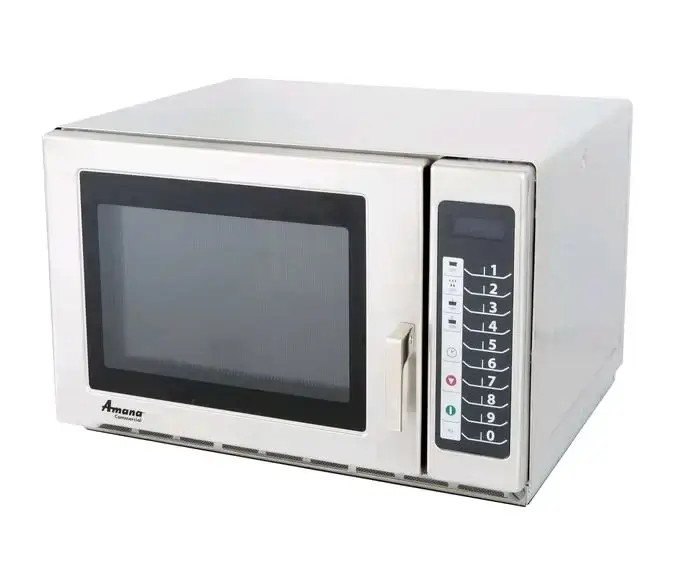
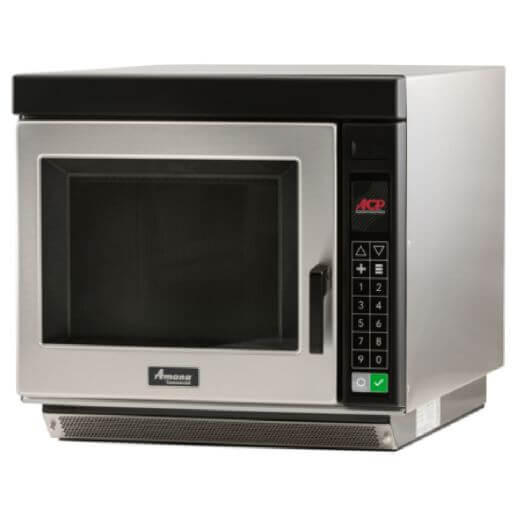
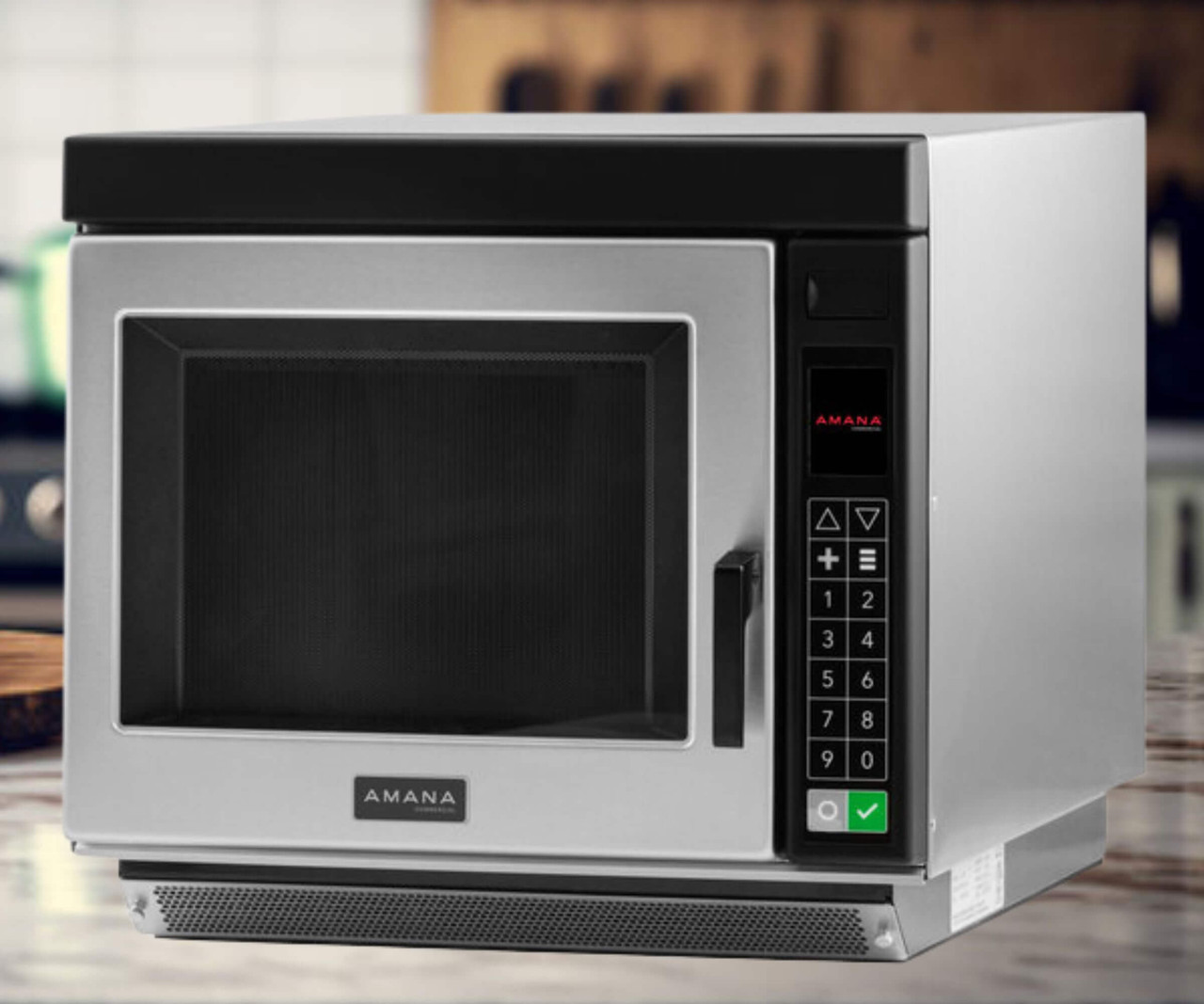
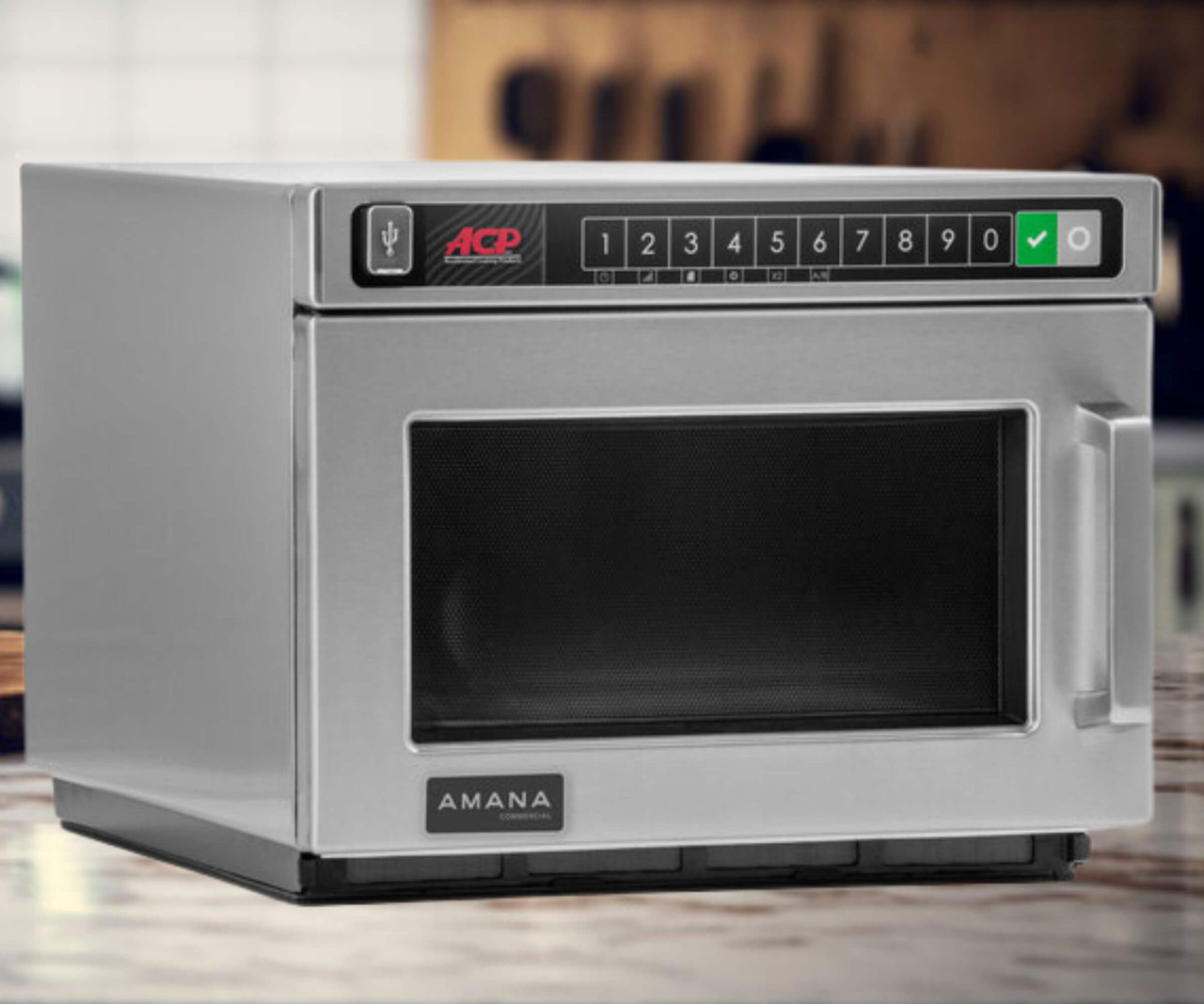
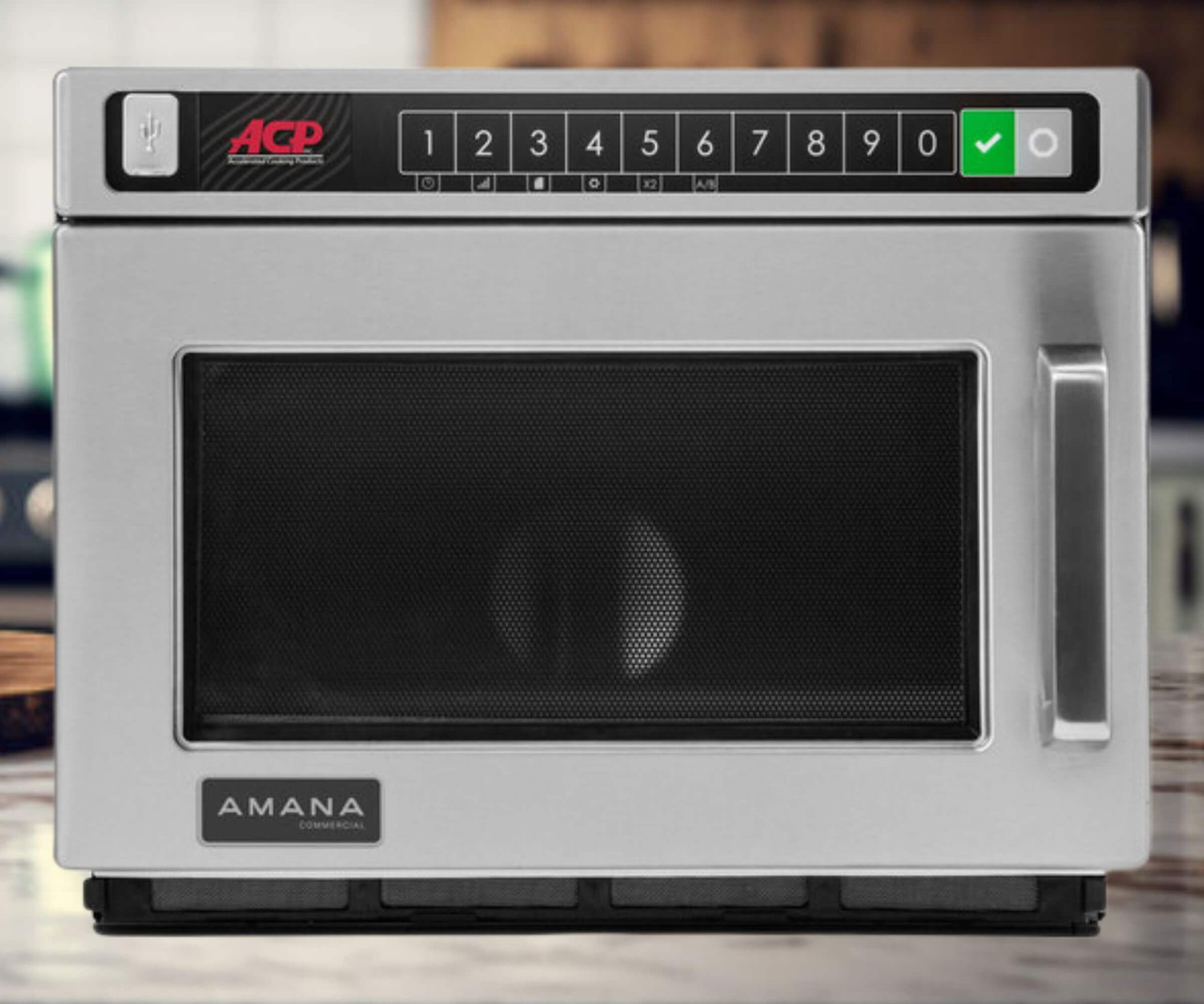
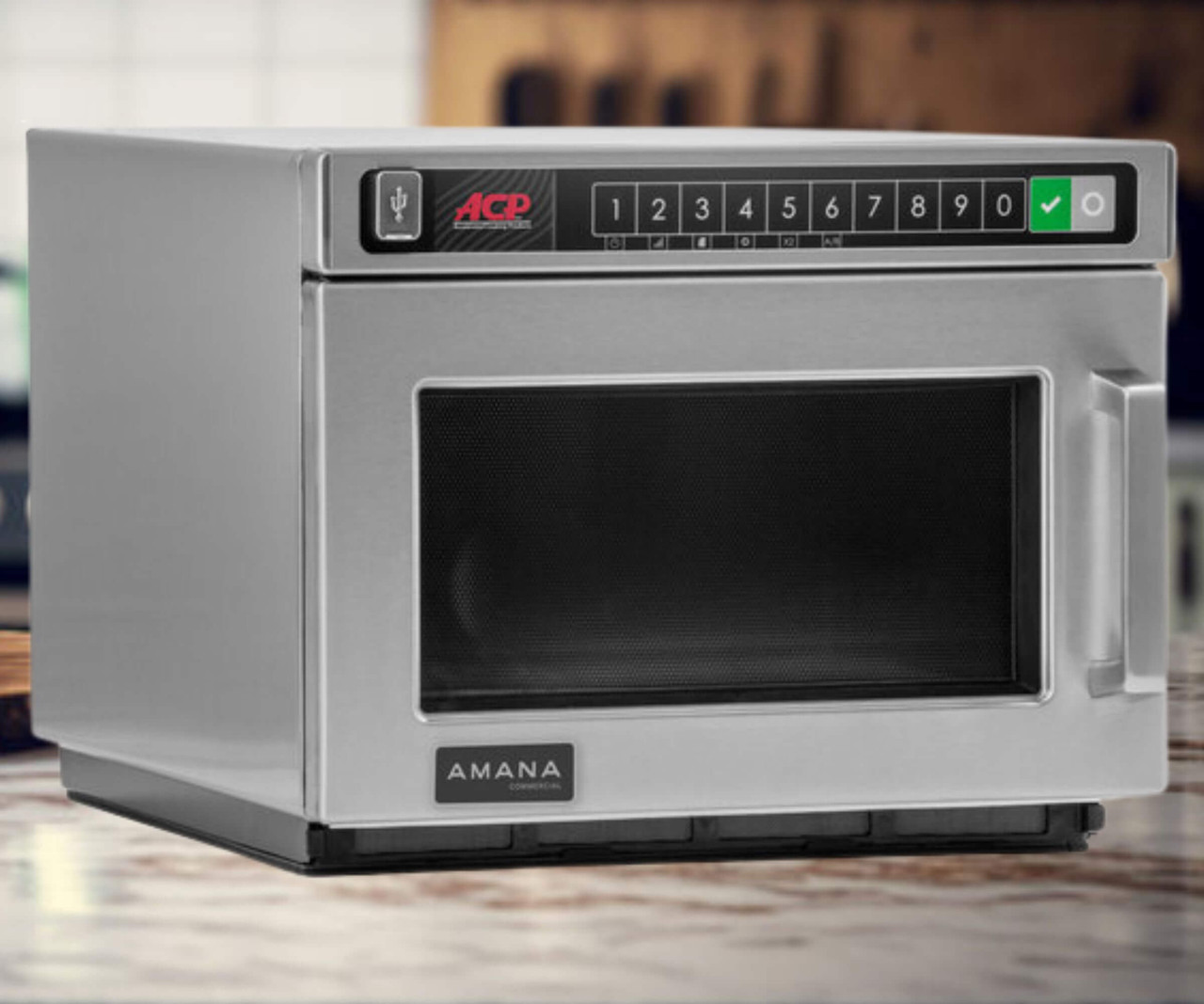
We needed reliable microwaves for our senior living facility kitchen. The heavy-duty models have held up well under constant use. Staff appreciate the solid door design which feels more secure than standard glass doors.
The mobile commode lift transfer device made daily routines easier for our residents. It supports heavier users comfortably and moves smoothly across hardwood floors. Maintenance has been minimal since purchasing this unit last year.
Winter Safety Queries: Frequently Asked Questions
The following operator questions are answered with cited sources. Every FAQ links to the community thread, buyer guide, or regulator page it was researched from.
What should be on a fall prevention checklist for seniors at home?
Products referenced:
- grab bars
- non-slip mats
- bathroom safety
- night lights
What are the best fall prevention products for elderly Canadians?
Products referenced:
- grab bars
- shower chair
- raised toilet seat
- bed rail
- walker
How can I prevent falls in elderly parents during winter in Canada?
Products referenced:
- ice cleats
- walking aid
- medical alert system
- handrails
What bathroom safety products do seniors need to prevent falls?
Products referenced:
- grab bars
- shower chair
- raised toilet seat
- bath transfer bench
What is the best grab bar for a senior's bathroom in Canada?
Products referenced:
- grab bar
- bathroom safety
How do I create a fall prevention plan for an elderly person living alone?
Products referenced:
- grab bars
- shower chair
- medical alert
- raised toilet seat
Are bed rails safe for elderly fall prevention?
Products referenced:
- bed rail
- bed alarm
What is the best medical alert system for seniors in Canada?
Products referenced:
- medical alert system
- fall detection
Related guides from ChickenPieces
Why Choose ChickenPieces for Supplies
We provide reliable equipment tailored for Canadian business needs.
Local Calgary Support
Our team is based in Alberta, offering quick delivery times across the region. Local expertise ensures we understand your specific operational challenges and requirements.
Durable Product Range
We stock heavy-duty items built for commercial use. From microwaves to mobility aids, every product meets high durability standards for daily professional environments effectively.
Competitive Wholesale Pricing
Access bulk discounts without sacrificing quality on essential supplies. Our pricing structure supports budget planning for facility managers and property owners consistently throughout the year.
Regulatory Compliance Focus
All products meet Health Canada or CFIA compliance standards where applicable. We ensure legal safety benchmarks are satisfied, giving you peace of mind regarding operational integrity.
Request Your Quote Today
Contact us to discuss your specific inventory needs. Our team will provide a customized solution for your facility requirements efficiently.
Request a QuoteReferences: Health Canada - Food Chemical Contaminants CFIA - Food Safety for Industry.