
2026 Jul 7th
Best High-Protein Drink for Surgery Recovery in Seniors

Best High-Protein Drink for Surgery Recovery in Seniors
Evidence-based guidance for Canadian caregivers and operators sourcing nutrition support products.
For a senior recovering from surgery, the "best" drink is a high-calorie, high-protein supplement they'll actually finish — because healing tissue and protecting muscle both run on protein. Guidelines suggest older adults recovering from illness or surgery need about 1.2–1.5 g of protein per kg per day (sometimes more under supervision), and it works best spread across meals so each one crosses the muscle-building "leucine threshold." Beyond protein, wound healing also draws on vitamin C, vitamin A and zinc, plus enough calories and fluid. Some products add HMB, but the evidence is limited and mixed. Match the product to the person's condition with their care team. ChickenPieces.com ships bulk protein and nutrition products Canada-wide from Calgary, no membership.
Why operators pick ChickenPieces
- Built for Canadian foodservice and short-term rental operators — not retail.
- No membership, no minimums, transparent per-unit and bulk pricing.
- Spec sheets, MSDS/SDS and compliance documents ship with the order.
- Canada-wide delivery from our Calgary warehouse, including the North and remote postal codes.
Recovery runs on protein
Older adults need more protein after surgery than the standard adult RDA — and they need it spread across meals to actually protect muscle and rebuild tissue.
Key takeaways
Recovering seniors need roughly 1.2–1.5 g/kg/day, up to about 2.0 g/kg/day in severe illness, injury or marked malnutrition — set by a clinician.
Older adults need about 30–40 g of high-quality protein per meal to cross the "leucine threshold" and actually stimulate muscle.
Vitamin C, vitamin A and zinc — plus adequate calories and fluid — support collagen and protein synthesis and immunity.
Combined oral supplement shows promise for pressure-ulcer healing; for surgical wounds, high-quality trial data are still scarce.
May help preserve muscle in sarcopenia, malnutrition, cancer, surgery — but overall evidence is limited and mixed.
Post-op appetite, pain medication and reduced movement often bring constipation. Plan for fibre, fluids and gentle activity.
Why protein comes first after surgery
Recovery is a building project, and protein supplies the raw material — the amino acids used to rebuild tissue, make enzymes and support immune cells. Protein-energy malnutrition can meaningfully impair wound healing, leading to slower healing and a higher risk of infection, which is why adequate protein is considered vital for surgical patients.
Older adults are doubly exposed: they lose muscle with age (sarcopenia), and appetite often drops sharply after an operation, so they can slide backwards fast in the first weeks home. A well-chosen high-protein drink is a simple way to hit the target when a full plate is too much — and to protect the muscle a senior needs to get up, move safely and avoid a fall during recovery.
Recovery starts before the operation, too
Modern surgical care increasingly treats nutrition as part of recovery rather than an afterthought. Enhanced-recovery approaches emphasise arriving at surgery well-nourished and getting back to eating and drinking promptly afterward, because a malnourished patient heals slower and stays in hospital longer.
If a senior has a planned (non-emergency) operation ahead, that's a window to shore up protein and overall nutrition in the weeks beforehand — ideally guided by their surgical team or a dietitian. A high-protein drink can support that "prehabilitation" phase just as it supports recovery afterward. The principle on both sides of surgery is the same: don't let an avoidable nutrition gap slow the healing down.
How much protein does a recovering senior need?
Expert guidance (ESPEN and the PROT-AGE group) suggests older adults with acute or chronic illness need 1.2–1.5 g of protein per kg of body weight per day, and those with severe illness, injury or marked malnutrition may need up to about 2.0 g/kg/day — the higher end always under clinical supervision.
For a 75 kg (about 165 lb) senior, 1.2–1.5 g/kg lands around 90–113 g of protein a day. Hitting that on a post-op appetite usually means spreading protein across meals and adding a high-protein drink or two between them.
| Situation | Suggested daily protein | Roughly, for a 75 kg senior |
|---|---|---|
| Acute or chronic illness / post-surgery | 1.2–1.5 g/kg/day | ~90–113 g |
| Severe illness / injury / marked malnutrition | up to ~2.0 g/kg/day (supervised) | up to ~150 g |
| Kidney disease present | Individualized — may be lower | Set by clinician |
Timing: spread protein to cross the "leucine threshold"
Total daily grams get the headlines, but for older adults distribution is just as important. Ageing muscle is "anabolically resistant" — it responds less to a given dose of protein — so each meal has to clear a higher bar to switch on muscle-building. That bar is the amino acid leucine: research suggests older adults need roughly 3 g of leucine per meal, which translates to about 30–40 g of high-quality protein per meal, at three meals a day.
A common post-op pattern — toast for breakfast, soup for lunch, and all the protein at dinner — can technically total enough grams while still failing to protect muscle, because only one meal crossed the threshold. A high-protein drink is a neat fix for the weak meals: use it to lift breakfast and the mid-afternoon dip, so all three eating occasions do their job.
The wound-healing nutrients: vitamin C, vitamin A and zinc
Protein does the heavy lifting, but a few micronutrients are genuine supporting players. Dietitian-developed wound-healing guidance emphasises getting enough protein, vitamin C, vitamin A and zinc, backed by enough total calories so the body doesn't burn protein for energy.
Vitamin C is an essential cofactor for collagen synthesis and supports immune function and new blood-vessel formation; zinc contributes to collagen and protein synthesis, membrane stability and clot formation. The nuance: a combined oral supplement rich in energy, protein, arginine, vitamin C and zinc has shown promise for pressure-ulcer healing, but for surgical wounds specifically, high-quality randomized data are still scarce. More is not automatically better either — very high doses of some nutrients carry their own risks — so aim for adequacy rather than mega-dosing, and check with a clinician if the person already takes a multivitamin or has been prescribed specific supplements after surgery.
Don't forget calories, fluid and fibre
Protein can't do its job without enough overall energy: if a recovering senior isn't eating enough calories, the body will break down protein (including muscle) for fuel instead of using it to heal. That's why "high-calorie, high-protein" is the standard phrasing for recovery products — the calories protect the protein.
Two other basics get overlooked at home. First, hydration: older adults are prone to dehydration, and it worsens fatigue and confusion; nutrition drinks contribute fluid, but water and other drinks still matter. Second, fibre and bowel regularity: reduced movement, lower food intake and pain medications (especially opioids) frequently cause constipation after surgery, so a recovery plan that includes fibre, fluids and gentle activity — as the care team allows — keeps the whole system moving. A drink is one piece of the picture, not the whole plan.
What about HMB shakes?
HMB (beta-hydroxy-beta-methylbutyrate) is a metabolite of the amino acid leucine that helps signal muscle-protein synthesis and reduce muscle breakdown, which is why it shows up in recovery-marketed shakes. The honest read on the evidence: a systematic review of surgical patients suggested that people with sarcopenia, malnutrition or cancer may benefit, and some trials in older adults report gains in lean mass or strength — but results are inconsistent and the overall evidence remains limited and mixed.
HMB is best viewed as a possible add-on for higher-risk patients under professional guidance, not a must-have. For most recovering seniors, simply hitting the protein and calorie target reliably — and spreading protein across meals — will matter more than whether the shake happens to contain HMB.
Post-op appetite is fragile, so make every sip count — choose a high-calorie, high-protein formula, serve it cold and in small amounts often, and pair it with protein-rich foods (eggs, yogurt, cheese, fish, foodservice) rather than replacing them. Aim a drink at the weakest meal of the day. If a wound is slow to heal, or the person is losing weight or not drinking enough, ask for a registered-dietitian referral rather than stacking supplements on your own.
Ready-to-drink or bulk powder?
Ready-to-drink shakes are the easy button in the first fragile days — no prep, consistent, portion-controlled. Once the person is steadier, bulk protein powder becomes the value play: whey is a complete, well-absorbed protein rich in leucine, while plant-based pea and vegan blends suit dairy sensitivities or preference (choose a complete or blended plant protein to cover the amino acids). Powder also lets you fortify comfort foods the recovering person actually wants — stirred into mashed potatoes, soup, oatmeal or a milkshake.
To compare value, look at cost per gram of protein (container price divided by total grams of protein) rather than package price. A practical routine is RTD early on, transitioning to powder-fortified foods and drinks as appetite returns.
How it works in Canada
Recovery nutrition can run for weeks, so buying in bulk keeps it affordable. ChickenPieces.com stocks bulk protein powders and nutrition-support products and ships Canada-wide from our Calgary hub — no membership or distributor contract — letting families trial a format before committing to a case. Explore the medical food & drinks range, compare bulk whey protein with plant-based pea protein, and pick up fortifiers from the grocery category. For the discharge-day picture, see our companion guide to nutrition drinks after hospital discharge.
Stock up at ChickenPieces.com
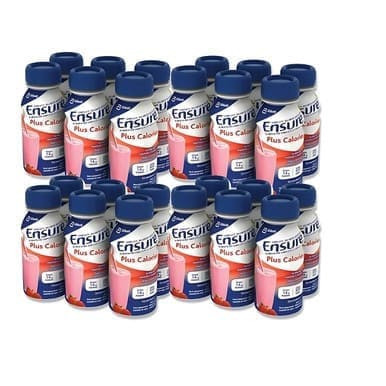
Medical Food & Drinks
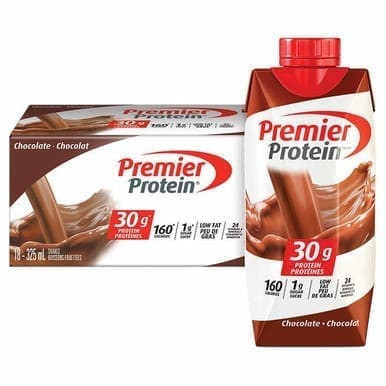
Whey Protein Powder, Unflavored
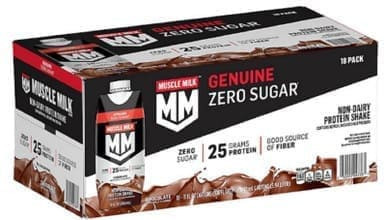
Pea Protein Powder
Grocery
Concession Supplies
Bar & Drink Mixes
What Canadian operators say
"ChickenPieces shipped to our Calgary cafe inside 48 hours — pricing beat our previous supplier on the bulk shortening line. Already reordered."
"Switched our Mississauga commissary to CP for syrups and cleaners. Spec sheets arrive with the order, no chasing. Solid for GTA foodservice."
"Vancouver hotel pantry switched to CP bubble-tea and concession supplies. No membership, transparent pricing, Canada-wide delivery worked for us."
Frequently Asked Questions
The following operator questions are answered with cited sources. Every FAQ links to Health Canada, CFIA, Canada.ca, or another authoritative regulator.
What's the best high-protein drink for elderly recovery after surgery?
Source: Total Knee Replacement Food for Recovery - r/Kneereplacement
Does increasing protein intake help elderly patients recover faster from surgery?
Is Ensure or Boost better for elderly post-surgery recovery?
Source: Any suggestions on supplements that aren't too sweet for elderly? - r/dietetics
How much protein does a senior need daily after hip or knee replacement?
Source: Total Knee Replacement Food for Recovery - r/Kneereplacement
Can elderly patients live on Ensure alone after surgery?
Source: Can I live on boost or ensure type shakes only? - r/ARFID
What are the Canadian hospital discharge nutrition protocols for seniors after surgery?
Source: Malnutrition Overview - Canadian Malnutrition Task Force
Are there high-protein drinks that aren't too sweet for elderly post-op patients?
Source: Any suggestions on supplements that aren't too sweet for elderly? - r/dietetics
What protein shakes do hospitals in Canada use for post-surgery elderly patients?
Source: Nutrition related services when discharge a patient? - r/dietetics
How long should a senior take protein supplements after surgery?
Source: What nutritional interventions do LTC dietitians do for their residents? - r/dietetics
What's the best protein powder for elderly patients who can't swallow thick liquids?
Source: Thickened Liquids - r/slp
What does Health Canada recommend for post-surgery nutrition in seniors?
Source: Malnutrition Overview - Canadian Malnutrition Task Force
Regulatory reference: The FDA Food Code and Health Canada's food safety guidelines set the standards for commercial kitchen operations across North America.
\nShop bulk recovery nutrition from Calgary
Whey, pea protein, medical food & drinks — no membership, no minimums, ships Canada-wide.
Explore the rangeShipping & compliance
Canada-wide delivery from our Calgary warehouse — including the North and remote postal codes. Spec sheets, MSDS/SDS and HACCP documentation ship with every order. No membership, no minimum order value.
Authoritative Sources
The following government and public-health sources informed the operator guidance above. Citations to Reddit, Quora, and operator forums appear in the FAQ block above.