
2026 Jul 8th
Food First Fortification Strategies for Care Home Menus
Food-first fortification means adding nutrients to regular meals before relying solely on liquid supplements. This approach preserves appetite and dignity. We provide powders, shakes, and spikes to help staff meet nutritional goals effectively.
Food First Fortification Strategies for Care Home Menus
Facility operators in Canada need reliable ways to boost calorie and protein intake for residents who struggle with solid meals or have specific dietary restrictions.
Key Takeaways
Key points for implementing a food-first strategy in your facility.
Prioritize Food Intake
Offer nutrient-dense foods first. Use supplements only when oral intake is insufficient. This method supports natural hunger cues and improves overall patient satisfaction with daily meals.
Use Spiking Agents
Add liquid formulas to soups or purees. These boost calories without changing texture significantly. Staff can discreetly enhance nutritional value while maintaining the resident's preferred meal appearance and taste.
Select High Protein Options
Protein shakes support muscle maintenance. Choose products with high protein content per serving. This helps prevent sarcopenia in elderly residents who have difficulty chewing solid food alternatives.
Monitor Fiber Intake
Digestive health matters for comfort. Select supplements that include fiber sources. Proper hydration and fiber intake reduce constipation risks, which are common among residents with limited mobility and lower activity levels.
Respect Texture Preferences
Thickened liquids may be required. Ensure your stock includes various textures. Some residents need specific consistencies for safe swallowing. Offering choices within safety parameters improves compliance and mealtime enjoyment.
Track Consumption Data
Record what residents actually eat. Use data to adjust supplement strategies. This targeted approach prevents waste and ensures each individual receives the necessary caloric and nutrient support for their specific health needs.
Implementing Food First Fortification Methods
Shift focus from supplements to enhanced meals.
Traditional care models often reach for liquid supplements too quickly. This habit can suppress appetite for actual food. A food-first approach encourages residents to eat more by enhancing existing menu items. It respects their autonomy and desire for normal meals. Staff should view supplements as bridges, not primary solutions.
Fortification involves adding nutritional density to standard dishes. You can spike mashed potatoes with protein powder. Soups can gain calories from liquid formulas. This method allows residents to enjoy familiar foods while meeting higher nutritional requirements. It reduces the stigma associated with medicalized feeding practices.
Success requires consistency in application. Kitchen teams must understand how to integrate these products safely. Training ensures that textures remain appropriate for swallowing needs. Flavors should complement, not clash with, the base food. This careful balance supports better long-term adherence to dietary plans.
Evaluating Resident Nutritional Needs Accurately
Identify specific gaps before choosing products.
Not every resident needs the same support. Some require extra calories, while others need more protein. Assessing individual needs prevents over-supplementation and waste. Regular monitoring helps track progress and adjust strategies. This personalized care improves health outcomes significantly.
Consider swallowing difficulties when selecting products. Thickening agents might be necessary for safety. Liquid supplements come in various consistencies. Matching the product to the resident's dysphagia level is critical. It ensures safe consumption without aspiration risks.
Cultural preferences play a major role too. Some residents may reject certain flavors or textures. Offering variety helps find acceptable options. Respecting dietary backgrounds builds trust and encourages participation. This human-centric approach supports better nutritional intake overall.
Choosing the Right Supplement Types
Match product features to specific goals.
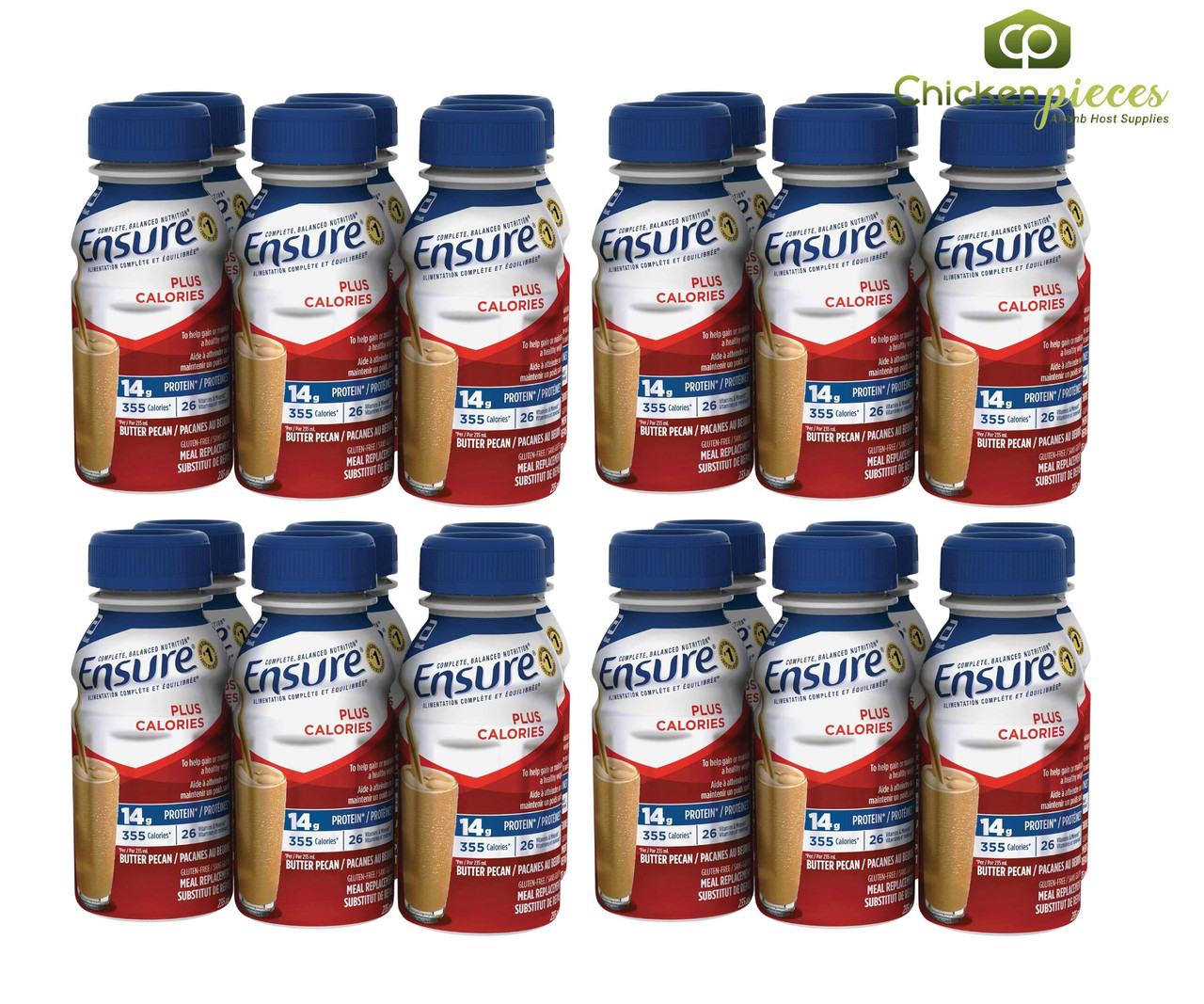
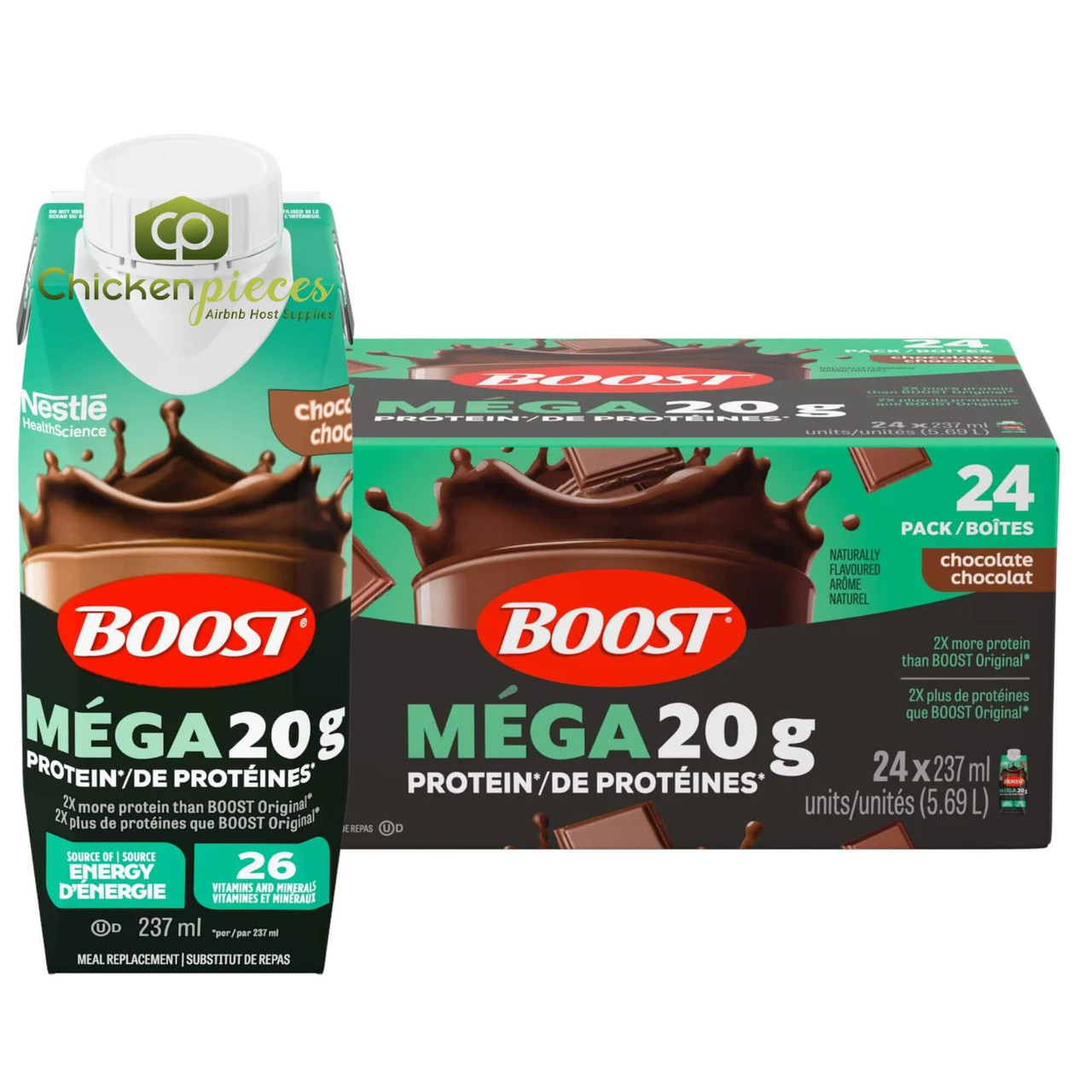
Ready-to-drink shakes offer convenience and consistency. They provide a known amount of nutrients per serving. This simplicity reduces preparation errors and saves time. Staff can easily administer these during breaks or between meals. They are ideal for residents who struggle with chewing.
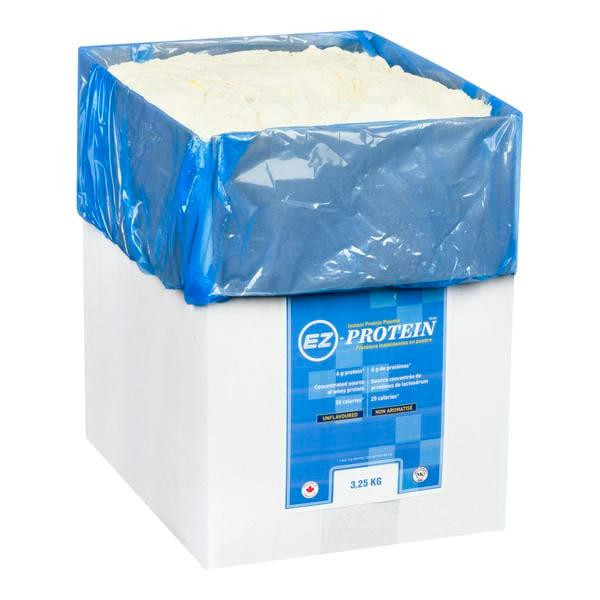
Powdered supplements provide flexibility for creative fortification. You can mix them into oatmeal, yogurt, or smoothies. This allows you to hide nutrients in foods residents already enjoy. It also helps control costs by allowing precise dosing. Bulk options often offer better value for high-volume facilities.
Liquid formulas are excellent for spiking hot or cold dishes. They blend into soups, sauces, and beverages. These products boost calories and protein without altering texture much. They are discreet and effective for residents who refuse obvious supplements. Keep a variety on hand.
Preparing Fortified Meals Safely
Ensure hygiene and correct dosing.
Hygiene is paramount when handling supplements. Wash hands thoroughly before preparation. Use clean utensils for measuring powders or liquids. Store products according to manufacturer guidelines. Proper storage maintains potency and prevents contamination risks in the kitchen environment.
Accurate dosing ensures residents get what they need. Follow instructions carefully for each product. Over-supplementation can cause digestive issues or imbalance nutrients. Under-dosing fails to meet health goals. Use calibrated measuring tools for precision every time.
Temperature matters for certain supplements. Some proteins denature in high heat. Check guidelines before adding powders to hot foods. Stirring techniques also affect texture and taste. Proper preparation ensures the food remains palatable and safe for consumption by vulnerable individuals.
Tracking Progress and Adjusting Plans
Use data to refine your approach.
Regular reviews keep strategies effective. Track weight changes and lab results. Note any adverse reactions to specific products. This data guides future purchasing and menu planning. It ensures resources are used wisely for maximum impact.
Staff feedback is invaluable too. They see what works daily. Listen to their observations about resident preferences. Adjust flavors or formats based on these insights. Collaborative problem-solving leads to better compliance and satisfaction.
Flexibility is key in care homes. Needs change over time due to health shifts. Be ready to modify plans quickly. Having a diverse inventory allows for swift adjustments. This agility supports high-quality, responsive care for all residents.
Streamlining Supply Chain Operations
Reliable suppliers ensure consistent availability.
Consistent supply prevents care gaps. Reliable partners deliver on time. This reliability allows staff to plan menus confidently. It reduces stress during busy periods. A steady inventory supports uninterrupted service delivery for all residents.
Bulk purchasing offers efficiency benefits. Larger orders reduce frequency of deliveries. This saves administrative time and storage space. It also simplifies inventory management processes significantly. Efficient logistics support better overall facility operations.
Local suppliers understand regional needs. They offer faster response times too. Support local businesses where possible. This strengthens community ties and ensures quicker resolution of issues. Partnering locally enhances resilience in your supply chain.
Comparing Supplement Formats and Uses
Review the strengths of each product type for specific scenarios.
| Product Type | Best Use Case | Preparation Effort | Shelf Life |
|---|---|---|---|
| Ready-to-Drink Shakes | Quick snack or meal replacement | None required | Moderate |
| Protein Powders | Spiking into cereals or smoothies | Mixing required | Long |
| Liquid Spikes | Adding to soups or sauces | Stirring required | Short |
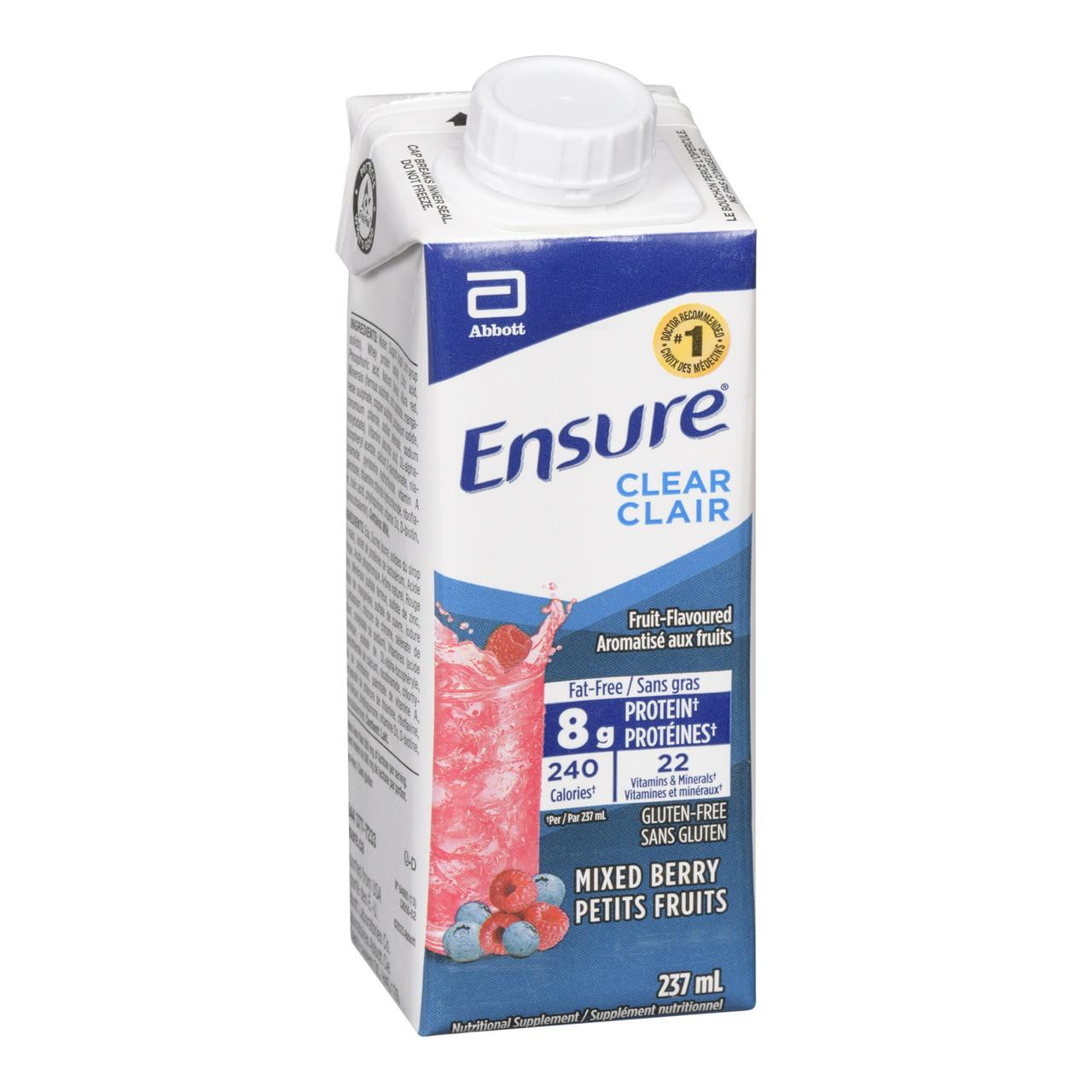
| Clear Liquids | Fasting protocols or low residue | None required | Moderate |
| Thickened Drinks | Dysphagia management needs | Pre-thickened options | Moderate |
| High Calorie Forms | Weight gain support programs | Varies by format | Long |
| Omega Supplements | Pet nutrition or specific diets | Dosage required | Long |
Browse Nutrition Products
Explore our full range of supplements and fortifiers for care settings.




People Also Ask
Real questions buyers search before they order — answered straight.
What is food-first fortification?
Food-first fortification means boosting the energy and protein in everyday meals using ordinary kitchen ingredients, rather than reaching for a supplement drink straight away. Cream, cheese, milk powder, or a little oil are stirred into familiar dishes so each mouthful delivers more, without the portion looking any bigger. It is the first step recommended for residents with small appetites or early signs of weight loss.
How do you fortify meals for the elderly?
The trick is to add energy and protein to the same-sized serving so it is not overwhelming — whisk milk powder into whole milk, fold cream or grated cheese into soups and mash, and enrich porridge, sauces, and puddings. Nourishing snacks between meals help too. A dietitian sets targets for anyone flagged at risk, and the kitchen builds fortification into the standard recipe rather than treating it as an extra.
What ingredients are used to fortify food?
Everyday staples do most of the work: full-fat milk and cream, cheese, skimmed milk powder, butter or oil, eggs, nut butters, and full-fat yogurt. "Fortified milk" — milk powder whisked into whole milk — is a common base that lifts both energy and protein. These are inexpensive, familiar, and blend into dishes without changing how they look.
Which dishes are easiest to fortify?
Soft, moist dishes take extras best — soups, mashed vegetables, porridge, milky drinks, sauces, custards, and puddings all carry cream, cheese, or milk powder well. Breakfast and desserts are easy wins because residents tend to eat them reliably. Dry or crisp items are harder, so those are usually left as they are and the calories added elsewhere.
What are the disadvantages of fortifying food?
Done carelessly, fortification can push up saturated fat, so a dietitian balances the mix for each resident. It also relies on consistency — if different staff enrich to different levels, intake becomes hard to track. And it is not a full answer on its own; residents with higher needs may still require nutritional supplement drinks alongside a fortified menu.
What is the difference between food fortification and enrichment?
In everyday care catering the two terms are often used interchangeably, but strictly, fortification adds nutrients that were not there before, while enrichment restores nutrients lost during processing. What matters on a care-home menu is the goal: getting more energy and protein into each meal for people who cannot eat large portions. The technique — adding cream, cheese, or milk powder — is the same either way.
What Canadian Care Home Staff say
See what facility managers say about our service.
The delivery was faster than expected. Our kitchen team appreciated the variety of options available. It helped us meet dietary requirements without stressing. Highly recommend their reliable service.
Stock levels remained consistent throughout the busy season. This reliability allowed us to plan menus confidently. Customer support was helpful when we had questions about specific product details.
Great selection of protein supplements for our residents. The clear liquids were particularly useful for fasting protocols. Staff found the products easy to incorporate into daily routines.
Common Questions: Frequently Asked Questions
The following operator questions are answered with cited sources. Every FAQ links to Health Canada, CFIA, Canada.ca, or another authoritative regulator.
What is food-first fortification for care homes?
Products referenced:
- protein powder
- milk powder
- nutritional supplement
What is the best protein powder for elderly food fortification in Canada?
Products referenced:
- protein powder
- whey protein
- collagen powder
Source: Best Protein Powder for Elderly Fortification - Quora
How do I add calories to pureed foods for seniors?
Products referenced:
- protein powder
- nutritional supplement
- milk powder
What are the best meal supplement powders for Canadian care homes?
Products referenced:
- Ensure
- Boost
- nutritional supplement
- protein powder
How do I fortify soups for elderly residents?
Products referenced:
- protein powder
- milk powder
- nutritional supplement
What is the best way to add protein to mashed potatoes for seniors?
Products referenced:
- protein powder
- milk powder
How much extra protein do seniors need in care homes?
Products referenced:
- protein powder
- nutritional supplement
What are the best high-calorie additives for underweight seniors?
Products referenced:
- nutritional supplement
- protein powder
Related guides from ChickenPieces
Why Partner With Us
We prioritize reliability, compliance, and customer support for Canadian facilities.
Fast Delivery
We ship quickly from Calgary. This ensures you receive products on time. Reliable logistics prevent stockouts and keep your operations running smoothly without unnecessary delays or interruptions.
Expert Support
Our team knows nutrition products well. They answer questions promptly. You get personalized advice for selecting the right items. This expertise helps you make informed decisions for your residents.
Wide Selection
We stock diverse brands and types. Find everything needed in one place. This convenience saves time and simplifies procurement processes. Our catalog covers various dietary needs effectively.
No Minimum Orders
Order one case or one pallet -- no MOQ gates. Scale purchasing with occupancy instead of committing to distributor volume tiers.
Request Your Custom Quote
Contact us today for personalized pricing. Our team will help you find the right products for your facility's unique needs.
Request a Quote