
2026 Aug 16th
The 10-Second Vinegar Test to Save Cloudy Bar Glasses
Wipe vinegar on a cloudy spot and wait ten seconds. If the cloudiness wipes away, you have mineral film from hard water. If nothing changes, the glass is etched—metal ions are gone for good and the glass must be replaced.
Vinegar Test: Save or Scrap Cloudy Bar Glasses
Built for Airbnb hosts, property managers, and facility operators who need clear glassware standards that cut replacement costs and guest complaints.
Key Takeaways
Six practical points to protect your glassware investment and stop serving drinks in damaged glasses.
Film dissolves; etching stays
Mineral film from calcium and magnesium sits on the surface. Vinegar or citric acid dissolves it. Etching removes metal ions from the glass itself—no chemical fixes that.
Match detergent to water hardness
Too much detergent in soft water causes etching. Too little in hard water leaves film. Adjust your dose to your actual water conditions.
Rainbow colours mean trouble
Silicate chemicals in dishwasher detergent first create amber or rainbow surface film. This progresses to permanent clouding if you do not correct the balance.
Acid soaking restores film only
A five to ten minute vinegar soak removes hard water deposits. Etched glass will look identical after soaking—time to pull it from service.
Microscopic roughness ruins pour
Etched surfaces trap residue and affect beer head retention. Guests notice before they can name what is wrong.
Prevention beats replacement cost
Calibrating detergent and rinse aid to your water hardness protects glass structure. Replacement runs higher than prevention over a full inventory cycle.
What etching actually does to glass
Etching is structural failure, not a dirty surface.
Glass is not a solid block. It is a network of silicon and metal ions held in structure. Dishwasher detergent contains silicates that attack this network when the concentration is wrong for your water. Soft water with high detergent dissolves too aggressively. Hard water with low detergent fails to rinse clean, leaving its own problems. The sweet spot depends on your actual mineral content, not guesswork.
The first sign is optical. Silicate film appears as amber streaks or rainbow patches under light. This is still on the surface. Left uncorrected, the detergent continues stripping metal ions until the glass develops cloudy, matte patches that catch fingerprints and never polish clear. At this stage the ionic structure is compromised. The glass has become porous and rough at microscopic scale.
Industry testing shows this damage accumulates in as few as twenty to forty wash cycles with imbalanced chemistry. High-turnover bars and short-stay rentals accelerate the timeline because glasses cycle faster. Once etching appears, the glass is compromised for guest service. No amount of scrubbing, soaking, or chemical treatment rebuilds ionic bonds. The only honest move is removal from active inventory.
Running the vinegar spot check
A simple acid reaction separates film from permanent damage.
Soak a clean cloth or paper towel with plain white vinegar. Press it against the cloudy area for five to ten seconds. Lift and inspect. If the cloudiness has vanished or turned translucent with a swipe, you are looking at calcium or magnesium film. These minerals precipitate from hard water during the drying cycle. They sit on top of the glass structure and acid dissolves them back into solution.
If the spot looks identical after soaking, the cloudiness is etched glass. The metal ions that give glass its clarity and hardness have been chemically removed. The surface is now microscopically pitted. Light scatters through these pits instead of passing through, creating that milky appearance. This is physical damage to the material itself, not a coating.
Run this test on multiple glasses from the same wash cycle. Film tends to affect whole loads uniformly when hard water conditions hit. Etching often appears in patches where water chemistry was most aggressive or where glasses sat longest in contact with concentrated detergent. Mark tested glasses with a grease pencil to track patterns across your inventory.
Hardness, softness, and detergent balance
Your water source dictates your chemical load.
Hard water contains dissolved calcium and magnesium. These minerals deposit as scale on glass during the hot drying phase. More detergent is needed to bind and suspend these minerals so they rinse away. Under-dosing leaves mineral film that the vinegar test will confirm. The fix is mechanical: increase detergent or add softening treatment upstream.
Soft water has low mineral content. This seems ideal but creates the opposite risk. Detergent silicates have nothing to bind to, so they attack the glass directly. The same chemistry that is safe in hard water becomes destructive. Reduce detergent proportionally as hardness drops. Many operators with soft municipal water or in-building softeners unknowingly cause etching by using standard doses.
The critical number is grains per gallon or milligrams per litre of calcium carbonate equivalent. Below 3.5 grains (60 mg/L), cut detergent by one-third to one-half. Above 7 grains (120 mg/L), increase detergent or add rinse aid formulated for hard water conditions. Your chemical supplier can test this in minutes if you do not have strips on hand.
Stopping etching before it starts
Correct chemistry protects glass structure over hundreds of cycles.
The prevention sequence is straightforward: know your water hardness, match detergent dose, use quality rinse aid, and inspect regularly. Rinse aid works by reducing surface tension so water sheets off glass rather than beading and evaporating. Beaded water leaves concentrated mineral spots and extends contact time with detergent residue. Sheeting action shortens both risks.
Temperature also matters. Excessively hot final rinses accelerate chemical reactions and can bake minerals onto glass before they flush away. Most commercial dishwashers run at 82°C final rinse for sanitization. This is fixed by health code, so control what you can: detergent concentration and rinse aid presence. Do not compensate for soft water by cranking temperature higher.
Glass quality varies. Lead-free crystal and thin-walled restaurant glass are more vulnerable to etching than tempered or thicker soda-lime glass. Budget glassware often etches faster because manufacturers use less metal ion content to begin with. Factor this into your replacement planning. Spending slightly more per glass on durable composition pays back in longer service life under machine washing.
Choosing rinse aid for your water conditions
Formulation differences match specific water chemistry challenges.
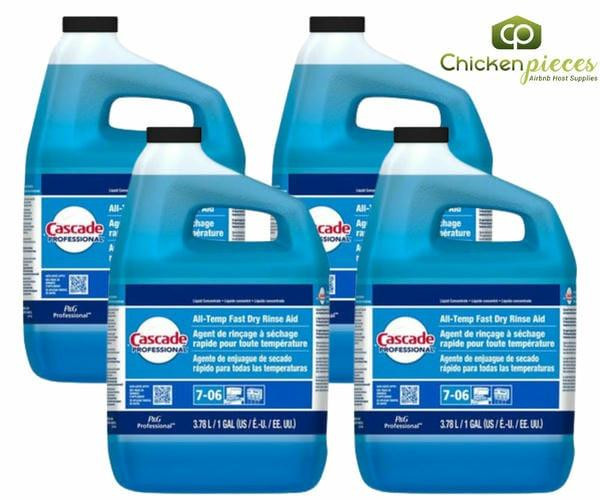
Rinse aid formulations fall into broad categories by water hardness compatibility and drying speed. Fast-dry formulas suit high-turnover operations where glasses move straight from machine to shelf. Standard formulas work for moderate conditions with longer air-dry time. Mid-range options split the difference for mixed inventories of glass and flatware.
Concentrate closed-loop systems improve consistency. Staff cannot over-pour or eyeball measurements. The system draws calibrated doses into the rinse cycle. This matters because rinse aid overdosing leaves a slick film that affects pour and taste. Underdosing fails to sheet water, defeating the purpose. Automation removes this variable.
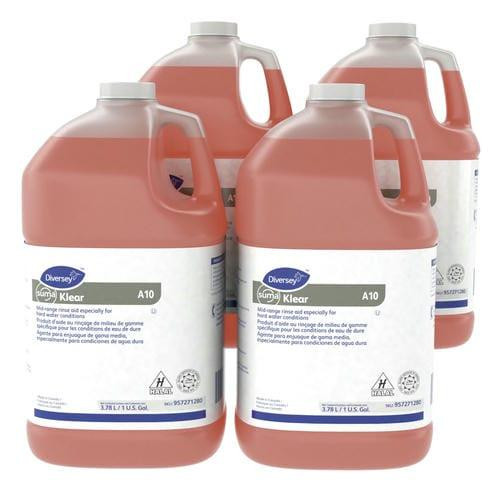
For hard water locations, seek rinse aids with chelating agents that bind calcium and magnesium in solution. These prevent redeposition during the final rinse. Soft water locations need gentler surfactant packages without aggressive chelators that could interact with low-dose detergent. Your chemical supplier should match the full program—detergent, rinse aid, and any pre-soak—to your tested water profile.
When to pull glassware from service
Clear standards protect your brand and reduce guest complaints.
Etched glassware signals poor maintenance to observant guests. Beer foam collapses faster on rough surfaces. Wine appears dull. Water spots are blamed on housekeeping when the real fault is damaged glass structure. Establish a simple rule: any glass that fails the vinegar test leaves active inventory. Relegate it to staff use or recycling.
Track failure patterns by purchase batch and age. If one supplier's glasses etch faster, the composition may be unsuited to your water and wash chemistry. Share data with your chemical supplier. They can adjust recommendations or recommend alternative glass sources. This is a system problem, not an isolated defect.
Budget for replacement at eighteen to twenty-four months for high-turnover settings, longer for lower-use properties. The vinegar test gives you data to justify timing. Do not wait for guest complaints or visible clouding from every seat. Proactive rotation maintains presentation standards and prevents the sudden bulk replacement that strains operating budgets.
Film vs etching: what changes, what does not
Use this to train staff on quick identification and correct response.
| Sign or test | Mineral film | Glass etching | Your move |
|---|---|---|---|
| Vinegar spot test (10 sec) | Cloudiness clears | No change | Soak or replace |
| Appearance under light | Dull, streaky, spotted | Milky, matte, frosted | Identify source |
| Acid soak (5–10 min) | Fully restores clarity | Identical after soak | Chemistry fix or discard |
| Rainbow or amber tinge | Possible early stage | Possible early stage | Adjust detergent dose now |
| Surface feel | Smooth, deposits wipe off | Slightly rough, catches cloth | Replace etched items |
| Beer head retention | Normal | Collapses faster | Remove from bar service |
| Affected quantity | Often whole load | Patchy, random distribution | Check water hardness |
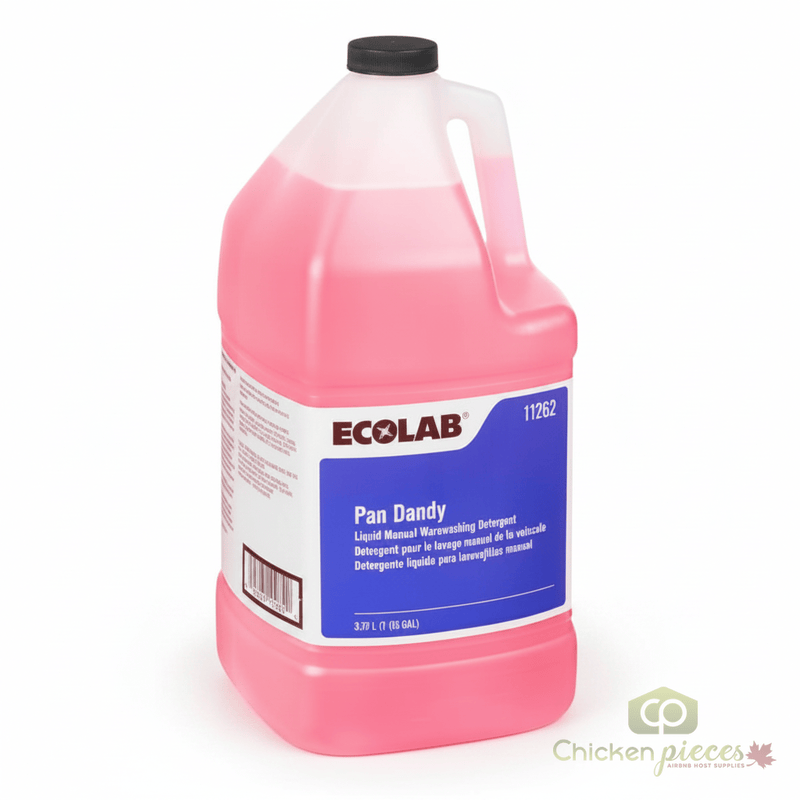
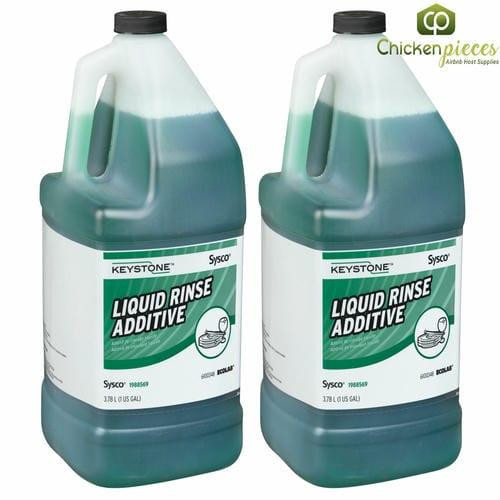
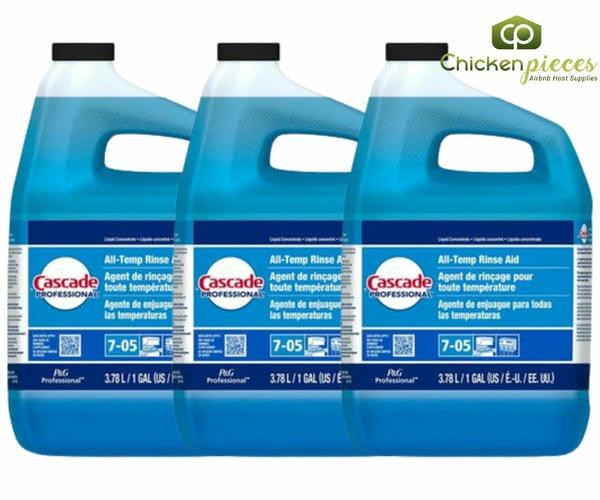
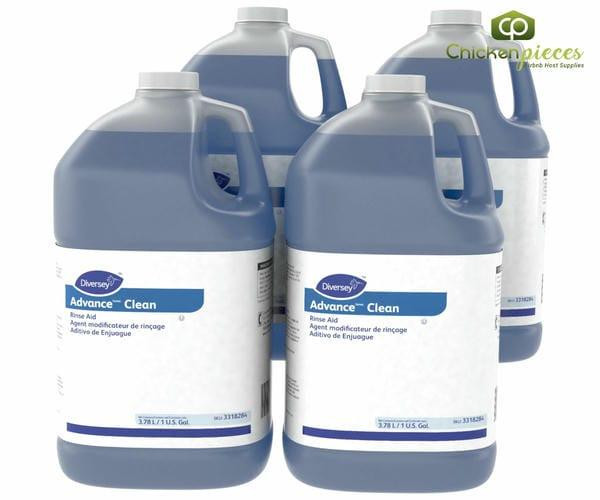
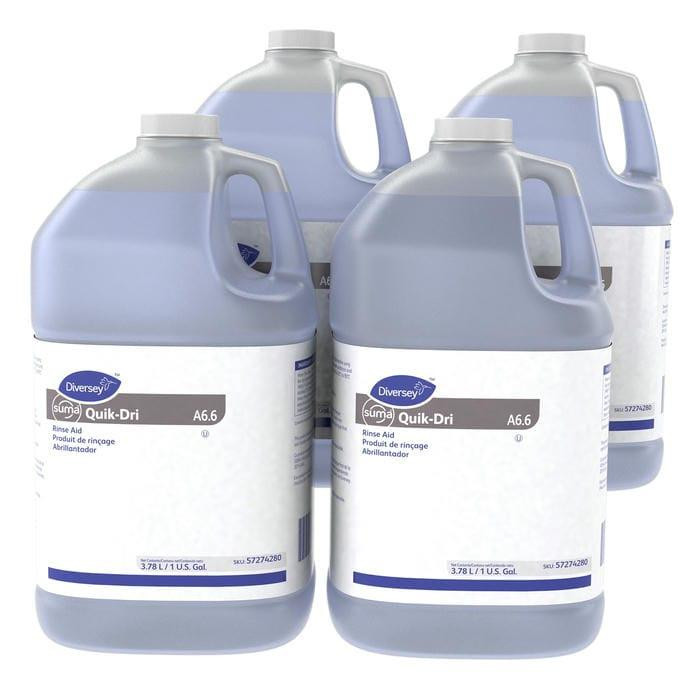
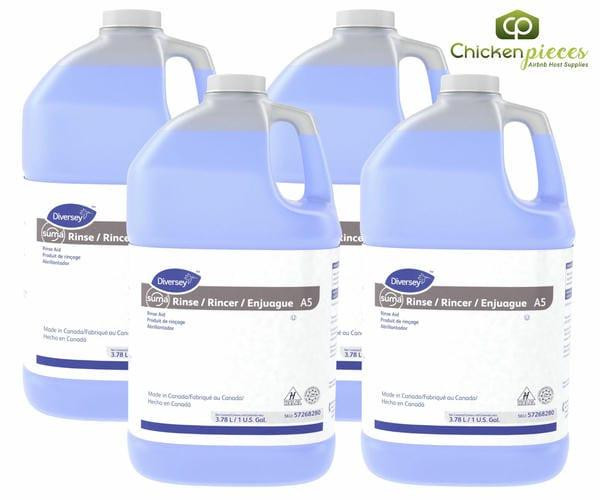
Rinse aids and detergents for commercial glass care
Sized for hospitality volume, with concentrate and closed-loop options to match your water hardness and workflow.

What Canadian hospitality operators say
What operators across Canada say about protecting their glassware investment.
We were throwing out thirty glasses a month before we matched our rinse aid to our soft water. The vinegar test now catches problems before guests do. Huge difference in replacement spending.
Our hard water left brutal film on everything. Switched to a chelating rinse aid and cut detergent back slightly. Three months later our glassware looks new. The closed-loop system keeps staff from guessing.
I run forty units and used to bulk-buy cheap glasses yearly. Now I test monthly, rotate early, and use proper rinse aid. First time my glass inventory lasted two full seasons without looking tired.
Glassware testing: Frequently Asked Questions
The following operator questions are answered with cited sources. Every FAQ links to Health Canada, CFIA, Canada.ca, or another authoritative regulator.
Is etched glass safe to drink from?
Source: The safe use of cookware and bakeware - Canada.ca (Glazed Ceramics and Glassware Regulations)
Can vinegar really fix cloudy bar glasses?
Source: Is this etching of glass from dishwasher use? - r/fixit on Reddit
Why do some bar glasses get cloudy in the dishwasher?
Source: All of our glasses have become cloudy and nothing works - r/CleaningTips on Reddit
How do I tell if my bar glasses are etched vs just dirty?
Source: The glasses come out of the dishwasher like this - r/CleaningTips on Reddit
How often should bar glassware be replaced?
Source: How to Care for Restaurant & Bar Glassware - Nella Online
Is a rainbow or iridescent film on wine glasses a food safety concern?
Source: Lead in Food and Foodwares - U.S. Food and Drug Administration (FDA)
Why can't our bar get the wine glasses clean, and what prevents the clouding?
Source: Our bar can't seem to get our wine glasses clean - r/bartenders on Reddit
Can hard water damage restaurant glassware permanently?
Source: How can I repair / fix cloudy glasses and bowls? - r/ZeroWaste on Reddit
Related guides from ChickenPieces
Why operators buy glass care supplies from ChickenPieces
Calgary-based inventory with Canada-wide reach for hospitality operators.
Volume sizing
Cases and bulk units sized for multi-property hosts and facility accounts, not retail single bottles that run out mid-week.
Closed-loop options
Concentrate systems with measured dosing reduce waste and staff error compared to manual pouring methods.
Water-specific guidance
Our team helps match detergent and rinse aid formulations to your tested hardness, not generic recommendations.
Regulatory compliance
All stocked chemistries meet Health Canada and CFIA requirements for food-contact surfaces in commercial settings.
Sources & further reading
Get a glass care quote for your operation
Tell us your property count, glass inventory size, and water hardness if known. We will recommend detergent and rinse aid pairings with correct dosing for your conditions. No minimums, no speed promises—just matched chemistry.
Request a QuoteReferences: Health Canada — Food Safety Guidelines FDA — Food Safety and Nutrition.