

2026 Jul 17th
Optimize Supply Levels for Canadian Food Service Operations
Canadian food service establishments typically consume between fifty and two hundred standard glove boxes weekly. High-volume venues require larger quantities to maintain hygiene standards. Proper inventory planning prevents shortages during peak service hours.
Optimize Supply Levels for Canadian Food Service Operations Weekly
Property managers and facility operators can reduce waste and ensure consistent service by understanding precise weekly consumption rates for essential disposable supplies across Canada.
Key Takeaways
Key insights for managing disposable supply levels effectively.
Calculate Weekly Usage Rates
Track daily consumption to determine accurate weekly needs. This prevents overstocking and reduces waste storage issues in compact commercial kitchens.
Standardize Size Requirements
Limit size variations to reduce complexity. Standardizing medium and large options simplifies ordering processes and ensures consistent staff comfort levels.
Monitor Shelf Life Dates
Check expiration dates on all incoming shipments. Rotating stock properly ensures fresh supplies are always available for daily operational needs.
Plan for Peak Seasons
Increase orders before busy holiday periods or local events. Proactive planning prevents last-minute shortages that could disrupt service quality.
Evaluate Material Durability
Choose durable materials that withstand rigorous daily use. Stronger supplies reduce replacement frequency and improve overall operational efficiency significantly.
Consolidate Supplier Orders
Combine multiple product categories into single shipments. Consolidating orders reduces administrative burden and streamlines the receiving process effectively.
Understanding Weekly Consumption Patterns in Kitchens
Accurate tracking helps prevent shortages during busy service periods.
Canadian food service operations vary widely in volume and complexity. Small cafes may use fewer supplies than large banquet halls. Understanding specific daily usage helps managers predict weekly needs accurately without guessing or wasting resources unnecessarily. Establish a baseline by counting empty boxes at the end of each shift for two consecutive weeks. Record these numbers in a digital log or physical binder kept near the prep station. Analyze the data to identify trends, such as higher usage on weekends or during lunch rushes. This historical data allows you to forecast future requirements with greater precision, ensuring you order the exact amount needed to cover operational gaps without excess.
Gloves are essential for maintaining hygiene standards across all roles. Staff members change gloves frequently to prevent cross-contamination. Tracking these changes provides valuable data for future procurement decisions and budget planning efforts within the organization. Assign a specific staff member to monitor glove dispenser levels hourly during peak service. When a box reaches half capacity, note the time and task being performed. This granular tracking reveals which stations consume supplies fastest, allowing for targeted restocking strategies. Use this information to adjust par levels for each station, ensuring that high-traffic areas always have adequate reserves while minimizing waste in low-usage zones.
Choosing Durable Materials for Daily Operations
Quality materials last longer and improve staff comfort levels.
Material quality directly impacts durability and performance during use. Thinner materials may tear easily under pressure or stress. Investing in thicker, more resilient options reduces waste and ensures tasks are completed without interruption or frustration. Evaluate material thickness measured in mils to determine suitability for specific tasks. For heavy-duty cleaning or handling sharp objects, select gloves with a thickness of at least 4 mils. For delicate food preparation, 2 to 3 mils may suffice. Test samples under real-world conditions before committing to bulk orders. Document failure rates and user feedback to refine your selection criteria. This empirical approach ensures you purchase products that align with the physical demands of your kitchen environment.
Comfort is vital for staff productivity and retention rates. Ill-fitting gloves cause discomfort and reduce dexterity over time. Providing appropriate sizes ensures employees can perform their duties efficiently while maintaining high standards of cleanliness and safety protocols. Conduct a size audit among all staff members to determine the distribution of hand sizes in your workforce. Order gloves in mixed-case configurations that reflect this distribution, avoiding uniform sizing that leaves some employees with poor fits. Rotate stock to prevent older inventory from sitting too long, which can affect material elasticity. Regularly solicit feedback from employees regarding fit and comfort, using their input to adjust future orders.
Effective Storage Strategies for Bulk Supplies
Proper storage preserves product integrity and extends shelf life.
Bulk purchasing offers significant advantages but requires adequate space. Warehouses must accommodate large cases without obstructing workflow paths. Organized storage systems help locate items quickly when immediate access is needed during urgent situations or rush hours. Implement a first-in, first-out (FIFO) system to manage inventory flow effectively. Label each shelf with product names and arrival dates to facilitate easy identification. Use pallet jacks or carts to move heavy cases safely, reducing physical strain on staff. Designate specific zones for different supply categories, such as gloves, boxes, and containers, to streamline retrieval processes. Regularly audit storage areas to remove damaged or expired items, maintaining a clean and organized environment that supports efficient operations.
Humidity control protects paper-based products from moisture damage. Damp conditions can weaken structural integrity before use occurs. Implementing climate-controlled storage areas ensures all supplies remain usable and ready for deployment whenever required by staff members. Install dehumidifiers in storage rooms to maintain relative humidity levels below 60 percent, preventing mold growth and material degradation. Use plastic wrapping or sealed containers for bulk items exposed to air fluctuations. Monitor temperature and humidity readings daily, adjusting controls as needed to protect inventory. Regularly inspect packaging for signs of moisture ingress, replacing compromised items immediately to preserve overall stock quality.
Timing Your Orders for Optimal Availability
Proactive ordering prevents disruptions during peak service times.
Lead times vary depending on supplier location and logistics. Planning ahead ensures continuous availability of essential items. Delays can disrupt operations significantly if critical supplies run out unexpectedly during busy periods or special events requiring extra resources. Establish a reorder point for each product based on average weekly consumption and supplier lead time. For example, if you use fifty boxes of gloves weekly and your supplier delivers in three days, place orders when stock drops below twenty boxes. Set calendar reminders for recurring orders to avoid forgetting. Monitor supplier performance metrics, such as on-time delivery rates, to identify potential risks. Adjust order timing seasonally to account for holiday rushes or weather-related delays, ensuring you remain prepared for any scenario.
Balancing Quality With Operational Budget Needs
Smart purchasing decisions optimize value without compromising standards.
Value extends beyond initial purchase price considerations alone. Durability and performance affect long-term savings potential significantly. Choosing reliable suppliers ensures consistent quality delivery every time an order is placed with them regularly. Calculate total cost of ownership by factoring in replacement frequency and waste reduction. A slightly more expensive glove that lasts longer may save money overall compared to a cheaper alternative that tears easily. Negotiate volume discounts with suppliers for large orders, using your purchasing power to secure better rates. Review invoices quarterly to identify discrepancies or opportunities for savings. Build strong relationships with suppliers to access exclusive deals or early notifications of price changes.
Meeting Regulatory Standards Through Proper Supplies
Adherence to health codes requires appropriate disposable products.
Regulatory bodies enforce strict guidelines regarding hygiene practices. Using approved materials demonstrates commitment to public health standards. Compliance avoids legal issues while building trust with customers who prioritize cleanliness above other factors when dining out. Keep documentation of product certifications on file, including Health Canada approvals and ISO standards. Train staff on proper usage and disposal procedures to maintain compliance during daily operations. Conduct regular internal audits to ensure adherence to local health codes. Update supply lists as regulations change, staying informed about new requirements through industry newsletters or government updates. Proactive compliance management protects your business from fines and reputational damage.
Comparing Disposable Supply Options for Kitchens
Evaluate key features to select the best fit for your needs.
| Product Type | Durability Level | Comfort Factor | Bulk Availability |
|---|---|---|---|
| Nitrile Gloves | High | Excellent | Yes |
| Vinyl Gloves | Moderate | Good | Yes |
| Latex Gloves | High | Very Good | Limited |
| Paper Boxes | Standard | N/A | Yes |
| Plastic Containers | High | N/A | Yes |
| Fabric Sheets | N/A | Good | Yes |
| Tea Dispensers | Very High | N/A | Limited |
Explore Our Wholesale Supply Range
Find reliable products designed for Canadian commercial environments.
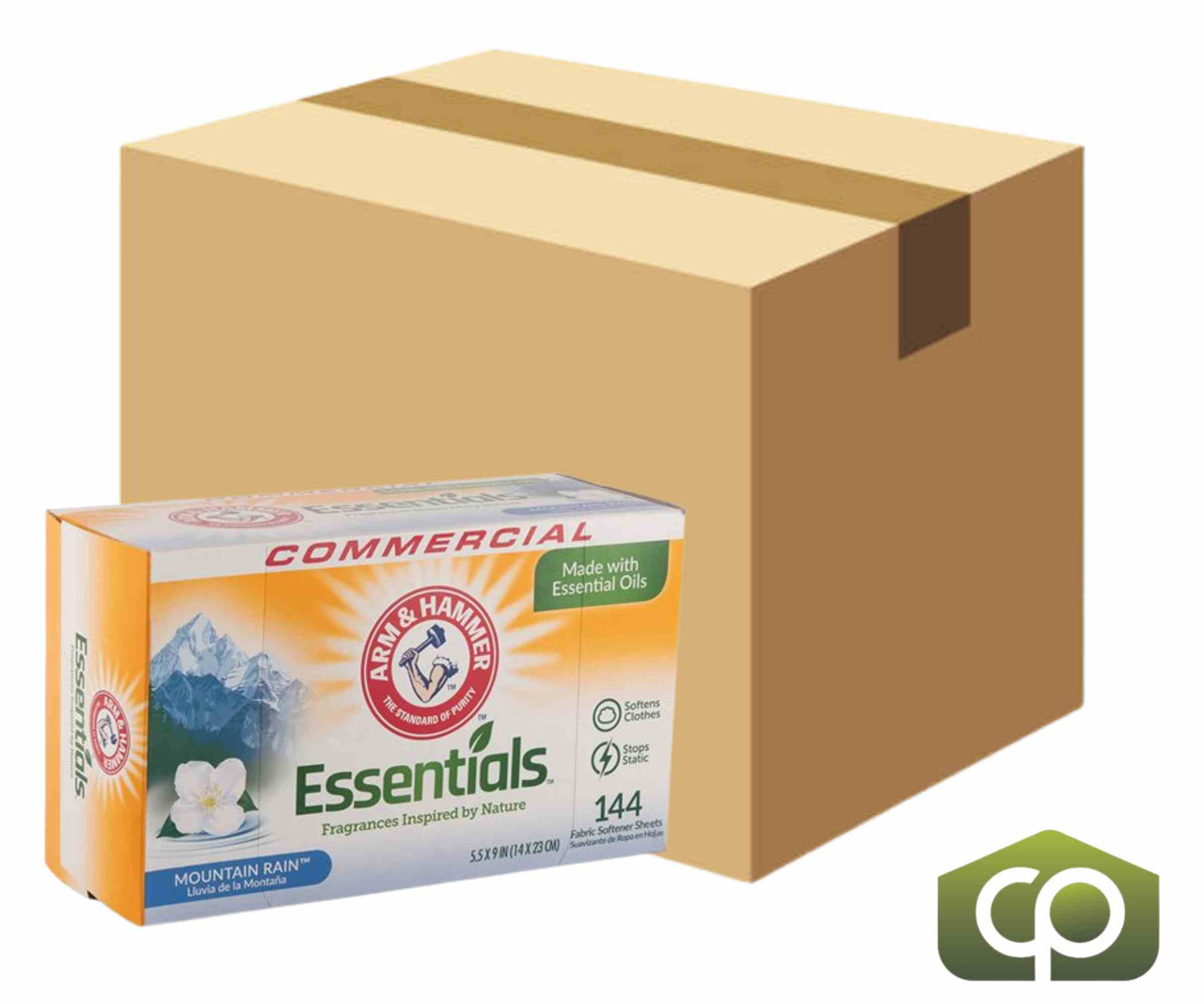
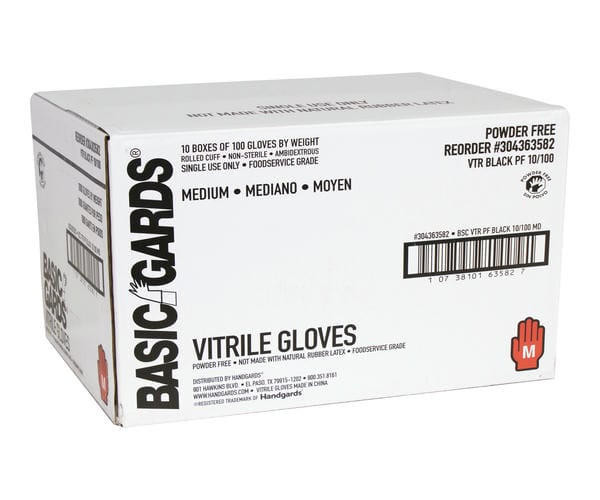
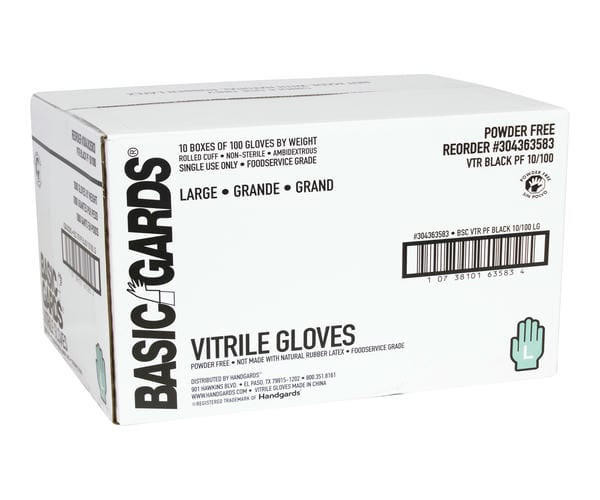


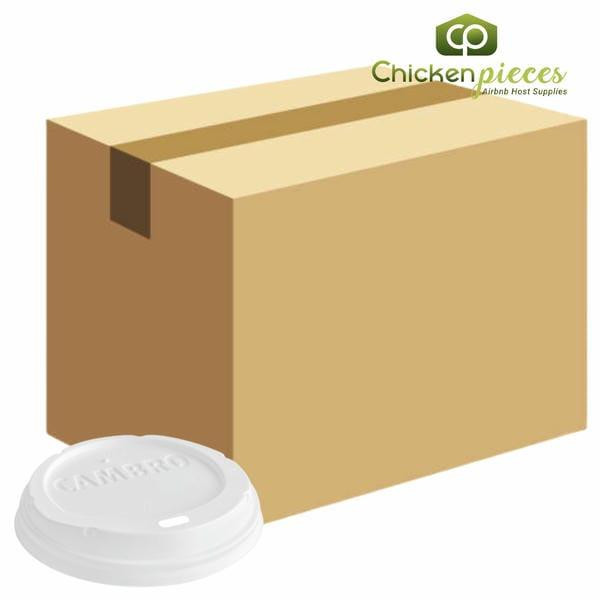
People Also Ask
Real questions buyers search before they order — answered straight.
When must disposable gloves be replaced?
Gloves are changed whenever they tear, become soiled, or a task ends — for food work that means a fresh pair between different jobs and after any break. Even undamaged gloves are swapped regularly rather than worn for hours, as the barrier weakens with use. Building this change rate into your planning is the single biggest factor in how many boxes you get through each week.
How thick are disposable gloves, and does the "mil" rating matter?
Thickness is measured in mils, and disposables typically run from very thin light-duty gloves up to thicker heavy-duty ones. A higher mil rating means more durability and fewer tears, so staff waste fewer gloves — but very thick gloves reduce dexterity for fine work. Matching thickness to the task helps control both safety and how quickly a box empties.
What affects the price of disposable gloves?
The main drivers are the material (nitrile usually sits above vinyl and poly), the thickness, and any features like textured grip or extended cuffs. Order size matters too, as buying by the case rather than the box lowers the cost per glove. Global supply and raw-material swings can move prices as well, which is why locking in steady bulk supply helps smooth out your budget.
Which disposable gloves are the best all-round pick?
For most operations nitrile is the best all-round choice, as it is latex-free, tough, and handles food, cleaning, and general tasks well. Vinyl is a lighter, more economical option for short, low-risk jobs, and poly suits very quick handling. Many buyers keep a tough nitrile as the workhorse and a lighter glove for high-volume, brief tasks.
What are the five main types of disposable gloves to keep in stock?
The five you will meet most are nitrile, vinyl, latex, polyethylene (poly), and neoprene. Nitrile is the durable, latex-free all-rounder; vinyl is economical for light work; latex fits well but carries an allergy risk; poly is loose and low-cost for quick jobs; and neoprene handles some chemicals. Most kitchens stock a nitrile as the main glove plus one lighter option for speed.
Which disposable gloves are food safe?
Nitrile, vinyl, poly, and latex can all be made food safe, so the key is choosing a box clearly marked for food contact rather than an industrial version. Food-safe gloves are made to limit anything that could migrate into what staff handle. If a supplier cannot confirm food-contact suitability in writing, treat that as a reason to pick another line.
What Canadian facility managers say
Feedback from professionals across the country.
Our inventory management improved significantly since switching suppliers. The consistent quality ensures we never face shortages during peak hours anymore. Highly recommended for any busy kitchen operation needing reliable support daily.
We reduced waste considerably by choosing durable options here. Staff appreciate the comfort level of these gloves during long shifts. It has made our daily operations much smoother and more efficient overall.
Delivery times are consistently fast from Calgary. We love the variety of sizes available for different tasks. This supplier understands the unique needs of Canadian facilities perfectly every single time we order.
Supply Logistics: Frequently Asked Questions
The following operator questions are answered with cited sources. Every FAQ links to Health Canada, CFIA, Canada.ca, or another authoritative regulator.
How many glove boxes does a Canadian restaurant use per week?
Products referenced:
- Nitrile Gloves, 4 Mil, Powder-Free, Food Service, Box of 100
- Vinyl Gloves, 2 Mil, Disposable, Food Service, Box of 100
How do restaurants calculate par levels for disposable supplies?
Products referenced:
- Nitrile Gloves, 4 Mil, Powder-Free, Food Service, Case of 1,000
- Inventory Tracking Sheets, Restaurant, 50-Pad
Source: ELI5: How do restaurants plan for how much food to carry? - Reddit
What is the best way to track restaurant supply usage?
Products referenced:
- Inventory Tracking Sheets, Restaurant, 50-Pad
- Nitrile Gloves, 4 Mil, Powder-Free, Food Service, Case of 1,000
Source: Restaurant Inventory Management: Cut Waste & COGS - FORCS
How much should a restaurant budget monthly for disposable supplies?
Products referenced:
- Nitrile Gloves, 4 Mil, Powder-Free, Food Service, Case of 1,000
- Vinyl Gloves, 2 Mil, Disposable, Food Service, Case of 1,000
- Takeout Container, Hinged Clamshell, 9x9 inch, Case of 200
How do supply chain issues affect Canadian restaurant supply ordering?
Products referenced:
- Nitrile Gloves, 4 Mil, Powder-Free, Food Service, Case of 1,000
- Vinyl Gloves, 2 Mil, Disposable, Food Service, Case of 1,000
Source: Let Me Explain Why Sysco is Bad in Reality - r/KitchenConfidential
What is the most cost-effective way to order restaurant supplies in Canada?
Products referenced:
- Nitrile Gloves, 4 Mil, Powder-Free, Food Service, Case of 1,000
- Vinyl Gloves, 2 Mil, Disposable, Food Service, Case of 1,000
- Takeout Container, Hinged Clamshell, 9x9 inch, Case of 200
How do seasonal fluctuations affect restaurant supply needs?
Products referenced:
- Nitrile Gloves, 4 Mil, Powder-Free, Food Service, Case of 1,000
- Vinyl Gloves, 2 Mil, Disposable, Food Service, Case of 1,000
What is the best inventory management system for a small Canadian restaurant?
Products referenced:
- Inventory Tracking Sheets, Restaurant, 50-Pad
- Nitrile Gloves, 4 Mil, Powder-Free, Food Service, Case of 1,000
Source: Restaurant Inventory Management Guide: Reduce Waste & Control Costs
Related guides from ChickenPieces
Why Partner With ChickenPieces
Reliable supply solutions tailored for Canadian commercial sectors.
Fast Calgary Dispatch
Orders ship quickly from our central warehouse. This ensures minimal downtime for your operations. We prioritize speed without compromising accuracy or quality control standards throughout the process.
Bulk Volume Pricing
Save more by purchasing in larger quantities. Our pricing structure rewards volume commitments significantly. Access competitive rates designed specifically for high-consumption environments like yours today.
Dedicated Account Support
Receive personalized assistance from experienced representatives. We understand your unique challenges and needs. Our team provides tailored advice to optimize your supply chain efficiency effectively.
Regulatory Compliance Focus
All products meet Health Canada standards strictly. This ensures safety and legality in your operations. Trust us to provide compliant solutions that protect both staff and guests always.
Sources & further reading
- How many glove boxes do you go through a week. — Reddit r/foodtrucks
Request Your Custom Quote Today
Contact our team to discuss your specific needs. We will tailor a solution that fits your budget perfectly.
Request a QuoteReferences: Health Canada - Food Chemical Contaminants CFIA - Food Safety for Industry.