

2026 Jun 23rd
Adapting Supply Chains for Canadian Food Service Efficiency
Operators must shift toward bulk purchasing to stabilize costs. Consistent supply chains reduce waste and ensure menu reliability. Partnering with local distributors guarantees timely delivery.
Adapting Supply Chains for Canadian Food Service Efficiency
This guide helps property managers and facility operators streamline their supply chain. You will learn how to secure consistent stock while maintaining high operational standards across your locations.
Key Takeaways
Here are the key strategies for maintaining efficient operations.
Bulk Purchasing Benefits
Buying in larger quantities reduces per-unit costs significantly. It also minimizes the frequency of orders. This approach saves time on administrative tasks and keeps stock levels stable throughout the month.
Inventory Consistency Matters
Consistent stock prevents menu disruptions during peak service hours. Reliable suppliers ensure you always have core ingredients available. This stability allows your kitchen team to focus on quality preparation rather than searching for substitutes.
Local Sourcing Advantages
Choosing Canadian-made products supports local agriculture and reduces shipping distances. Shorter supply chains mean fresher goods upon arrival. It also simplifies compliance with regional food safety regulations and standards.
Waste Reduction Strategies
Proper storage of bulk items extends shelf life effectively. First-in, first-out methods prevent spoilage of perishable goods. Tracking usage patterns helps in ordering precise amounts, reducing unnecessary waste in your facility.
Supplier Relationship Value
Strong relationships with suppliers lead to better support during shortages. They can offer alternatives when specific items are unavailable. This flexibility ensures your operations continue smoothly without significant interruptions or delays.
Operational Efficiency Gains
Streamlined ordering processes free up staff for other tasks. Digital catalogs and easy reordering save valuable time. Efficient logistics mean less downtime in receiving areas and faster integration into daily workflows.
Evaluating Current Supply Chain Gaps
Identify weaknesses in your existing procurement processes.
Many operators overlook small inefficiencies that compound over time. Late deliveries can disrupt service schedules and frustrate staff. Identifying these issues early allows for proactive adjustments. You can switch to more reliable partners or adjust order timing. This step is vital for long-term stability in your operations.
Inventory turnover rates reveal much about purchasing habits. High waste suggests over-ordering or poor storage conditions. Low turnover might indicate under-stocking risks. Analyzing these metrics helps refine your buying strategy. You will find opportunities to cut costs without sacrificing quality or availability for your team.
Supplier reliability is a critical factor in success. Frequent changes in product specifications cause confusion in kitchens. Consistent packaging and portion sizes simplify prep work. Evaluate your current vendors against these criteria. Switching to a dedicated wholesale supplier can resolve many of these recurring headaches effectively.
Implementing Bulk Buying Protocols
Adopt systematic approaches to large-scale purchasing.
Bulk buying requires careful planning to avoid waste. You must align order quantities with actual consumption rates. Forecasting demand based on historical data improves accuracy. This approach reduces the risk of overstocking perishable items. It also secures better terms from distributors due to volume commitments.
Standardizing products across locations simplifies management significantly. Using the same brands and sizes everywhere reduces errors. Staff training becomes more efficient with familiar items. Inventory counts are faster and more accurate. This uniformity streamlines operations and enhances overall consistency in service delivery.
Negotiating contracts can yield significant advantages for large operators. Volume discounts apply to most wholesale transactions. Flexibility in payment terms improves cash flow management. Establish clear expectations regarding delivery windows and quality standards. A solid contract protects your interests and ensures mutual commitment.
Optimizing Storage for Bulk Goods
Ensure proper handling of large volume items.
Proper storage is essential for maintaining product quality. Temperature control must be strict for perishable goods. Humidity levels should be monitored in dry storage areas. Organize shelves to allow easy access and visibility. Good organization reduces search time and prevents accidental damage to packages during retrieval.
Pest control measures protect your investment effectively. Regular inspections help detect issues before they escalate. Seal all containers tightly after opening. Keep floors clean and free of debris. These simple steps prevent contamination and ensure compliance with health regulations in your facility.
Vertical storage solutions maximize space efficiency significantly. Use sturdy racks designed for heavy loads. Place frequently used items at waist height for safety. Reserve higher shelves for less common supplies. This layout improves workflow and reduces physical strain on your staff members.
Streamlining Receiving and Inspection
Speed up the intake process without errors.
Receiving goods efficiently minimizes downtime in your kitchen. Prepare receiving areas before trucks arrive. Have clipboards or tablets ready for checking orders. Ensure loading docks are clear and accessible. This preparation speeds up unloading and allows staff to return to productive work sooner.
Quality checks should happen during the receiving process. Inspect packaging for damage or tampering signs. Verify temperatures of refrigerated items immediately. Document any issues with photos for claims. Thorough inspections protect your business from accepting substandard products that could cause problems later.
Digital tools can automate much of this work. Inventory management software tracks stock levels in real-time. It generates purchase orders automatically when needed. Integration with supplier systems simplifies communication and tracking. Adopting technology reduces manual errors and improves overall operational accuracy.
Meeting Regulatory Standards Consistently
Stay compliant with Canadian food safety laws.
Canadian food safety regulations are strict for good reason. Operators must adhere to guidelines set by federal agencies. Proper labeling and traceability are mandatory requirements. Failure to comply can result in fines or closures. Staying informed about regulatory changes is part of your responsibility as a manager.
Training staff on hygiene practices is non-negotiable. Regular refreshers ensure everyone understands current protocols. Hand washing, glove usage, and cross-contamination prevention are key topics. Document all training sessions for verification purposes. A well-trained team reduces risks significantly in daily operations.
Supplier audits provide additional layers of security. Review their food safety plans periodically. Ask for proof of compliance with Canadian standards. This diligence ensures the products you receive meet high benchmarks. It also demonstrates your commitment to quality and safety to customers.
Scaling Operations Without Disruption
Expand smoothly while maintaining supply stability.
Scaling requires foresight in supply chain planning. Sudden increases in volume can strain existing relationships. Build redundancy into your supplier network where possible. Having backup options ensures continuity during unexpected shortages. This strategy mitigates risks associated with rapid growth phases.
Technology integration supports scalable operations effectively. Cloud-based systems allow real-time visibility across locations. Data analytics help predict future needs accurately. Using these tools enables smarter decision-making. It also facilitates coordination between multiple sites without disruption.
Continuous improvement should be a core value. Regularly review processes for potential enhancements. Solicit feedback from staff who handle supplies daily. They often spot inefficiencies that management misses. Acting on this feedback drives ongoing optimization and sustained success.
Comparing Supply Chain Options
Review these metrics to choose the best approach for your needs.
| Option Type | Cost Efficiency | Delivery Speed | Consistency Level |
|---|---|---|---|
| Local Bulk Supplier | High | Fast | Very High |
| National Distributor | Medium | Moderate | High |
| Online Marketplace | Variable | Slow | Low |
| Direct Manufacturer | High | Slow | Medium |
| Regional Broker | Medium | Moderate | Variable |
| Import Specialist | Low | Very Slow | Low |
| Hybrid Model | High | Fast | High |
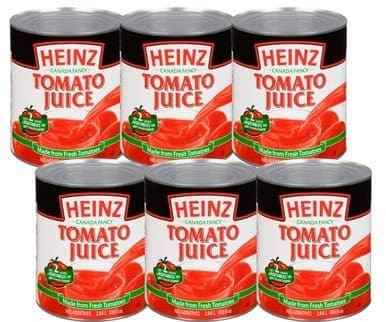
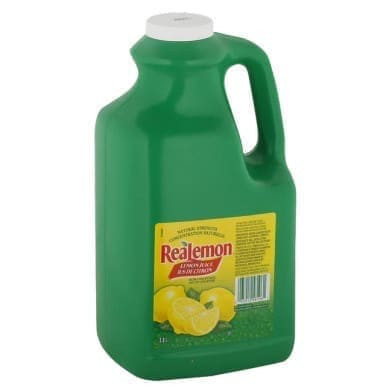
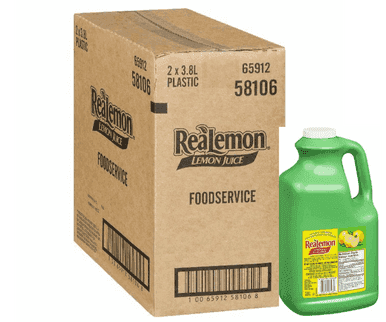
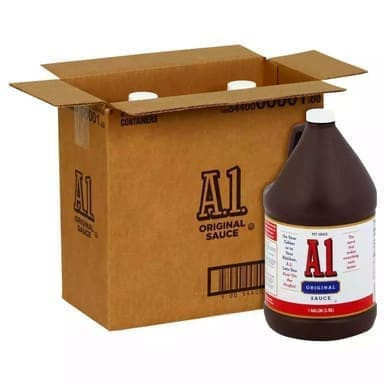
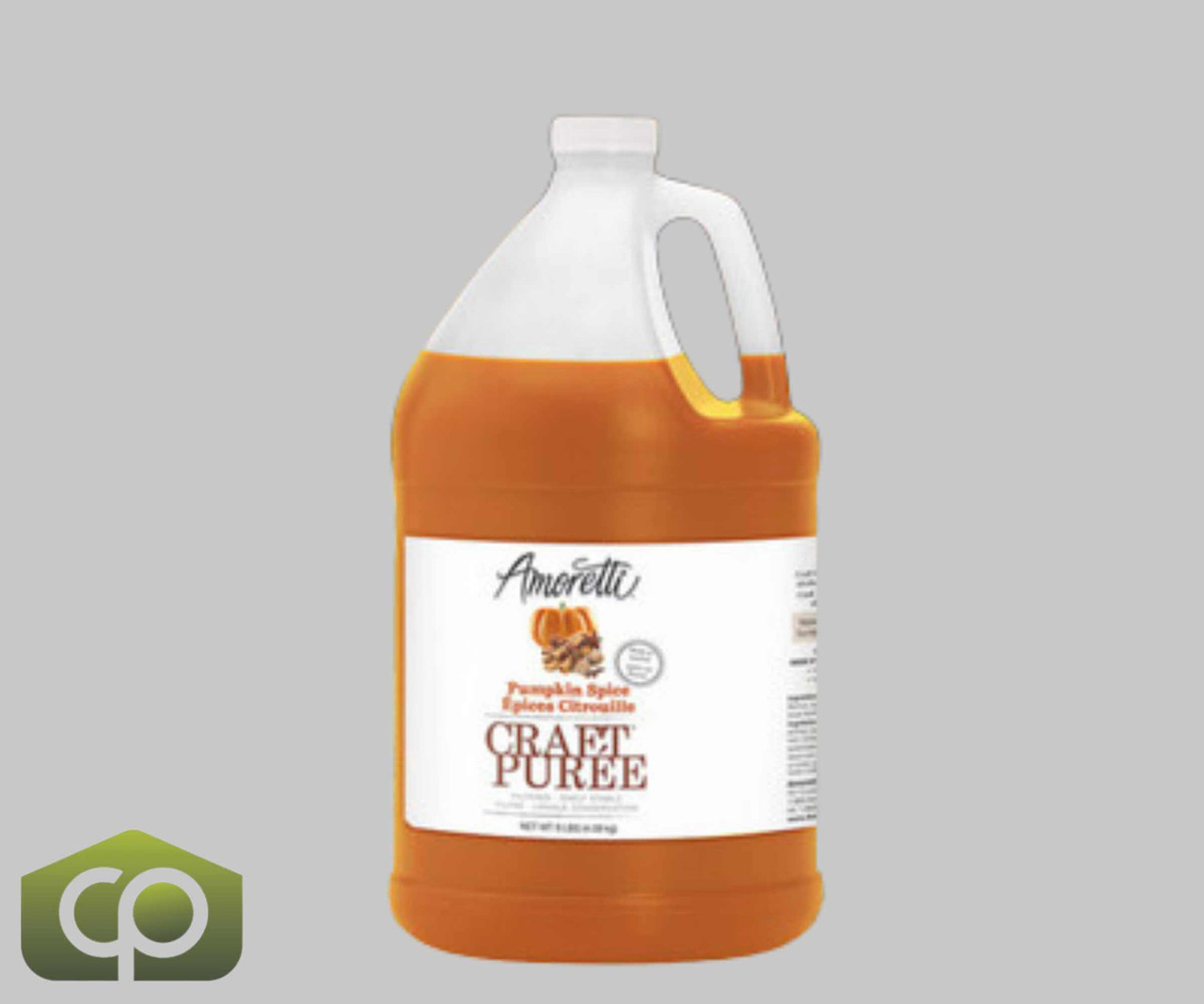
Explore Our Bulk Essentials
Browse our curated selection of high-demand food service products.




People Also Ask
Real questions buyers search before they order — answered straight.
What drinks are high in protein?
The highest-protein drinks are milk, milk-based smoothies, and ready-to-drink protein shakes, with Greek yoghurt drinks and soy milk also strong choices. Ready-to-drink shakes are especially useful when appetite is low, because they pack a lot of protein into a small, easy-to-sip serving. Keeping long-life shakes on hand means a resident or guest can top up protein even on a day they do not feel like eating much.
How do you reach around 100 g of protein a day?
Reaching a higher daily protein target is easiest when protein appears at every meal and snack rather than in one big serving. Building meals around eggs, dairy, pulses, tofu, fish, and a protein shake or two spreads the load and is gentler on the appetite. For anyone eating less than usual, smaller high-protein portions plus a shake between meals help close the gap.
What are the signs someone is not getting enough protein?
Common signs of too little protein include feeling weak or tired, losing muscle, slower healing, thinning hair, and getting hungry soon after eating. In a care setting, staff who spot these early can flag them so meals and snacks are adjusted. Anyone concerned should check with their care team, who can review overall intake and needs.
Is two eggs a day enough protein?
Two eggs give a useful, good-quality protein boost, but on their own they usually fall short of a full day's needs. They work best as one part of a wider plan that also includes dairy, pulses, tofu, fish, and protein drinks across the day. For someone eating less than usual, eggs are a handy, easy-to-prepare way to add protein to any meal.
Can high protein foods cause stomach discomfort?
For some people, a sudden jump in protein or fibre-rich pulses can bring on gas, bloating, or a feeling of fullness, particularly on a reduced appetite. Increasing protein gradually, drinking plenty of water, and choosing gentler sources like yoghurt, eggs, and shakes usually helps. Anyone with ongoing discomfort should raise it with their care team.
Why do high protein foods matter for people managing appetite on a GLP-1 medication?
When appetite drops, total intake falls, and protein is often the first thing to slip, yet it is exactly what the body needs to protect muscle during weight change. Prioritising protein-rich foods and drinks at each meal helps maintain strength while eating less overall. Care teams usually pair this with gentle activity and monitor how a resident is doing as the medication takes effect.
What Canadian facility managers say
See what other operators say about our service quality.
Switching to bulk suppliers saved us hours of admin work each week. The delivery schedule is reliable, and the product quality remains consistent every time. Our kitchen staff appreciates the ease of handling larger containers during prep.
We needed a partner who understands facility management constraints. This supplier delivers exactly when promised, reducing our stress levels significantly. The variety of items available allows us to order everything in one shipment.
Finding Canadian-made products was important for our brand image. The quality of local items is excellent, and supporting domestic producers feels good. Their customer service team is responsive and helpful with any questions we have.
Common Supply Questions: Frequently Asked Questions
The following operator questions are answered with cited sources. Every FAQ links to Health Canada, CFIA, Canada.ca, or another authoritative regulator.
Do FOP labels apply to food service bulk packages?
Source: FOP nutrition symbol - CFIA
Which food service ingredients will carry the High-In symbol?
Source: Farmers say Health Canada warning labels on ground meat - r/canada
Can food service operators reformulate to avoid the FOP symbol?
When do operators need FOP-compliant products?
How does the FOP symbol affect consumer perception?
What is the 15% DV threshold for FOP?
How are manufacturers responding to FOP rules?
Do imported food service ingredients need the FOP symbol?
What if my supplier's products now carry the High-In symbol?
Source: Canada now requires High-In labels - r/UpliftingNews
Which nutrients trigger FOP most in food service?
Source: Nutrition Labelling and Claims - Canadian Sugar Institute
Related guides from ChickenPieces
Why Choose Our Wholesale Service
We provide reliable solutions tailored to Canadian operators.
Reliable Delivery Network
Our logistics partners ensure timely arrivals across the country. You receive goods when expected, every time. This reliability supports your daily operations without unexpected disruptions or delays.
Competitive Pricing Structure
Bulk purchasing power translates to lower costs for you. We pass these savings directly to our clients. Enjoy better margins without compromising on the quality of products you receive regularly.
Expert Customer Support
Our team understands the food service industry deeply. They offer practical advice and quick solutions to problems. You get personalized assistance that addresses your specific operational challenges effectively.
Full Regulatory Compliance
All products meet strict Health Canada standards for safety. We verify compliance with CFIA regulations regularly. This diligence ensures you operate within legal boundaries and maintain high safety benchmarks consistently.
Request Your Custom Quote Today
Ready to optimize your supply chain? Contact our team to discuss your specific needs and receive a tailored quote.
Request a QuoteAuthoritative References