
2026 Aug 15th
Loose Leaf vs Tea Bags: Better Yield for Canadian
Tea bags extract faster due to larger surface area, giving a stronger initial cup but limiting rebrews. Loose leaf steeps multiple times with smoother flavour, yielding more servings per gram for patient operations. Your choice depends on labour time and guest expectations.
Loose Leaf vs Tea Bags: Better Yield for Canadian Foodservice
For Airbnb hosts and facility operators buying tea in volume across Canada, choosing the right format cuts waste and keeps guests satisfied.
Key Takeaways
Six practical points to guide your tea buying decision.
Faster Extraction from Bags
Tea bags expose more leaf surface to water, pulling caffeine and polyphenols quickly. This suits high-turnover breakfast service where speed matters more than rebrewing.
Loose Leaf Multiplies Yield
Whole leaves release flavour gradually across multiple steeps. A single portion can serve several cups, reducing total leaf consumption per guest over a stay.
Tannins Block Nutrient Uptake
Heavy tea service depletes B1 and minerals in regular drinkers. Offer variety and consider guest health profiles, especially for diabetic visitors on metformin.
Flavoured Teas Hide Sugar Loads
Bottled and some bagged flavoured options carry surprising added sugar. Read labels closely if you stock wellness-oriented accommodations.
Rainforest Alliance Certification
Certified sourcing assures guests of ethical supply chains. Display this where visible to build trust with environmentally selective travellers.
Slurping Tests Quality
Aerating tea by slurping converts liquid to gas, releasing volatile aromatics. Train staff or simply note this for your own quality checks on incoming stock.
How Tea Bags and Loose Leaf Actually Work
Both formats start with the same plant; processing and packaging create different service realities.
Tea bags use finely cut leaves with maximized surface area. Water penetrates quickly, drawing out caffeine, polyphenols, and flavour compounds in under two minutes. The result is an intense, sometimes slightly astringent cup that satisfies guests who want immediate gratification. For Canadian foodservice operations serving continental breakfasts or lobby stations, this speed translates to shorter queues and simpler training.
Loose leaf retains larger leaf particles or whole leaves. Water extracts more slowly, releasing compounds across successive infusions. The first steep tends to be gentler and more complex, with later steeps revealing subtler notes. This rewards operators who can manage timers, strainers, or pots, and whose guests linger long enough to appreciate the difference. Bed-and-breakfast hosts often find this format aligns with slower morning pacing.
The physical difference affects your equipment needs. Bags need only hot water and cups. Loose leaf requires infusers, pots with strainers, or disposable filter socks. Factor in washing strainers or replacing filters when calculating true operational overhead. Some operators run both: bags for self-serve areas, loose leaf for seated dining or premium room amenities.
Counting Cups Per Kilogram
Understanding extraction efficiency prevents overbuying and underdelivering.
Standard tea bags contain roughly two grams of leaf, producing one eight-ounce cup. A case of two hundred bags yields two hundred cups with minimal skill required. This predictability simplifies inventory: count boxes, estimate occupancy, place orders. For property managers overseeing multiple units, this linear relationship reduces forecasting errors and prevents stockouts during peak Alberta Stampede or Toronto conference seasons.
Loose leaf portions vary by operator preference, but three grams per pot is common. A one-pound bag contains roughly four hundred fifty grams, potentially yielding one hundred fifty pots. If each pot serves two guests and steeps twice, the same inventory covers six hundred cups. The catch: second and third steeps need precise timing. Oversteep and bitterness ruins the batch; understeep and guests receive coloured water.
Waste patterns differ too. Bags generate individual wrappers and tags, plus wet bags requiring disposal. Loose leaf leaves damp leaf matter that composts well but needs collection systems. Neither is automatically greener; your local composting infrastructure and guest sorting compliance determine the better environmental fit. Calgary's green cart program accepts both, but rural Alberta properties may lack this option.
What Heavy Tea Service Means for Nutrition
Regular tea consumption affects vitamin and mineral status in ways your guests may not expect.
Black tea contains tannins that interfere with thiamine absorption. Guests consuming several cups daily, especially on empty stomachs, may experience subtle B1 depletion over time. Symptoms include restless sleep, vivid dreams, or leg discomfort at night. Most travellers notice nothing during short stays, but extended-stay guests or repeat visitors accumulate exposure. Offering food with tea service mitigates this binding effect.
Guests managing blood sugar with metformin face compounded risk, as the medication also depletes B1 and B12. If your property attracts medical conference attendees, diabetic sports teams, or seniors, consider this in your amenity planning. A simple approach: rotate tea with herbal options that lack tannins, or stock B-vitamin-fortified alternatives alongside standard black tea.
Mineral depletion follows similar mechanics. Iron, calcium, and zinc absorption drop when consumed with tea. This matters less for typical Canadian travellers with varied diets, but affects guests relying on your property for most meals. If you operate a remote lodge or extended-stay facility, variety in hot beverage options supports broader nutritional adequacy without requiring medical claims on your part.
Reading Labels on Flavoured and Bottled Options
Added ingredients in flavoured teas can contradict health positioning.
Flavoured tea bags and bottled ready-to-drink options appeal to guests seeking variety. The problem: flavouring often masks sugar loads that would surprise health-conscious travellers. A bottled tea positioned as a lighter alternative to cola may contain equivalent sweeteners. Your procurement decision shapes guest perception of your property's wellness commitment, especially in markets like British Columbia where sugar scrutiny runs high.
Natural flavouring versus added sugar requires careful label reading. Some bags use oil-based flavouring without caloric impact. Others include crystallized fruit or candied peel that adds measurable carbohydrates. If you stock these for visual appeal in transparent dispensers, verify whether the nutritional profile aligns with your brand positioning. A mismatch between your marketing and your minibar contents damages trust.
Herbal alternatives like yerba mate offer caffeine without tannins, but check these too. Some commercial versions add sugar for palatability, defeating the health advantage. Unsweetened versions exist but taste more bitter, requiring guest education. Consider offering both and letting self-selection handle preference, rather than assuming one format satisfies all dietary approaches.
What Certification and Testing Actually Guarantee
Third-party marks help filter suppliers but do not replace your own verification.
Rainforest Alliance certification appears on several major tea brands stocked by Canadian foodservice distributors. It verifies farm-level practices: soil conservation, water management, worker welfare. For operators marketing sustainability to eco-conscious travellers, this mark offers credible backing without requiring your own supply chain audits. Display it on menus or amenity cards where guests notice.
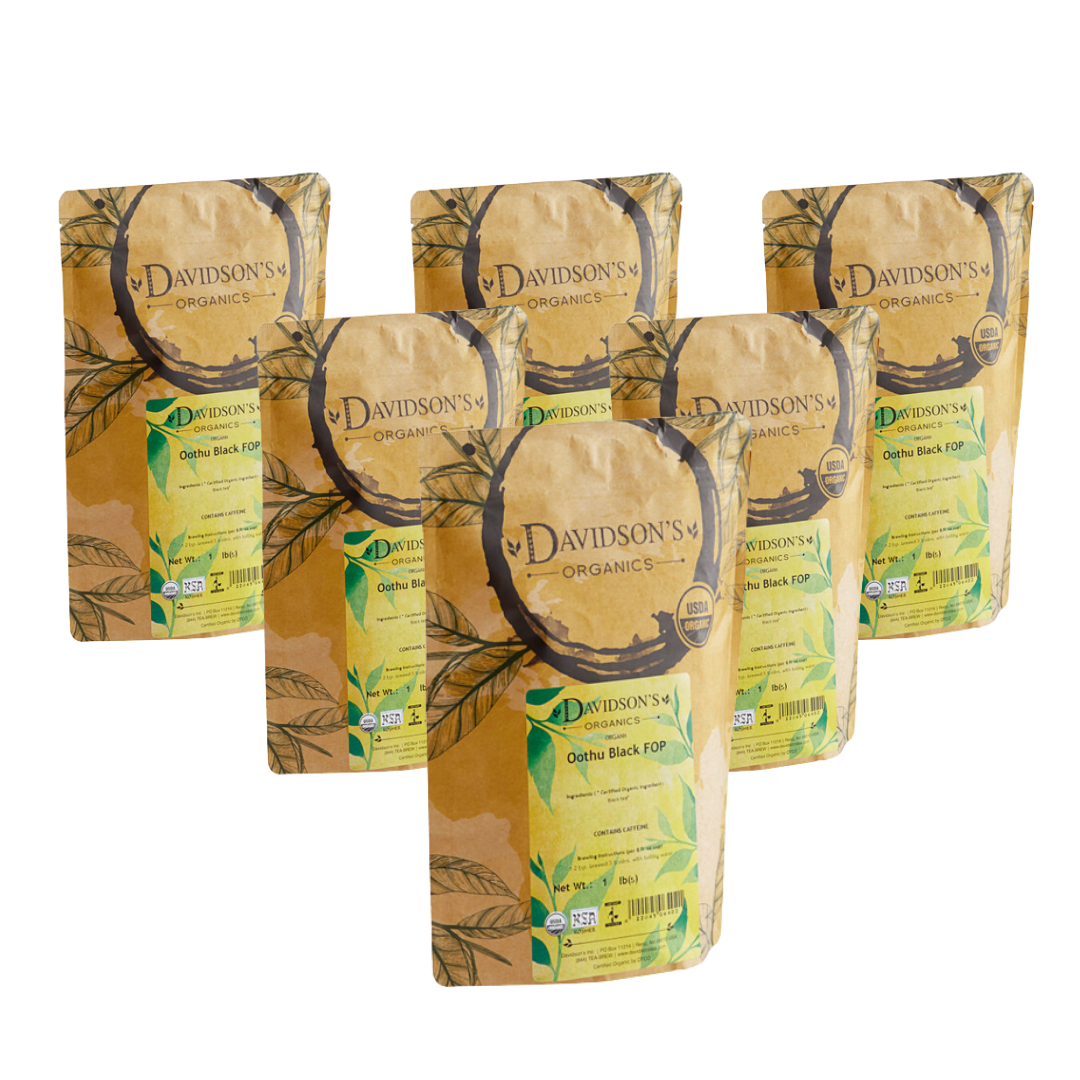
Organic certification through CFIA-accredited bodies addresses pesticide and synthetic input restrictions. Davidson's Organic carries this for their loose leaf line. The distinction matters for properties serving health-focused retreats, allergy-sensitive guests, or those simply preferring reduced chemical exposure. Note that organic does not guarantee fair labour practices; combine certifications if both values matter to your positioning.
Neither certification predicts cup quality. Orange Pekoe grade describes leaf size, not taste. A broken-grade CTC bag may outperform a whole-leaf Orange Pekoe in extraction speed and colour intensity, while the whole leaf offers more aromatic complexity. Match grade to application: bold colour and quick brewing for buffet urns, nuanced flavour for individual pot service at seated breakfast.
Matching Format to Your Operation Model
The right choice depends on labour, equipment, and guest interaction style.
High-volume, low-supervision settings favour tea bags. Guests help themselves, waste is limited to one bag per attempt, and cleanup means emptying a hot water urn. For Airbnb hosts managing remotely or facility operators with skeleton morning staff, this autonomy reduces labour cost and service failures. Stock multiple black tea strengths and one herbal option to cover basic preferences without complexity.
Properties emphasizing hospitality craft benefit from loose leaf service. The ritual of pot presentation, the visual of expanding leaves, the aroma released when lifting the lid: these create memorable moments that drive review sentiment. Boutique inns and executive-floor lounges in Calgary's corporate housing market use this distinction to justify rate premiums. The tradeoff requires trained staff, appropriate vessels, and longer service intervals.
Hybrid approaches work too. Offer bagged breakfast service as standard, with loose leaf available on request or in premium rooms. This contains cost and complexity while still capturing guests who value the upgrade. Your purchasing can reflect this: bulk cases of bags for base demand, smaller loose leaf quantities for targeted deployment. ChickenPieces.com stocks both formats in scale-appropriate packaging for this exact flexibility.
Tea Format Comparison for Canadian Foodservice
Use this to weigh operational factors against guest experience goals.
| Format | Extraction Speed | Typical Steep Count | Best Fit |
|---|---|---|---|
| Standard tea bag | Under 2 minutes | Single use | Self-serve, high turnover |
| Premium whole-leaf bag | 2–3 minutes | Single use | Visible quality, still fast |
| Broken-grade loose leaf | 2–4 minutes | 2–3 steeps | Urn service, mid-volume |
| Whole-leaf Orange Pekoe | 3–5 minutes | 3–4 steeps | Table service, premium positioning |
| CTC loose leaf | Under 2 minutes | 2 steeps possible | Strong colour, milk tea prep |
| Organic loose leaf | 3–5 minutes | 3–4 steeps | Wellness-marketed properties |
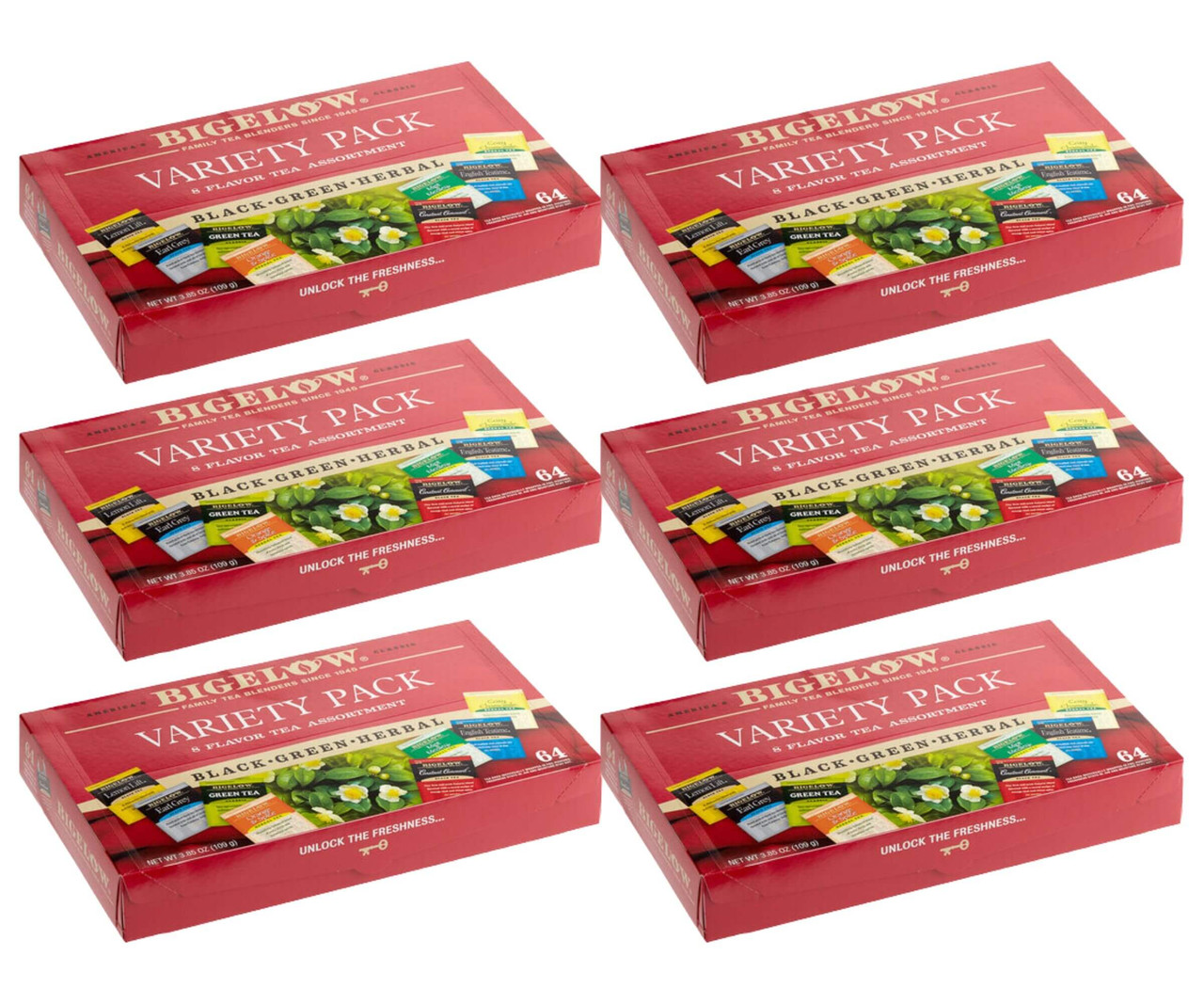
| Flavoured bagged blends | 2–3 minutes | Single use | Variety packs, guest choice |
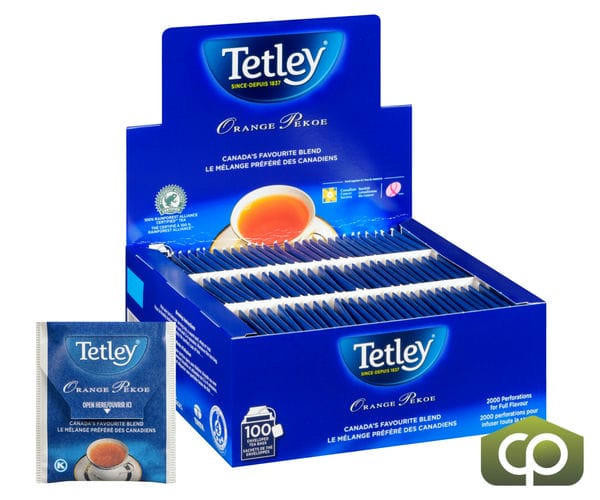
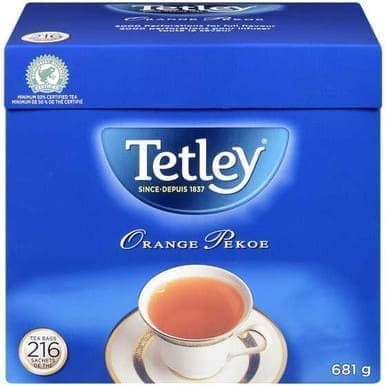
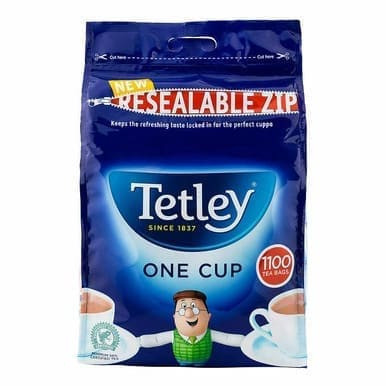
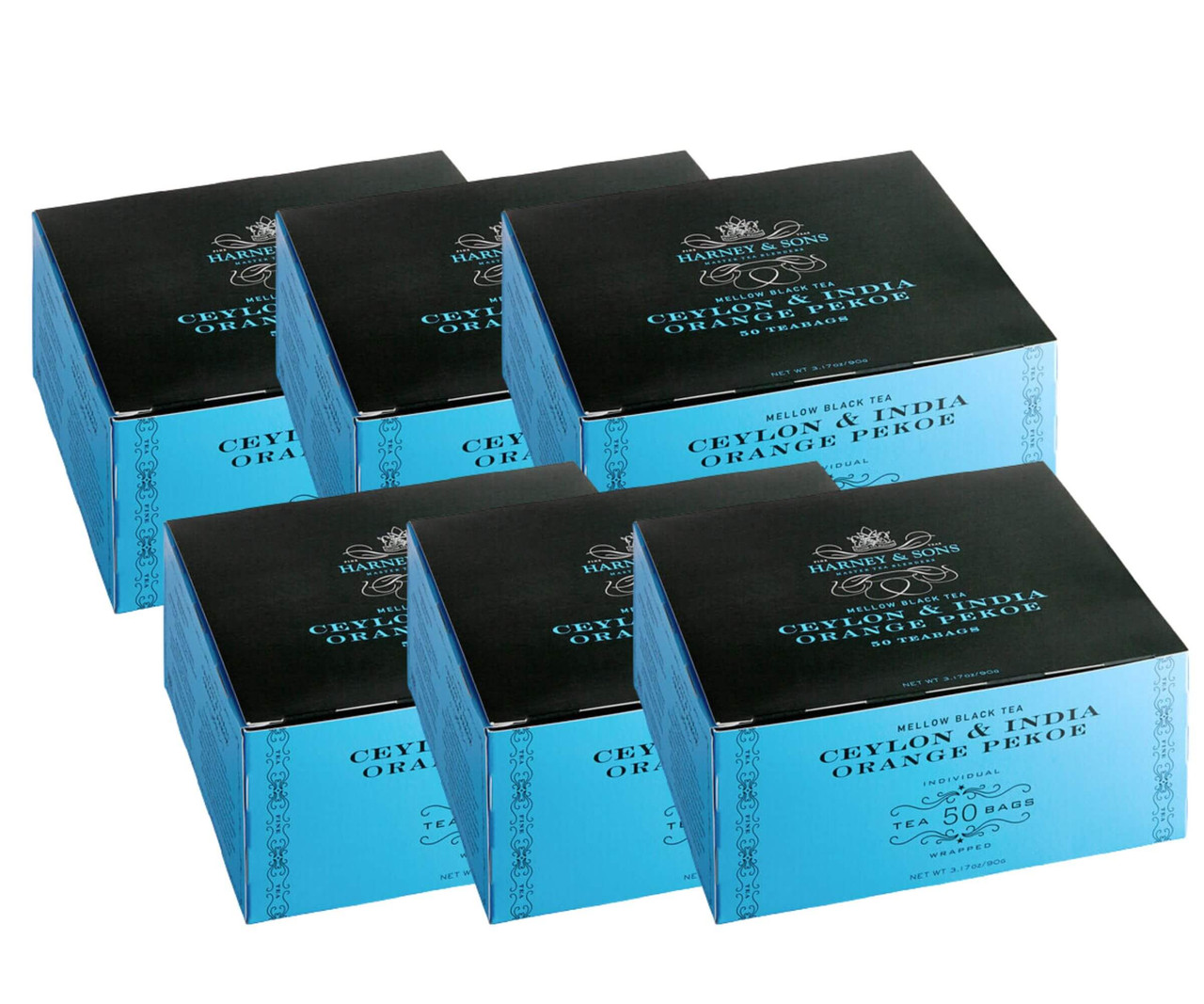
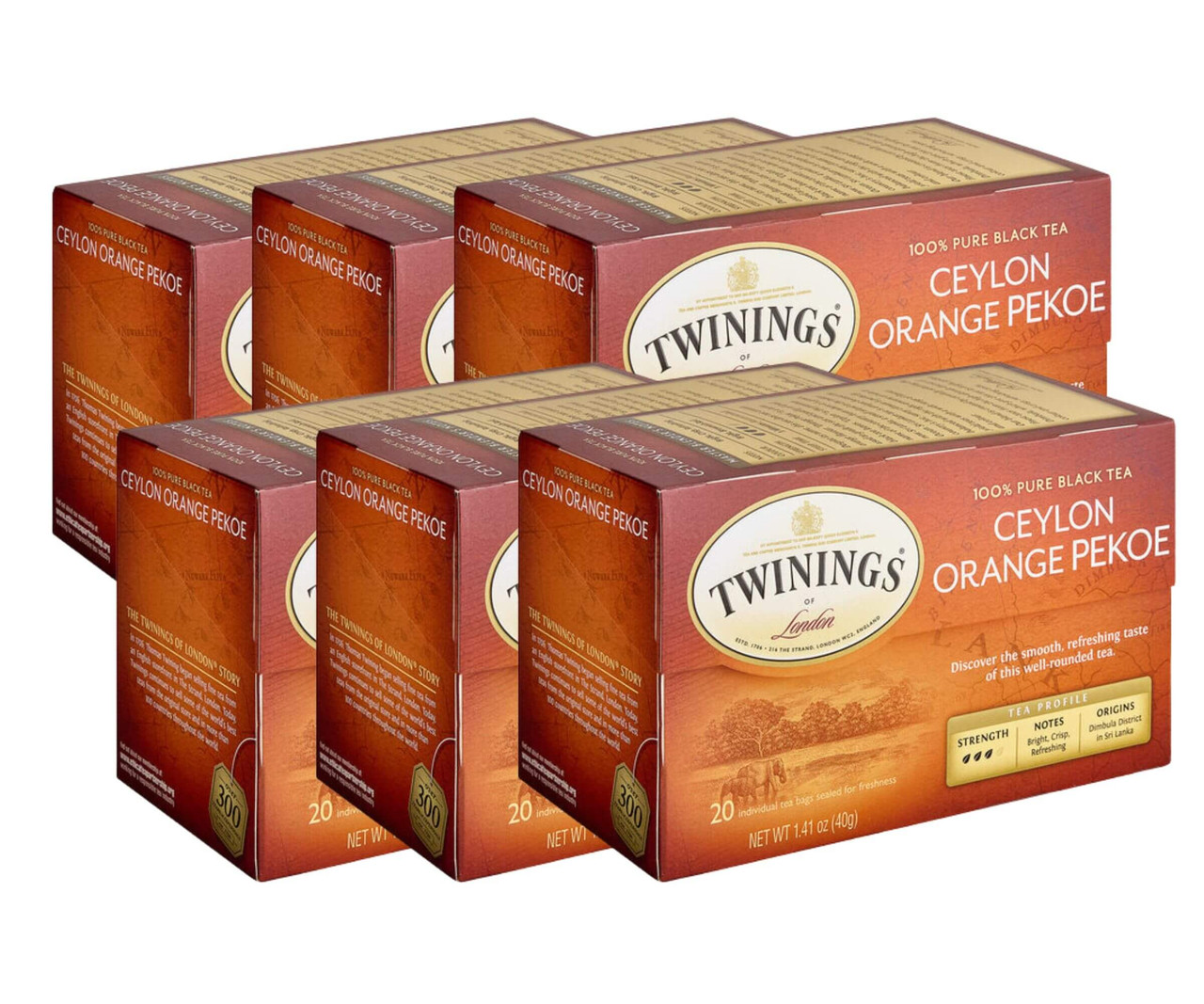
Tea for Every Service Style
Browse bagged and loose leaf formats sized for Canadian foodservice volume.

What Canadian facility operators say
What Canadian operators say about matching tea format to guest needs.
Switched our breakfast bar to bulk bags and stopped running out by nine. Guests do not notice the difference, and my housekeeping team spends ten fewer minutes resetting each morning.
We put loose leaf in the executive lounge and saw immediate mention in reviews. The aroma alone signals care before they even taste it.
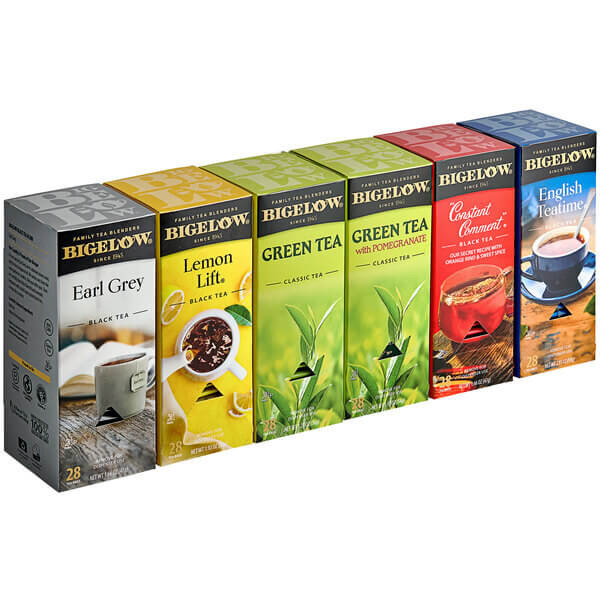
The variety pack lets us test what guests actually choose before we commit to cases. Saved us from overstocking a flavour nobody wanted.
Foodservice Tea Selection: Frequently Asked Questions
The following operator questions are answered with cited sources. Every FAQ links to Health Canada, CFIA, Canada.ca, or another authoritative regulator.
Is loose leaf tea really cheaper per cup than tea bags for a cafe?
Products referenced:
- loose leaf tea
- tea bags
- oolong tea
- black tea
Source: What are the differences between tea bags and loose leaf tea? - r/tea
Why does tea from bags taste bitter compared to loose leaf?
Products referenced:
- tea bags
- loose leaf tea
- black tea
Source: What are the differences between tea bags and loose leaf tea? - r/tea
Where can Canadian cafes buy loose leaf tea wholesale?
Products referenced:
- wholesale loose leaf tea
- matcha
- chai
- iced tea
How many times can you resteep loose leaf tea before flavour drops off?
Products referenced:
- loose leaf black tea
- oolong tea
- puerh tea
Source: Can you Reuse Tea Leaves for Multiple Infusions? - Fusion Teas
What equipment does a cafe need to serve loose leaf tea efficiently?
Products referenced:
- tea infusers
- paper tea filters
- teapots with filters
- strainers
Should a cafe use chai concentrate or brew chai from loose leaf and spices?
Products referenced:
- chai concentrate
- matcha
- chai tea
- chai latte mix
Source: Questions about serving chai and matcha in your cafe! - r/barista
Are premium tea bags good enough for restaurant service?
Products referenced:
- whole leaf tea sachets
- Mighty Leaf tea pouches
- tea bags
Source: Tea Bags vs Loose Leaf - r/tea
How much loose leaf tea should I order for a breakfast rush?
Products referenced:
- English Breakfast tea
- Earl Grey tea
- bulk loose leaf tea
Source: Wholesale Organic Tea for cafes, restaurants, spas and hotels - Lemon Lily
Which Canadian loose leaf tea shops do buyers recommend?
Products referenced:
- Westholme tea
- Canadian loose leaf tea
- wholesale tea programs
Source: Loose leaf tea? - r/BuyCanadian
Related guides from ChickenPieces
Why Canadian Operators Source Tea Here
Straightforward bulk buying with formats matched to real service demands.
Volume Sizes
Cases from one hundred to over eight hundred bags, plus pound-scale loose leaf, scale with your occupancy without frequent reordering.
Mixed Cartons
Variety packs let you test guest preferences before committing to single-flavour cases, reducing dead stock risk.
Verified Sourcing
Rainforest Alliance and organic options support properties with sustainability commitments or guest expectations to match.
CFIA Compliance
All food-contact products meet Canadian Food Inspection Agency import and labelling requirements for legal resale and service.
Sources & further reading
- How Much Does Loose Leaf Tea Cost Per Cup?
- Loose Leaf vs Tea Bags: Taste, Cost Per Cup, Quality
- STOP Drinking Tea Until You Watch This — Dr. Eric Berg DC (YouTube)
- Tea Expert Guesses Cheap vs Expensive Tea | Price Points | Epicurious — Epicurious (YouTube)
- Buying TEA At The Grocery Store - What To Look For...And Avoid! — Bobby Parrish (YouTube)
Request Your Tea Quote
Tell us your guest count, service style, and any certification needs. We will recommend formats and pack sizes that fit your operation without overselling speed we cannot guarantee.
Request a QuoteReferences: Health Canada - Food Chemical Contaminants CFIA - Food Safety for Industry.