

2026 Jul 22nd
Maximize Gatorade Concentrate Yield for Teams and Events
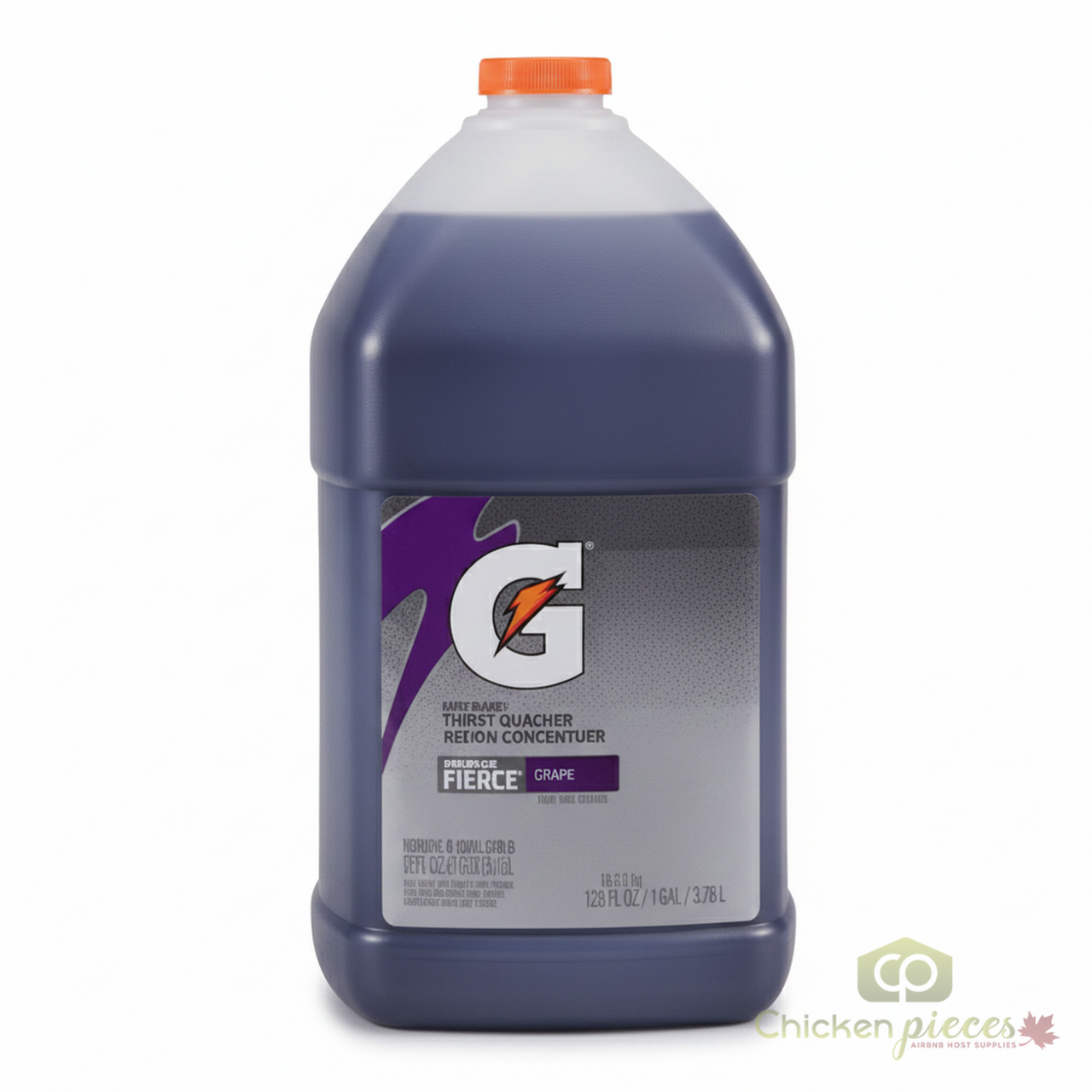
Standard Gatorade liquid concentrate typically dilutes at a ratio of one part concentrate to five parts water. This creates six total gallons from a single gallon container. Some newer formulas offer higher yield ratios for greater efficiency.
Maximize Gatorade Concentrate Yield for Teams and Events
Facility managers and event planners need reliable hydration supplies that minimize storage footprint and simplify restocking procedures for large groups of participants.
Key Takeaways
Review these key points to optimize your hydration supply chain.
Understand Dilution Ratios
Most standard concentrates mix at a five-to-one ratio with water. This means every gallon of liquid concentrate produces six gallons of ready-to-drink beverage for your team.
Calculate Total Volume
Determine the total volume needed by multiplying participant count by average consumption per hour. Multiply this by event duration to find the exact number of concentrate containers required.
Select Appropriate Formats
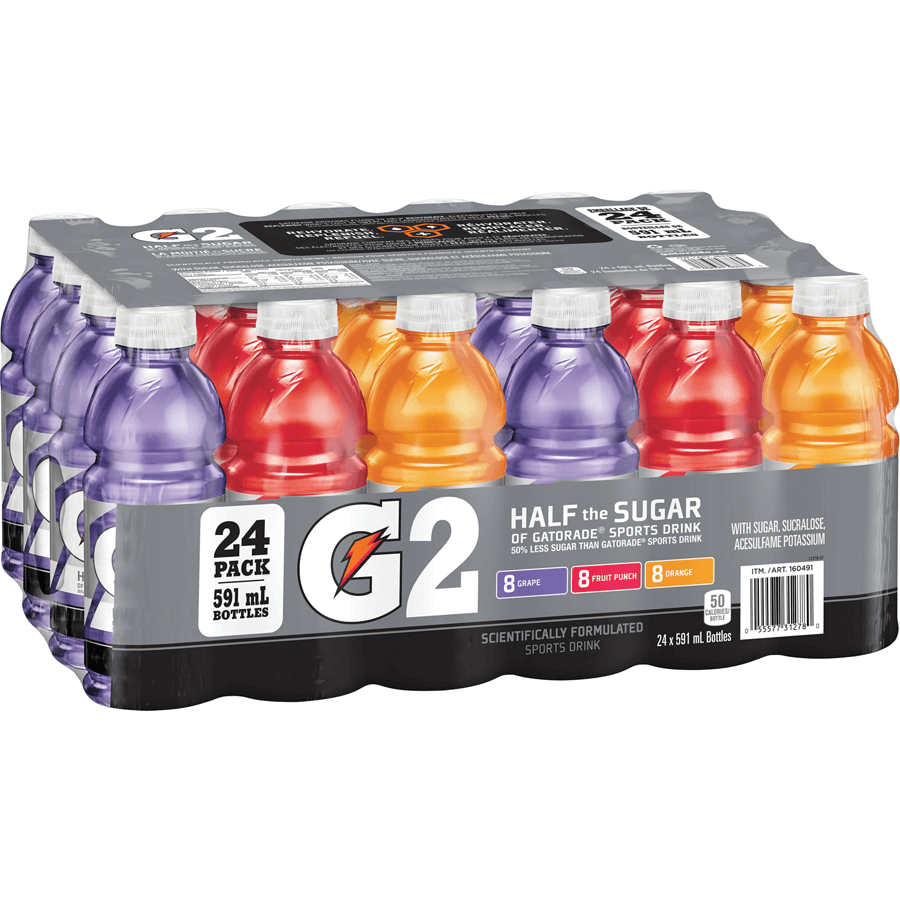
Choose between single-flavor gallons for consistency or variety packs for broader appeal. Pre-bottled options eliminate mixing steps entirely, ensuring speed and uniformity during high-demand periods at facilities.
Plan Storage Space
Concentrates require less shelf space than ready-to-drink bottles. Calculate your available storage capacity to determine how many cases you can hold before each delivery cycle arrives from suppliers.
Manage Flavor Preferences
Survey participants regarding preferred flavors to avoid waste. Offering popular choices like lemon-lime and fruit punch ensures higher consumption rates and reduces leftover inventory disposal issues for staff.
Schedule Regular Restocking
Set up recurring orders based on usage data. Consistent supply prevents stockouts during peak activity periods. Reliable delivery schedules help maintain adequate hydration levels without overstocking sensitive perishable items.
Understanding Concentrate Dilution Ratios
Learn how mixing ratios affect total output volume.
Liquid sports drink concentrate offers significant advantages for bulk purchasing. The primary benefit is reduced shipping volume compared to pre-mixed beverages. You purchase the active ingredients without paying for the weight of water during transport. This often translates to lower overall costs per serving when calculated correctly across large groups.
Most traditional Gatorade concentrates use a five-to-one dilution ratio. This means you add five parts water to one part concentrate. The resulting mixture yields six times the original volume of the concentrate container. A standard gallon jug therefore produces six gallons of ready-to-drink beverage for distribution. To execute this accurately, use calibrated measuring containers marked in liters or gallons. Ensure that the water temperature is cold, ideally below four degrees Celsius, before mixing to enhance solubility and taste profile. Staff should agitate the mixture vigorously for thirty seconds to ensure uniform electrolyte distribution throughout the volume.
Verify the specific product code on the packaging before initiating the mixing process. Different manufacturing batches may have slight variations in viscosity or density. Record the lot number in your inventory log for traceability purposes, which is essential for compliance with health and safety standards. This documentation helps in recalling specific batches if quality issues arise later.
Calculating Total Yield Per Container
Determine how much drink you get from each unit.
Accurate yield calculation prevents shortages during critical events. Start by identifying the container size of your chosen concentrate. Multiply this volume by the total dilution factor specified on the packaging. This gives you the exact amount of finished product available from that single unit before any additional purchases are made.
Some newer product lines offer higher efficiency ratios. Certain varieties may provide a twenty-four-to-one yield potential depending on the specific formula used. Always verify the label instructions for each batch to ensure accurate planning. Higher yield products significantly reduce the number of containers needed for large gatherings.
Document the actual output volume after mixing to account for any spillage or measurement errors during the preparation phase. This data helps refine future estimates and improves inventory accuracy. Use digital scales to weigh the concentrate before pouring, ensuring precise quantity control. Track the weight-to-volume conversion for each product type in a central spreadsheet accessible to all staff members involved in hydration planning.
Estimating Needs For Teams And Events
Project consumption based on participant count and duration.
Estimating hydration needs requires understanding typical consumption rates. Active individuals generally require substantial fluid replacement during extended physical activity. Multiply the number of participants by an estimated hourly intake rate. Then multiply that figure by the expected duration of the event to determine total volume requirements precisely.
Consider offering multiple serving stations for large groups. This reduces wait times and ensures continuous access to hydration. Plan your concentrate purchases to cover peak demand periods comfortably. Having a small buffer stock prevents interruptions in service during busy moments at facilities or competitions.
Adjust consumption estimates based on activity intensity levels. High-intensity interval training may require up to one liter per hour, while moderate activities might need only half that amount. Factor in breaks and rest periods when calculating total fluid needs. Include a ten percent contingency for unexpected participants or increased thirst due to weather changes.
Optimizing Storage Space And Efficiency
Maximize warehouse capacity with concentrated formats.
Facilities often face space constraints in storage areas. Concentrated liquids occupy far less room than equivalent volumes of pre-mixed drinks. This efficiency allows you to stock larger quantities without expanding physical infrastructure. Reduced footprint also simplifies inventory management processes for staff responsible for supply handling.
Proper organization further enhances operational efficiency. Group similar products together and label shelves clearly. Implement a first-in-first-out system to ensure older stock is used before newer deliveries arrive. This practice minimizes waste from expiration and maintains consistent product quality for end users throughout the season.
Install shelving units designed to support heavy liquid containers securely. Ensure aisles are wide enough for easy movement of carts or pallet jacks. Monitor humidity levels in storage rooms to prevent label degradation or container corrosion. Regularly inspect seals for integrity before storing new deliveries.
Selecting Flavors And Product Types
Choose options that match participant preferences effectively.
Participant preference plays a major role in consumption rates. Offering popular flavors like lemon-lime and fruit punch ensures higher acceptance. Some individuals prefer zero-sugar options for dietary reasons. Providing variety allows everyone to find a suitable choice, increasing overall satisfaction and reducing leftover inventory disposal issues.
Conduct quarterly surveys to gather feedback on flavor preferences. Use this data to adjust purchasing orders accordingly. Introduce new seasonal flavors during specific periods to maintain engagement. Track sales of each variant to identify top performers and underperformers.
Streamlining Restocking And Delivery Schedules
Plan consistent supply chains for uninterrupted service.
Consistent supply prevents operational disruptions during peak usage times. Establish clear reorder points based on historical consumption data. Regular delivery schedules help maintain adequate inventory without excessive warehousing costs. Reliable partners ensure timely arrival of goods, keeping your hydration stations fully stocked for all participants.
Negotiate delivery windows that align with low-activity periods to minimize disruption. Coordinate with suppliers to receive partial shipments if storage space is limited. Implement barcode scanning systems for quick inventory updates upon receipt. Train staff on proper handling procedures to prevent damage during unloading.
Comparison Of Hydration Formats
Review key differences between concentrate and ready-to-drink options.
| Format Type | Yield Per Unit | Storage Efficiency | Prep Time |
|---|---|---|---|
| Standard Concentrate | 6 Gallons | High | Low |
| High-Yield Concentrate | 24 Gallons | Very High | Low |
| Variety Pack Concentrate | Mixed Yields | High | Medium |
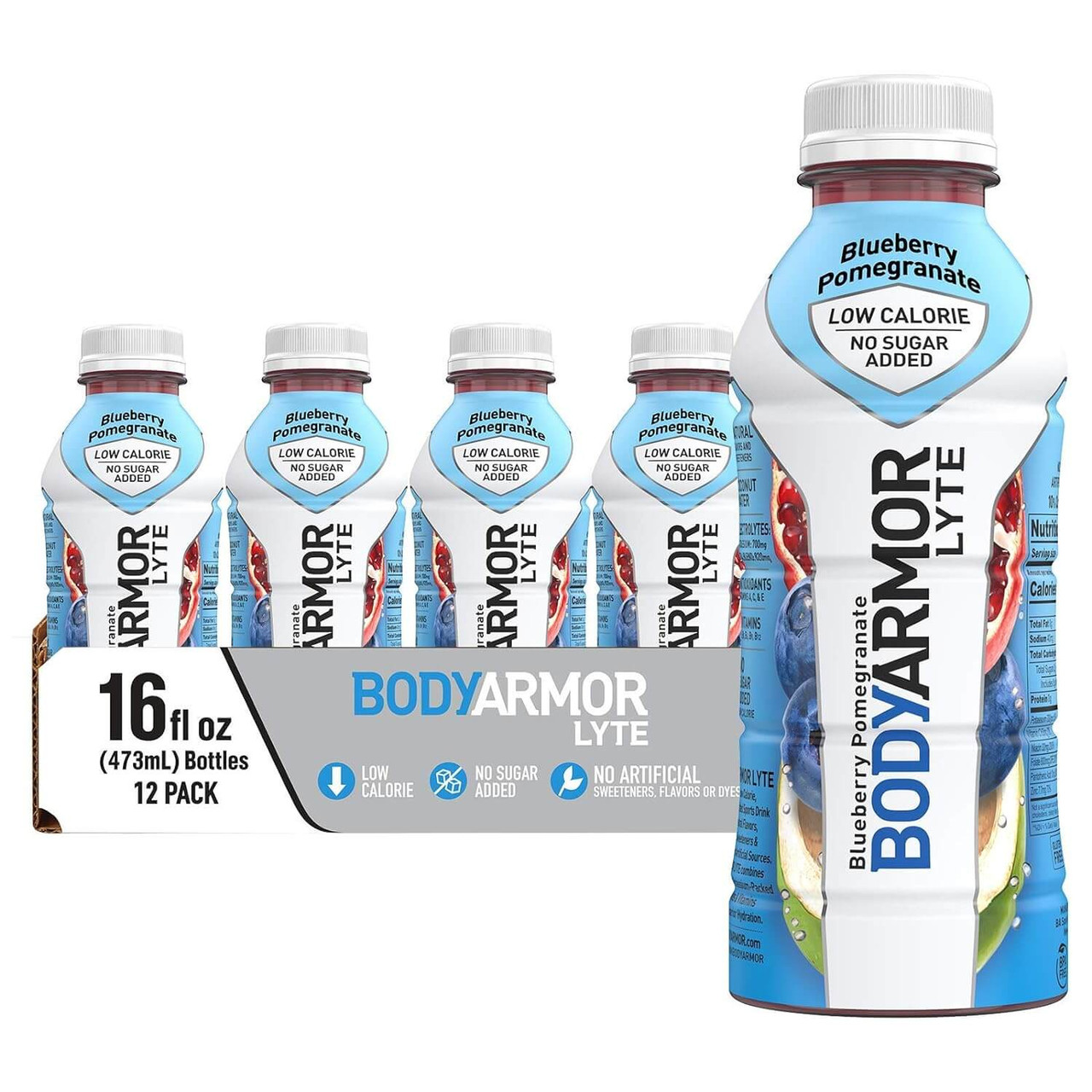
| Ready-To-Drink Bottles | Single Serve | Low | None |
| Clubpack Variety | Single Serve | Low | None |
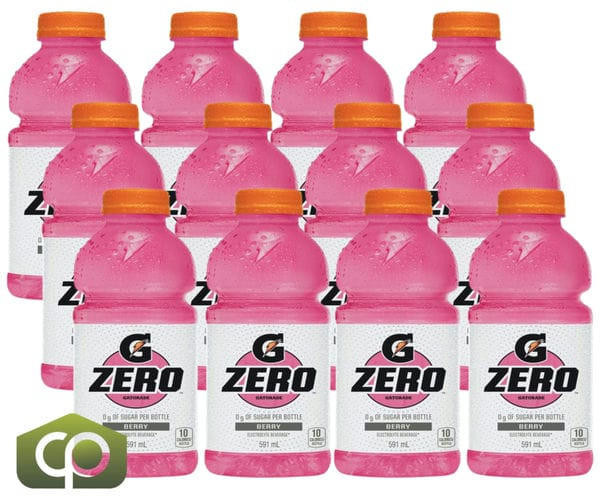
| Sugar-Free Options | Varies | Medium | Low |
| Coconut Water Blends | Single Serve | Low | None |
Explore Bulk Hydration Options
View our complete range of sports drinks and concentrates.



People Also Ask
Real questions buyers search before they order — answered straight.
How much finished drink does one gallon of liquid concentrate make?
A gallon of concentrate makes many times its own volume once diluted, with the exact amount set by the mixing ratio printed on the jug. To estimate it, multiply the concentrate volume by the ratio to get the total finished volume. This is why a single jug can supply a large group from a compact container.
How many servings' worth of drink is in a gallon of concentrate?
Once you know the finished volume from the dilution ratio, divide it by your cup or bottle size to get the number of servings. Larger cups mean fewer servings per gallon, smaller cups mean more, so the count depends on how you pour. Working from your own serving size gives a far more accurate figure than a generic estimate.
How do you work out how many servings you need to reach a set volume, like 64 ounces?
Take your target volume and divide it by the size of each finished serving to find how many servings you need, then work back to the concentrate using the dilution ratio. For a fixed jug or dispenser, simply fill to the marked line for that volume. Planning to the volume you actually need avoids both running short and over-mixing.
How do you estimate how much concentrate to buy for an event?
Start with your expected number of guests and a realistic serving size each, multiply to get the total finished volume, then divide by the yield per container to find how many jugs to order. Add a small buffer for your busiest period so you do not run dry at peak. Buying to a calculated total is far safer than guessing.
Does the dilution ratio change how far a container goes?
Yes, the ratio directly sets the yield: a higher water-to-concentrate ratio makes more finished drink per jug, while a stronger mix makes less. Always follow the ratio on the specific product, as watering it down too far to stretch supply spoils the taste and balance. Sticking to the stated ratio gives both the right flavour and the yield the maker intends.
What is the simplest way to scale a recipe up for large batches?
Keep the same concentrate-to-water ratio and multiply both parts by the number of batches you need, mixing in a clean, marked container so you can see the volume. Measuring rather than eyeballing keeps large batches consistent. Scaling the ratio proportionally means a big batch tastes exactly like a small one.
What Canadian Event coordinators say
See what other facility managers say about our service.
Switching to concentrate saved us massive storage space in the gym. The dilution ratio is easy for staff to follow, and participants love the fresh taste every time we mix a new batch.
Consistent delivery schedules mean I never run out during tournaments. The variety packs keep everyone happy, and the high-yield options are perfect for our large summer camps.
We needed a reliable supplier for our school district. The bulk pricing on concentrates helped us stay within budget while providing excellent hydration options for all athletes.
Mixing Guidelines: Frequently Asked Questions
The following operator questions are answered with cited sources. Every FAQ links to Health Canada, CFIA, Canada.ca, or another authoritative regulator.
What is the correct water-to-concentrate ratio for Gatorade liquid concentrate?
Products referenced:
- Gatorade 5+1 liquid concentrate
- NSF dilution dispenser
- NSF measuring container
How many ounces of finished Gatorade does one gallon of concentrate produce?
Products referenced:
- Gatorade 5+1 concentrate bottle
- NSF dilution dispenser
- NSF commercial cooler
Source: Gatorade yield per gallon of concentrate - r/Fitness
Does mixing concentrate ahead of time save money versus mixing by the cup?
Products referenced:
- NSF beverage cooler
- wall-mounted dilution dispenser
- Gatorade 5+1 concentrate case
Source: Does mixing Gatorade concentrate ahead of time save money?
Can I mix Gatorade concentrate stronger than the label for a hot-weather practice?
Products referenced:
- Gatorade 5+1 concentrate
- NSF beverage cooler
- NSF cooler thermometer
How do I calculate how much Gatorade concentrate to buy for a tournament weekend?
Products referenced:
- Gatorade 5+1 concentrate case
- Powerade concentrate case
- NSF portion cups
Source: Tournament hydration planning worksheet - Sports Venue Management
Is it wasteful to mix a full gallon of Gatorade concentrate for a small team?
Products referenced:
- Gatorade 5+1 concentrate bottle
- NSF quart measuring container
- NSF commercial refrigerator
Are NSF-listed dispensers required for mixing Gatorade in a commercial kitchen?
Products referenced:
- NSF dilution dispenser
- NSF beverage cooler
- Gatorade 5+1 concentrate case
Does the concentrate yield change if I mix with cold water instead of room temperature?
Products referenced:
- Gatorade 5+1 concentrate
- NSF dilution dispenser
- NSF mixing container
Can I mix Gatorade concentrate into a cooler that already has ice in it?
Products referenced:
- Gatorade 5+1 concentrate case
- NSF beverage cooler
- NSF mixing container
Related guides from ChickenPieces
Why Choose Our Wholesale Service
We provide reliable supply chain solutions for Canadian businesses.
Local Expertise
Our Calgary-based team understands regional needs. We offer personalized support and quick response times to address any questions or concerns about your order promptly.
Bulk Efficiency
Access competitive pricing through volume purchasing. Our warehouse capabilities allow us to stock large quantities, ensuring availability even during peak demand seasons across the province.
Reliable Delivery
Count on consistent shipping schedules. We coordinate logistics carefully to ensure your supplies arrive on time, keeping your operations running smoothly without unexpected interruptions or delays.
Compliance Standards
All products meet Health Canada regulations. We strictly adhere to federal safety guidelines, ensuring every item we sell is safe for consumption and compliant with local laws.
Request A Custom Quote Today
Contact our team to discuss your specific hydration needs. We will tailor a package that fits your budget and supply requirements perfectly.
Request a Quote