
2026 Jul 18th
Glove Usage Rates: Real Change Rules for Food Service Teams
Average usage ranges from twenty to forty pairs per shift depending on task intensity. Staff must change gloves after handling contaminated items or every four hours. Tracking actual consumption prevents over-ordering while maintaining strict hygiene standards for all team members.
Glove Usage Rates: Real Change Rules for Food Service Teams
This guide helps facility operators calculate accurate glove consumption per shift. Understanding usage patterns prevents waste while ensuring strict hygiene compliance across all service areas and staff rotations.
Key Takeaways
These points outline the core strategies for optimizing glove inventory and ensuring compliance.
Track Actual Usage
Monitor daily consumption rates to identify spikes. Accurate tracking reveals true demand patterns. This data prevents overstocking while ensuring critical tasks always have adequate supply available for staff.
Follow Change Protocols
Change gloves after touching raw materials or dirty surfaces. Adhere to time-based limits of four hours. Immediate replacement reduces cross-contamination risks and maintains high hygiene standards across all operational areas.
Select Proper Fit
Proper sizing reduces tearing and improves dexterity. Offer multiple sizes to accommodate all staff members. Correct fit increases comfort during long shifts, leading to consistent use and fewer mid-task replacements.
Match Task Needs
Use heavy-duty options for cleaning and nitrile for food contact. Different tasks require specific protection levels. Matching gloves to duties ensures durability without compromising safety or tactile sensitivity required for precision work.
Audit Supply Chains
Review vendor reliability and stock consistency regularly. Ensure bulk purchasing aligns with actual usage data. Consistent supply prevents operational delays while maintaining cost efficiency through strategic bulk ordering practices.
Train Staff Properly
Educate teams on correct donning and doffing techniques. Proper application extends glove life slightly. Training reduces improper use that leads to early failure, ensuring maximum value from every pair distributed during shifts.
Understanding Daily Glove Consumption Rates
Accurate tracking of glove usage prevents waste and ensures compliance.
Food service teams often overestimate daily glove needs. Without tracking, managers assume high consumption rates across all stations. Reality shows significant variation based on task type. High-contact areas like dishwashing require more changes than dry prep zones. Understanding these differences allows for precise inventory planning.
Typical shifts see between twenty and fifty pair changes. This number fluctuates with staff experience and task complexity. Novice workers may change gloves more frequently due to errors. Experienced teams maintain hygiene while minimizing unnecessary swaps. Tracking this data reveals true operational demands accurately.
Seasonal peaks also impact consumption rates significantly. Holiday rushes increase turnover speed dramatically. Managers must adjust forecasts accordingly during these busy periods. Predictable patterns emerge when analyzing monthly trends over time. This historical data supports smarter purchasing decisions for future quarters effectively.
FDA Food Code Change Requirements Explained
Federal guidelines dictate when gloves must be replaced immediately.
The FDA Food Code sets clear standards for glove use. Gloves are not a substitute for hand washing. They must be changed after handling contaminated items immediately. This includes raw proteins, dirty dishes, and waste materials. Failure to follow these rules risks health violations and penalties.
Time-based limits apply even without visible soiling. Gloves degrade over time through friction and exposure. Four hours is the maximum wear duration allowed. Exceeding this limit increases contamination risk regardless of appearance. Strict adherence protects both public health and business reputation consistently.
State regulations may add further restrictions to federal codes. Some jurisdictions require color-coded gloves for different tasks. Understanding local laws ensures full compliance across all locations. Regular audits help verify that staff follow these protocols correctly. Consistent enforcement builds a culture of safety within the facility.
Matching Glove Types To Specific Tasks
Different tasks require specific glove materials for optimal performance.
Nitrile gloves excel in food preparation tasks. They offer excellent chemical resistance and dexterity. Powder-free options reduce residue on surfaces and equipment. These qualities make them ideal for handling ready-to-eat foods safely. Their durability supports frequent use without tearing easily during shifts.
Latex gloves provide superior tactile sensitivity for delicate work. Reusable varieties suit low-risk cleaning tasks effectively. However, allergy concerns limit their universal application in food areas. Managers must assess staff sensitivities before deploying latex options widely. Proper selection prevents accidents and ensures comfortable wear for everyone.
Heavy-duty synthetic gloves handle harsh chemicals safely. Dishwashing and industrial cleaning demand extra protection from abrasions. These thicker materials withstand prolonged exposure to hot water and detergents. Using appropriate heavy-duty gear extends glove life in tough environments. This choice reduces replacement frequency and overall supply costs efficiently.
Managing Stock Levels Without Waste
Effective inventory management balances availability with cost efficiency.
Overstocking ties up capital and risks expiration. Perishable supplies lose quality if stored too long. Accurate forecasting prevents this common operational pitfall entirely. Analyze past consumption data to predict future needs precisely. Order only what aligns with verified usage patterns to maintain lean inventory levels.
Understocking causes operational delays and staff frustration. Running out of essential items halts critical workflows immediately. This disruption impacts service quality and customer satisfaction significantly. Maintain safety stock buffers for high-demand items always. Strategic reserves ensure continuity even during unexpected supply chain fluctuations or rushes.
Centralized storage improves visibility and control over supplies. Keep all glove types in designated, accessible locations. Label shelves clearly with product names and sizes. This organization speeds up retrieval times during busy shifts. It also simplifies auditing processes for managers monitoring inventory levels regularly.
Training Teams On Proper Glove Use
Education ensures consistent hygiene practices across all personnel.
Proper training reduces unnecessary glove consumption significantly. Staff often change gloves prematurely due to habit. Educating them on actual contamination risks changes behavior positively. Focus training on critical control points like hand washing. This approach reinforces hygiene without wasting supplies unnecessarily.
Building Reliable Supply Chain Partnerships
Strong vendor relationships ensure consistent quality and availability.
Reliable suppliers prevent unexpected stockouts during peak times. Consistency in product quality matters greatly for operations. Partner with vendors who understand food service demands well. They provide tailored solutions based on your specific usage patterns. This collaboration enhances efficiency and reduces administrative burden significantly.
Glove Type Comparison For Operational Use
Review material properties to select the best option for each task.
| Glove Type | Best Use Case | Durability Level | Allergy Risk |
|---|---|---|---|
| Green Nitrile | Food Prep | High | Low |
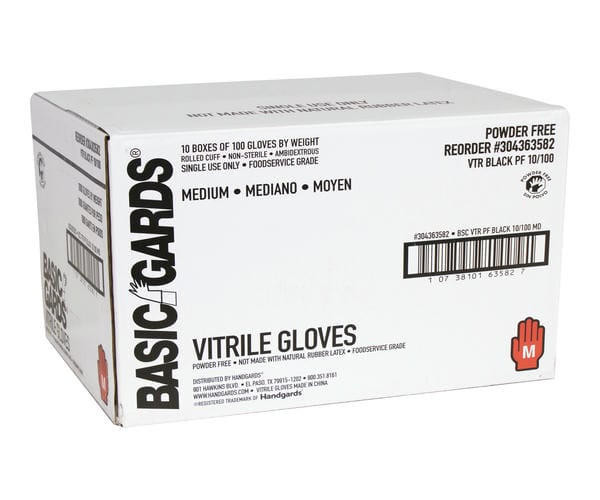
| Black Vitrile | General Cleaning | Medium | Low |
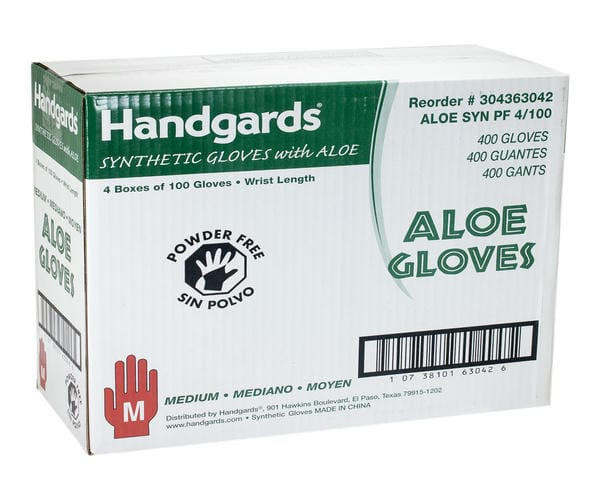
| Synthetic Aloe | Sensitive Skin | Medium | None |
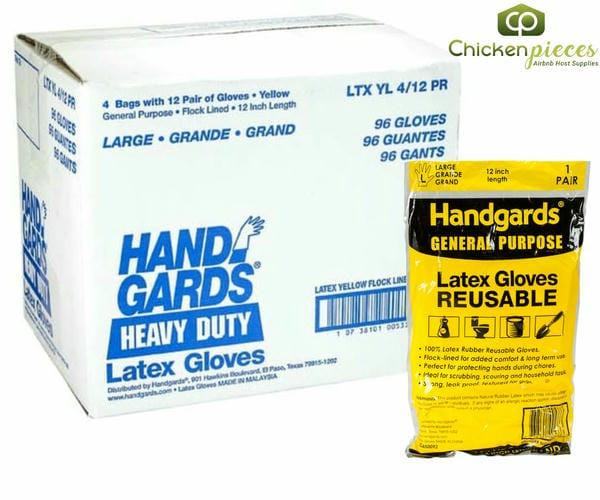
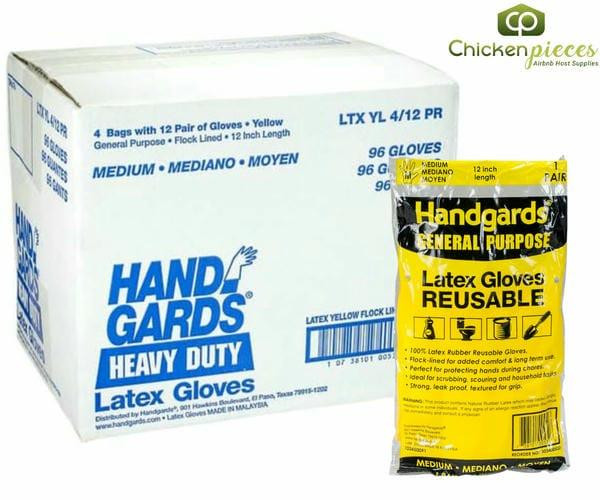
| Yellow Latex | Light Cleaning | High | Moderate |
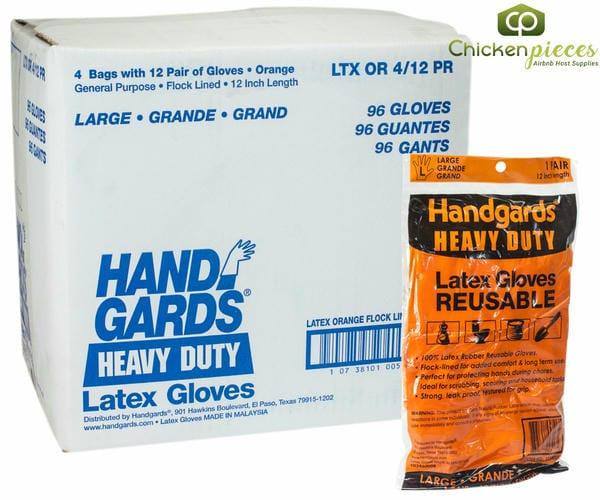
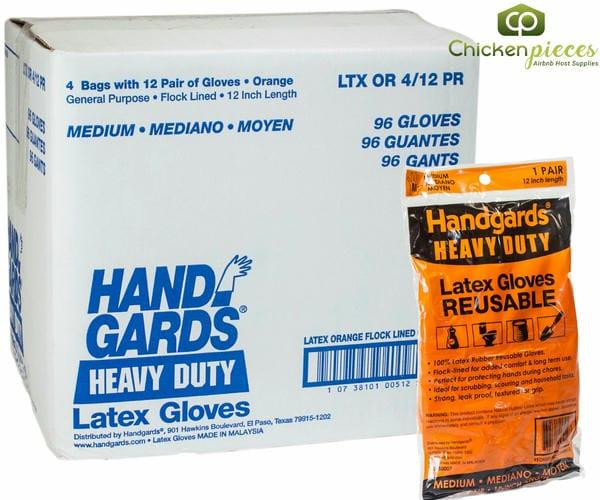
| Orange Latex | Heavy Cleaning | Very High | Moderate |
| Green Nitrile Heavy | Dishwashing | Very High | Low |
| Powder-Free Black | All-Purpose | Medium | Low |
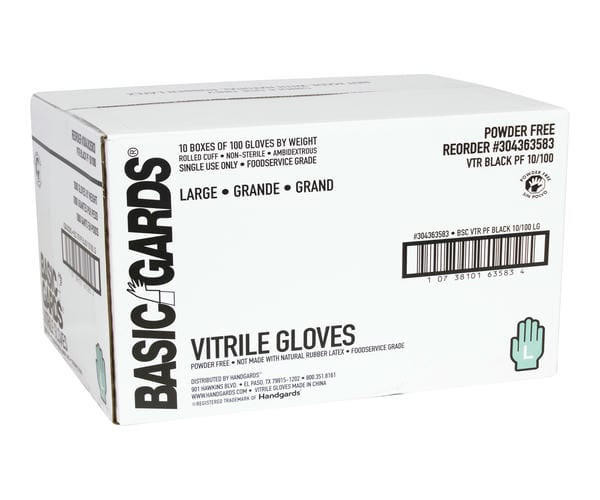
Browse Our Glove Selection
Explore our comprehensive range of professional-grade gloves for every task.

People Also Ask
Real questions buyers search before they order — answered straight.
Can disposable gloves be washed and reused between tasks?
Single-use disposable gloves are not meant to be washed and put back on — rinsing does not reliably clean them and can weaken the material, raising the risk of tears and cross-contamination. In food areas the rule is a fresh pair for each new task, then bin the old ones. Trying to stretch a pair usually costs more in safety than it saves in supplies.
Which disposable gloves suit staff with sensitive skin?
Staff who react to gloves are often sensitive to natural latex proteins or to the powder in older gloves, so powder-free nitrile is usually the most comfortable, latex-free choice. Vinyl is another latex-free option for lighter work. If irritation continues, look for gloves labelled low-accelerator, which cut the processing chemicals some people react to.
Are disposable gloves chemical resistant enough for cleaning between shifts?
Nitrile stands up to many everyday cleaning products and greases far better than thin vinyl, making it the safer pick for wipe-downs between shifts. No thin disposable is built for long soaking in strong solvents, though, so for heavy chemical work switch to a dedicated heavy-duty glove. Always check the product guidance if you are handling a strong concentrate.
Are used disposable gloves recyclable, or do they go in the bin?
Once used, most disposable gloves are not accepted in normal recycling and go into general waste, especially after contact with food or cleaners. Some suppliers run take-back or specialist recycling schemes, and a few gloves are now designed to break down faster. It is worth asking your supplier whether a recycling stream exists before assuming there is none.
Are disposable gloves sterile, and does a kitchen need sterile ones?
The vast majority of disposable gloves are non-sterile, which is perfectly suited to food prep, cleaning, and general handling. Sterile gloves are made for medical procedures that enter sterile areas and are not needed in a kitchen. For food-service teams, a good food-safe, non-sterile glove is exactly the right tool.
What should disposable gloves never be used for?
Thin disposables are a hygiene barrier, not protection against real heat, sharp repeated cutting, or long exposure to harsh solvents — those jobs need purpose-made gloves. They also work best changed often rather than worn for hours. Matching the glove to the task keeps both staff and food safe.
What Canadian facility managers say
See how other operators optimize their glove usage with our products.
Switching to nitrile reduced our waste significantly. Staff reported better comfort during long shifts. The durability impressed us, lasting longer than previous brands we tried for food prep tasks daily.
Heavy-duty latex gloves handle our cleaning chemicals perfectly. They resist tears and punctures effectively. Our maintenance team loves the textured grip feature, making slippery surfaces safer to manage efficiently.
Tracking usage helped us order precisely. No more expired stock sitting in storage. The variety of sizes ensures everyone fits comfortably, reducing complaints and improving overall hygiene compliance across all stations.
Common Usage Questions: Frequently Asked Questions
The following operator questions are answered with cited sources. Every FAQ links to Health Canada, CFIA, Canada.ca, or another authoritative regulator.
How many pairs of disposable gloves does a restaurant kitchen actually use per shift?
Products referenced:
- Nitrile Gloves, Powder-Free, Food Service, Box of 100
- Vinyl Gloves, Disposable, Food Service, Box of 100
- Glove Dispenser, Wall-Mounted, Stainless Steel
How often should food service workers change gloves during a shift?
Products referenced:
- Nitrile Gloves, Powder-Free, Food Service, Box of 100
- Vinyl Gloves, Disposable, Food Service, Box of 100
- Hand Soap, Antibacterial, Food Service, 1L Refill
Source: What do you think of how often this Five Guys employee changes his gloves - r/KitchenConfidential
What is the real cost per glove for food service operations?
Products referenced:
- Nitrile Gloves, 4 Mil, Powder-Free, Food Service, Box of 100
- Vinyl Gloves, 2 Mil, Disposable, Food Service, Box of 100
- Poly Gloves, 1 Mil, Disposable, Food Service, Box of 100
How many boxes of gloves come in a standard case for food service?
Products referenced:
- Nitrile Gloves, Powder-Free, Food Service, Case of 1,000
- Vinyl Gloves, Disposable, Food Service, Case of 1,000
- Poly Gloves, Disposable, Food Service, Case of 1,000
Are nitrile gloves ServSafe approved for food service?
Products referenced:
- Nitrile Gloves, 4 Mil, Powder-Free, Food Service, Box of 100
- Nitrile Gloves, Black, Food Service, Box of 100
Source: Are nitrile gloves ServSafe approved? - r/KitchenConfidential
What is the cheapest food service glove that still meets health code requirements?
Products referenced:
- Poly Gloves, 1 Mil, Disposable, Food Service, Box of 100
- Vinyl Gloves, 2 Mil, Disposable, Food Service, Box of 100
- Nitrile Gloves, 4 Mil, Powder-Free, Food Service, Box of 100
How do you calculate glove budget for a restaurant?
Products referenced:
- Nitrile Gloves, Powder-Free, Food Service, Case of 1,000
- Vinyl Gloves, Disposable, Food Service, Case of 1,000
Do reusable gloves make sense for restaurant kitchens?
Products referenced:
- Nitrile Gloves, 4 Mil, Powder-Free, Food Service, Box of 100
- Rubber Gloves, Heavy-Duty, Cleaning, Pair
Source: Reusable gloves for repetitive task in the restaurant kitchen - r/Cooking
Related guides from ChickenPieces
Why Choose Our Supply Solutions
We provide reliable, compliant products tailored for professional operations.
Bulk Efficiency
Our packaging supports large-scale operations effectively. Bulk units reduce ordering frequency and administrative overhead. This efficiency allows managers to focus on core tasks rather than supply chain logistics daily.
Quality Assurance
Every product meets strict quality standards consistently. Durability and safety are prioritized in manufacturing processes. You receive reliable items that perform well under demanding conditions without failing prematurely during critical shifts.
Local Support
Based in Calgary, we understand regional needs deeply. Our team offers personalized assistance for complex orders. Quick response times ensure issues are resolved promptly, keeping your operations running smoothly without unnecessary delays or disruptions.
FDA Compliance
All food-contact items adhere to FDA Food Code guidelines strictly. We verify compliance thoroughly before stocking products. This dedication ensures your facility meets legal requirements while maintaining high hygiene standards for public safety.
Sources & further reading
- FDA Food Code 2022 — U.S. FDA
- Proper Glove Use to Prevent Contamination — Penn State Extension
Request A Custom Quote Today
Contact our team for personalized pricing on bulk orders. Get tailored solutions that fit your specific usage patterns and budget constraints effectively.
Request a QuoteReferences: Health Canada - PPE Standards FDA - Medical Glove Guidance.