

2026 Aug 15th
Buy Condiments in Bulk for Hotels and Short-Term Rentals
Jugs work best for back-of-house pump stations. Portion packs control costs in grab-and-go settings. Mayo needs refrigeration; ketchup and mustard do not. Match the format to your guest flow and storage setup.
Buy Condiments in Bulk for Hotels and Short-Term Rentals
Airbnb hosts and facility operators need condiments that hold up to high turnover without constant restocking or waste.
Key Takeaways
Six practical points to guide your condiment program.
Match Format to Guest Flow
Self-serve breakfast bars need pumps. Checkout counters need portion packs. In-room kitchens need bottles. Wrong format means waste or complaints.
Refrigeration Rules Mayo
Mayonnaise is a pre-emulsified high-fat base that spoils fast. The FDA Food Code marks it as TCS food. Ketchup and mustard are shelf-stable after opening.
Portion Packs Control Waste
Single-serve packets stop guests from taking half-used bottles. They cost more per ounce but cut spoilage and labor in high-turnover properties.
Pumps Need Regular Cleaning
Pump dispensers build up residue at the nozzle. Schedule weekly breakdown and soak. Health inspectors check these during routine visits.
Check Viscosity on Refills
Thinner ketchup drips and makes a mess. Thicker product stays where you put it. Test one jug before committing to a full case.
Label for Allergen Awareness
Honey packets contain a major allergen trigger for infants. Mustard is an allergen in Canada. Post ingredient cards where guests serve themselves.
Jugs, Pumps and Packs: What Works Where
Each format solves a different operational problem in guest foodservice.
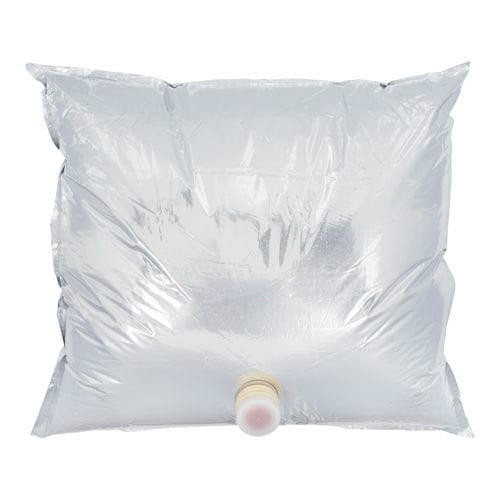
Jugs and pouches dominate back-of-house operations. The 11.35L Vol-Pak fits a pump bracket and feeds a breakfast line for days. Staff refill less often. The tradeoff is storage footprint and the need for a cold holding plan if the product contains mayo or dairy-based elements.
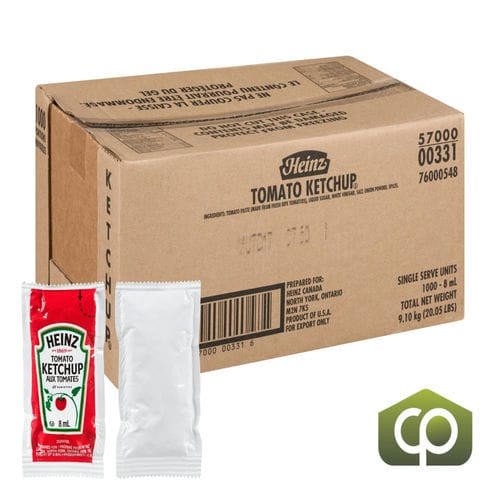
Portion packs shine in grab-and-go contexts. Guests take what they use. Housekeeping finds sealed packets instead of sticky bottles. The waste shifts from spoiled product to wrapper disposal. For 200-unit properties, the labor savings often offset the higher unit cost.
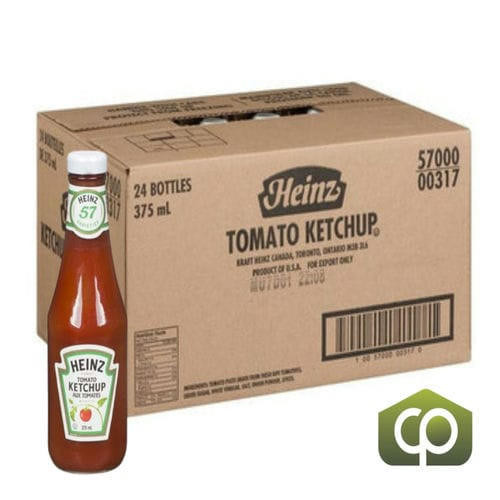
Personal bottles work for in-room kitchens and extended-stay suites. The 375ml Heinz bottle is a familiar sight for American travelers. Glass bottles add perceived value but need careful handling. Plastic is safer for poolside cabanas and outdoor grills where breakage is a real risk.
What Needs Refrigeration and What Does Not
Misunderstanding storage rules creates health code violations.
Ketchup and mustard are acidified products. Vinegar and mustard seed extract create an environment where harmful bacteria struggle to grow. The FDA Food Code classifies them as non-TCS foods. You can leave pump dispensers on counters during service. Refrigeration extends quality but is not required for safety.
Mayonnaise is different. It is an emulsion of oil and egg yolk. Once opened, it becomes a Temperature Control for Safety food. That means your cold holding equipment must keep it at 41°F or below. Room-temp mayo pumps are a common citation in Florida health inspections.
Honey sits in a middle category. Pasteurized liquid honey resists microbial growth due to low water activity. It does not need refrigeration. However, portion packs left in direct sun will crystallize and harden. Store bulk cases in a dry, moderate-temperature closet.
Right-Size Servings to Cut Guest Waste
Oversized portions inflate food cost without improving satisfaction.
Standard portion packs run 8g to 12g. That is enough for a single serving without excess. Joshua Weissman's framework for sauce building applies here: the base must carry the full bite, not overwhelm it. A 20g ketchup cup on a breakfast plate mostly gets scraped into the trash.
Pump dispensers typically deliver 1oz per depression. That is roughly 28g. Fine for a burger build, excessive for a side of fries. Adjustable pumps let you set half-ounce throws. Train staff or post small signs so guests do not double-pump out of habit.
Personal bottles put portion control in guest hands. Some operators switch to flip-top dispensers with smaller orifices. Others simply stock smaller bottles. The 375ml bottle empties fast enough that stale ketchup is rarely an issue, unlike the giant jug that sits open for three months.
What Texture Tells You About Quality
Viscosity and aroma signal freshness and formulation differences.
High-quality ketchup shows moderate thickness and visible texture from tomato solids. It clings to the spoon rather than dripping immediately. The aroma carries both sweetness and tartness in balance. Muted smell often means older product or higher water content in the formulation.
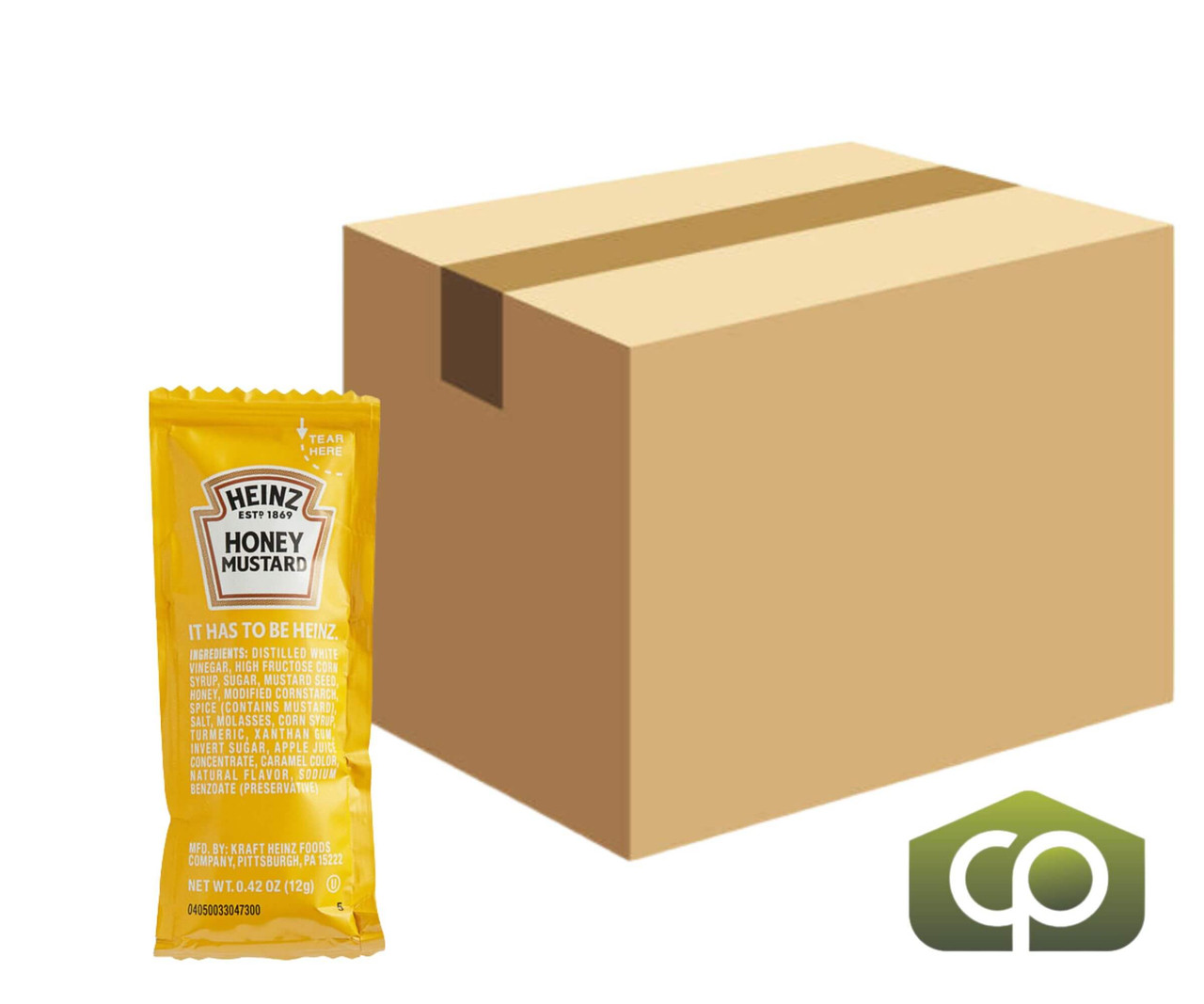
Mustard ranges from smooth to coarse-ground. Honey mustard blends smooth mustard base with liquid honey. The viscosity should pour cleanly without separating. Separation in the bottle indicates emulsion breakdown. Shake test any new lot before accepting cases.
Mayonnaise quality shows in the emulsion stability. A broken mayo looks oily or curdled. Good mayo is uniformly white to pale yellow and holds a peak on a spoon. Weissman notes that mayo is the base of ranch, remoulade and sandwich spreads. If your base mayo fails, every derivative sauce fails too.
Corn Relish and Pickle Relish as Accents
Relishes add texture variation to standard condiment lines.
Relish is not a core condiment but it rounds out a service line. Bicks sweet corn relish in 4L jugs works for properties with grill stations or summer outdoor dining. The corn kernels add pop and visual interest. It is less universal than ketchup, so stock conservatively until you know your guest mix.
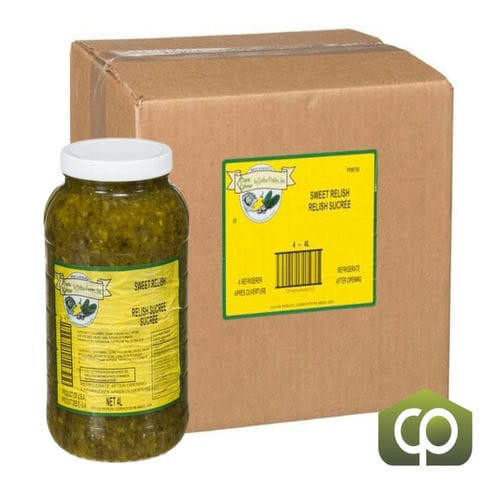
Coolcrisp pickle relish serves the classic hot dog and burger profile. The 4L format with two units per case matches mid-size properties. Refrigerate after opening. The sweet variant appeals to broader palates than dill relish, which polarizes guests.
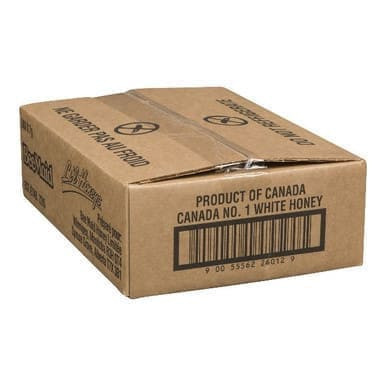
Honey portions function as both condiment and sweetener. The 7g packet size suits coffee and tea service as well as biscuit and toast applications. BeeMaid's bulk pallet configuration—50 cases of 500 packets—fits properties running central purchasing for multiple locations.
FDA Food Code and Canadian Alignment
Both countries share core principles with minor labeling differences.
The FDA Food Code governs US operations. Section 3-501.16 sets cold holding at 41°F for TCS foods including mayonnaise. Section 3-602.11 requires food identification by common name. Your condiment dispensers need labels that guests can read. 'House sauce' is not sufficient if the product contains a priority allergen.
Canada's Safe Food for Canadians Regulations align closely but specify mustard as a priority allergen. The US lists only sesame, soy, wheat, eggs, milk, fish, shellfish, peanuts and tree nuts. If you operate across the border, use Canadian-compliant labeling everywhere to avoid dual systems.
Date marking applies to opened containers in both countries. The seven-day rule for ready-to-eat TCS foods is standard. Mark jugs with open dates. Train staff to rotate stock first-in, first-out. Unmarked containers are an automatic demerit in Michigan, Ohio and Illinois health inspections.
Condiment Format Comparison
Match your service style to the right packaging format.
| Format | Best For | Storage Need | Labor Tradeoff |
|---|---|---|---|
| 11.35L Vol-Pak Jug | High-volume pump stations | Shelf-stable; refrigerate if mixed with mayo | Less refilling, more cleaning |
| 375ml Glass Bottle | In-room kitchens, extended stay | Ambient after opening | Guest handles portioning |
| 8g Ketchup Packet | Grab-and-go, checkout counters | Ambient | Higher restocking, zero waste |
| 12g Mustard Packet | Hot dog bars, mobile carts | Ambient | Same as above |
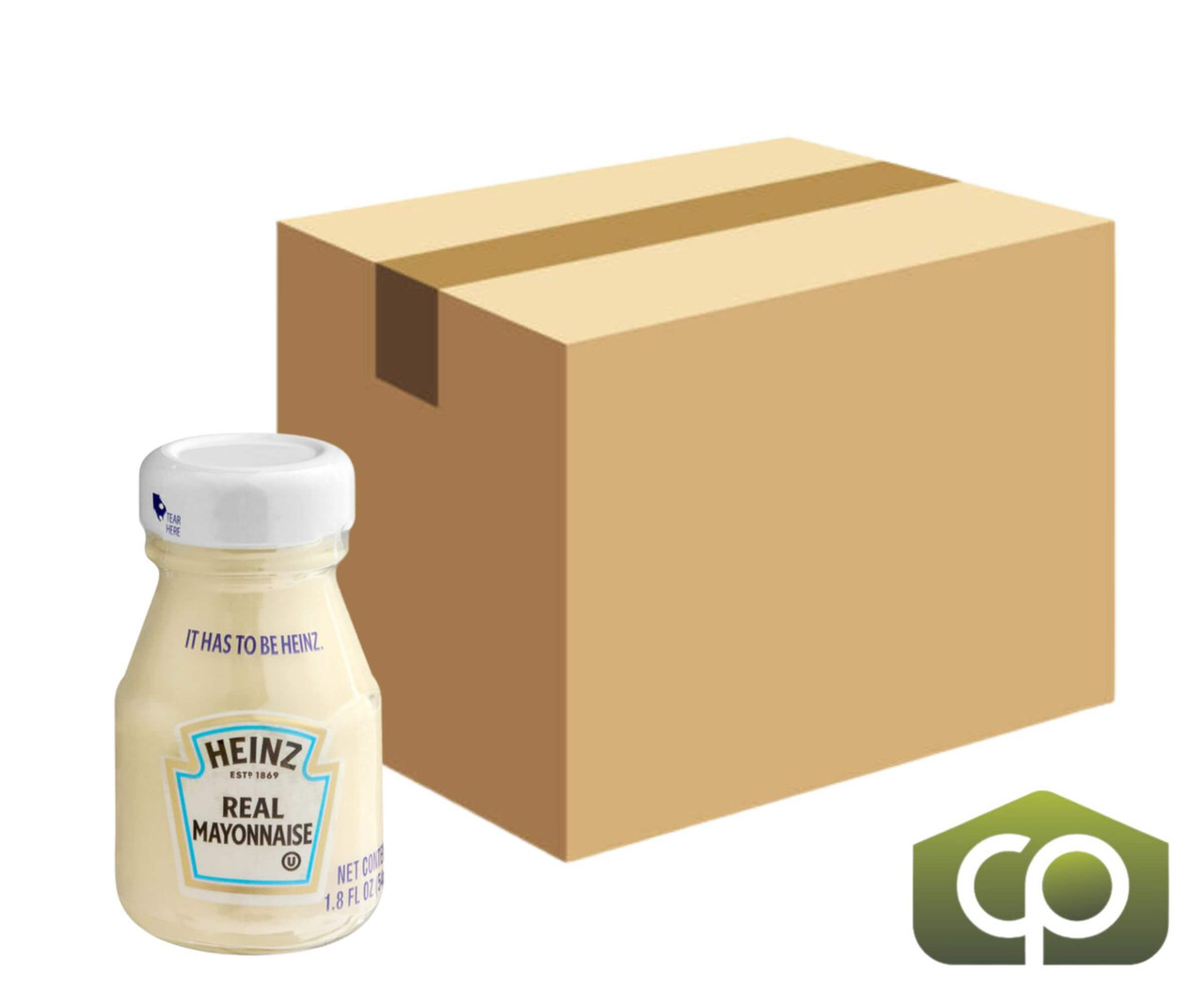
| 1.8oz Mayo Glass | Premium in-room presentation | Refrigerate always | Breakage risk, high perceived value |
| 4L Relish Jug | Grill stations, seasonal menus | Refrigerate after opening | Moderate refilling, specific use |
| 7g Honey Packet | Coffee service, breakfast | Ambient, dry storage | Bulk pallet efficient for multi-site |
Condiments by Format and Size
Jugs, packets, bottles and portion packs for every property type.


What Canadian hospitality operators say
Operators share what works in their properties.
Switched from bottles to 8g packets at our 40-door Airbnb portfolio. Housekeeping time dropped and we stopped finding half-empty bottles in trash cans.
The Vol-Pak pump setup cut our breakfast line refills from three times daily to once. Staff focuses on guests instead of running to the storeroom.
We use the personal mayo bottles in our extended-stay suites. Guests comment on the quality feel. Worth the extra handling for the reviews alone.
Condiment Purchasing: Frequently Asked Questions
The following operator questions are answered with cited sources. Every FAQ links to Health Canada, CFIA, Canada.ca, or another authoritative regulator.
Where can I buy ketchup and condiment packets in bulk cheaply?
Products referenced:
- ketchup packets
- mustard packets
- mayonnaise packets
- condiment cases
Source: Bottled Condiments vs. The Little Packets - r/preppers
Should a restaurant stock bottled condiments or single-serve packets on tables?
Products referenced:
- sugar packets
- single-serve condiment kits
- salt and pepper packets
What condiments should a hotel breakfast area keep stocked?
Products referenced:
- condiment kits
- sugar packets
- jam portions
- creamer packets
Source: Bulk Condiment Kits & Packets - Midsouth Hotel Supply
Why do restaurant ketchup packets taste different from grocery store bottles?
Products referenced:
- foodservice ketchup
- ketchup packets
- ketchup jugs
How do restaurants stop customers from wasting or hoarding condiment packets?
Products referenced:
- condiment caddies
- dip cups
- portion control packets
- dispensers
Are squeeze bottles better than packets for dine-in service?
Products referenced:
- Hellmann's squeeze bottles
- mayonnaise packets
- condiment squeeze bottles
Source: Hellmann's Mayonnaise: 16 Facts You Need To Know - Mashed
How many condiment packets should I order per guest for takeout?
Products referenced:
- ketchup packets
- hot sauce packets
- relish packets
- soy sauce packets
What is the most cost-effective syrup serving option for pancakes to go?
Products referenced:
- syrup cups
- butter cups
- combo syrup packets
- pancake breakfast supplies
Source: received 3 syrup and 9 butter cups with my mcdonalds pancakes - r/deliciouscompliance
Do condiment packets create waste problems for foodservice businesses?
Products referenced:
- single-serve condiment packets
- condiment pumps
- dip cups
Source: Individual condiment packets: what can I do with them? - r/ZeroWaste
Related guides from ChickenPieces
Why Hospitality Operators Choose ChickenPieces
We stock formats that match real property workflows.
North American Sourcing
Products ship from Canadian and US distribution points. No customs delays on standard orders.
Case and Pallet Quantities
Order one case or fifty. Multi-site operators consolidate purchasing without overstocking individual properties.
Format Guidance Included
Our team matches your guest flow to the right jug, pump or pack size. No guesswork on first orders.
FDA Food-Contact Compliant
All dispensers and pumps meet FDA food-contact surface requirements. Materials are listed in our spec sheets for health department review.
Get a Quote for Your Property
Tell us your unit count and service style. We will recommend formats and quantities that fit your operation. No minimum order pressure.
Request a QuoteReferences: Health Canada - Food Chemical Contaminants CFIA - Food Safety for Industry.