
2026 Jul 18th
Durable Paper Packaging for High-Volume Kitchens in Canada
Paper packaging has evolved to meet rigorous commercial demands. Modern fiber products provide structural integrity against heat and moisture while offering sustainable disposal options. This shift ensures operational efficiency without sacrificing environmental responsibility.
Durable Paper Packaging Solutions for High Volume Commercial Operations
Property managers and facility operators need reliable service ware. These paper products offer strength, capacity, and eco-friendly attributes for high-traffic environments without compromising on durability or presentation.
Key Takeaways
Key benefits of upgrading to heavy-duty paper service ware include:
Enhanced Structural Integrity
Thicker fiber layers resist bending and tearing under load. This durability ensures items remain stable during transport and service, reducing waste caused by breakage or deformation in high-traffic settings.
Sustainable Disposal Options
Many products feature compostable certifications or recycled content. Choosing these materials supports broader environmental goals and simplifies waste management processes for facilities aiming to reduce their ecological footprint significantly.
Cost-Efficient Bulk Purchasing
Large case counts lower the per-unit cost for operators. This volume efficiency allows property managers to stock up effectively, ensuring consistent supply levels while maintaining budget control over recurring operational expenses.
Improved Guest Experience
Sturdy plates and bowls enhance perceived value during service. Guests appreciate reliable tableware that does not leak or collapse, contributing to a more professional and satisfactory dining experience in hospitality settings.
Versatile Design Applications
Patterns like stripes or watercolors add visual appeal without extra cost. These aesthetic choices allow operators to maintain brand consistency or create specific atmospheres for events, meetings, or daily service routines.
Reduced Plastic Reliance
Switching to fiber alternatives decreases plastic waste generation. This transition aligns with increasing regulatory pressures and consumer preferences toward sustainable practices, positioning businesses favorably in the modern market landscape.
Understanding Commercial Grade Fiber Durability
Standard paper products often fail under commercial stress. Heavy-duty alternatives provide necessary strength.
Commercial environments demand more than standard disposable items can offer. High-traffic facilities require tableware that withstands repeated handling, stacking, and exposure to varying temperatures. Traditional thin paper plates often warp or tear when holding heavier portions, leading to customer dissatisfaction and increased waste costs. Upgrading to commercial-grade fiber products addresses these structural weaknesses directly.
The shift toward thicker, more resilient paper goods is driven by operational necessity. Facility managers report fewer incidents of spillage and breakage when using reinforced materials. These products maintain their shape even under substantial weight, ensuring that food presentation remains intact from kitchen to table. This reliability reduces the frequency of replacements needed during service.
Durability also extends to moisture resistance. Many modern paper plates feature wax or polyethylene coatings that prevent sogginess. This feature is particularly important for soups, sauces, or wet foods that would quickly compromise standard paper. Investing in these enhanced materials supports smoother operations and improves overall service quality significantly.
Eco-Friendly Materials Drive Operational Change
Compostable and recycled options reduce environmental impact while meeting performance standards.
Environmental responsibility is a growing priority for property managers. Switching to compostable plates and bowls helps reduce landfill waste significantly. These products are designed to decompose under specific conditions, offering a viable alternative to plastic disposables. This transition supports broader sustainability initiatives within commercial facilities.
Recycled fiber content further enhances the ecological benefits. Products made from post-consumer waste divert materials from landfills and reduce the demand for virgin pulp. Using these items demonstrates a commitment to circular economy principles. Facilities can highlight this choice in their marketing efforts to appeal to environmentally conscious clients.
Compliance with emerging regulations is another key driver. Many regions are implementing bans on single-use plastics. Adopting compostable paper alternatives ensures readiness for these legislative changes. Operators who proactively switch avoid potential penalties and position themselves as forward-thinking businesses within the community.
Choosing The Right Plate Size
Size selection impacts portion control and cost efficiency for your operations.
Selecting the appropriate plate size is critical for portion management. Smaller plates, such as six-inch options, are ideal for appetizers or snacks. They help control costs by limiting serving quantities naturally. Larger nine- or ten-inch plates suit main courses, providing adequate space for substantial meals without appearing overcrowded.
Compartmentalization offers additional utility for mixed meals. Single-compartment plates provide flexibility for diverse food types. They allow guests to combine items freely, enhancing the dining experience. Multi-compartment designs may be better for specific dietary needs or structured meal plans in institutional settings.
Visual appeal also influences selection decisions. Decorative patterns like stripes or watercolors add a touch of elegance. These designs elevate simple meals without requiring additional tableware upgrades. Choosing aesthetically pleasing options can enhance perceived value, making even casual dining feel more refined and intentional.
Optimizing Storage For Fiber Goods
Proper storage prevents damage and extends product shelf life significantly.
Fiber products are sensitive to environmental conditions. Moisture exposure can cause warping or mold growth, rendering items unusable. Keeping stock in climate-controlled storage spaces preserves quality. Regular inventory checks help identify any compromised batches early, preventing waste during active service periods.
Stacking methods also impact product longevity. Heavy items should never be placed directly on top of paper goods. This pressure can crush plates and bowls, ruining their shape. Using sturdy shelving units distributes weight evenly, protecting the integrity of each package until it is ready for use.
Rotation practices ensure older stock is used first. First-in, first-out methods prevent expiration or degradation issues. Tracking purchase dates helps maintain freshness and performance standards. Consistent organization reduces search time for staff, improving overall operational efficiency during busy service hours.
Best Practices For Service Handling
Proper handling techniques maximize product lifespan and safety standards.
Staff training plays a vital role in product preservation. Employees should understand how to handle paper goods carefully. Avoiding sharp bends or excessive pressure maintains structural integrity. Proper technique ensures that plates and bowls remain functional throughout their intended use period.
Transportation methods require attention as well. Carrying multiple items at once can strain weaker materials. Using trays or carts distributes weight more effectively than hand-carrying alone. This approach minimizes the risk of breakage or deformation during movement between kitchen and dining areas.
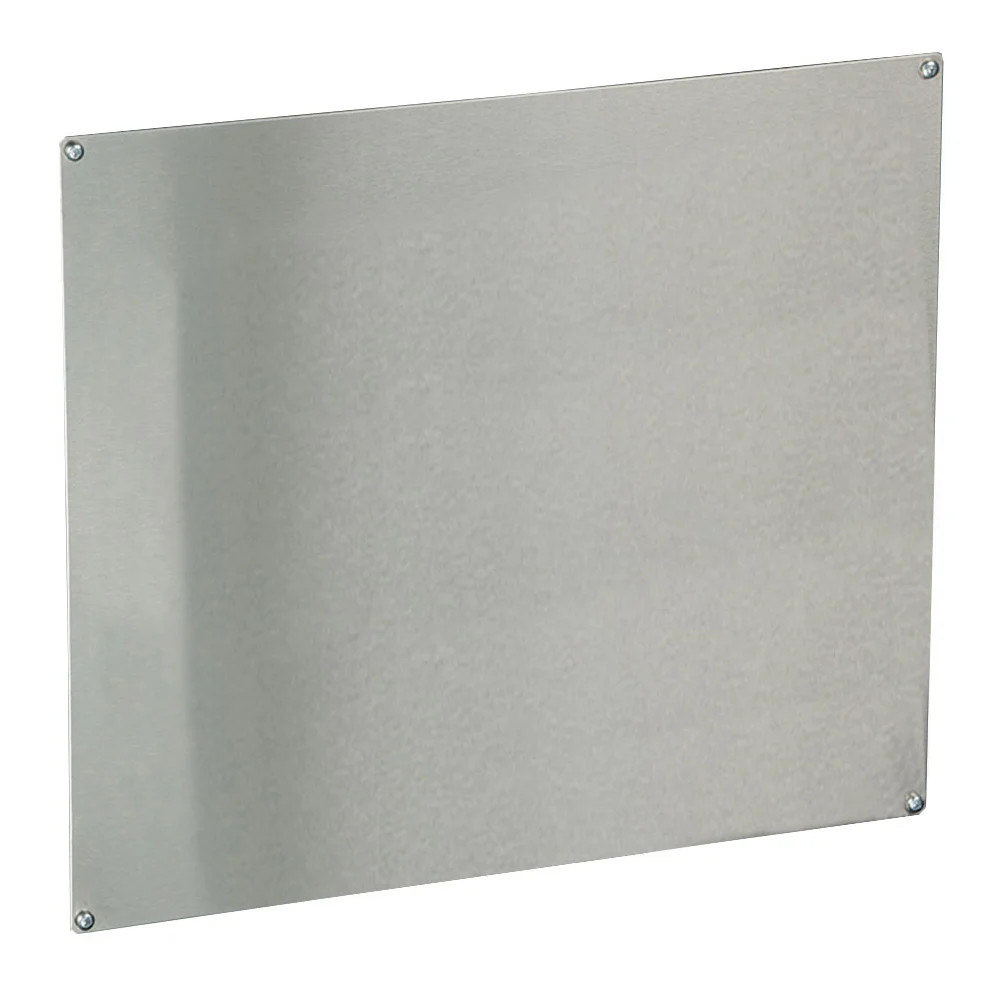
Cleaning protocols differ for reusable components. While most paper items are disposable, adapter plates or metal accessories need regular maintenance. Stainless steel parts should be washed thoroughly after each use. Neglecting hygiene standards can lead to contamination risks, undermining overall facility safety efforts.
Emerging Innovations In Paper Packaging
New technologies continue to improve performance and sustainability metrics.
The industry is constantly evolving to meet higher demands. Researchers are developing new fiber blends that offer superior strength and moisture resistance. These materials aim to bridge the gap between performance and eco-friendliness. Adopting these innovations early can provide competitive advantages in service quality.
Customization options are expanding rapidly. Businesses can now order printed designs or branded elements on paper goods. This personalization strengthens brand identity and creates memorable guest experiences. Investing in customized packaging reflects professionalism and attention to detail.
Comparing Fiber Product Attributes
Review key features to select the best option for your specific operational needs.
| Product Type | Primary Material | Durability Level | Best Use Case |
|---|---|---|---|
| Standard Paper Plate | Virgin Pulp | Low | Light Snacks |
| Heavy-Duty Paper Plate | Mixed Fiber | High | Main Courses |
| Compostable Bowl | Bagasse | Medium | Soups/Salads |
| Kraft Paper Towel | Recycled Content | Medium | Cleaning Tasks |
| Brown Paper Bag | Kraft Fiber | High | Takeout Orders |
| Watercolor Plate Set | Decorated Paper | Low | Events/Parties |
| Stainless Adapter | Metal Alloy | Very High | Equipment Fit |
Browse Our Paper Selection
Find durable, eco-friendly options tailored for high-volume commercial use.


People Also Ask
Real questions buyers search before they order — answered straight.
What type of packaging counts as compostable?
Compostable foodservice packaging is usually made from plant fibres such as moulded pulp, bagasse (sugarcane fibre), bamboo, or paperboard, sometimes with a compostable lining. Uncoated paper and certified fibre trays are the most common. The key is certification to a recognised compostable standard, not just a natural-looking material.
How is compostable fibre packaging made?
Fibre packaging is made by pulping plant material — often recycled paper, bagasse, or bamboo — into a slurry, then pressing and heat-drying it in moulds to form trays, bowls, and clamshells. Any grease or moisture barrier is added as a compostable coating. The result is sturdy, lightweight packaging that breaks down far faster than plastic.
What are the drawbacks of switching to paper and fibre packaging?
The main challenges of moving to paper and fibre are higher unit cost, the need for a compostable barrier on greasy or wet items, and reliance on customers having somewhere to compost it. Some fibre products also have a shorter shelf life and can absorb moisture if stored poorly. Trialling a few lines before a full switch helps you spot these issues early.
How can you tell if a fibre box or container is compostable?
Look for a certification logo or wording that names a recognised compostable standard, rather than vague terms like "eco" or "green". Genuinely compostable fibre is usually uncoated or carries a stated compostable lining. If a box has a shiny plastic film and no certification, treat it as non-compostable.
How does compostable fibre packaging break down?
Compostable fibre packaging breaks down when microbes, heat, and moisture in a composting system digest the plant material into water, carbon dioxide, and nutrient-rich compost. Home composting works for some items but is slower, while industrial composting handles more types at higher temperatures. Without those conditions — such as in a sealed landfill — the process stalls.
Is compostable fibre packaging strong enough for hot and greasy foods?
Modern fibre packaging can handle hot and greasy foods well when it carries a suitable compostable grease barrier, and moulded pulp is naturally rigid and heat-tolerant. Plain uncoated fibre, though, can soften with very oily or saucy items. Matching the product's rating to your menu — and asking suppliers about grease and heat limits — avoids soggy failures in service.
What Canadian Facility Operators say
See what other operators say about our fiber products:
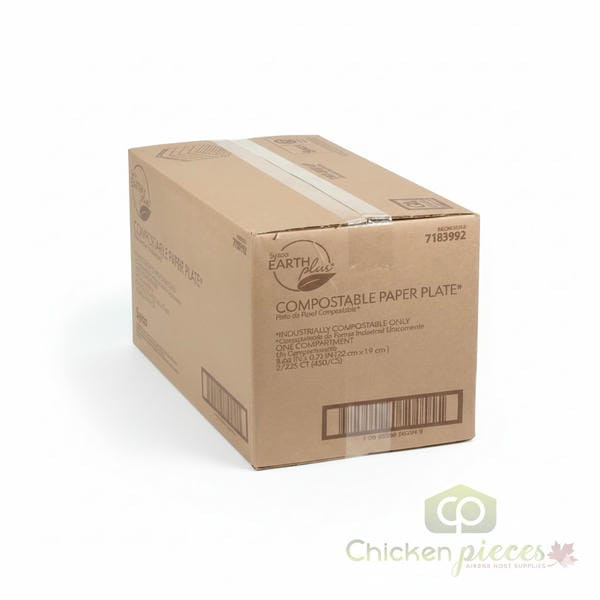
These compostable plates held up surprisingly well during our summer BBQ event. No sogginess even with saucy burgers. Guests commented on the nice look too. We will definitely reorder for next season's gatherings.
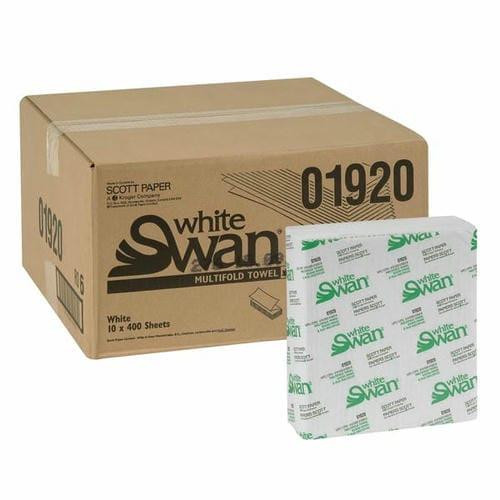
Switched to these recycled towels for our office cleaning crew. They are much thicker than previous brands. Less waste per roll means fewer trips to the supply closet. Great value for bulk purchasing.
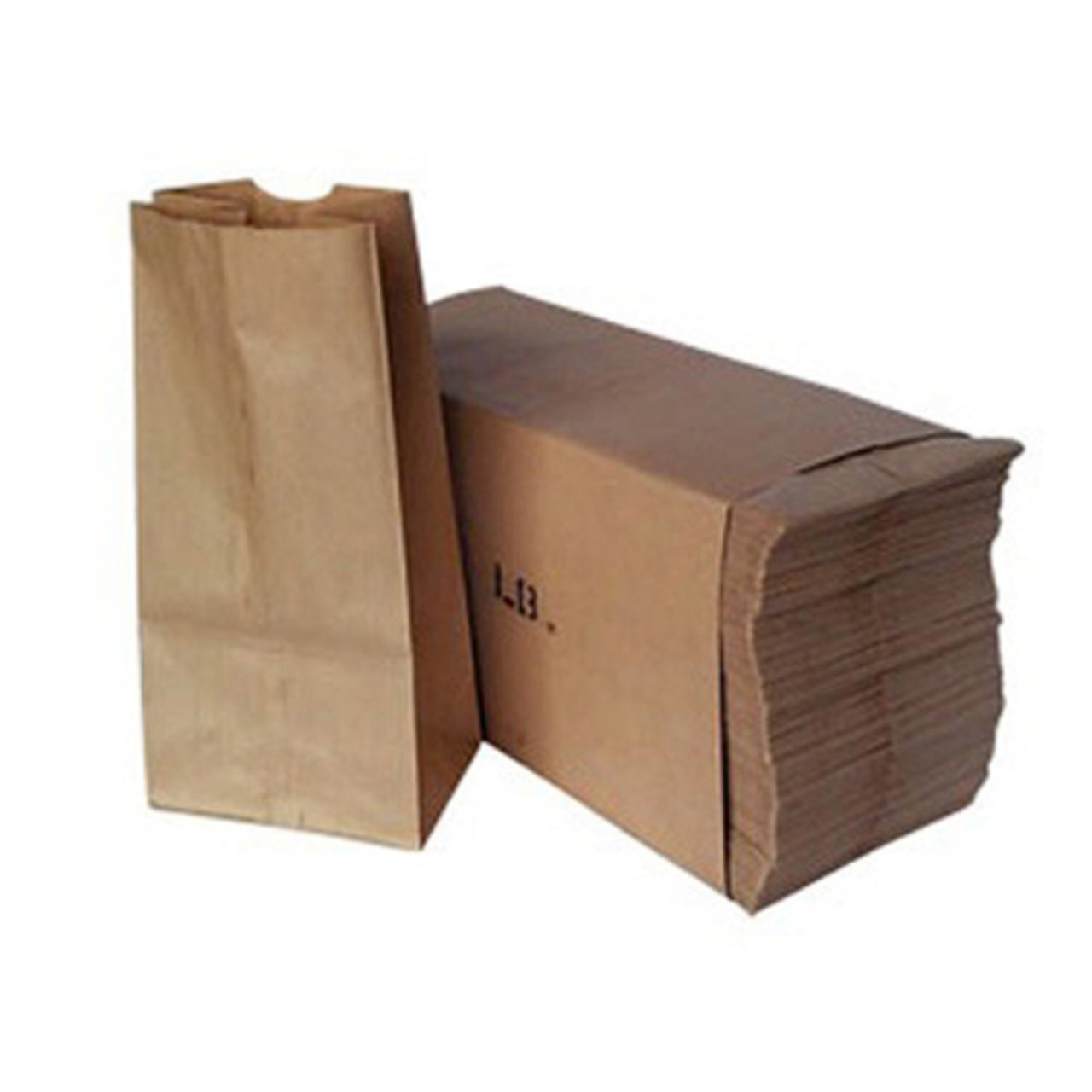
The heavy brown bags are perfect for our takeout orders. They handle hot liquids without leaking. Customers appreciate the sturdiness compared to thinner alternatives we used before. Highly recommended.
Paper Product FAQs: Frequently Asked Questions
The following operator questions are answered with cited sources. Every FAQ links to the community thread, buyer guide, or regulator page it was researched from.
How do I stop paper takeout containers from getting soggy or greasy with saucy, fried menu items?
Products referenced:
- Pagoda Chinese/Asian Paper Take-Out Containers 16oz (500/Case)
- Sysco Classic Paper Patty 5.5x5.5 Greaseproof (1000 Sheets, Canadian Made)
Source: How to keep fries from getting soggy during delivery? — r/restaurantowners
Poly-coated or PLA-lined paper packaging: which one should a high-volume kitchen switch to?
Products referenced:
- Cup Paper Hot Citavo 12 oz (1000/Case)
- Earth Plus Compostable Cup with Lid 20 oz (300/Case)
Source: What brand of compostable cups do you use? — r/barista
Are the cheapest kraft SOS paper bags worth it for a busy takeout counter, or should we pay more for heavier stock?
Products referenced:
- Sysco Classic Bag Paper Regular SOS 10 LBS (500/Case)
- Gordon Choice 10 lb Kraft Paper Bags 6 x 4 x 13 in
Source: What is the cheapest supplier for Kraft paper bags? — r/smallbusiness
We want to move off styrofoam — will wet-strength paper containers actually survive saucy dishes like dim sum or curries?
Products referenced:
- Worldview 24oz Rectangular White Bagasse Paper Containers
- Pagoda Chinese/Asian Paper Take-Out Containers 16oz (500/Case)
Source: Help with alternative takeout packaging — r/restaurateur
Why do cold drinks make paper cups go soft, and does that affect how we package iced drinks?
Products referenced:
- Cup Paper Hot Citavo 12 oz (1000/Case)
- Caf Express 12oz Brown Ripple Hot Cups and Lids (150/Case)
Source: What causes cold drinks to make paper cups soft? — r/explainlikeimfive
How do I pick takeout containers that survive stacking in delivery bags without crushing each other?
Products referenced:
- Worldview 24oz Rectangular White Bagasse Paper Containers
- Earth Plus Compostable Bowl with Lid 8 oz (300/Case)
Source: Delivery Packaging: Stop Spills, Steam, and Crushed Food — Plastic Container City
Do compostable and eco-friendly claims on paper packaging actually mean anything in Canada?
Products referenced:
- Earth Plus Compostable Cup with Lid 20 oz (300/Case)
- Worldview 24oz Rectangular White Bagasse Paper Containers
Butcher paper vs deli wrap vs patty paper vs wax paper: which wrap sheets does a working kitchen actually need?
Products referenced:
- Sysco Classic Paper Patty 5.5x5.5 Greaseproof (1000 Sheets, Canadian Made)
- Titan Checkered Basket Liner / Deli Sandwich Wrap Paper 12 x 12 (2000/Case)
- Gordon 12 x 12 Red Check Deli Sandwich Wrap Paper (2000/Case)
Source: Types of Food Wrapping Paper: Butcher vs Deli vs Wax — WebstaurantStore Guide
Related guides from ChickenPieces
Why Choose ChickenPieces
We provide reliable supply solutions tailored for Canadian commercial needs.
Local Calgary Base
Our central location enables faster delivery times across Western Canada. This proximity ensures you receive orders quickly, minimizing downtime and keeping your facilities stocked with essential supplies efficiently.
Bulk Volume Discounts
Purchasing in larger quantities lowers per-unit costs significantly. We offer competitive pricing structures that reward volume buyers, helping property managers control budgets while maintaining consistent inventory levels daily.
Dedicated Support Team
Our staff understands commercial operational challenges. They provide personalized assistance for product selection and order management. This expertise helps you make informed decisions that align with your specific facility requirements effectively.
Regulatory Compliance Focus
All products meet Health Canada standards for safety and quality. We ensure strict adherence to CFIA guidelines where applicable, giving you peace of mind regarding regulatory compliance in your daily operations.
Sources & further reading
- Per- and polyfluoroalkyl substances (PFAS) — Health Canada
- Single-use plastics prohibition: overview — Environment and Climate Change Canada
Request A Custom Quote Today
Contact us to discuss your specific volume needs. Our team will prepare a tailored proposal for your review.
Request a Quote