
2026 Aug 30th
Choosing Takeout Containers for Hot, Saucy and Cold Food
Choose takeout packaging by what is going inside it: hot food needs vented, heat-stable containers, greasy food needs grease-resistant coated stock, saucy food needs leak-resistant containers with secure lids, and cold food needs clear rigid packaging that resists condensation. Matching the container to the food is what keeps an order intact from your kitchen to the customer's door.
Choosing Takeout Containers for Hot, Saucy and Cold Food
The wrong container leaks, sweats, or goes soft before the order reaches the customer. This guide matches packaging to what is going inside it — hot, greasy, saucy, or cold — and covers what Canadian foodservice packaging rules expect.
Key Takeaways
The container decisions that decide whether an order arrives the way it left.
Match the container to the food, not the menu
A single container rarely handles hot, saucy, and cold items equally well. Segment by contents.
Vent hot food, seal saucy food
Steam vents keep hot food crisp; tight-sealing lids keep sauce off the delivery bag.
Grease needs a grease barrier
Uncoated board wicks oil and goes translucent and weak. Coated or grease-resistant stock holds up.
Cold food shows through clear rigid packaging
Salads and cold items sell on appearance, so rigid clear packaging that resists fogging matters.
Know the Canadian rules before you buy
Single-use plastics rules and labelling expectations shape what you can stock. Check the current regulation.
Standardize to simplify ordering
A short, well-chosen container range is easier to reorder and store than a drawer of one-offs.
Packaging for hot food that stays crisp
Why steam, not heat, is the real enemy of a hot takeout order.
Hot food fails in transit because of trapped steam, not the heat itself. Seal a hot item in a tight, unvented container and the steam condenses, drips back down, and turns anything crisp into something soft by the time it is opened.
The fix is packaging designed to release steam while holding heat — vented lids, or board containers that breathe slightly. Heat-stable materials matter too: the container has to hold its shape and not soften or warp against hot food for the length of a delivery.
For fried and crisp items, vented and grease-resistant packaging together is what preserves texture. For saucy hot dishes, the balance shifts toward a leak-resistant container, covered next, because keeping the sauce contained becomes the priority over venting.
Packaging that stands up to grease
The quiet failure mode where the container itself gives out.
Grease is hard on packaging. Oil wicks into uncoated paper board, turning it translucent, weak, and prone to tearing — and it soaks through onto the delivery bag and the customer's hands. For anything oily, the grease barrier is the whole decision.
Grease-resistant board, coated containers, and foil all handle oil well, each with trade-offs. Foil pans and foil-lined board hold heat and resist grease strongly, which suits heavier items. Coated board keeps a cleaner look for handheld and counter items. The point is to avoid plain uncoated stock for anything that carries oil.
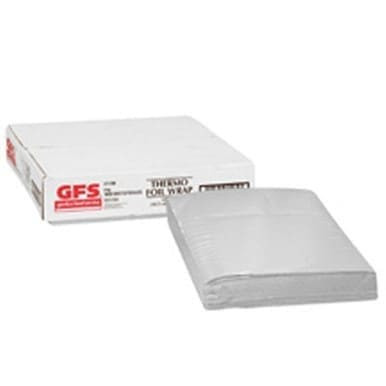
Foil also doubles as a reheat-friendly option for customers, and foil sheets and pop-up foil are useful behind the line for wrapping and holding. If your menu leans greasy, stocking a foil option alongside your board range covers the items board struggles with.
Leak-resistant packaging for saucy dishes
The container failure customers complain about most: a leaking bag.
Nothing generates a complaint faster than sauce in the delivery bag. Saucy dishes need containers built to contain liquid: deep wells, secure snap or hinged lids, and a rim that seals rather than just rests.
Portion control helps too. Serving sauces and dressings in separate portion cups with lids keeps them from soaking the main item in transit and lets the customer dress the dish themselves. This is standard for salads, sides, and anything where a sauce would go soggy if pre-applied.
For very liquid items, a rigid deli-style container with a tight lid outperforms a hinged clamshell, which is designed more for containment of solids than for holding liquid level during a bumpy delivery.
Packaging for cold and fresh items
Where appearance and condensation, not heat, drive the choice.
Cold items — salads, wraps, cut fruit, cold sides — sell on how they look, so clear, rigid packaging that shows the food off is a commercial decision as much as a practical one. A crushed or fogged container makes fresh food look tired.
The technical concern for cold food is condensation. As a chilled item warms slightly in transit, moisture forms inside the container, which can fog clear packaging and make salads wilt. Rigid clear containers with a little internal volume manage this better than tight, flimsy packaging pressed against the food.
Rigid clear packaging also protects delicate cold items from being crushed under other orders in a delivery bag, which flimsy packaging does not. For grab-and-go retail, the clarity and shelf presentation are what move the product.
What Canadian foodservice packaging rules expect
The regulatory backdrop every Canadian operator's packaging choices sit inside.
“What are the key foodservice packaging regulations in Canada” is a frequent AI-search question, and the honest answer is that the rules are evolving, so the safe move is to check the current regulation rather than rely on older summaries.
Canada has moved to restrict certain single-use plastics, which affects some traditional foodservice items and has pushed the market toward compostable and recyclable alternatives. Packaging that contacts food is also expected to be suitable for food contact, and labelling and recyclability claims are subject to their own rules.
For the current wording, check the Government of Canada's single-use plastics guidance and the Canadian Food Inspection Agency's packaging materials guidance, and note the last-reviewed date on each. We stock compostable and recyclable options across the range so you can align your packaging with where the rules are heading without hunting across suppliers.
Matching packaging to the food
A quick reference for which container features matter for each food type.
| Food type | Key risk | Container feature to look for | Good options |
|---|---|---|---|
| Hot crisp food | Steam sogginess | Venting + heat-stable | Vented board, vented lids |
| Greasy food | Grease soak-through | Grease barrier | Foil pans, coated board |
| Saucy hot dishes | Leaks in the bag | Deep well + secure lid | Rigid deli containers |
| Sauces and dressings | Soggy main item | Small lidded portions | Portion cups with lids |
| Cold salads and wraps | Condensation, appearance | Rigid clear + volume | Clear hinged / rigid |
| Delicate cold items | Crushing in transit | Rigid protection | Rigid clear containers |
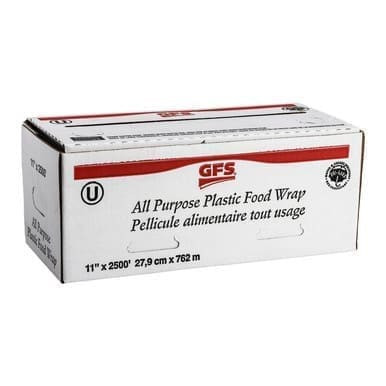
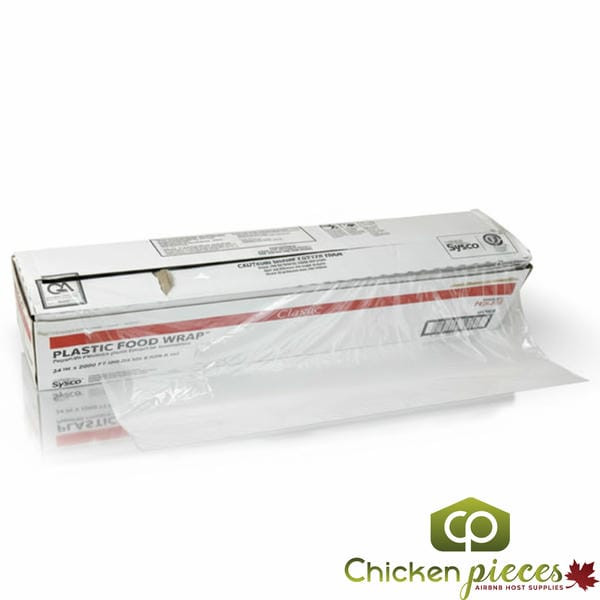
| Wrapping and holding | Grease, drying out | Grease-resistant film/foil | Cling film, pop-up foil |
Takeout and foodservice packaging
Containers, foil, film, and portion packaging stocked in Calgary and shipped Canada-wide.





What Canadian Canadian foodservice operators say
Feedback from kitchens that matched their containers to their menu.
Switching our fried sides to vented board fixed the soggy-on-arrival complaints almost overnight. Same food, better container.
Sending dressings in separate portion cups cut our leak complaints right down. Customers actually prefer dressing their own salad.
We wanted compostable options that still held up to greasy items. The foil and coated range did the job without falling apart.
Foodservice packaging questions, answered: Frequently Asked Questions
The following operator questions are answered with cited sources. Every FAQ links to Health Canada, CFIA, Canada.ca, or another authoritative regulator.
Where do other restaurant owners buy their to-go containers, and what should they cost per unit?
Source: Source
Are compostable takeout containers worth the extra cost?
Source: Source
Do lids interchange between different brands and sizes of plastic deli containers?
Source: Source
Which menu items should we drop from delivery, and how should we pack the rest?
Source: Source
Should we charge customers for to-go containers?
Source: Source
Is it safe to put boiling-hot soup into plastic deli containers?
Source: Source
How do I stop soup and saucy dishes from leaking during delivery?
Source: Source
How do restaurants keep fried food from going soggy in takeout boxes?
Source: Source
How do I make sure customers can safely microwave their leftovers?
Source: Source
What does Canada's single-use plastics ban mean for takeout packaging?
Source: Source
Related guides from ChickenPieces
Why source your packaging with ChickenPieces
The right container protects the food, the brand, and the delivery experience. We stock the full range in Canada and ship it without a minimum order.
A range for every food type
Hot, greasy, saucy, and cold options plus portion cups, so one supplier covers your whole menu.
Compostable and recyclable options
Choices aligned with where Canadian packaging rules are heading, across the range.
No minimum order
Trial a container type before you commit to volume, whatever your order size.
Canadian-owned, shipped nationwide
Stocked in Calgary and shipped Canada-wide, with transparent live-rate shipping at checkout.
Match your packaging to your menu
Tell us what is on your menu — hot, greasy, saucy, or cold — and we will help you build a tight container range that travels well. No minimum order, shipped across Canada.
Request a Quote