
2026 Aug 16th
One Napkin at a Time: Cut Consumption up to 57%
Controlled dispensers deliver one napkin per pull, stopping the over-grabbing that happens with loose piles. Enclosed systems also block contamination, so fewer napkins get thrown away unused. Combined, these two fixes typically reduce napkin consumption by one-quarter to more than half.
One Napkin at a Time: Cut Consumption up to 57%
For Airbnb hosts, property managers, and facility operators who want lower napkin costs without constant restocking or waste complaints.
Key Takeaways
Here is what the research and field data show about controlled dispensing.
Over-grabbing is the main waste source
Loose napkin piles tempt people to grab multiples at once. One-at-a-time dispensing breaks this habit and immediately lowers usage.
Enclosed designs prevent contamination
Napkins exposed to spills and dirt become unusable. Fully enclosed dispensers keep the stack clean until the moment of use.
Interfold technology limits contact
Each napkin pulls forward the next one, so guests touch only what they take. This reduces both waste and hygiene concerns.
Refill cycles stretch roughly twice as long
Controlled dispensing means fewer napkins disappear between refills. Staff spend less time stocking and more time on other tasks.
Drive-thru variants solve counting errors
Electronic dispensers for takeout windows deliver set quantities automatically, removing manual counting and its mistakes.
Compact footprints fit tight service areas
Counter space is limited in most prep zones and guest stations. Slim dispensers install where bulkier systems cannot.
Why open napkin piles cost more than they should
Most napkin waste traces to two simple failures: people take too many, and exposed stacks get ruined.
Open baskets and loose piles invite a predictable behaviour. Guests grab a handful, use one or two, and discard the rest. Industry research consistently finds this over-grabbing is the single largest source of napkin waste in food service and hospitality settings. The problem compounds in high-traffic locations where guests feel pressure to move quickly and default to taking more than they need.
Contamination is the second major loss source. Napkins sitting uncovered on counters absorb splashes, collect dust, or get knocked onto the floor. Once soiled, they cannot be used. Fully enclosed dispensers address both problems at once. They restrict access to one napkin per motion, and they shield the remaining supply from environmental damage.
The combined effect is substantial. Facilities moving from open systems to enclosed controlled dispensers routinely see usage drop by one-quarter to more than half. The exact figure depends on what they were using before, but the direction and magnitude are consistent across studies.
How one-at-a-time systems change guest behaviour
Mechanical design shapes behaviour more than signage ever could.
Controlled dispensers use interfolded stacks where each napkin pulls the next one partially forward. A guest takes one, and only one, emerges. This eliminates the grab-and-wad pattern that open piles encourage. The mechanism does the work of rationing; no staff intervention or posted rules are required.
One-touch dispensing adds a hygiene layer. Guests contact only the napkin they will actually use. The rest remain enclosed and untouched. This matters for properties marketing cleanliness to discerning guests, and it reduces the contamination losses that plague exposed systems.
The behavioural shift is immediate and durable. Unlike training or signage, which fade in effect, the physical constraint persists. Staff do not need to monitor or remind. The dispenser enforces the desired pattern every time someone reaches for a napkin.
Keeping napkins clean until the moment of use
Protection from spills and contact preserves inventory that open systems lose.
A napkin ruined before it reaches a guest is a napkin wasted. Open baskets sit in splash zones near coffee machines, soda fountains, and hand-washing stations. Enclosed dispensers mount on walls or counters with protective housings that deflect liquid and block particulates. The napkins inside stay dry and presentable.
This protection extends shelf life in storage as well as in service. When the enclosed design is paired with interfold technology, the stack is guarded from the loading dock to the final pull. Fewer napkins are discarded for cosmetic or hygienic reasons before they ever serve a guest.
The result is a tighter conversion rate from inventory to actual use. Facilities report serving roughly twice as many guests between refills, not because the dispenser holds more, but because fewer napkins are lost to spoilage and over-grabbing along the way.
Automated dispensing for high-volume takeout windows
Electronic systems eliminate manual counting errors at the busiest service points.
Takeout and drive-thru operations face a distinct challenge. Staff must assemble orders quickly while estimating napkin counts by hand. Too few napkins prompt complaints. Too many drain inventory and profit. Electronic dispensers for drive-thru windows deliver preset quantities automatically, removing the guesswork and the time spent counting.
These systems integrate with order triggers or run on simple button activation. The correct napkin count drops into the bag or onto the tray without staff handling. Speed stays high, accuracy improves, and the chronic overage of manual packing disappears.
The post-pandemic surge in takeout volume has made this automation more relevant. Properties with drive-thru or curbside service can protect their dispenser gains at the indoor station without accepting losses at the window. The same control principles apply, adapted to the faster pace of off-premise service.
Fitting controlled systems into tight service areas
Compact dispensers mount where bulkier equipment cannot, preserving workflow.
Many hospitality and facility settings lack generous counter space. Order prep areas, coffee stations, and compact breakfast nooks all present dimensional constraints. Controlled dispensers are built with footprints that fit these realities. Slim vertical housings and shallow wall-mounted units occupy minimal real estate.
Placement flexibility matters for adoption. A dispenser that blocks workflow will be bypassed or resented. One that sits at the natural point of need, without obstructing movement, becomes invisible infrastructure. The compact designs enable this optimal positioning in spaces where traditional bulk dispensers would be obstacles.
For drive-thru and mobile order counters, the footprint advantage is even sharper. These zones are designed around speed and minimal reach. Dispensers that fit within arm's length of the window, without crowding the transaction space, maintain throughput while adding control.
Switching dispensers without disrupting operations
The changeover is simpler than most facility managers expect.
Transitioning to controlled dispensing requires no construction or downtime. Most units mount with standard hardware to walls or counters. Staff training is minimal because the guest-facing action, pulling a napkin, remains identical. The change is in what happens inside the housing, not in the user experience.
The main operational adjustment is in stocking. Interfold napkins load differently than flat or banded stacks. Staff need one brief orientation on proper loading orientation to prevent jams. Once learned, the task is faster than restocking open baskets because the enclosed capacity is larger and the interval between loads is longer.
Facilities typically see full behavioural adoption within the first few weeks. Guests do not resist single-napkin dispensing; they barely notice it. The savings accumulate immediately and sustain over time because the system enforces the desired pattern without ongoing management attention.
Dispenser system comparison
Match your service style to the control level that fits.
| System type | Control method | Best for | Typical usage reduction |
|---|---|---|---|
| Open basket or pile | None | Low-traffic, informal settings | Baseline (no reduction) |
| Basic enclosed dispenser | Gravity-fed interfold | Standard dining areas | 25-30% |
| One-at-a-time mechanical | Spring-assisted interfold | Medium-traffic hospitality | 30-40% |
| Touch-free enclosed | Sensor or lever | Hygiene-focused properties | 35-45% |
| Take-Two dispenser | Dual-napkin grab | Quick-service counters | 19% |
| Electronic drive-thru | Preset automatic count | High-volume takeout windows | 25%+ with zero counting labour |
| Full enclosure premium | All of above plus sealing | Healthcare, premium lodging | 50%+ vs. open baskets |
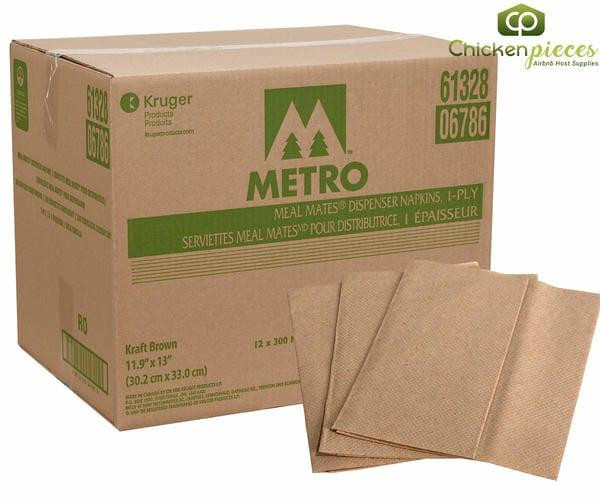
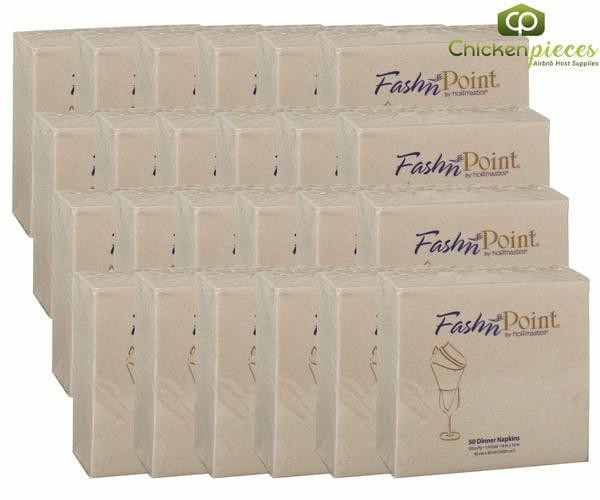
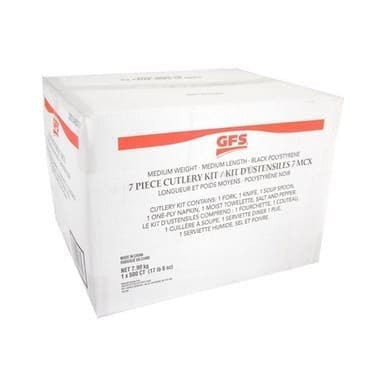
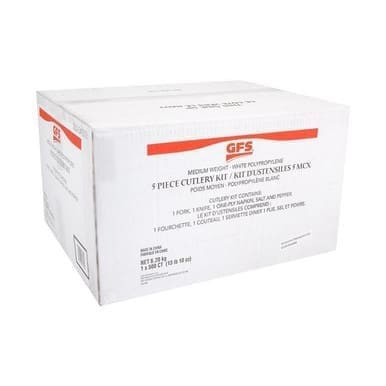
Napkin systems and accessories
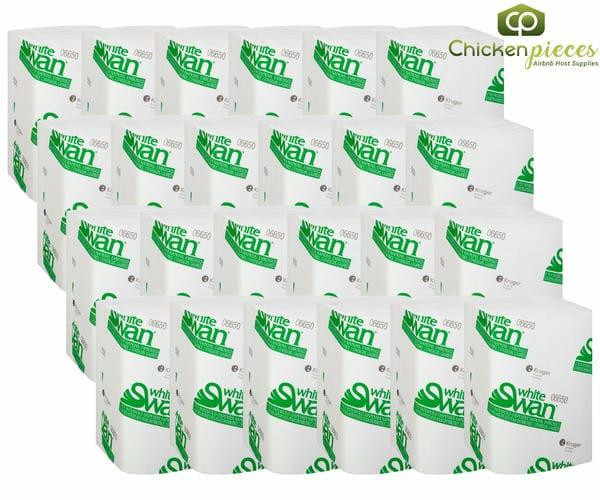
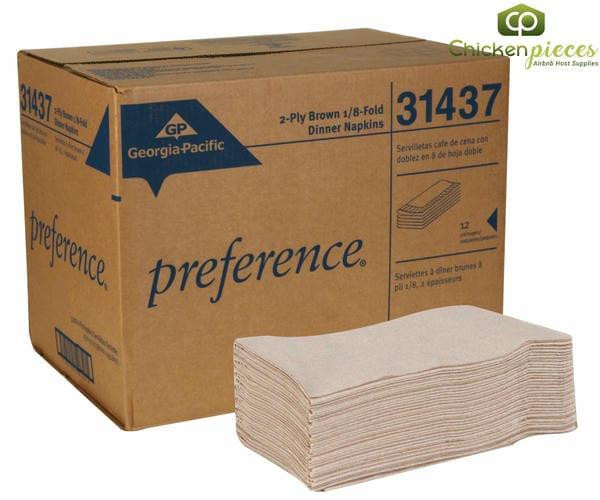
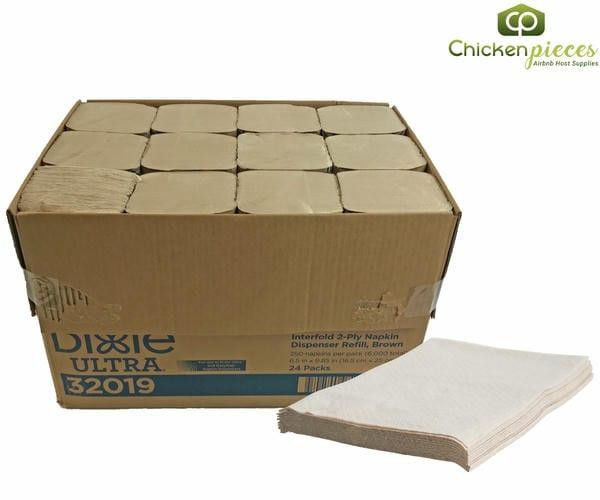
Interfold dispensers, replacement napkins, and pre-packed cutlery kits for controlled service.


What Canadian facility operators say
Facility operators and hosts who made the switch share what changed.
We swapped our basket for a wall-mount interfold unit in June. Our napkin orders dropped by almost a third, and guests stopped leaving stacks of unused brown napkins on tables.
The enclosed dispenser paid for itself in four months at our two short-term rentals. Housekeeping refills them half as often, and the units look tidier in our kitchenettes.
Our takeout window used to waste napkins by the handful. The automatic dispenser now drops exactly two per order. Counting errors disappeared and our monthly usage is down noticeably.
Napkin dispenser systems: Frequently Asked Questions
The following operator questions are answered with cited sources. Every FAQ links to Health Canada, CFIA, Canada.ca, or another authoritative regulator.
Why do customers grab handfuls of napkins, and how do I stop it?
Products referenced:
- interfold napkin dispensers
- one-at-a-time napkin dispensers
- paper napkins
Source: Do restaurant staff prefer it when guests stack... - r/NoStupidQuestions
Where can I buy napkins in bulk for a restaurant or cafe in Canada?
Products referenced:
- bulk paper napkins
- interfold dispenser napkins
- dinner napkins
Is 1-ply or 2-ply the better buy for a restaurant?
Products referenced:
- 1-ply napkins
- 2-ply quarter-fold napkins
How much do restaurants actually spend on napkins?
Products referenced:
- cloth linen napkin rentals
- bulk paper napkins
Are linen-feel or airlaid napkins worth the premium over plain paper?
Products referenced:
- airlaid napkins
- linen-feel napkins
- interfold paper napkins
Do napkin dispensers actually save money?
Products referenced:
- single-napkin dispensers
- 2-ply interfold napkins
What napkin size and fold works best for takeout and food trucks?
Products referenced:
- interfold napkins
- takeout napkins
- napkin dispensers
Source: Do restaurant staff prefer it when guests stack... - r/NoStupidQuestions
Should a small cafe switch to cloth napkins to cut paper costs?
Products referenced:
- cloth napkin rental
- bulk paper napkins
What brands or types of napkins do foodservice buyers recommend?
Products referenced:
- Karat interfold napkins
- quarter-fold dinner napkins
- napkin dispensers
How can I reduce napkin waste without annoying customers?
Products referenced:
- single-napkin dispensers
- 2-ply interfold napkins
- countertop napkin holders
Source: Do restaurant staff prefer it when guests stack... - r/NoStupidQuestions
Related guides from ChickenPieces
Why operators order from ChickenPieces
Calgary-based supply with straightforward service and compliance backing.
Western Canada focus
We understand the logistics of serving properties from the Rockies to the Prairies, with inventory stocked for regional demand patterns.
No speed claims
Shipping rates and timelines come directly from live carriers at checkout. We do not promise what we cannot control.
Volume-friendly packs
Case quantities and unit configurations suit multi-property operators, not just single-location buyers.
Health Canada aligned
Products meet applicable Health Canada and CFIA standards for food-contact and hospitality use, with documentation available on request.
Sources & further reading
- How We Reduce Towel, Napkin and Tissue Waste — Georgia-Pacific Professional
- New Xpressnap Innovation from Tork Delivers Efficiency and Sustainability — Total Food
- Napkin Dispenser System Tork Addresses Hygiene Concerns — Packaging News
- Dixie Ultra Take-Two Interfold Napkin Dispenser Patent-Pending Technology — Georgia-Pacific Professional (Press Release)
Request your dispenser quote
Tell us your property count and current napkin setup. We will size the right dispenser and napkin combination for your actual usage. No minimums, no hidden terms.
Request a QuoteReferences: Health Canada — Food Packaging Materials CFIA — Food Allergen Labelling for Industry.