
2026 Jul 25th
Heavy-Duty Degreasers That Cut Through Baked-On Kitchen
Heavy-duty commercial degreasers use alkaline chemistry to saponify baked-on grease into a rinseable liquid. For Canadian kitchens, Health Canada-regulated formulas with proper SDS documentation protect staff and keep exhaust systems compliant with fire codes.
Heavy-Duty Degreasers That Cut Through Baked-On Kitchen Grime
Airbnb hosts, property managers, and facility operators across Canada rely on concentrated formulas that break down months of buildup without extra scrubbing.
Key Takeaways
What matters most when selecting a degreaser for commercial kitchen exhaust and equipment.
Match formula to surface
Alkaline cleaners strip carbonized grease from stainless steel hoods and oven interiors. Avoid use on aluminium or painted surfaces without testing first.
Ready-to-use versus concentrated
RTU spray bottles suit spot cleaning and turnover crews. Bulk concentrates lower per-litre cost for scheduled deep cleans of multiple properties.
Fume-free for occupied spaces
Aerosol formulas with reduced vapour pressure allow cleaning during operating hours in guest kitchens and shared dining facilities.
SDS documentation required
Canadian employers must maintain current safety data sheets for all chemical products on site. Verify date and language compliance before ordering.
Exhaust filter rotation
Clean hood filters weekly with degreaser soak. This extends blower motor life and reduces grease accumulation in ductwork between professional service visits.
Cold water pre-rinse helps
Knock loose debris with cold water before applying hot degreaser solution. Hot water alone can bake surface grease harder and waste product.
Baked-On Grease Wastes Labour Hours
Carbonized grease bonds to metal through repeated heating cycles, becoming harder to remove over time.
Kitchen exhaust systems in Canadian commercial properties collect airborne grease that condenses on hood surfaces, filters, and duct interiors. Left untreated, this buildup becomes a fire hazard under National Fire Code requirements and triggers costly remediation orders from municipal inspectors. Property managers running multiple Airbnb units or facility portfolios face compound risk: each kitchen adds to the maintenance burden, and inconsistent cleaning between locations creates liability gaps.
The physical act of removing baked-on grease without proper chemistry demands excessive abrasion. Staff resort to scrapers and scouring pads that scratch stainless steel, harbour bacteria in damaged surfaces, and shorten equipment lifespan. A 950-millilitre ready-to-use spray that penetrates carbonized layers in ten minutes eliminates this damage while freeing staff for higher-value tasks. The labour savings across a portfolio often exceed the chemical cost within a single cleaning cycle.
Seasonal fluctuations in Canadian tourism and occupancy rates compound the challenge. Summer turnover at lakeside properties and winter ski-rental kitchens create irregular deep-clean windows. Products with stable shelf life and consistent performance let crews work efficiently during compressed maintenance periods between guest departures and arrivals.
Ready-to-Use, Bulk, and Aerosol Options
Different crew structures and property counts favour different packaging and concentration levels.
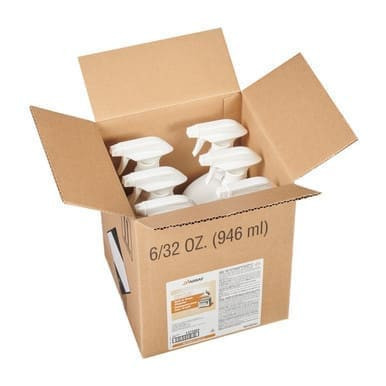
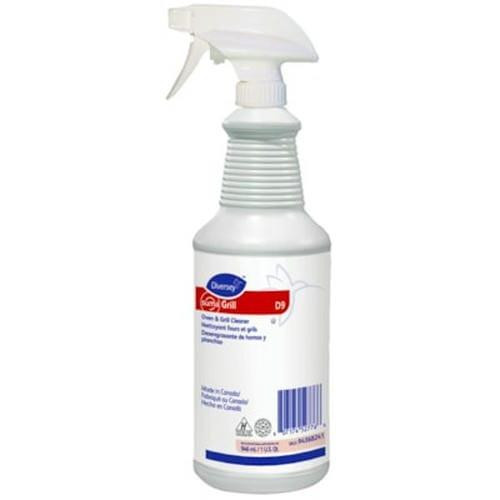
Single-property Airbnb hosts and small crews typically prefer ready-to-use spray bottles. The Array 950-millilitre RTU and Diversey Suma D9 RTU spray require no mixing, reduce measurement errors, and travel easily between units. Six-bottle cases match moderate cleaning frequency without tying up storage space in residential properties or compact maintenance closets. These formulas arrive calibrated to manufacturer strength, eliminating dilution guesswork that leads to weak performance or surface damage.
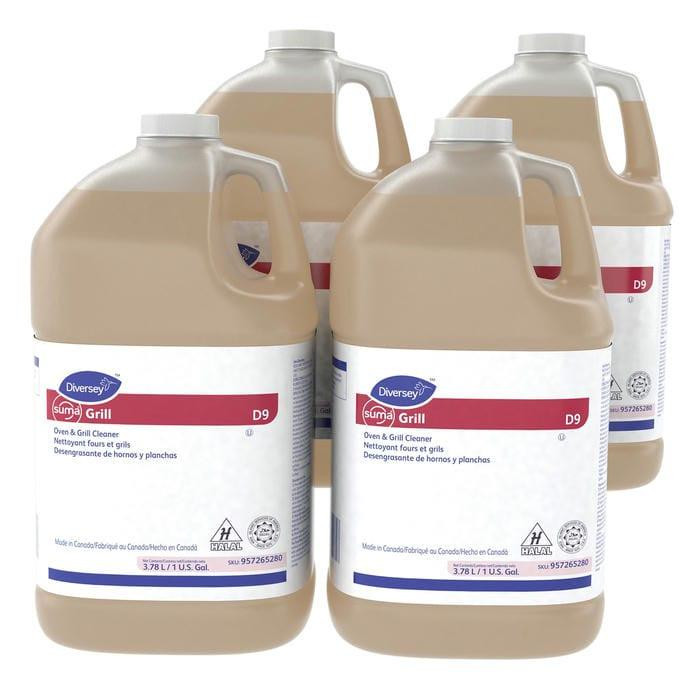
Portfolio operators managing dozens of properties benefit from concentrated bulk formats. The Array 3.78-litre and Diversey Suma 3.78-litre and 7.57-litre options mix to multiple refill volumes, cutting packaging waste and per-application cost. Bulk cases of two units suit centralized mixing stations where staff fill spray bottles before dispatch. This model works for facility operators with dedicated maintenance teams and commercial vehicles equipped with chemical storage.
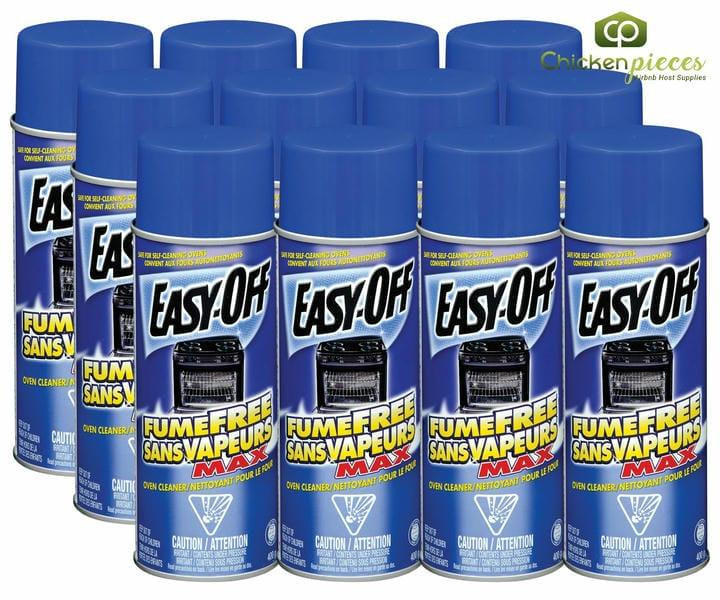
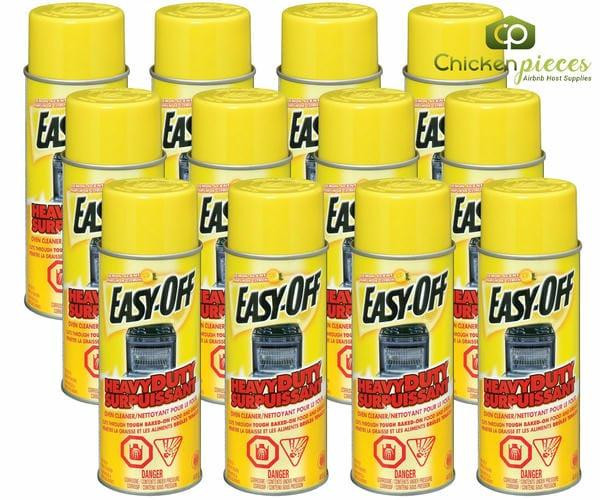
Aerosol delivery occupies a specific niche in vertical and overhead cleaning. Easy-Off and Diversey Aero products cling to upward-facing hood surfaces and exhaust fan blades without dripping onto cooking equipment or floors. The 400-gram can size and twelve-can case quantities suit properties with frequent filter rotation or shared commercial kitchens where multiple operators maintain equipment. Fume-free variants permit use in spaces with limited ventilation during operating hours.
Hood and Exhaust Cleaning Protocol
Systematic degreasing protects equipment and maintains fire code compliance across Canadian jurisdictions.
Effective hood cleaning follows a consistent sequence regardless of product format. Remove filters and soak them separately in a sink or tank with diluted degreaser solution. Cold water pre-rinse dislodges loose debris without setting grease. Apply cleaner to interior hood surfaces starting at the rear and working forward, allowing the recommended dwell time before agitation with a non-scratch pad. Rinse thoroughly with warm water and verify no residue remains that could contaminate cooking vapours.
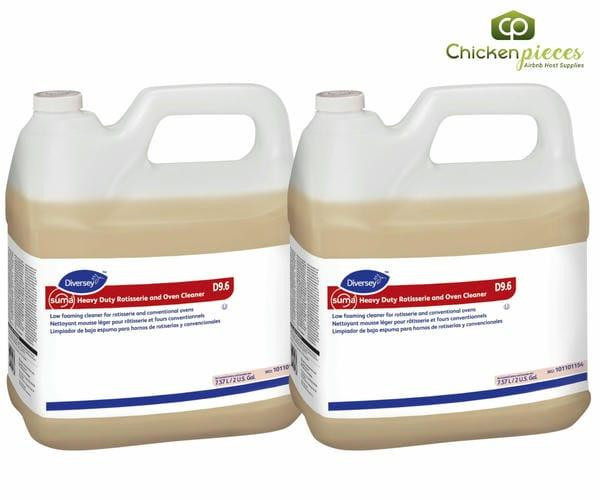
Exhaust ductwork beyond the hood requires professional service with rotary cleaning equipment, but accessible fan blades and motor housings benefit from regular degreaser wipedowns. The Diversey Suma Heavy-Duty Rotisserie and Oven Cleaner in 7.57-litre format suits this heavier soil load, with formulation strength for carbonized deposits typical in rotisserie and high-heat roasting environments. Document each cleaning date and product used for inspector records and insurance requirements.
Filter replacement schedules vary with cooking volume and menu type. Properties frying proteins or using solid fuels accumulate grease faster than those with light breakfast preparation. Inspect filters monthly and replace when mesh integrity degrades or repeated cleaning no longer restores airflow. Clogged filters force exhaust motors to work harder, increasing energy draw and failure risk during peak occupancy periods.
WHMIS Labels and Staff Protection
Canadian occupational health requirements govern chemical handling, storage, and emergency preparedness.
Workplace Hazardous Materials Information System standards require employers to maintain current safety data sheets for all chemical products and ensure staff training on hazards and protective measures. Heavy-duty degreasers typically carry corrosive or irritant classifications requiring glove and eye protection during use. Verify that purchased products include bilingual SDS documentation and WHMIS 2015-compliant labels before accepting delivery.
Personal protective equipment selection depends on product concentration and application method. Ready-to-use sprays with reduced alkalinity may require only nitrile gloves and splash goggles. Concentrated bulk formulas demand additional barrier protection including chemical-resistant aprons and faceshields during mixing. Property managers should assess tasks against SDS recommendations rather than defaulting to minimal protection across all products.
Storage requirements include segregation from incompatible chemicals, secure shelving away from food preparation areas, and temperature control to prevent container degradation. Canadian properties in seasonal climates face freezing risks in unheated storage areas that compromise product efficacy and container integrity. Maintain storage above ten degrees Celsius and inspect quarterly for leaks or label deterioration.
Reduce Consumption Without Sacrificing Results
Proper technique and product selection lower total cleaning cost more effectively than diluting concentrated formulas.
Cost-per-litre comparisons between products mislead when application efficiency differs. A formula that clings longer and penetrates faster reduces the volume needed per square metre and the labour minutes per job. Track actual consumption against cleaned surface area rather than focusing on case price alone. Properties with consistent monthly data can identify whether bulk concentrate savings justify the mixing infrastructure investment.
Crew training directly impacts consumption rates. Untrained staff often overspray, under-wait, and reapply rather than trusting dwell time to work. Standardize procedures with written protocols specifying product, dilution, dwell time, and rinse method for each equipment type. Photographic guides in multiple languages support teams with varied English proficiency, common in Canadian hospitality and facility maintenance workforces.
Equipment condition also affects cleaning cost. Scratched and pitted surfaces trap grease in microscopic recesses that demand more aggressive chemistry and longer labour. Protecting finishes during routine cleaning preserves the original surface integrity and reduces long-term degreaser consumption. This lifecycle view justifies investing in appropriate products rather than accepting gradual equipment degradation.
Build Your Cleaning Supply Stack
Match case quantities and formats to property count, crew structure, and storage constraints.
New customers uncertain about consumption patterns benefit from mixed-format initial orders. A six-bottle case of Array or Diversey RTU spray covers immediate spot-cleaning needs while a two-jug case of 3.78-litre concentrate tests bulk mixing workflow. Run parallel for thirty days, tracking bottles consumed and concentrate diluted. This empirical baseline prevents overcommitment to formats that mismatch actual operational patterns.
Seasonal operators in Canadian resort and recreational markets should time deliveries before peak occupancy periods. Spring preparation for summer rentals and autumn stocking before ski season ensure crews have supplies without emergency sourcing at premium prices. Bulk concentrate stores longer in sealed containers than partially used RTU bottles that may lose spray mechanism integrity. Plan rotation to consume opened stock before unsealed reserves.
Multi-province portfolios face additional complexity with freight consolidation and provincial environmental regulations. Alberta, British Columbia, and Ontario each maintain specific requirements for commercial chemical transport and disposal documentation. Consolidating orders through a single Canadian wholesaler simplifies compliance verification and establishes consistent product availability across all locations. Verify that your supplier provides bilingual documentation and understands provincial variance before committing to volume agreements.
Compare Heavy-Duty Degreaser Formats
Select by application method, property count, and crew preference.
| Product | Format | Best for | Case qty |
|---|---|---|---|
| Array Oven And Grill Cleaner RTU | Spray bottle, ready to use | Spot cleaning, small crews | 6 x 950 mL |
| Array Oven and Grill Cleaner Bulk | Jug, concentrated | Central mixing, high volume | 2 x 3.78 L |
| Diversey Suma D9 RTU Spray | Spray bottle, ready to use | Hospitality turnover teams | 6 x 946 mL |
| Diversey Suma D9 Aero | Aerosol can | Vertical hood surfaces | 6 x 19 oz |
| Diversey Suma D9 Gallon | Jug, concentrated | Large facility maintenance | 4 x 3.78 L |
| Diversey Suma Heavy-Duty | Large jug, concentrated | Rotisserie, heavy carbon | 2 x 7.57 L |
| Easy-Off Aerosol variants | Spray can, fume-free or lemon | Occupied kitchens, quick jobs | 12 x 400 g |
Order Degreaser by the Case
Nine formulas in stock for Canadian commercial kitchens, from single-property hosts to national facility operators.


People Also Ask
Real questions buyers search before they order — answered straight.
What is the strongest degreaser for heavy, baked-on grease?
For severe grease buildup, a heavy-duty or industrial-strength alkaline degreaser cuts through baked-on residue that an everyday cleaner just smears around. These concentrates are formulated to break grease down fast on ranges, fryers, and hoods, then rinse clean. The trade-off is that stronger formulas need proper dilution and gloves, so match the strength to the job.
How do you choose a degreaser for restaurant kitchen equipment?
Start with where you will use it, since a hood and fryer need a far tougher formula than a prep counter or a stainless front. Check that the product is safe for the surface and, on food-contact areas, that it is approved and rinsed as directed. Concentrates that dilute to different strengths let one product cover both light daily wiping and heavy weekly deep cleans.
What degreaser works best on kitchen hoods and exhaust filters?
Hoods, filters, and exhaust surfaces collect thick grease, so they call for a heavy-duty alkaline or foaming degreaser that clings long enough to break the buildup down. Foaming formulas are handy on vertical hood surfaces because they stay put instead of running off. Soaking removable filters in a hot degreaser solution is the fastest way to get them clean.
How do you use a heavy-duty degreaser safely?
Always follow the label's dilution and dwell time, wear gloves and eye protection, and keep the area ventilated, since strong degreasers give off fumes. Never mix a degreaser with bleach or other chemicals, and keep it clear of open food and prep surfaces. Test on a small spot first if you are unsure how a surface will react.
How do you remove tough, baked-on grease and carbon?
Baked-on grease and carbon usually need a heavy-duty degreaser, a little dwell time to soften the layer, and a non-scratch pad or brush to lift it. Warm surfaces and hot degreaser solution work faster than cold. For the worst carbon on grates and pans, an overnight soak in a strong degreaser does most of the work for you.
Where can you buy industrial-strength kitchen degreaser in Canada?
You can order commercial and industrial-strength degreasers online, from ready-to-use bottles to bulk concentrates, and have them shipped to your kitchen. Look for a Canadian supplier that lists dilution rates and which surfaces each product suits, so you are not guessing. We ship heavy-duty kitchen degreaser across Canada.
What Canadian facility operators say
What Canadian operators say about keeping kitchens compliant and crews efficient.
We manage twelve Airbnb units near Banff. The Diversey bulk concentrate cut our per-clean cost in half and the SDS sheets kept our inspector happy last spring.
My crew was spending forty minutes per hood with the wrong product. Switched to the Array RTU and now we hit thirty units before lunch without the scratches.
The fume-free Easy-Off lets us clean occupied kitchens between lunch and dinner service. No guest complaints about chemical smell since we switched.
Degreaser selection: Frequently Asked Questions
The following operator questions are answered with cited sources. Every FAQ links to the community thread, buyer guide, or regulator page it was researched from.
How can restaurants cut food costs without sacrificing quality?
Source: Source
What's a good food cost percentage for a Canadian restaurant?
Source: Source
How much can bulk buying save a restaurant annually?
Source: Source
What are the biggest food cost wastes in restaurants?
Source: Source
How do I calculate food cost for a menu item?
Source: Source
What's the best way to reduce food waste in a commercial kitchen?
Source: Source
Should I use a food distributor or buy from local suppliers?
Source: Source
How often should I review my restaurant's food costs?
Source: Source
Related guides from ChickenPieces
Why Canadian Operators Source from ChickenPieces.com
Wholesale quantities, Canadian compliance documentation, and straight answers about what works.
Case quantities only
No retail markup on single bottles. Order the quantities your crews actually consume with straightforward freight rates from Calgary.
Bilingual SDS included
Every chemical ships with current French-English safety data sheets and WHMIS-compliant labels for immediate workplace compliance.
Hospitality focus
We supply Airbnb hosts, hotels, and facility operators who need consistent product availability across multiple properties and provinces.
Health Canada alignment
All stocked formulas carry required Canadian regulatory documentation. We verify CFIA and Health Canada compliance before adding products to our catalogue.
Request a Quote for Your Portfolio
Tell us your property count, cleaning frequency, and current product. We will recommend formats and case quantities that fit your operation. No minimum order pressure.
Request a QuoteReferences: Health Canada - Food Chemical Contaminants CFIA - Food Safety for Industry.
Authoritative References