

2026 Aug 15th
Bulk Spices That Hold Flavour and Cut Kitchen Waste
Buying bulk spices in commercial sizes saves packaging waste and reduces reorder frequency. Proper storage in airtight containers away from heat keeps volatile oils intact. Whole spices last longer than ground; toasting before use revives fading aromatics.
Bulk Spices That Hold Flavour and Cut Kitchen Waste
Airbnb hosts and facility operators in Alberta need spices that stay potent through volume cooking and irregular turnover.
Key Takeaways
Six practical points to guide your next bulk spice order.
Toast to wake flavour
Applying dry heat to whole or ground spices activates volatile compounds. A quick toast in a dry pan before grinding or blending releases aromas that sitting dormant cannot achieve.
Whole beats ground
Whole spices retain their protective cell walls and essential oils far longer than pre-ground equivalents. Invest in a spice mill and grind in small batches for maximum impact.
Control heat and light
Photosynthesis drives pepper plant growth, but finished spices degrade under light and warmth. Store in opaque, airtight containers in cool pantries, not above stoves or in window bays.
Label with open dates
Commercial kitchens see high turnover. Mark every container with the date opened, not just received. Ground spices fade within months; whole ones stretch to years.
Acid resets the palate
When building spicy blends for guest consumption, citric elements like pineapple juice interrupt capsaicin burn. This keeps diners eating more, not tapping out early.
Bushy plants, more fruit
Pruning pepper plants at a forty-five degree angle forces lateral branching. More leaves mean more photosynthesis, more flowers, and ultimately higher yields per plant.
How to Size Your First Bulk Spice Order
Match container size to actual usage, not optimistic projections.
Start with a usage audit. Track every spice pulled from stock for two weeks in a typical month. Multiply by twenty-six for a half-year projection, then compare against available pack sizes. ChickenPieces.com lists both metric and imperial weights so Canadian buyers can match their existing inventory systems without conversion errors. The goal is minimizing open containers, since air exposure degrades aroma compounds faster than calendar time.
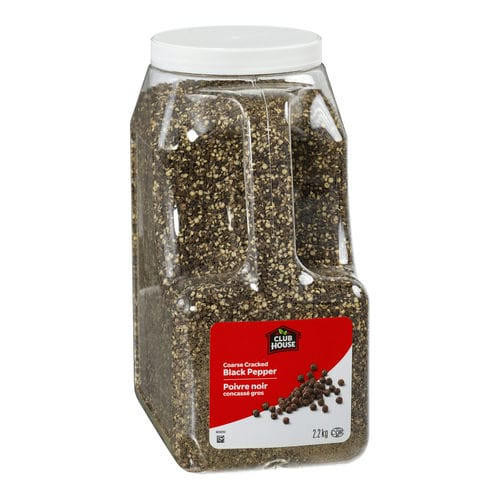
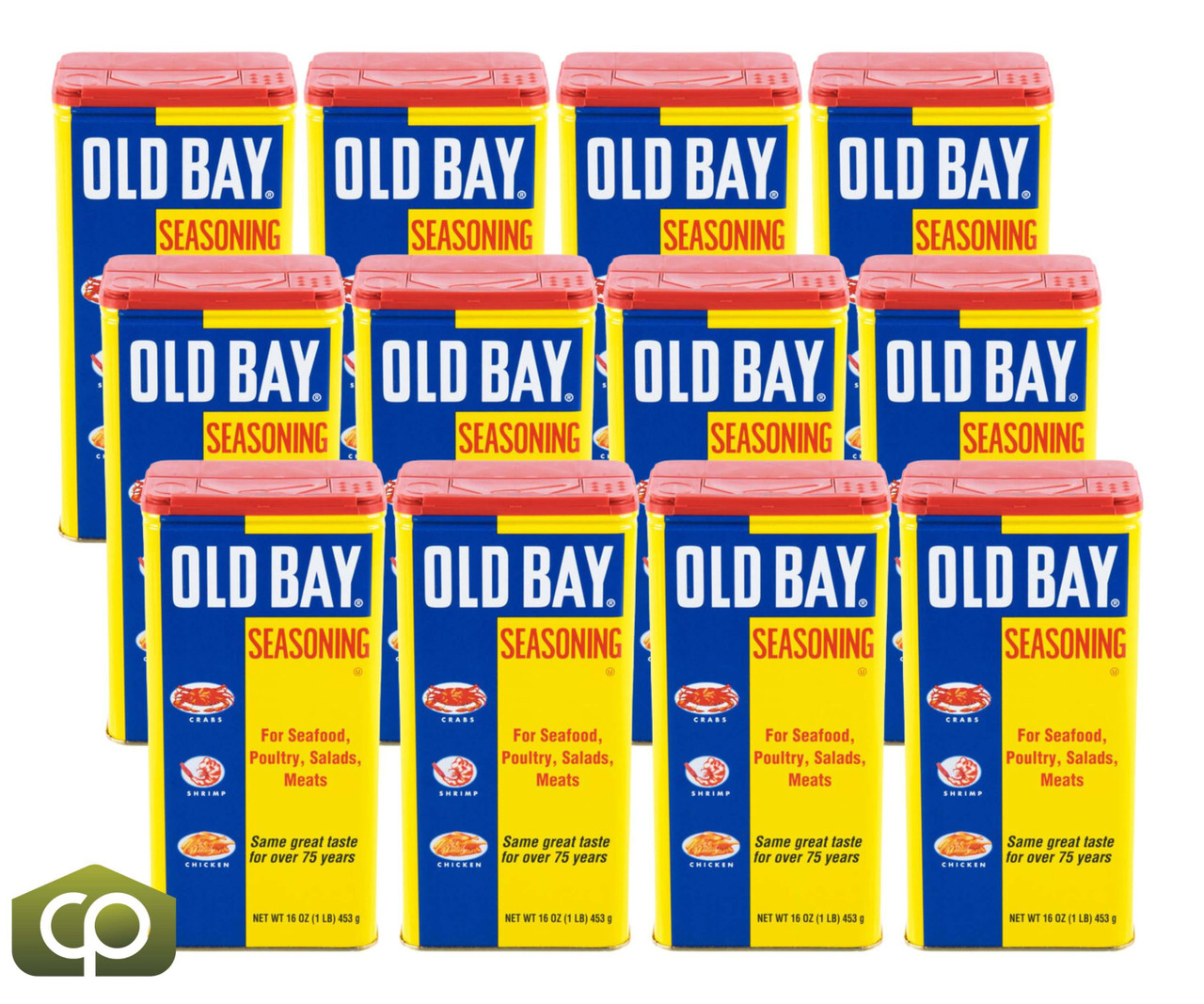
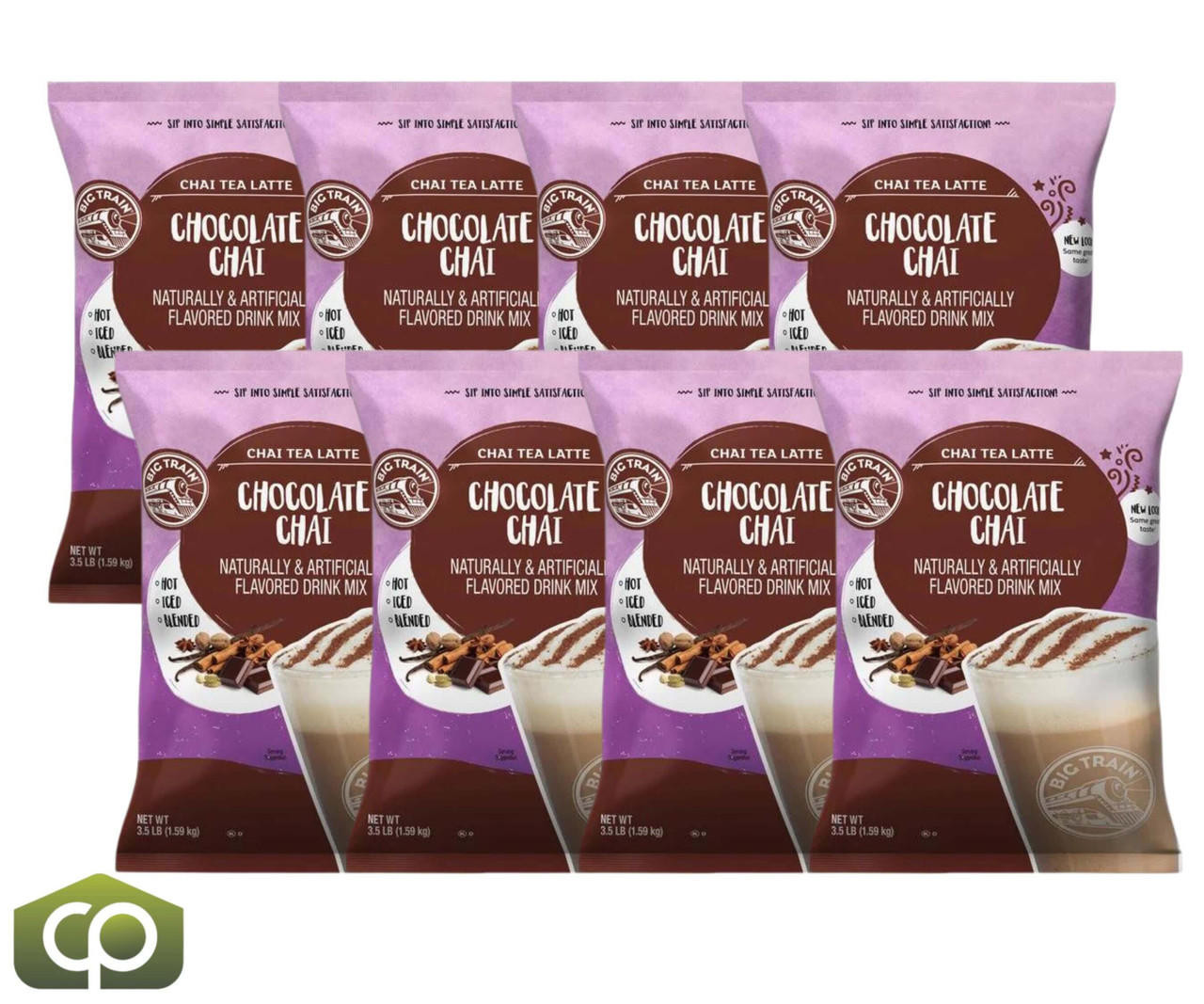
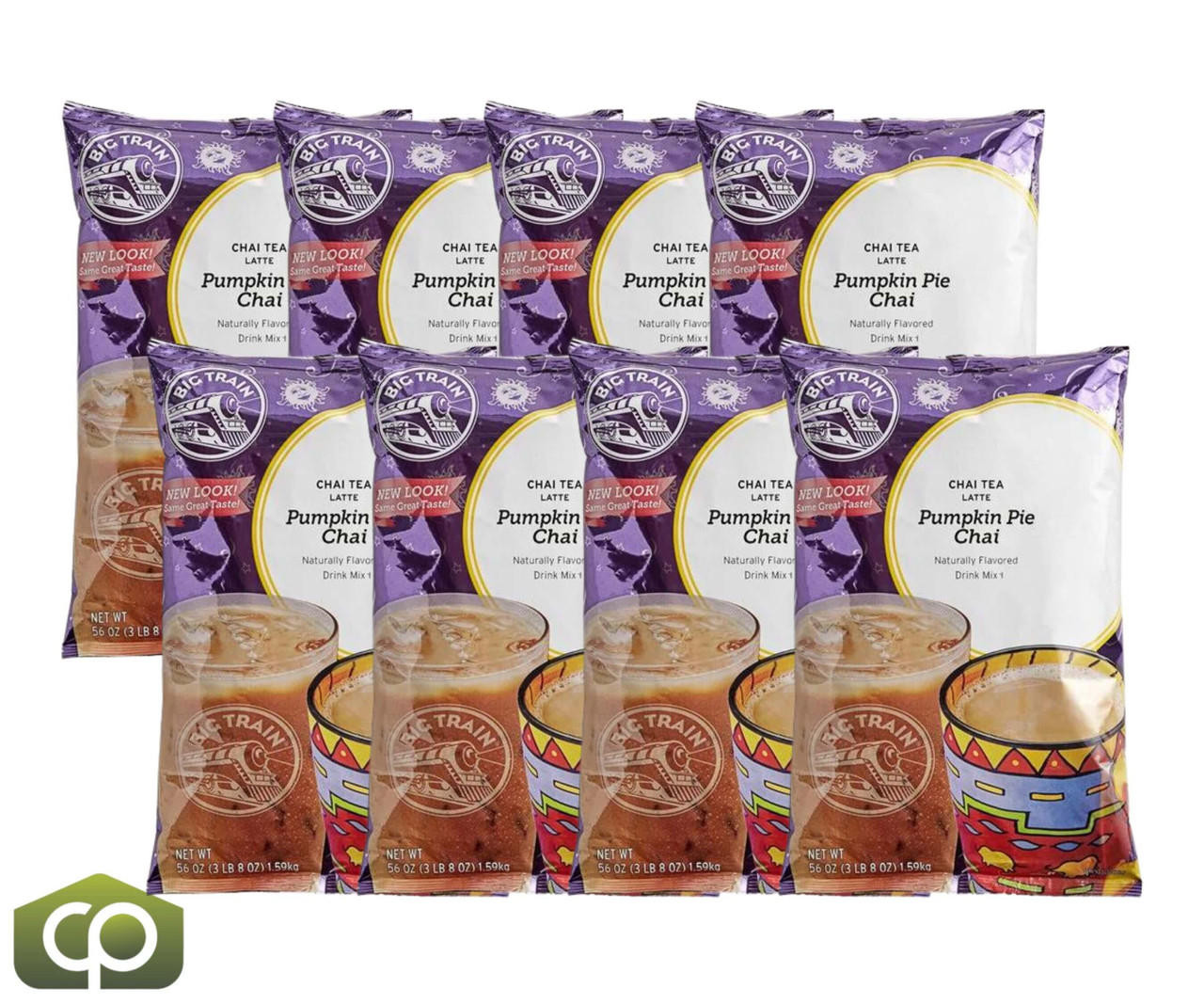
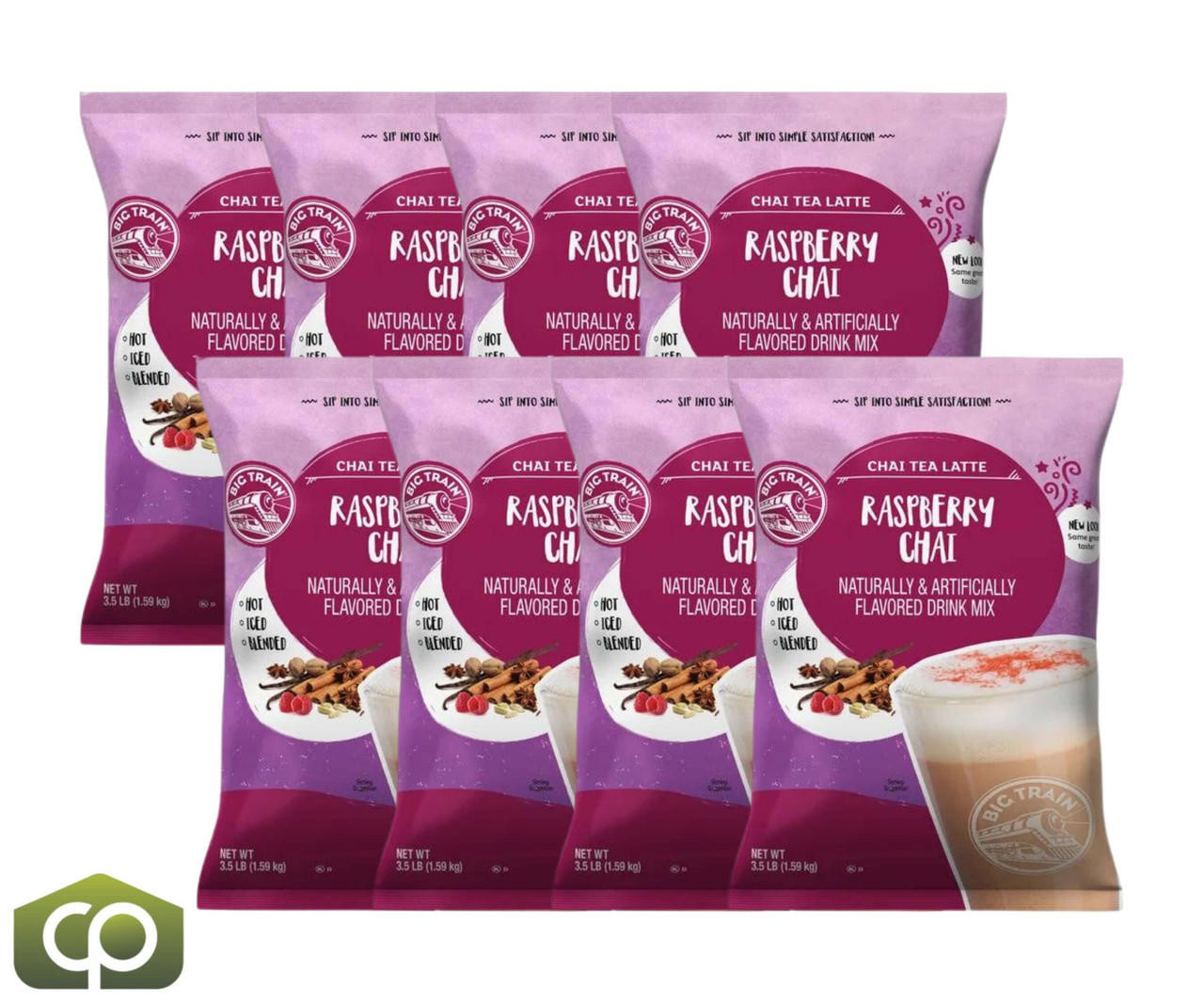
Consider your menu rhythm. Seasonal operations running pumpkin chai lattes through October to January need different timing than year-round black pepper demand. The Clubhouse cracked black pepper in 2.2 kilogram format suits steady kitchens; the Old Bay case packs work for coastal-themed summer menus or permanent seafood programmes. Big Train chai mixes arrive in 3.5-pound bags with eight per case, ideal for beverage stations with predictable daily volume.
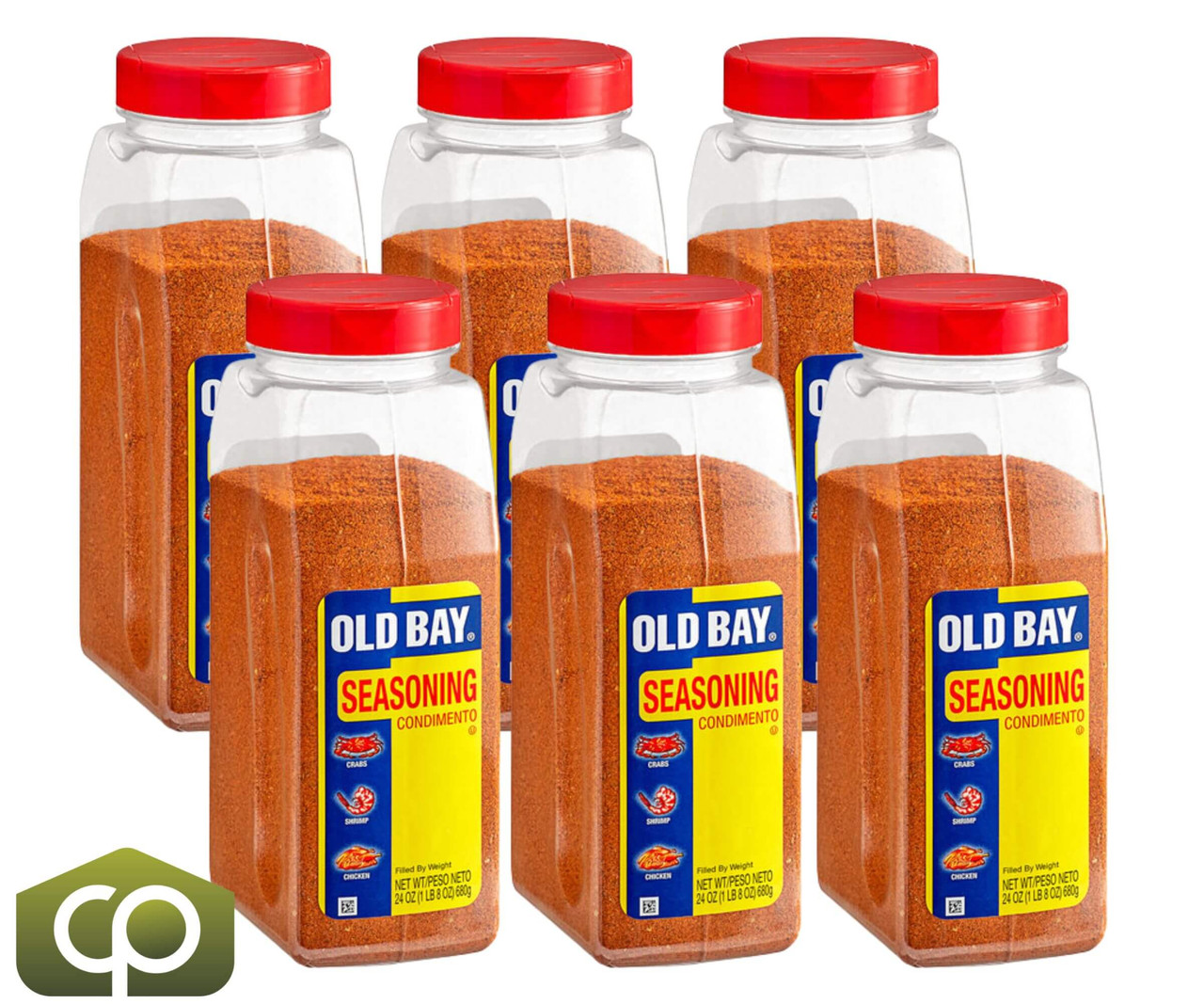
Evaluate your storage footprint before ordering. Bulk savings evaporate if you lack proper shelving or climate control. A case of six 24-ounce Old Bay shakers fits most Airbnb pantry closets; a five-pound canister of smoked paprika demands counter space or a dedicated spice rack. Measure your available cubic footage, then build a par level system that triggers reorders before stockouts, not after.
Building a Spice Storage System That Protects Potency
Your nose has over four hundred odor receptors tuned to detect freshness.
Airtightness is non-negotiable. Volatile oils in spices escape through the slightest gap, leaving dull dust behind. Metal tins with gasketed lids outperform screw-top plastic for long-term holding. For daily-access items, consider smaller working containers refilled from master stock kept sealed in a cool back room. This two-tier approach limits oxidation to the fraction you will use within a fortnight.
Temperature stability matters more than most operators assume. Kitchens above stoves, near dish machines, or in direct sun run ten to twenty degrees warmer than ambient. That heat accelerates chemical breakdown of piperine in pepper and capsaicin in chile products. A dedicated drawer or cabinet on an interior wall, away from equipment heat, pays for itself in extended shelf life and consistent flavour delivery.
Humidity control completes the system. Alberta's dry winters help, but summer humidity and steam from nearby prep areas introduce moisture that cakes powders and breeds mould in whole spices. Silica gel packets in master containers absorb residual moisture. Never shake directly over a steaming pot; steam entering the bottle condenses and spoils the remainder. Measure into a separate dish first.
Reading Shelf Life Without Blindly Trusting Dates
Packaged dates indicate legal compliance, not actual flavour death.
Whole spices maintain integrity for two to four years when stored properly. Ground spices fade noticeably within six to twelve months. The difference lies in surface area: grinding exposes volatile oils to oxygen, multiplying degradation rates. Smell before using. If the aroma does not bloom when crushed between fingers, the spice has lost its functional value regardless of stamped date.
Blended seasonings like Old Bay present compound risk. With eighteen distinct herbs and spices, each component degrades at different rates. The dominant notes may linger while subtle background elements vanish, flattening the profile. Test blend batches against a fresh sample quarterly if you hold case stock across multiple seasons. Mark cases with quarter received and rotate oldest forward.
Chai latte mixes containing powdered dairy and sugar behave differently from pure spices. The Big Train chocolate, pumpkin, and raspberry varieties include ingredients vulnerable to fat oxidation and moisture clumping. Seal opened bags completely between uses; transfer to rigid containers if original packaging tears. Unopened shelf life exceeds opened by a factor of three in most kitchen conditions.
Getting Full Yield From Every Kilogram Purchased
Yield is not extraction rate; it is flavour delivered per gram used.
Heat application is the single highest-use technique for maximizing spice yield. Dry-toasting whole spices in a heavy pan until fragrant, then grinding, releases aromatic compounds inaccessible in raw form. This is not optional refinement; it is fundamental chemistry. The time investment is minimal—two to three minutes active—and the return is a finished dish that tastes of intention rather than afterthought.
Blooming ground spices in fat carries the principle further. Fat-soluble flavour compounds dissolve and distribute evenly through a dish; water-based dispersion leaves them uneven or muted. For facility kitchens producing sauces or marinades in volume, this step ensures guest number three hundred experiences the same profile as guest number three. Skipping it to save minutes costs repeat bookings.
Acid integration extends perceived yield without additional spice weight. Citric acid from pineapple or other fruit sources interrupts the capsaicin feedback loop that causes diners to stop eating spicy dishes. A kitchen using acid strategically can reduce hot sauce or chile powder by fifteen to twenty percent while maintaining the same sensory impact. The savings compound across case quantities.
Integrating Bulk Spices Into Daily Kitchen Workflow
Systems fail when they fight the natural rhythm of service.
Designate a spice prep station separate from protein and produce handling. Cross-contamination between raw proteins and open spice containers creates food safety hazards that no storage system can fix. Colour-coded measuring tools kept at the spice station prevent migration of allergens or pathogens. Train all staff to wash hands and change gloves before accessing bulk stock after handling raw materials.
Standardize recipes by weight, not volume. A tablespoon of ground pepper varies by thirty percent depending on humidity, compaction, and grind size. Gram scales at the prep station ensure consistency across shifts and properties. For multi-location operators in Alberta and British Columbia, weight-based recipes mean a Calgary kitchen produces identical flavour to an Edmonton counterpart without chef interpretation.
Schedule deep inventory reviews quarterly. Pull every container, verify seals, discard anything with compromised integrity, and update par levels based on actual usage trends. Seasonal properties often discover summer spice rates differ dramatically from winter projections. These reviews also catch mislabeled containers before they ruin a batch and generate guest complaints or wasteful remakes.
Spotting Quality Before You Commit to a Case
Bulk buying amplifies both savings and mistakes.
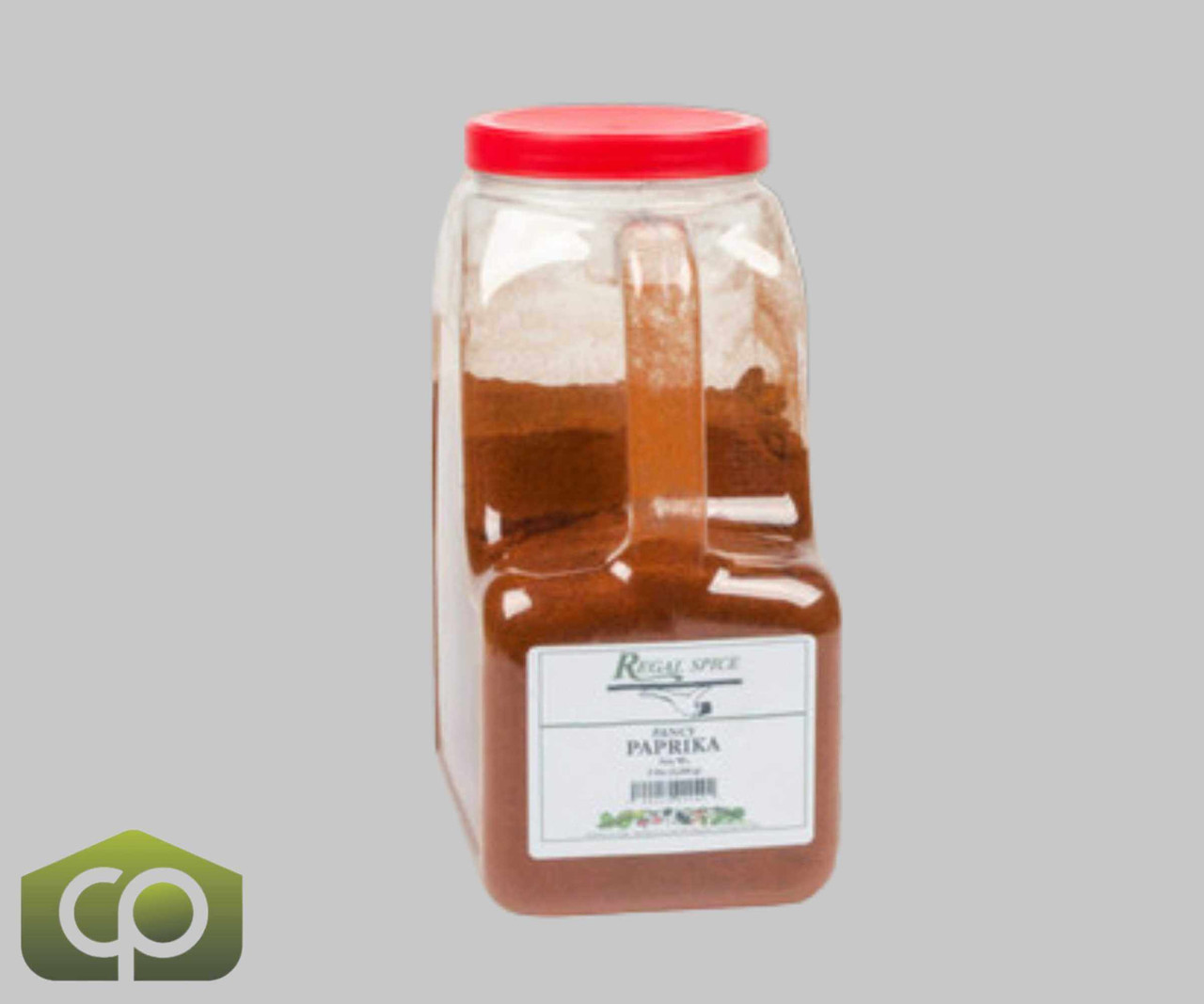
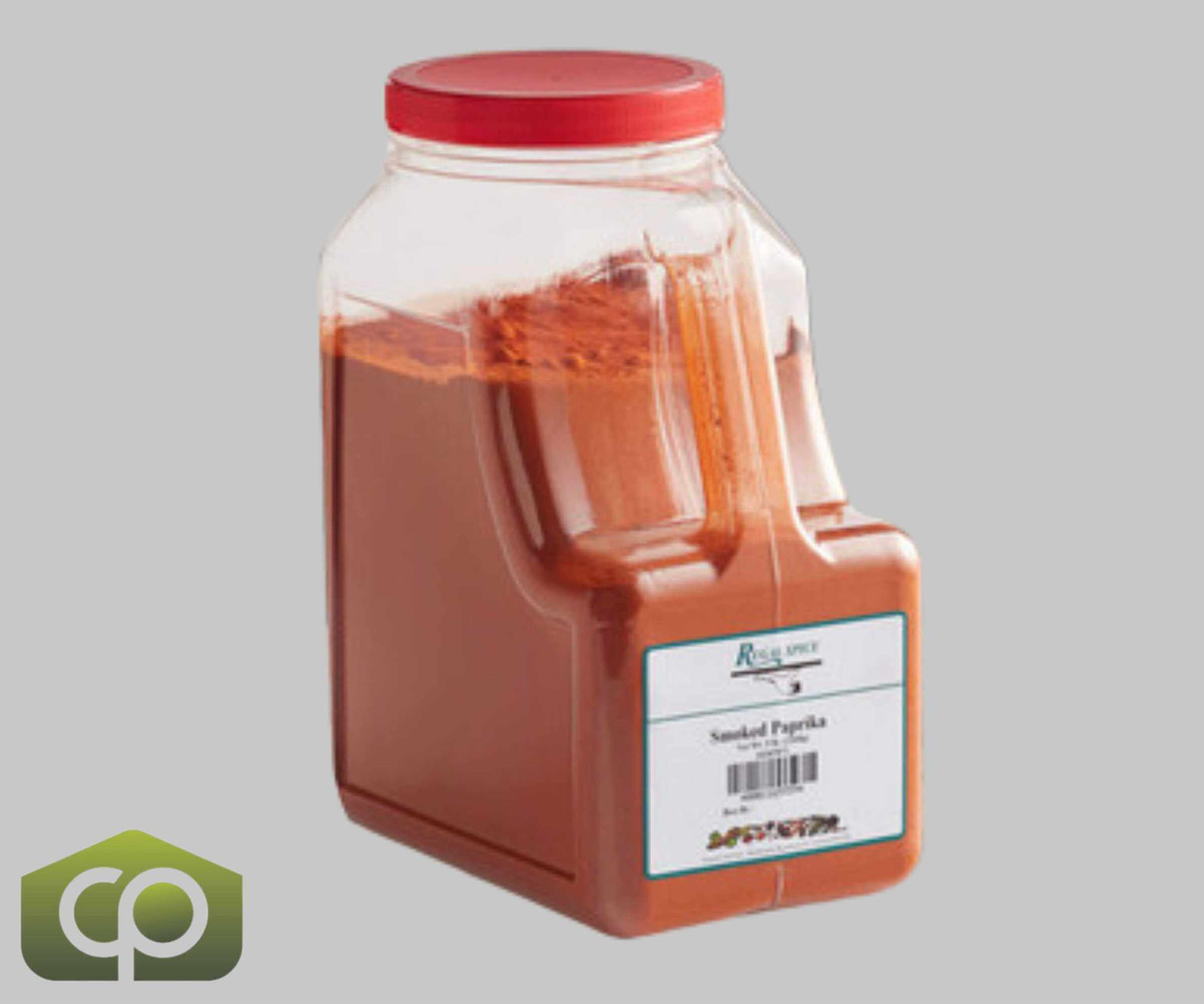
Colour intensity indicates carotenoid retention in paprika products. Dull, brown-leaning samples have oxidized; bright red-orange suggests proper handling from harvest through packaging. The ChickenPieces fancy and smoked paprika lines specify five-pound canisters with origin clarity, allowing buyers to match smoke level to application. Smoked paprika suits barbecue and rustic preparations; fancy paprika delivers cleaner colour and milder heat for delicate sauces.
Particle size reveals processing quality in cracked pepper. Uniformly sized cracks indicate controlled milling; dust and fine powder mixed with large fragments suggest inconsistent equipment or age-related breakdown. The Clubhouse 2.2-kilogram format specifies cracked rather than ground, preserving volatile oils longer and allowing final grind control in the kitchen. Inspect a sample before committing to full-case quantities.
Blend integrity shows in ingredient listing order and specificity. Old Bay's eighteen-herb-and-spice blend lists celery salt first, indicating dominant proportion, followed by specific spices rather than vague natural flavour catch-alls. For chai mixes, ingredient transparency around spice content versus filler levels determines whether you are buying flavouring or actual spice. Big Train's product names foreground chai identity, signalling appropriate spice presence for commercial expectations.
Bulk Spice Format Comparison for Commercial Kitchens
Match format to your kitchen's turnover rate and storage constraints.
| Product format | Best for | Storage need | Turnover fit |
|---|---|---|---|
| 2.2 kg cracked black pepper | High-volume pepper use, grinder refill | Airtight bin, cool dark shelf | Weekly or faster |
| Old Bay 1 lb. case (12) | Multi-location distribution, portion control | Original cases, dry storage | Monthly rotation |
| Old Bay 6 oz. case (8) | Single-property Airbnb, small pantry | Cupboard or drawer | Seasonal or light use |
| Old Bay 24 oz. case (6) | Medium kitchen, regular seafood menu | Dedicated spice shelf | Bi-monthly restock |
| Big Train chai mix case | Beverage station, fall/winter programme | Sealed tubs, away from steam | Daily service periods |
| 5 lb. fancy paprika | European, Hungarian, or mild preparations | Opaque canister, cool interior | Moderate colour use |
| 5 lb. smoked paprika | Barbecue, rustic, Spanish-style dishes | Same as fancy, separate storage | Occasional accent use |
Spices and Seasonings by the Case
Pepper, paprika, signature blends, and chai mixes sized for commercial pantries.

What Canadian facility operators say
Alberta and national operators report on real kitchen outcomes.
Switched from retail pepper to the 2.2 kg Clubhouse format last spring. Our grinder stations stay full, and the cracked size holds aromatics longer than pre-ground ever did.
The smoked paprika case lasts our three locations through barbecue season without reordering. Colour stays true if you keep the canister sealed tight between uses.
Old Bay 24-ounce cases fit our monthly par system exactly. No more emergency runs when the weekend seafood feature hits harder than expected.
Spice buying and care: Frequently Asked Questions
The following operator questions are answered with cited sources. Every FAQ links to the community thread, buyer guide, or regulator page it was researched from.
Where do restaurants buy their spices in bulk?
Products referenced:
- bulk spices
- seasoning blends
- wholesale peppercorns
- foodservice spices
Source: Spices and Seasonings at Wholesale Prices - My Spice Sage
Do bulk spices actually save money compared to grocery store jars?
Products referenced:
- bulk spices
- spice jars
- wholesale spice bags
Source: Costco Spice Rack Offers Free Refills for 5 Years - But Is It Worth It? - Cheapism
How long do ground spices keep their flavour in a commercial kitchen?
Products referenced:
- ground spices
- paprika
- cumin
- spice storage containers
Source: Why Blooming Spices in Oil Changes the Dish More Than Adding More - The Spice Shelf
Is it cheaper to buy whole spices and grind them yourself?
Products referenced:
- whole peppercorns
- blade spice grinder
- whole cumin seeds
- coriander seeds
Source: Why Freshly Ground Spices Taste Better - Unplugged Kitchen
What spices should a new restaurant buy first in bulk?
Products referenced:
- black pepper
- garlic powder
- paprika
- cumin
- chili flakes
- oregano
Source: Online Spice Store: Shop 400+ Spices and Seasonings - Savory Spice
How should a restaurant store bulk spices to keep them fresh?
Products referenced:
- airtight spice containers
- glass spice jars
- spice labels
Source: Ground Black Pepper Storage & Shelf Life - PantryMetric
Are Costco-sized spices a good deal for foodservice kitchens?
Products referenced:
- Kirkland spices
- Saigon cinnamon
- warehouse bulk spices
Source: 11 Popular Kirkland Spices And Seasonings At Costco, Ranked - Tasting Table
Why does my food taste flat even though I am using the same recipes?
Products referenced:
- ground paprika
- cinnamon
- cumin
- spice blends
Source: 15 Common Pantry Items That Go Bad Faster Than You Think - On Your Journey
How much do spices actually add to food cost in a restaurant?
Products referenced:
- bulk spices
- food cost tracking
- seasonings
Related guides from ChickenPieces
Why Operators Source Spices From ChickenPieces.com
Calgary-based supply with national reach and compliance rigour.
Case-size clarity
Every listing shows pack count and total weight in both metric and imperial, eliminating conversion errors that distort ordering decisions.
Kitchen-proven formats
We stock the sizes that fit commercial shelving and standard portioning tools, not consumer portions repackaged with markup.
Alberta-based support
Questions about turnover rates or storage setup reach staff who understand prairie humidity swings and seasonal property rhythms.
Regulatory compliance assured
All food products meet Health Canada and CFIA import and labelling requirements, with proper bilingual packaging and traceable lot codes for recall readiness.
Request Your Spice Par Level Quote
Tell us your property count, average occupancy, and menu style. We will size your initial spice order and set par levels that keep you stocked without overcommitting storage.
Request a QuoteReferences: Health Canada - Food Chemical Contaminants CFIA - Food Safety for Industry.