
2026 Aug 2nd
Portion Control Dispensers Cut Food Waste for Canadian
Portion control dispensers let guests serve themselves fixed amounts of cereal, toppings, and condiments. This reduces over-pouring, cuts waste, and keeps your breakfast bar or pantry tidy without constant staff attention.
Portion Control Dispensers Cut Food Waste for Canadian Foodservice
Airbnb hosts, property managers, and facility operators across Canada use portion control dispensers to reduce waste and keep breakfast bars tidy.
Key Takeaways
Here is what portion control equipment changes for your operation.
Less mess at breakfast
Guests cannot over-pour cereal or toppings. Fixed mechanisms keep counters clean and reduce the time your staff spends wiping up spills.
Predictable cost per serving
Each twist or pull releases a measured amount. You stop guessing how much product disappears each morning.
Better inventory planning
Consistent portions let you order the right amount of bulk product. You avoid last-minute runs to the wholesale club.
Fresher product for guests
Sealed canisters protect dry goods from humidity and contaminants. Your cereal and toppings taste the same on day ten as on day one.
Neater self-serve stations
Wall-mount and freestanding options keep surfaces clear. Guests move through your breakfast area without bottlenecks.
Easier staff training
Refilling dispensers is simpler than managing scoop bins. New hires learn your system in minutes, not shifts.
Why uncontrolled portions drain your budget
Loose scoop bins and open containers let guests take whatever they want.
Uncontrolled serving stations look generous but cost more than they save. Guests develop heavy hands with cereals, toppings, and powdered creamer. Some dump extra to avoid a second trip. Others spill while transferring from bin to bowl. Either way, your bulk purchase disappears faster than your occupancy numbers justify.
The problem compounds across multiple units. A property manager running fifteen Airbnb suites sees the pattern repeat at every location. Each over-pour is small, but the total across hundreds of servings each month adds up to real product loss. You also face the hidden cost of extra cleaning time and premature reordering.
Portion control dispensers interrupt this cycle at the source. A fixed mechanism releases one serving per twist or pull. Guests get what they need. You get consistency. The equipment pays back through reduced waste, not through complex calculations or staff policing.
Mechanisms that control every serving
Cal-Mil dispensers use gravity-fed systems with adjustable portion wheels.
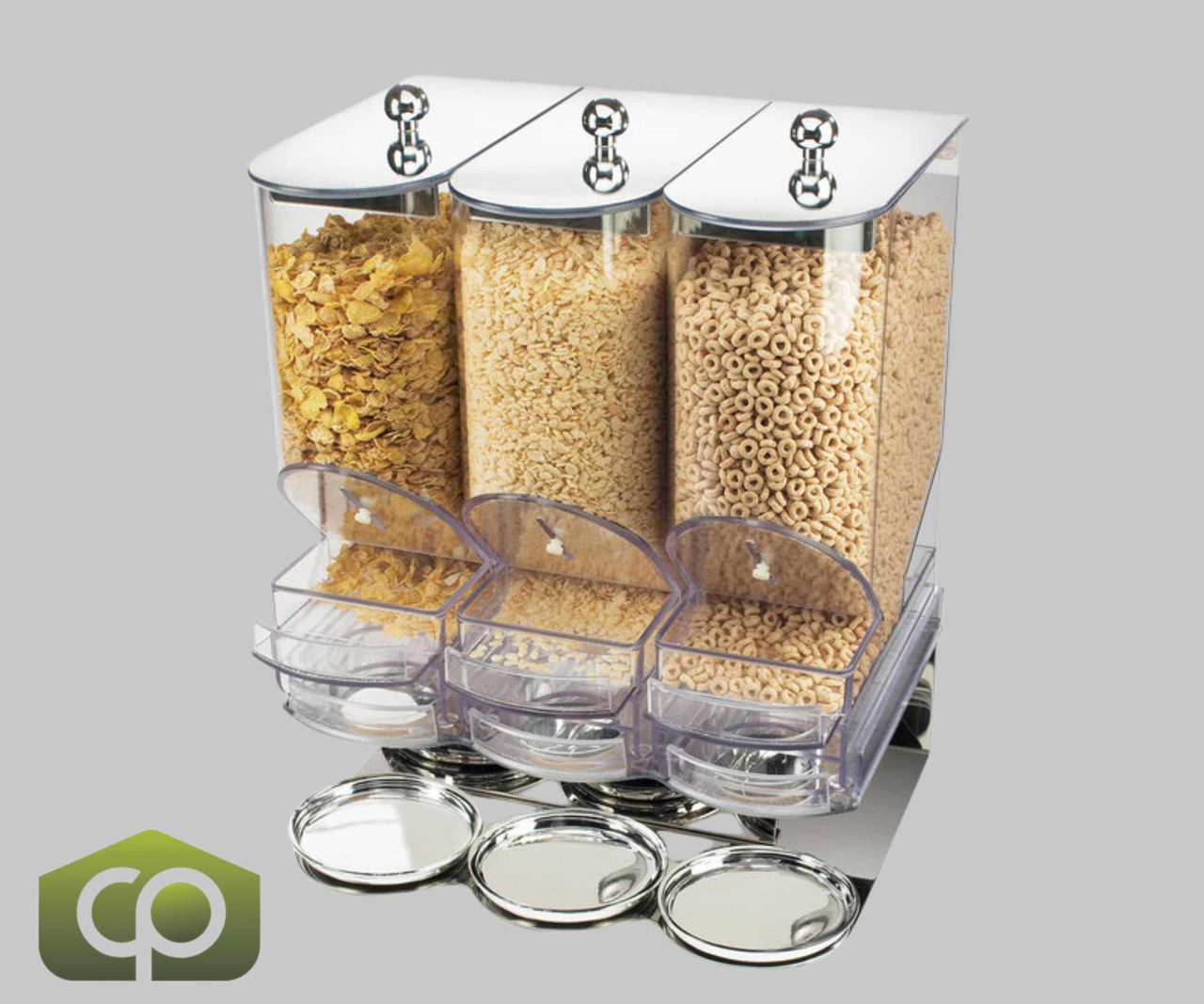
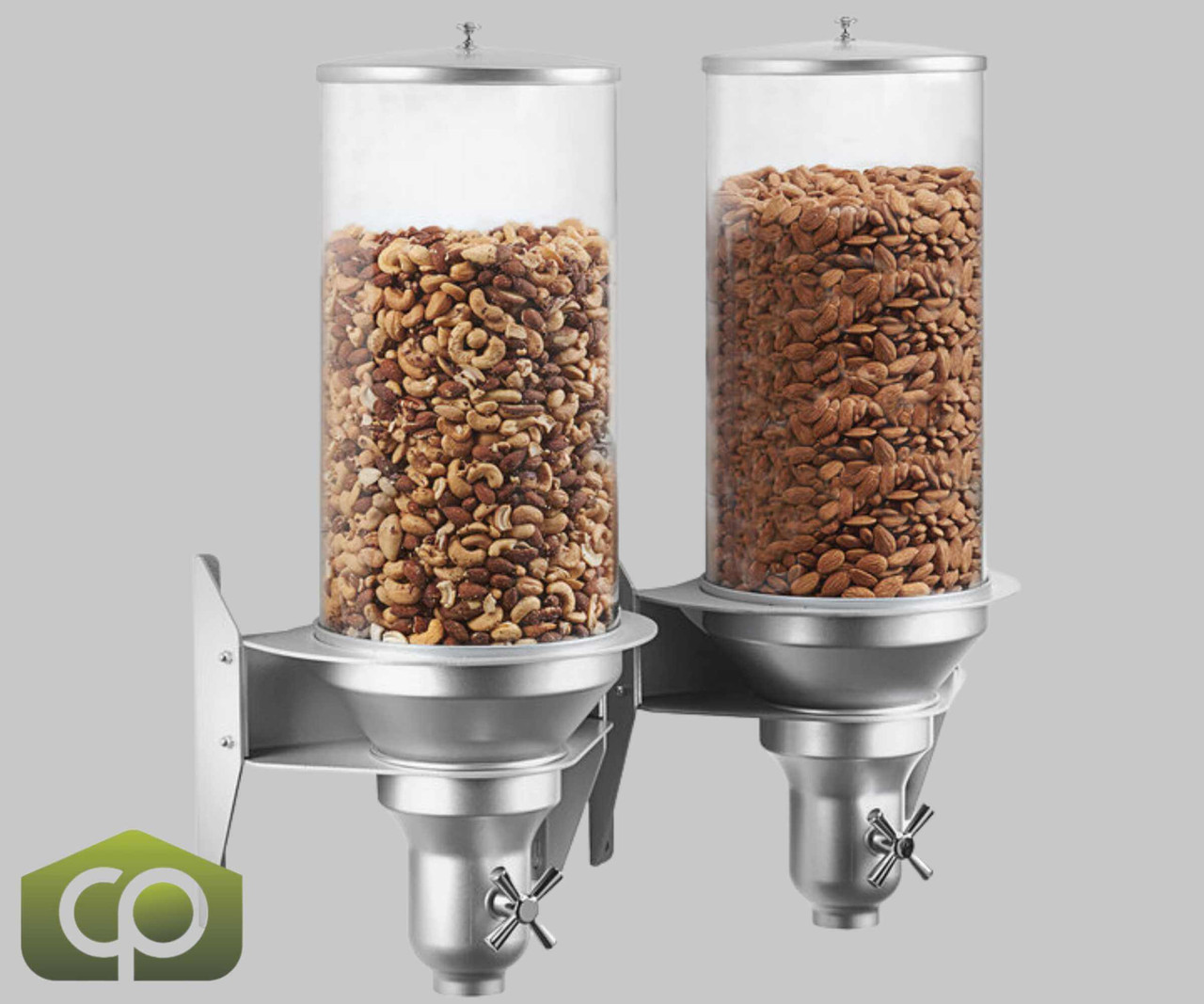
The Cal-Mil Triple Canister Cereal Dispenser uses a turn-and-serve mechanism. Each rotation drops a fixed volume of flakes or loops into the bowl below. The portion wheel is adjustable, so you set the serving size to match your target cost per guest. Wall-mount versions keep the counter clear for plates and utensils.
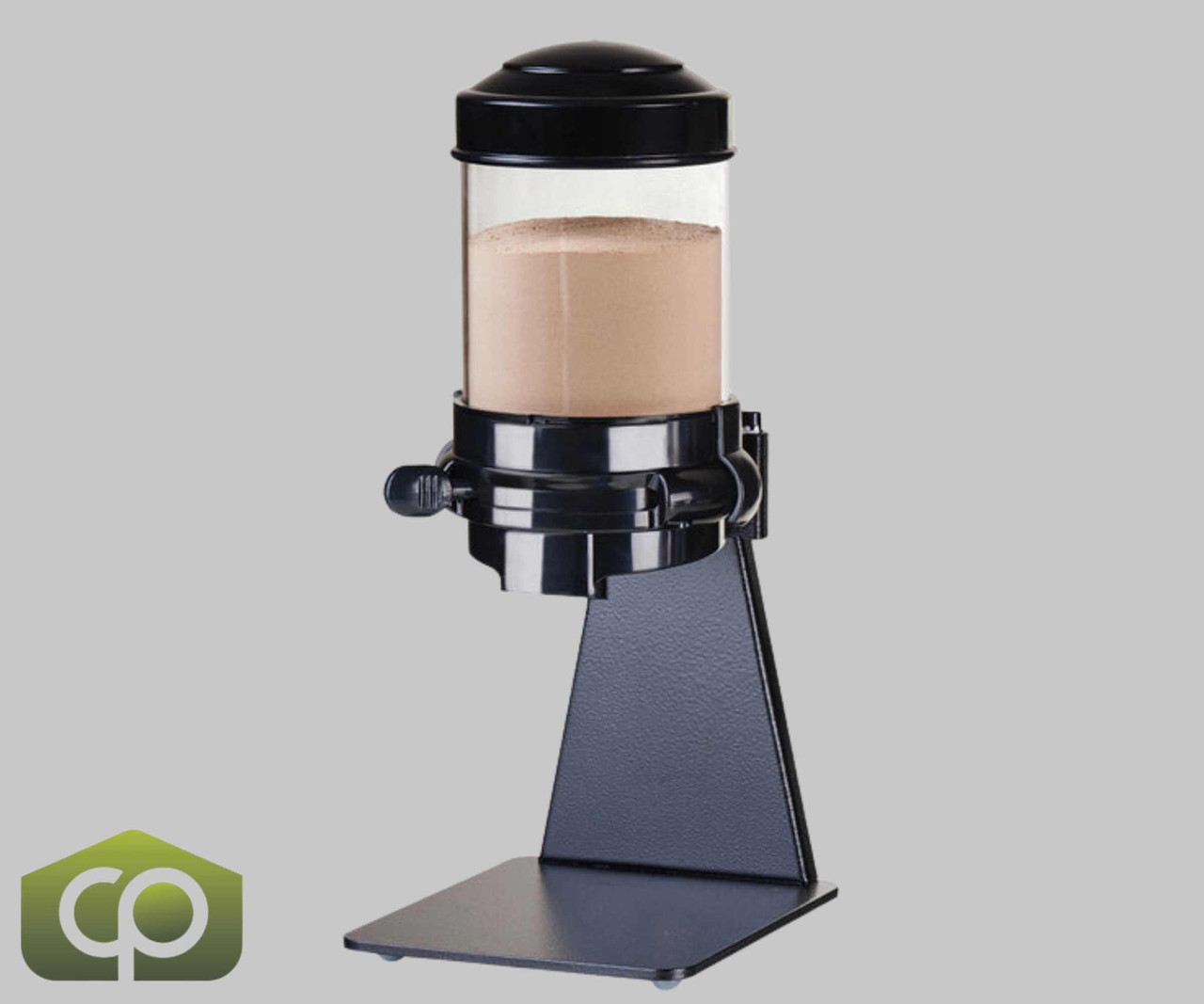
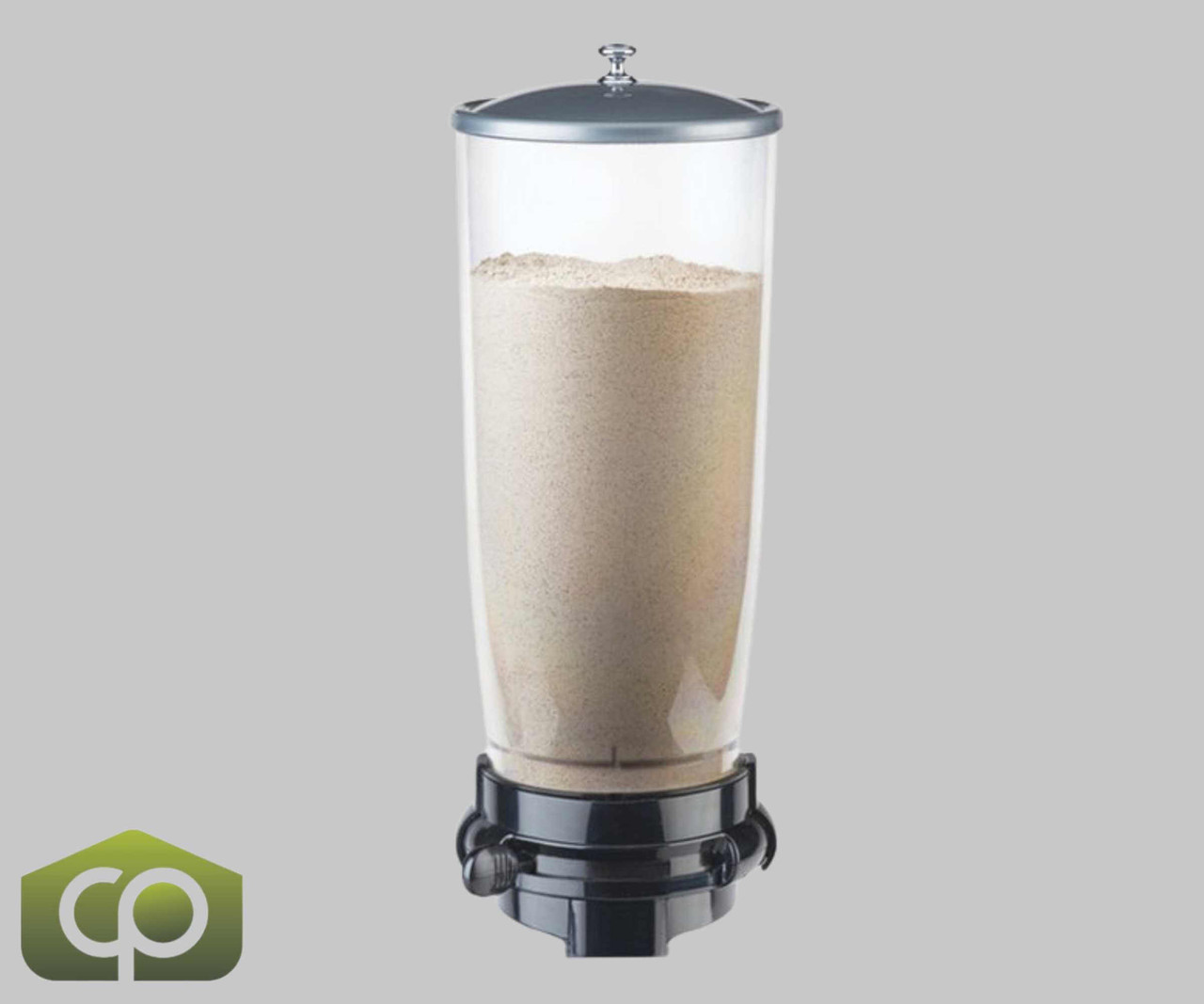
Powder dispensers work differently. The single-canister models use a sliding gate that opens for a set duration. This suits coffee creamer, protein powder, or drink mixes where guests need a spoon-equivalent, not a scoop they control. The 1.5 litre freestanding unit fits compact pantries. The 5 litre wall-mount version serves higher-traffic breakfast rooms.
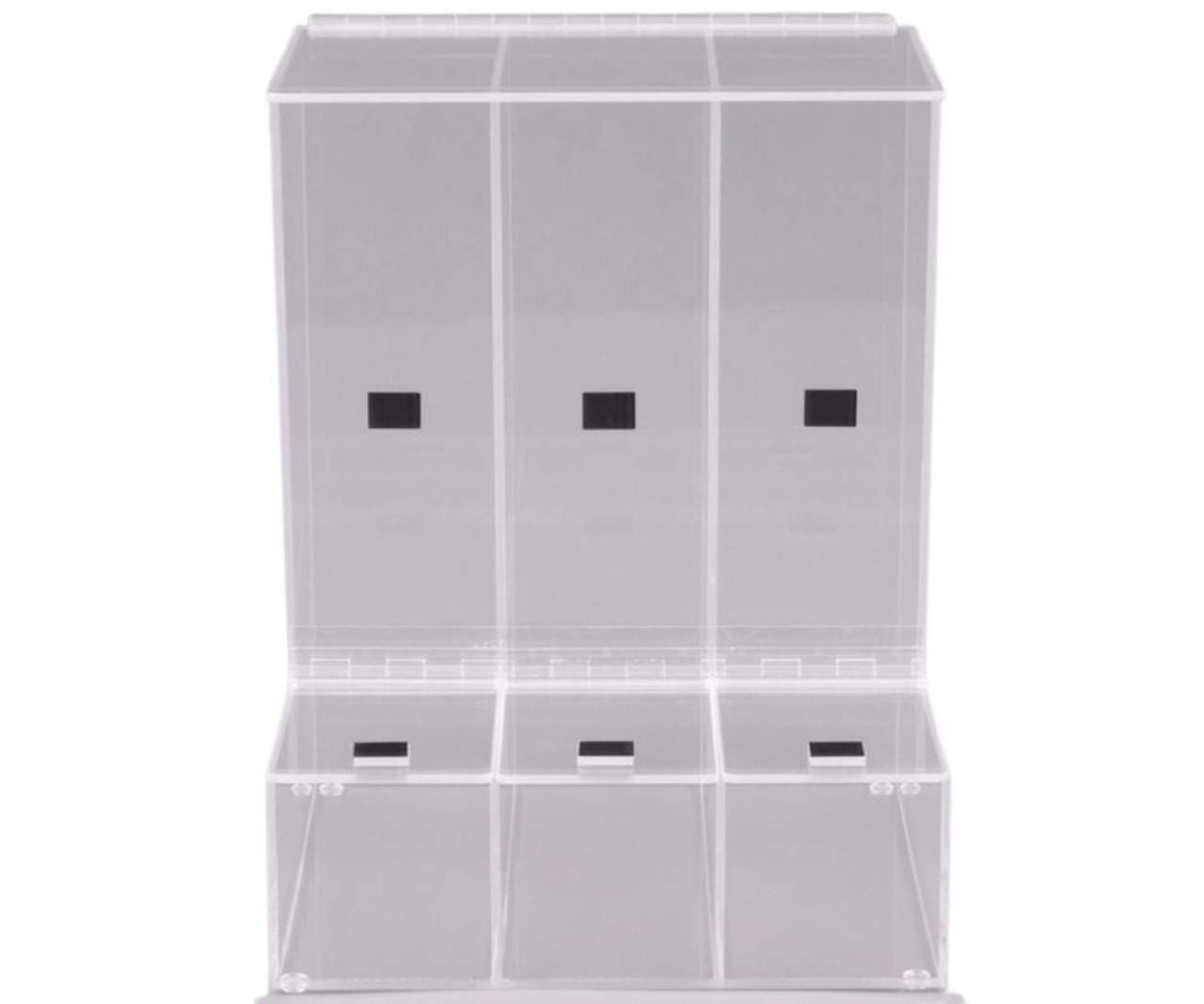
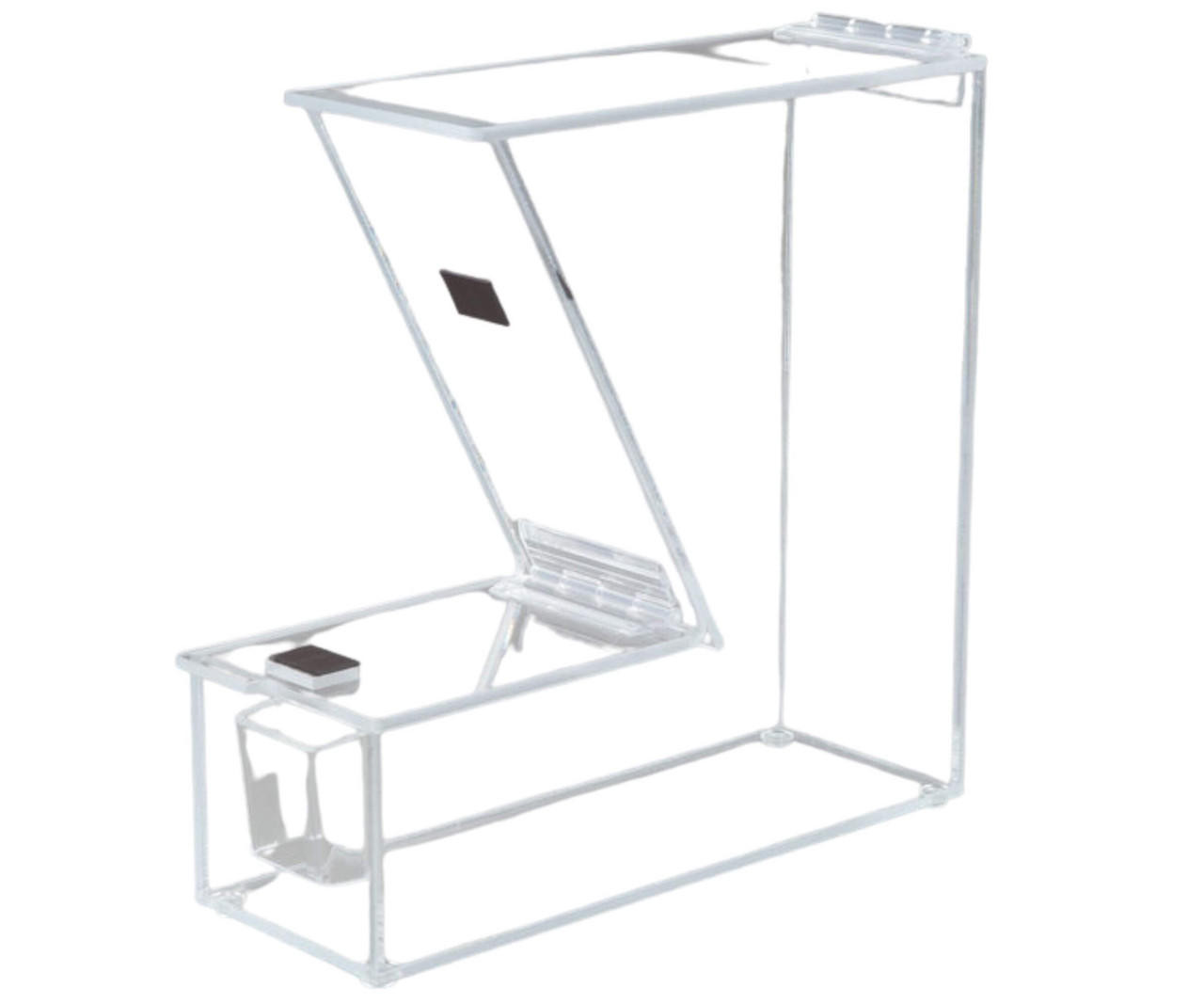
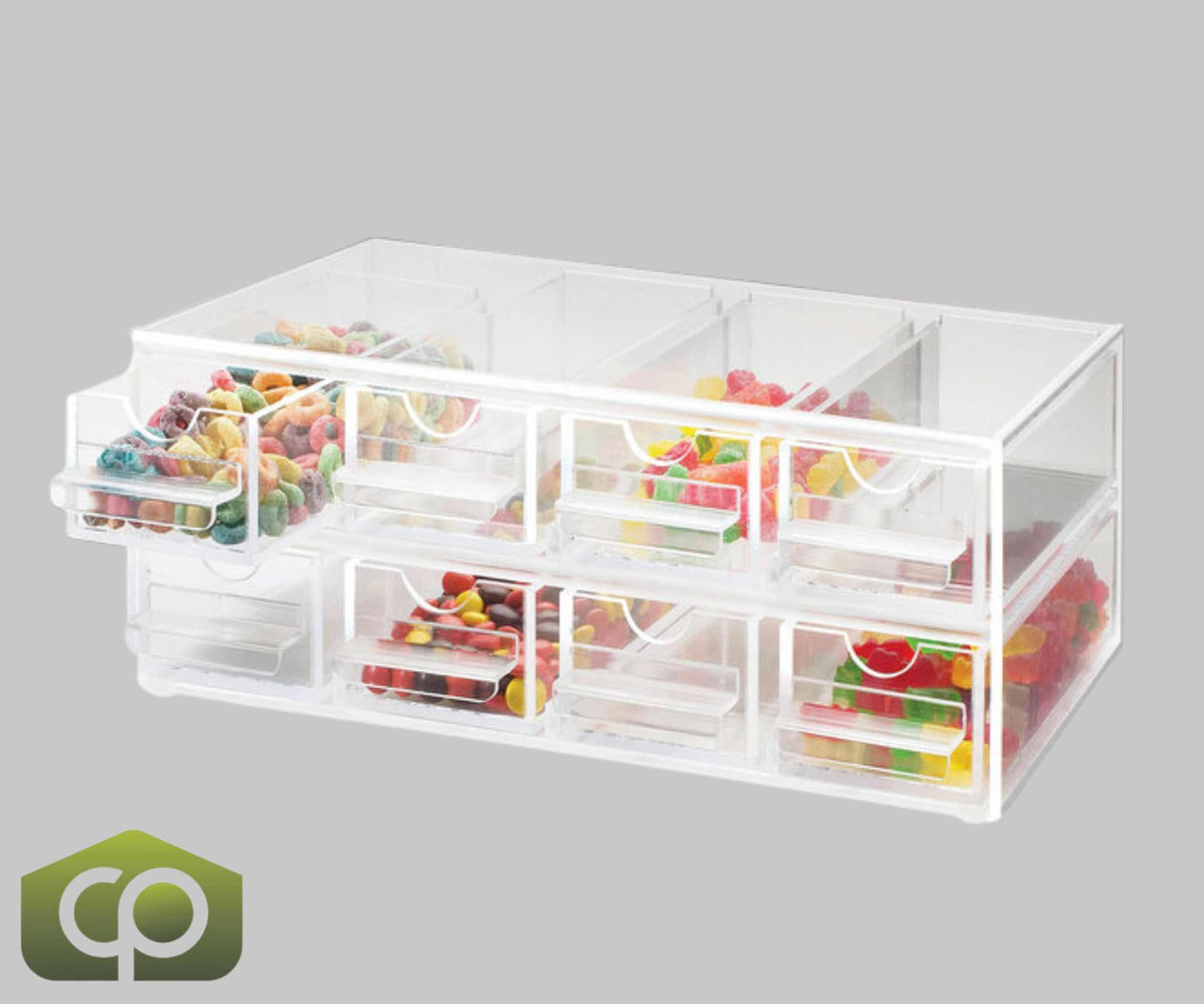
Topping dispensers combine visibility with control. Drawers or holsters let guests see colourful sprinkles, nuts, or dried fruit while limiting access. The Eight Drawer model sorts toppings by type. The Three Bin bulk dispenser handles larger items like oats or trail mix where guests want variety but not volume.
Match dispenser type to your service area
Your counter space and traffic flow determine the right format.
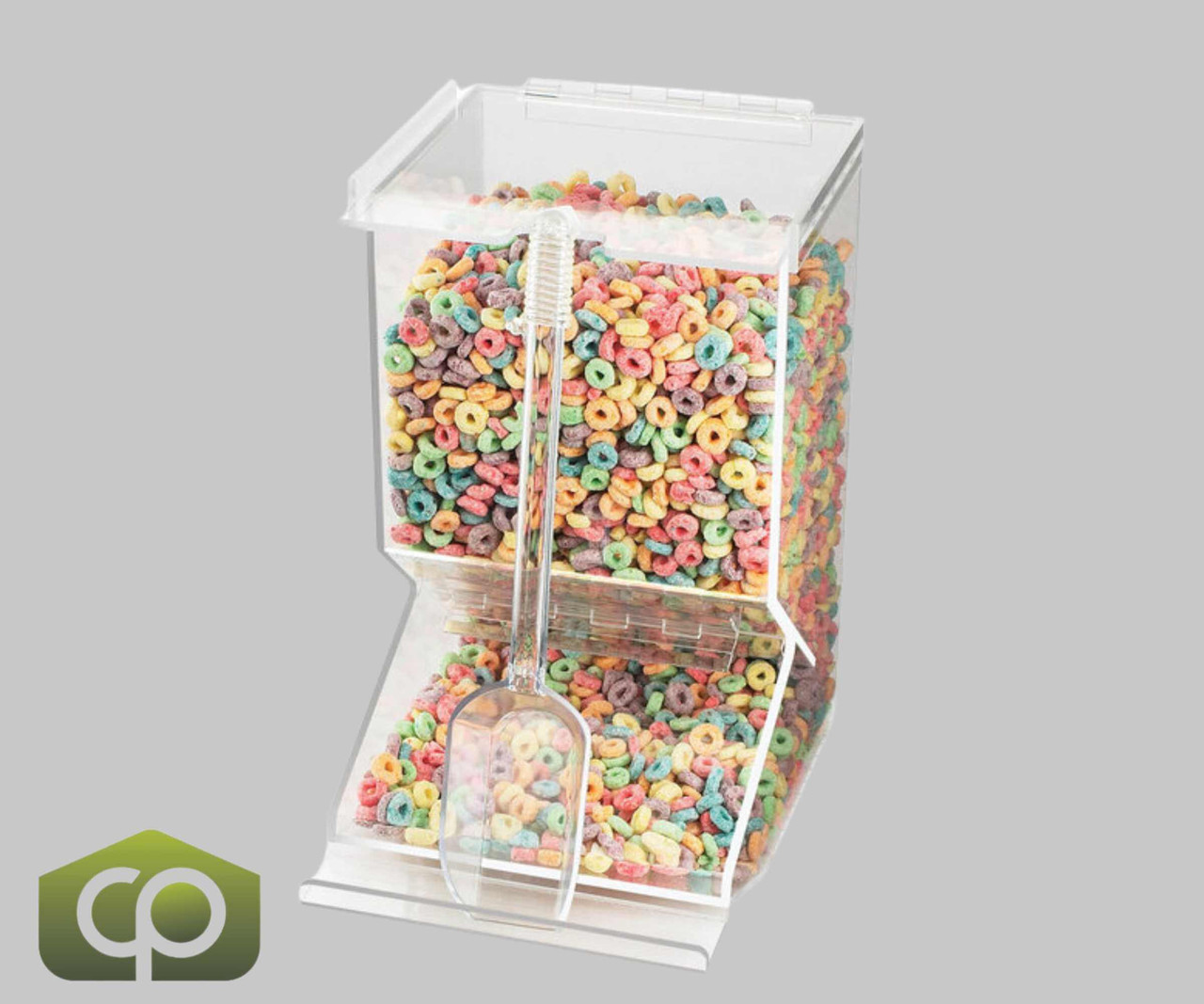
Small breakfast nooks in boutique Airbnb suites need compact solutions. The Stackable Acrylic Cereal Dispenser sits on existing counters without modification. Its narrow footprint leaves room for fruit bowls and coffee equipment. You add a second unit stacked vertically if guest counts grow.
Larger facilities benefit from wall-mounted systems. The Turn N Serve Platinum 2 Bin Cereal Dispenser attaches to studs or backing plates. Guests reach upward, not across, which keeps the serving line moving. This matters in hostels and managed apartments where twenty guests might hit the breakfast bar within thirty minutes.
Freestanding units suit flexible layouts. Property managers who rearrange seasonally or between bookings can roll or lift Cal-Mil dispensers without tools. The Classic Three Bin model stands on rubber feet that grip tile and laminate. You clean underneath without disassembly.
Keep dispensers guest-ready with simple maintenance
Acrylic and metal parts wipe clean with standard foodservice procedures.
Dispenser maintenance is straightforward but not optional. Powdered products absorb moisture and clump in humid Canadian summers. Cereal crumbs accumulate in the dispensing mechanism and jam the turn wheel. A weekly empty-and-inspect routine catches these issues before they frustrate guests or staff.
The black powder-coated finishes on Cal-Mil dispensers hide fingerprints better than bare metal. They still show dust and splash marks. A quick wipe with a damp cloth each morning keeps the presentation crisp. For deeper cleaning, remove the canister from its mount or holster. Wash with warm water and mild detergent. Avoid abrasive pads that scratch acrylic viewing windows.
Staff should check the portion mechanism monthly. Sticky toppings like dried cranberries or chocolate chips can gum up the works. A soft brush clears residue from the wheel or gate. If the dispenser sits unused for seasonal properties, empty it completely before closing up. Fresh product goes in when you reopen.
Choose capacity based on guest volume and refill frequency
Match litre capacity to how often you can restock.
Capacity planning prevents two common mistakes. Buying too large leaves product sitting stale. Buying too small means constant refilling and guest disappointment at empty canisters. Start by counting your average daily servings. Multiply by your portion size in grams. Convert to litres using the product density. Most dry cereals run roughly 0.2 to 0.3 kilograms per litre.
For a property serving twenty breakfast portions daily, a 5 litre wall-mount powder dispenser lasts roughly two to three weeks between refills. A 9.8 litre triple cereal dispenser handles the same traffic for a week per canister. The Classic Topping Dispenser with Holster holds smaller volumes by design, since guests use toppings sparingly.
Consider your restocking rhythm. Remote properties in the Canadian Rockies might get supply runs every two weeks. Urban Airbnbs near Calgary grocery stores can refill more often. Choose larger canisters for remote locations. Smaller units work where restocking is easy and freshness matters more than capacity.
Get calibrated equipment shipped to your Canadian property
ChickenPieces.com stocks Cal-Mil dispensers for direct shipment across Canada.
We carry nine Cal-Mil dispenser models selected for Canadian hospitality operations. Each listing includes dimensions and capacity so you can verify fit before ordering. No account is required to browse, but property managers running multiple locations benefit from our quote system for volume pricing and consolidated shipments.
Shipping rates calculate at checkout based on your postal code and total weight. We do not promise fixed delivery windows because carrier performance varies by season and destination. You see actual rates from available carriers and choose what works for your timeline. Rural addresses in Alberta, British Columbia, and Ontario sometimes take longer than major urban centres.
Our team answers product questions by email and phone during Alberta business hours. We help with compatibility questions, mounting hardware needs, and bulk order planning. If you manage properties in multiple provinces, we can split shipments to different addresses under one quote. This keeps your procurement simple and your receiving docks uncluttered.
Compare Cal-Mil dispenser models
Use this table to match dispenser type, capacity, and mounting style to your property setup.
| Model | Capacity | Mount type | Best for |
|---|---|---|---|
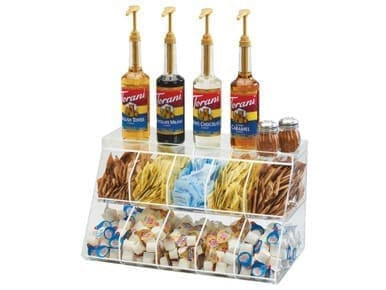
| 10 Bin Condiment Holder | 10 compartments | Counter | Syrups, packets, condiment variety |
| 1.5L Single Powder Dispenser | 1.5 litre | Freestanding | Small pantries, limited counter space |
| 5L Single Powder Dispenser | 5 litre | Wall mount | High-traffic drink stations |
| Three Bin Bulk Dispenser | 3 bins | Counter | Oats, trail mix, granola variety |
| Topping Dispenser with Holster | 1 holster | Counter | Single topping, quick access |
| Eight Drawer Topping Dispenser | 8 drawers | Counter | Full topping bar organization |
| 9.8L Triple Cereal Dispenser | 9.8 litre x 3 | Wall or counter | Large breakfast service, three cereals |
Browse portion control dispensers
Nine Cal-Mil models for Canadian hospitality, from compact suites to full-service facilities.
People Also Ask
Real questions buyers search before they order — answered straight.
How do portion control dispensers work?
A portion control dispenser releases the same measured amount every time it is pressed, pumped, or turned, so each serving matches your recipe or pricing. Dry-food and cereal units use a rotating wheel or gate that drops a set volume, while pump models meter a fixed shot of sauce or oil. The result is consistent servings no matter who is on shift.
How do portion control dispensers help cut food costs?
Over-pouring a little on every plate adds up fast across a busy service, and dispensers stop that silent waste by fixing each serving size. Tighter portions also make your food costs predictable, so your recipes and menu pricing actually hold. Many operators recover the cost of the dispenser through saved product surprisingly quickly.
What are the best portion control dispensers for dry foods and cereal?
For cereals, granola, nuts, and other dry goods, a gravity or wheel-style bulk dispenser gives a clean, measured drop without hands touching the product. Look for clear hoppers so staff can see levels at a glance, plus easy-clean parts for daily service. Wall-mounted units also free up counter space in tight prep areas.
What portion dispensers work best for commercial restaurants?
High-volume kitchens usually mix pump dispensers for sauces and dressings with wheel or gravity units for dry goods, matching each tool to the product. Choose commercial-grade models rated for constant use and quick breakdown for cleaning. Standardising on a few reliable dispensers keeps training simple across a large team.
Are there dispensers for portioning oils and condiments?
Yes, adjustable oil pourers and condiment pumps meter a fixed shot each time, which is ideal for dressings, sauces, syrups, and cooking oils. They cut both waste and mess at the line, and many let you dial the shot size to your recipe. Pair them with clearly labelled containers so the right product is always in the right pump.
Where can you buy portion control dispensers in Canada?
You can order commercial portion dispensers online and have them shipped to your kitchen, which beats hunting for limited local stock across models. Look for a Canadian supplier that carries both dry-food and pump styles with spec sheets, so you can match capacity to your menu. We ship portion control dispensers across Canada.
What Canadian property operators say
Property operators across Canada report cleaner breakfast stations and simpler inventory.
We installed the triple cereal dispenser in our Canmore suites. No more guests dumping half a box into one bowl. Waste dropped noticeably in the first month.
The eight drawer topping unit keeps our yogurt bar organized. Guests see everything at a glance. My morning cleanup time got cut in half.
Wall-mount powder dispensers freed up counter space in our twelve-unit property. Guests stopped spilling creamer everywhere. Staff loves the simple refill process.
Dispenser setup: Frequently Asked Questions
The following operator questions are answered with cited sources. Every FAQ links to the community thread, buyer guide, or regulator page it was researched from.
How do restaurants deal with surplus food and over-prepping during service?
Products referenced:
- CP-WEB-621-001
Source: How do restaurants manage surplus food? - r/AskCulinary
How do restaurants actually measure food waste?
Products referenced:
- CP-WEB-621-002
Source: How do you guys currently measure food waste? - r/restaurantowners
What methods do kitchens use to avoid over-using portion bags and other disposables?
Products referenced:
- CP-WEB-621-003
Source: What methods do you use to avoid over-using portion bags? - r/KitchenConfidential
What actually works for bringing food costs down in a restaurant?
Products referenced:
- CP-WEB-621-004
Source: Tips for managing food costs - r/KitchenConfidential
How should food cost numbers be broken down to find where waste happens?
Products referenced:
- CP-WEB-621-005
Source: Help fixing/battling food cost - r/KitchenConfidential
Ladles or squeeze bottles — which is faster for saucing on the line?
Products referenced:
- CP-WEB-621-006
Source: Ladles or Squeeze bottles? Which is faster? - r/Chefit
What is a portioning station, and how do new prep cooks get trained on it?
Products referenced:
- CP-WEB-621-007
Source: New to industry, part time prep cook for large chain - r/Chefit
How many ounces of each dish should you plan per person for catering and buffets?
Products referenced:
- CP-WEB-621-008
Source: How Much Food Per Person Catering: A Complete Office Portion Guide - Spork Bytes
Which disher sizes do commercial kitchens use for which portions?
Products referenced:
- CP-WEB-621-009
Source: Ice Cream Scoop & Food Disher Sizes (w/ Size Chart!) - WebstaurantStore
Are portion cups worth it for takeout and delivery orders?
Products referenced:
- CP-WEB-621-010
Source: Portion Cups for Restaurants: Benefits, Uses & Size Guide - BradyPLUS
Related guides from ChickenPieces
Why Canadian operators buy from ChickenPieces.com
We supply hospitality equipment selected for real Canadian operating conditions.
Hospitality-focused selection
We stock equipment chosen for self-serve breakfast bars and pantry setups, not restaurant kitchens with full-time staff.
Direct shipping nationwide
We ship from Calgary to every province. Live rates at checkout show actual carrier costs for your specific address and order weight.
Volume quote support
Managing multiple properties? We consolidate orders, split shipments, and help you plan capacity across your entire portfolio.
Canadian compliance assured
All food-contact equipment meets Health Canada guidelines for safe materials in commercial foodservice settings. We verify supplier declarations before stocking.
Request your dispenser quote today
Tell us your property count, average guest volume, and breakfast setup. We will recommend models and quantities that fit your space and your restocking routine.
Request a QuoteReferences: Health Canada - Food Chemical Contaminants CFIA - Food Safety for Industry.