A Foodservice Supply Guide for Long-Term Care Kitchens

2026 Sep 1st

A Foodservice Supply Guide for Long-Term Care Kitchens

Canadian-Owned No MOQ Ships Canada-Wide Calgary Warehouse Health Canada Listed Food Safe Certified
Quick Answer

Supplying a long-term care kitchen means keeping a consistent, hygienic dining program running every day: standardized portioning, suitable packaging for plated and delivered meals, and a reliable stream of hygiene and serving consumables. The clinical side — texture levels, therapeutic diets, and nutrition standards — is set by dietitians and provincial standards, not by a supplier. This guide covers the everyday supplies and points you to the official sources for the rest.

Long-Term Care Supply
GR

Giselle Rousseau

Hospitality & Short-Stay Ops · ChickenPieces.com · Calgary, AB

A Foodservice Supply Guide for Long-Term Care Kitchens

Long-term care kitchens run a dining program every single day, for residents with a wide range of needs. This guide covers the everyday foodservice supplies — portioning, packaging, and hygiene — that keep that program consistent, and points you to the official standards for the clinical decisions that sit outside our lane.

Every-day supply
Portion, pack, serve, clean
Consistent portions
Standardized across meals
Canada-wide
Stocked and shipped
At a Glance

Key Takeaways

What keeps a long-term care dining program consistent day after day.

Consistency is the whole job

Residents eat here every day. Standardized portions and reliable supply matter more than variety.

Portion control drives quality and cost

Portion cups and standardized serving tools keep meals even across residents and shifts.

Packaging follows the delivery model

Plated dining, room delivery, and cook-chill each need different containers and lids.

Hygiene supply is continuous

Gloves, sanitizer, and cleaning consumables are used constantly in a care kitchen.

Clinical decisions stay with the professionals

Texture levels and therapeutic diets are set by dietitians and standards, not by a supplier.

One reliable supplier reduces risk

A care kitchen cannot afford to run out. A dependable supply line is part of the safety picture.

The Setting

What makes long-term care foodservice different

Why a care kitchen is a different job from a restaurant or a caterer.

A long-term care kitchen is not a restaurant. It serves the same residents three meals a day, every day, often for years. That changes the priorities: consistency, reliability, and dignity matter more than novelty, and a supply gap is not an inconvenience — it can affect a vulnerable person's meal.

Field tip: Important: This guide covers general foodservice supplies only. Texture-modified and therapeutic diet decisions must follow your dietitian's direction and the current provincial standards — check them and note their last-reviewed date.

It is also a regulated dietary environment. In Canada, long-term care dietary services operate under provincial standards, and menus and therapeutic diets are overseen by registered dietitians. Those clinical decisions — what texture a resident needs, what a therapeutic diet requires — sit firmly with qualified professionals and the applicable standards, not with a supplier.

Our role is the everyday supply layer underneath that: the portioning, packaging, serving, and hygiene products that let the care team deliver the program the dietitian has designed, consistently and safely.

Portioning

Portion control in a care dining program

The quiet backbone of consistent meals and controlled cost.

Portion control is where a care dining program lives or dies on consistency. When every resident receives an even, predictable serving, the program is easier to plan, easier to cost, and fairer to residents — and it reduces the waste that comes from over-plating.

Field tip:

The everyday tools are simple: portion cups and lids for sides, sauces, desserts, and pre-portioned items; standardized scoops and serving utensils; and clear storage containers for prepped components. Pre-portioning into cups also supports room delivery and makes it easy to track what each resident received.

Standardizing on a small set of portion sizes across the kitchen keeps staff fast and consistent between shifts. It is one of the highest-impact supply decisions a care kitchen makes, and it costs very little to get right.

Packaging

Packaging for plated, delivered, and cook-chill meals

Matching containers to how meals actually reach residents.

How a care kitchen gets meals to residents shapes its packaging list. A central dining room needs less disposable packaging; room and floor delivery needs containers and lids that hold heat and travel a short distance intact; a cook-chill operation needs containers suited to chilling and reheating.

Field tip: Field tip: Choose containers residents can open easily. Dignity at mealtime includes not needing help to get the lid off.

For delivered meals, the priorities are heat retention, a secure lid, and easy handling for both staff and residents — including residents with limited grip or dexterity, where a container that is easy to open matters. Clear lids help staff confirm the right meal is going to the right resident.

Storage packaging matters behind the scenes too: sealed, clearly labelled containers for prepped and chilled components keep the kitchen organized and support safe rotation. A tight, standardized packaging range is easier to store and reorder than a mix of one-offs.

Hygiene

Hygiene and cleaning supply for care kitchens

The continuous consumables a regulated care kitchen runs through.

Infection control is a heightened priority anywhere vulnerable people live, and the care kitchen is part of that picture. Hygiene consumables — gloves, hand sanitizer, sanitizer for surfaces, and cleaning supplies — are used continuously, and running short is not an option.

Field tip:

Food-handling gloves in the right sizes, hand hygiene products at every station, and food-safe surface sanitizer with test strips to confirm strength form the core. Because usage is constant and predictable, these are ideal items to keep on a standing reorder tied to the kitchen's cleaning schedule.

Pairing your hygiene supply with a written cleaning schedule — daily, weekly, and monthly tasks with named owners — keeps the two in step, so the products are always there when the task comes due.

Sourcing

Sourcing care foodservice supply reliably

Where consistency and reliability, not the lowest single price, decide the supplier.

For a care kitchen, the supplier question is really a reliability question. Meals happen every day regardless, so the ability to reorder the everyday supply list dependably — portioning, packaging, hygiene, serving — matters more than shaving a little off a single case price.

Field tip:

We stock the everyday foodservice layer — portion cups and lids, storage containers, gloves, sanitizer, cleaning and serving consumables — and ship Canada-wide from our Calgary warehouse with no minimum order, so a single facility or a group can keep every site on the same standardized supplies.

For anything on the clinical side — texture-modified foods, therapeutic diets, thickeners, or nutrition standards — work from your registered dietitian's direction and the current provincial long-term care standards. We are glad to supply the general foodservice items around those clinical decisions, not to make them.

Product Comparison

Care kitchen supply at a glance

The everyday supply layers a long-term care dining program runs on.

Supply layerWhat it coversWhy it mattersSet on standing reorder?
PortioningPortion cups, lids, scoopsEven, fair, predictable servingsYes
Delivery packagingContainers, secure lidsMeals reach residents intactYes
Storage packagingSealed labelled containersSafe rotation, organized prepAs needed
Hand hygieneGloves, hand sanitizerContinuous infection controlYes
Surface hygieneSanitizer, test strips, cleanersFood-safe surfacesYes
Serving consumablesDisposables, napkins, cutleryDaily dining serviceYes
Clinical / therapeuticTexture, therapeutic dietsSet by dietitian + standardsPer dietitian direction
Shop the Range

Everyday care foodservice supplies

Portioning, packaging, hygiene, and serving consumables stocked in Calgary and shipped Canada-wide.

Gordon Choice GFS  Black Plastic Cutlery Kits, 7 Piece, Fork, Knife, Soup Spoon, Napkin, Wn, Salt, Pepper | 500UN/Unit, 1 Unit/Case
Gordon Choice GFS Black Plastic Cutlery Kits, 7 Piece, Fork, Knife, Soup Spoon, Napkin, Wn, Salt, Pepper | 500UN/Unit, 1 Unit/Case
Gordon Choice GFS Black Plastic Cutlery Kits, 7 Piece, Fork, Knife, Soup Spoon, Napkin, Wn, Salt, Pepper · commercial grade, bulk case packs, ships from Calgary
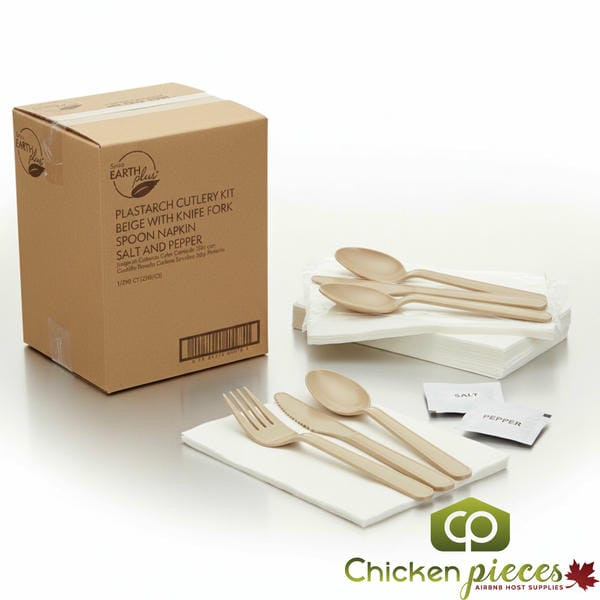
Sysco Earth Plus Kit Cutlery PSM Beige Knife, Fork, Spoon, Napkin, Salt & Pepper (250/Case)
Sysco Earth Plus Kit Cutlery PSM Beige Knife, Fork, Spoon, Napkin, Salt & Pepper (250/Case) · commercial grade, bulk case packs, ships from Calgary
Gordon Choice GFS  Black Plastic Cutlery Kits, 6 Piece, Fork, Knife, Napkin, Wn, Salt, Pepper | 250UN/Unit, 1 Unit/Case
Gordon Choice GFS Black Plastic Cutlery Kits, 6 Piece, Fork, Knife, Napkin, Wn, Salt, Pepper | 250UN/Unit, 1 Unit/Case
Gordon Choice GFS Black Plastic Cutlery Kits, 6 Piece, Fork, Knife, Napkin, Wn, Salt, Pepper · commercial grade, bulk case packs, ships from Calgary
Hy Stix Black Plastic Cutlery Kits, 3 Piece, Knife, Fork, Napkin | 250UN/Unit, 1 Unit/Case
Hy Stix Black Plastic Cutlery Kits, 3 Piece, Knife, Fork, Napkin · commercial grade, bulk case packs, ships from Calgary
White 6-in-1 Cutlery Kit | Fork, Knife, Teaspoon, Napkin, Salt & Pepper | 100 Kits/Case | Individually Wrapped
White 6-in-1 Cutlery Kit · commercial grade, bulk case packs, ships from Calgary
De Luxe Freezer Wrap - 18 in × 787 ft, Poly-Coated Moisture and Vapor Barrier, Red(4/packs)
De Luxe Freezer Wrap - 18 in × 787 ft, Poly-Coated Moisture and Vapor Barrier, Red(4/packs) · commercial grade, bulk case packs, ships from Calgary
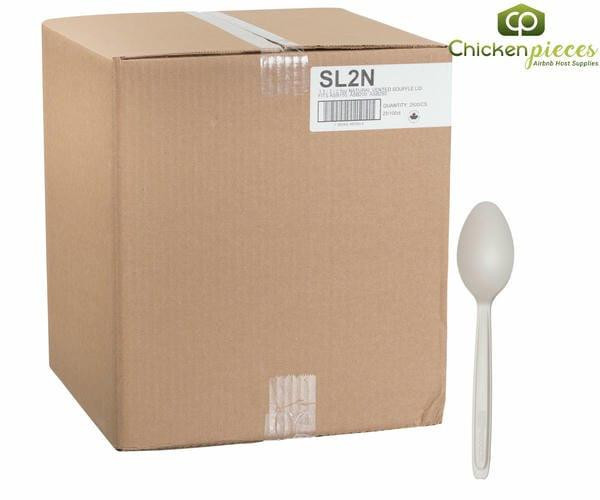
Eco Products Spoon Biodegradable White, 6 inches, 40 CT (24/Case) - Sustainable Cutlery
Eco Products Spoon Biodegradable White, 6 inches, 40 CT (24/Case) - Sustainable Cutlery · commercial grade, bulk case packs, ships from Calgary
Lapaco Fork Wood For Dispenser, 100 CT (10/Case) - Compostable Wooden Cutlery
Lapaco Fork Wood For Dispenser, 100 CT (10/Case) - Compostable Wooden Cutlery · commercial grade, bulk case packs, ships from Calgary
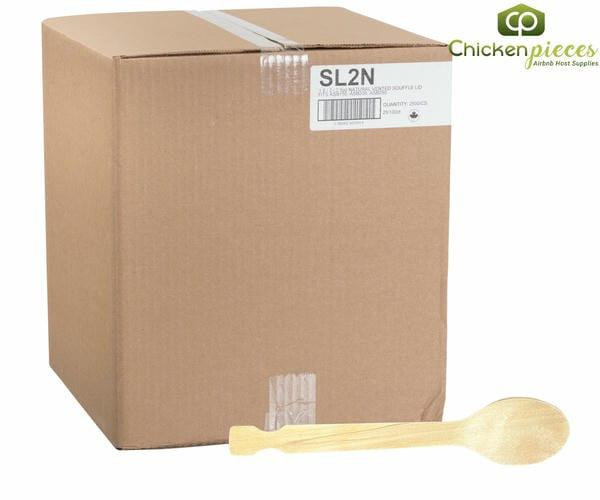
Lapaco Spoon Wooden For Dispenser 100 CT (10/Case) - Compostable Wooden Cutlery
Lapaco Spoon Wooden For Dispenser 100 CT (10/Case) - Compostable Wooden Cutlery · commercial grade, bulk case packs, ships from Calgary
Reviews

What Canadian long-term care foodservice managers say

Feedback from institutional and long-term care foodservice buyers.

★★★★★

Standardizing our portion cups across every meal made our servings consistent and cut our plate waste noticeably. Simple change, real difference.

Dietary manager — Calgary, AB, Alberta
★★★★★

Reliability is everything for us — we serve the same residents every day. Having our hygiene and packaging on a standing reorder means we never scramble.

Foodservice lead — Saskatoon, SK, Saskatchewan
★★★★★

We chose containers residents can open themselves. It sounds small, but it protects their independence at mealtime.

Care home administrator — London, ON, Ontario
FAQ

Long-term care foodservice supply questions, answered: Frequently Asked Questions

The following operator questions are answered with cited sources. Every FAQ links to Health Canada, CFIA, Canada.ca, or another authoritative regulator.

How do long-term care kitchens control portion sizes for residents?
Portion control is one of the first things a dietary manager tackles when stocking a care home kitchen, and it comes up constantly in the r/dietetics thread on long-term care policies around large portions and snacks. The consensus is that consistent, measured servings keep both food costs and resident satisfaction in check, because a hungry resident should always be able to get more without the kitchen guessing at every plate. The practical fix is standardized portioning tools: dishers, scoops, and pre-measured cups that let staff plate the same amount every time. For a Canadian LTC kitchen, that means keeping a solid stock of Portion Control Cups, Bulk, plus disposable portion cups with lids for snacks and sides, so the dietary team can portion ahead during prep and hold servings safely until service. Pairing measured cups with a written portion guide makes training new staff easier and keeps surveyors happy.

Products referenced:

  • Portion Control Cups, Bulk
  • Disposable Portion Cups with Lids

Source: Long term care: policies on large portions, snacks, etc

What disposable gloves should a care home kitchen use for food handling?
Glove choice is a recurring debate in r/KitchenConfidential, and the thread on glove usage in kitchens makes the practical point clear: single-use food-grade gloves are required by health departments, and the ones that hold up best for prep and plating are powder-free nitrile. The r/KitchenConfidential thread on washable versus reusable gloves reinforces that food-handling gloves cannot be reused, so you need a reliable box of disposables at every station. For a long-term care kitchen where staff are constantly moving between raw prep, plating, and serving residents, a bulk supply of Disposable Nitrile Gloves, Powder-Free, Food Grade is the workhorse choice because they resist punctures and don't leave powder residue on food. Keep a dispenser at each prep table and at the serving line, and order in case quantities so you never run out mid-service.

Products referenced:

  • Disposable Nitrile Gloves, Powder-Free, Food Grade

Source: How do we feel about the usage of gloves in kitchens?

What is the best way to keep food costs down in a care home kitchen?
Food cost control is a favorite topic in r/KitchenConfidential, and the Food Cost thread has a standout tip from a cook who moved from restaurants into a care home: portion-control scoops are the single best tool for keeping costs predictable. Using dishers and scoops of set sizes means every serving is identical, so you can forecast how many portions a case of product yields and price your menu accurately. In a long-term care setting, where budgets are tight and residents need consistent, nutritionally adequate portions, that predictability matters even more than in a restaurant. Stocking Portion Control Cups, Bulk and a set of portion scoops lets the dietary team plate sides, mains, and desserts to spec without weighing every portion. It also cuts waste, because staff stop over-serving and the kitchen stops throwing out food that was plated but not eaten.

Products referenced:

  • Portion Control Cups, Bulk
  • Disposable Portion Scoops

Source: Food Cost

What supplies do senior living and long-term care kitchens stock?
Senior living chefs are a tight community, and the r/KitchenConfidential thread where senior living chefs share their setups shows that these kitchens stock a distinct mix of disposables, packaging, and serving supplies. Because residents eat multiple meals a day on-site and some meals go out to rooms or family, the kitchen leans on bulk disposables and food packaging that keeps meals hot and presentable. The everyday list includes paper cups and lids for beverages, heavyweight plastic cutlery for tray service, and Kraft take-out boxes for meals sent to rooms or taken home by family. For hot holding and service, aluminum steam table pans are the standard for keeping large batches of food at temperature on the line. A well-stocked care home kitchen keeps these in case quantities so the serving team never has to improvise.

Products referenced:

  • Kraft Take-Out Boxes, Bulk
  • Aluminum Steam Table Pans
  • Paper Cups, 12 oz, Bulk

Source: Loving seeing all the other senior living chefs

What sanitizer is safe to use on food contact surfaces in a care home kitchen?
Choosing a food-contact sanitizer is a question that comes up on Reddit, and the r/answers thread on the best and safest sanitizer for food contact surfaces lays out the practical answer: use a food-safe sanitizer at the correct dilution, not a harsh household bleach that can leave residue and irritate staff. In a long-term care kitchen, where the same counters and cutting boards touch food for vulnerable residents, the cleaning routine matters as much as the product. The standard approach is to wash with a detergent, rinse, then sanitize with a food-contact-approved sanitizer at the concentration the label specifies. Stocking an All-Purpose Cleaner, Concentrate, Bulk for general surfaces and a dedicated food-safe sanitizer for prep areas keeps the routine simple and compliant. Keep sanitizer buckets labeled and change them out on schedule so the solution stays effective.

Products referenced:

  • All-Purpose Cleaner, Concentrate, Bulk
  • Food-Safe Sanitizer

Source: What is the best and safest sanitizer to use on food contact surfaces?

What food safety supplies does an institutional kitchen need on hand?
Institutional and care home kitchens are a regular topic on the IFSQN forum, where food safety professionals trade advice on running compliant operations. The recurring theme is that a kitchen serving vulnerable residents needs the basics stocked and accessible: single-use gloves, food-safe sanitizer, color-coded cutting boards, and labeled storage containers. The forum discussions emphasize that food safety is a systems problem, not a one-off clean, so the supplies have to be where staff actually work. For a Canadian long-term care kitchen, that means keeping Disposable Nitrile Gloves, Powder-Free, Food Grade at every station, a food-safe sanitizer bucket on the prep line, and bulk cleaning supplies like All-Purpose Cleaner, Concentrate, Bulk for the daily wipe-down routine. When the right supplies are within arm's reach, staff follow the procedure instead of skipping it.

Products referenced:

  • Disposable Nitrile Gloves, Powder-Free, Food Grade
  • All-Purpose Cleaner, Concentrate, Bulk
  • Food-Safe Sanitizer

Source: International Food Safety and Quality Network Discussion Forum

What supplies does a long-term care kitchen need to stock?
This is a common People Also Ask question for anyone setting up or restocking a care home kitchen, and the practical answer centers on disposables, packaging, and cleaning supplies that keep service running smoothly. A long-term care kitchen needs a steady supply of paper cups and lids for beverages, heavyweight plastic cutlery for tray service, and portion cups for snacks and sides. For meals that go to resident rooms or out to family, Kraft take-out boxes keep food contained and presentable. On the cleaning side, bulk hand soap and all-purpose cleaner keep the kitchen and serving areas hygienic between services. Because these kitchens run multiple meal periods every day, ordering in case quantities of the everyday disposables is the smart move, so the team never runs short at the busiest time of day.

Products referenced:

  • Paper Cups, 12 oz, Bulk
  • Plastic Forks, Heavyweight, Bulk
  • Kraft Take-Out Boxes, Bulk

Source: People Also Ask: what supplies does a long term care kitchen need to stock

How should care home staff handle food safely for older residents?
Health Canada's safe food handling guidance for adults 60 and over is the reference care home kitchens lean on, and it stresses that older adults are at higher risk of foodborne illness, so anyone preparing their food has to follow strict hygiene. The guidance covers washing hands and surfaces, keeping raw and cooked foods separate, cooking to safe temperatures, and chilling leftovers promptly. For a long-term care kitchen, that translates into a daily routine built on the right supplies: single-use gloves for handling food, food-safe sanitizer for prep surfaces, and bulk hand soap at every sink so staff wash up between tasks. Stocking Disposable Nitrile Gloves, Powder-Free, Food Grade and a food-safe sanitizer keeps the kitchen aligned with the guidance, and keeping hand soap in bulk refill means the dispensers are never empty when staff need them.

Products referenced:

  • Disposable Nitrile Gloves, Powder-Free, Food Grade
  • Hand Soap, Bulk Refill
  • Food-Safe Sanitizer

Source: Safe food handling for adults ages 60 and over

What are the key steps to kitchen hygiene in a care facility?
The CCOHS food and kitchen hygiene guidance lays out the core steps that keep a care facility kitchen safe: keep hands and work areas clean, keep foods separated to avoid cross-contamination, cook food to safe temperatures, and chill and store food properly. For a long-term care kitchen serving vulnerable residents, these steps are the backbone of the daily routine. The practical side is making sure the supplies are in place to follow them, which means bulk hand soap at every hand-washing station, food-safe sanitizer for prep surfaces, and single-use gloves for anyone handling food. Stocking Hand Soap, Bulk Refill and an All-Purpose Cleaner, Concentrate, Bulk keeps the cleaning routine simple, while Disposable Nitrile Gloves, Powder-Free, Food Grade support the separation and handling steps. When the right supplies are stocked, the hygiene routine becomes second nature for the whole team.

Products referenced:

  • Hand Soap, Bulk Refill
  • All-Purpose Cleaner, Concentrate, Bulk
  • Disposable Nitrile Gloves, Powder-Free, Food Grade

Source: CCOHS: Food and Kitchen Hygiene

\n

Related guides from ChickenPieces

Why source care foodservice supply with ChickenPieces

A care dining program needs its everyday supplies to be there, every day, without fail. We keep the general foodservice layer in stock and ship it reliably across Canada.

Built for consistency

Standardized portioning and packaging keep a daily dining program even across shifts and sites.

Reliable resupply

Steady items on a standing reorder mean a care kitchen never scrambles for gloves or containers.

No minimum order

Suits a single facility or a multi-site group equally, whatever the order size.

Canadian-owned, shipped nationwide

Stocked in Calgary and shipped Canada-wide, with transparent live-rate shipping at checkout.

Standardize your care kitchen supply

Tell us your facility type and how you deliver meals, and we will help you build a standing supply list for portioning, packaging, and hygiene. Clinical diet decisions stay with your dietitian. No minimum order, shipped across Canada.

Request a Quote

References: Health Canada - Food Chemical Contaminants CFIA - Food Safety for Industry.