
2026 Sep 4th
Building a Global Sauce Pantry for Your Foodservice Menu
Watch: a sauce-pantry staple that earns its shelf space
A global sauce pantry lets a small kitchen offer a wide range of flavours without a wide range of ingredients. Stock a core set across the main flavour families — East Asian, South & Southeast Asian, Latin American, Middle Eastern, and North American — choose sauces that cross-use across dishes, and build gradually so nothing sits unused. Where a certification like halal matters, verify it on the individual product from the certifying body.
Building a Global Sauce Pantry for Your Foodservice Menu
A well-chosen sauce pantry is the cheapest way to make one menu feel like many. This guide covers the core global flavour families worth stocking, how to build the pantry without creating waste, and how to verify certifications like halal at the product level.
Key Takeaways
How a small, deliberate sauce pantry does the work of a much bigger menu.
Sauces multiply a menu cheaply
A few global sauces turn the same base proteins and grains into many distinct dishes.
Cross-use is the goal
Choose sauces that work in several dishes, not one-off items that sit and expire.
Stock by flavour family
Cover the main global families so your menu has range, not ten versions of one profile.
Shelf-stable means low risk
Most sauces and condiments store well, so building the pantry carries little spoilage risk.
Verify certifications per product
Halal and other certifications apply to specific products — confirm them at the item level.
Build gradually
Add a family at a time and let uptake guide what you deepen, so nothing sits unused.
Why a sauce pantry is the cheapest menu upgrade
How condiments let a small kitchen punch far above its ingredient list.
The economics of a sauce pantry are hard to beat. A kitchen that stocks a handful of global sauces can turn the same base ingredients — a protein, a grain, some vegetables — into a menu that reads as varied and current, without carrying the inventory a genuinely varied menu would need.
That is why global and bold flavours keep showing up as a driver of menu interest, and why the smartest place to act on them is condiments rather than whole new ingredient lines. A sauce changes the identity of a dish while the underlying prep stays the same, which is efficiency and appeal in one move.
The trick is choosing the pantry deliberately: a small set that covers real range and cross-uses across the menu, rather than a drawer of single-use bottles that each justify one dish and then sit. The rest of this guide is about making those choices well.
The core global flavour families to stock
Covering real range with a handful of well-chosen profiles.
A pantry with range covers the main global flavour families rather than deepening one. East Asian profiles — soy, hoisin, oyster, chili-garlic, sesame — are versatile workhorses that cross into stir-fries, glazes, marinades, and dips. South and Southeast Asian — curry bases, fish sauce, sriracha, sweet chili, peanut — bring heat and depth.
Latin American — salsas, adobo, chipotle, hot sauces — cover bright, smoky, and spicy notes, while Middle Eastern — tahini, harissa, garlic sauce, pomegranate — add earthy and tangy dimensions increasingly in demand. North American classics — barbecue, buffalo, ranch, mustard-based — remain the backbone of comfort menus.
You do not need everything in every family. One or two strong, cross-using sauces per family gives a menu genuine breadth while keeping the pantry small enough to actually turn over.
Building the pantry without creating waste
Stocking for cross-use and turnover, not for a full shelf.
The failure mode of a sauce pantry is a shelf of half-used bottles past their best. Avoiding it comes down to two habits: choose for cross-use, and build gradually. A sauce that appears in three or four dishes turns over; a sauce bought for a single special often does not.
Build one family at a time. Add a couple of East Asian workhorses, put them to work across the menu, and see how they move before deepening. Let uptake — not enthusiasm at the ordering screen — decide which families you expand. Because most sauces are shelf-stable, this gradual approach carries little risk, and a no-minimum supplier means you can add a family without committing to volume.
Watch pack sizes against your turnover, too. A large catering pack is only a saving if you use it before it turns; for a lower-volume sauce, the smaller pack is often the cheaper choice once waste is counted.
Verifying halal and other certifications
Why certification is a per-product check, not a supplier-level assumption.
For many Canadian operators, certifications like halal are a real requirement, not a nice-to-have — and the important thing to understand is that certification applies to specific products, not to a supplier as a whole. A supplier can carry both certified and non-certified items, so the check has to happen at the product level.
The reliable approach is to verify a product's certification from the recognized certifying body rather than assuming it, since certification status can change and is specific to a product and often a production run. If halal or another certification matters to your customers, confirm it on the individual item before you feature it, and keep the documentation.
This is a place to be careful with claims. We can point you to products and to the certification information a manufacturer provides, but the authoritative status sits with the certifying body — treat that as the source of truth, not a marketing line.
Sourcing your sauce pantry from one place
Building range in a single order, and deepening it as you learn.
A sauce pantry is easiest to build when you can source across families in one place and add to it as uptake tells you what is working. We stock global sauces and condiments across the main flavour families and ship Canada-wide from Calgary with no minimum order, so you can start with a core set and deepen it gradually.
That no-minimum, ship-anywhere setup is what makes the test-then-deepen approach practical — you can add one family, see how it sells, and expand without over-ordering. The products below span the families to get a working pantry started.
For any certification requirement, use us to find the products and then verify the certification at the item level from the certifying body before you commit.
The global sauce families at a glance
The core flavour families, what they cover, and where they cross-use.
| Flavour family | Example profiles | cross-uses in | Stock depth |
|---|---|---|---|
| East Asian | Soy, hoisin, chili-garlic, sesame | Stir-fries, glazes, marinades, dips | Core (2-3) |
| South / SE Asian | Curry, fish sauce, sriracha, peanut | Curries, noodles, dressings | Core (1-2) |
| Latin American | Salsa, chipotle, adobo, hot sauce | Bowls, tacos, marinades | Core (1-2) |
| Middle Eastern | Tahini, harissa, garlic sauce | Wraps, dips, roasted veg | Growing (1-2) |
| North American | Barbecue, buffalo, ranch, mustard | Comfort menu backbone | Core (2-3) |
| Certified lines | Halal-certified where required | Wherever certification matters | Verify per product |
| Seasonal test | Rotating ‘sauce of the month’ | One special at a time | Small trial |
Sauces and condiments for your pantry
Global sauces and condiments stocked in Calgary and shipped Canada-wide.



What Canadian Canadian foodservice operators say
Feedback from Canadian kitchens that built pantries deliberately.
A handful of global sauces let us run a menu that looks far bigger than our ingredient list. It's the best value change we've made.
The ‘three dishes' rule stopped us buying one-off bottles that just expired. Everything in our pantry now actually earns its shelf space.
We needed halal-certified options and verified each product at the item level. Having it confirmed properly gave us and our customers confidence.
Sauce pantry questions, answered: Frequently Asked Questions
The following operator questions are answered with cited sources. Every FAQ links to Health Canada, CFIA, Canada.ca, or another authoritative regulator.
How do Canadian foodservice operators source all their global sauces from a single wholesale supplier?
Products referenced:
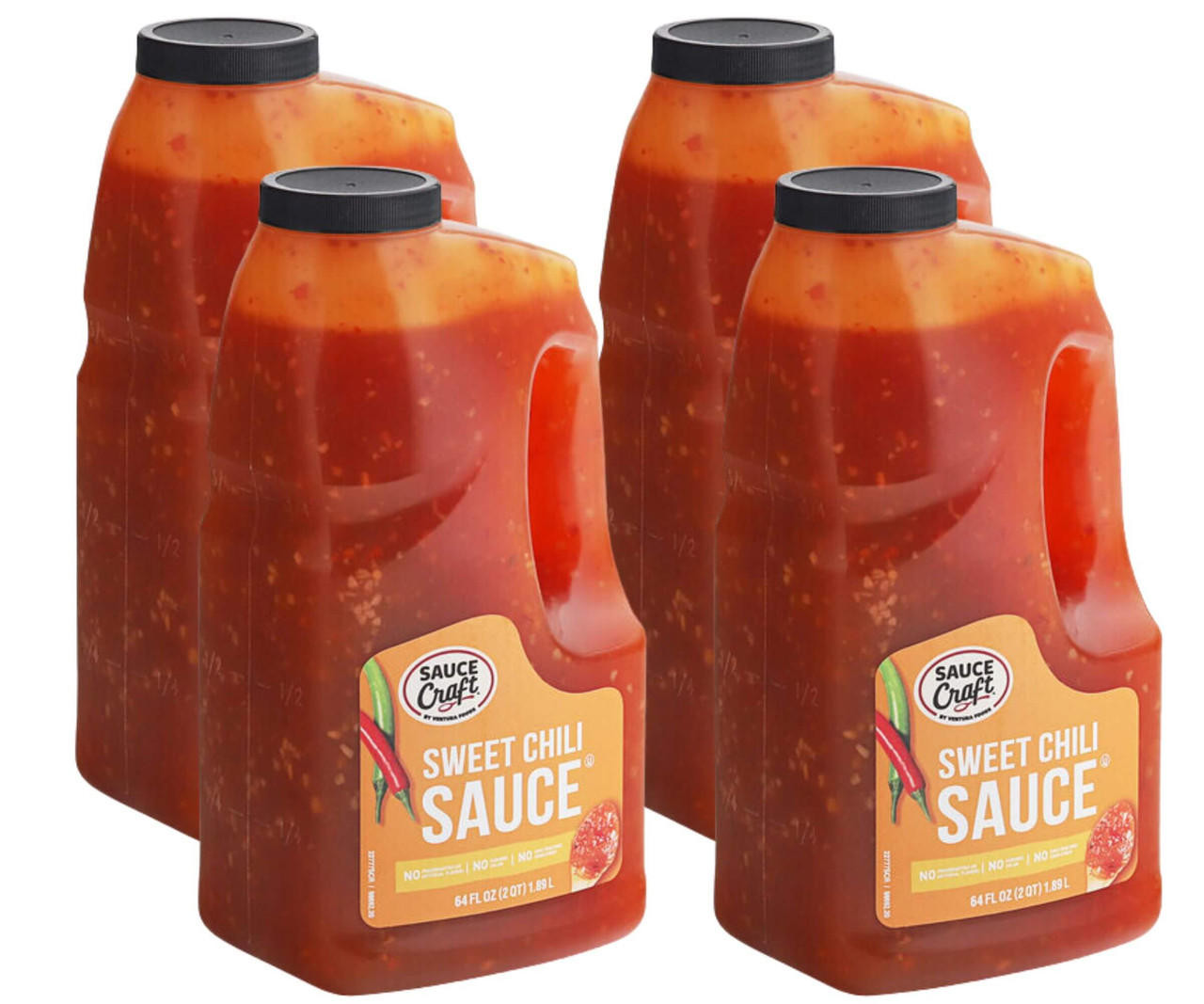
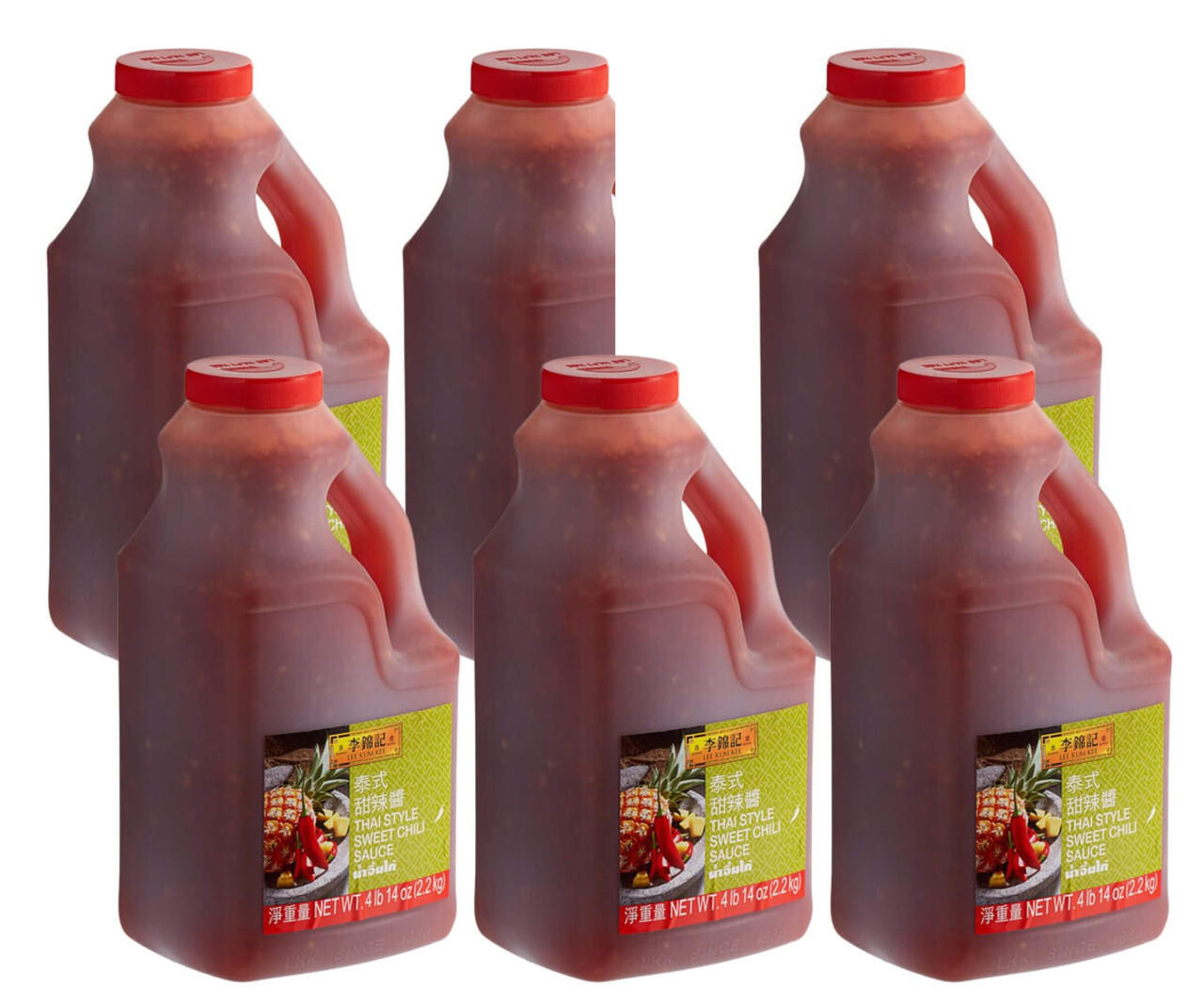
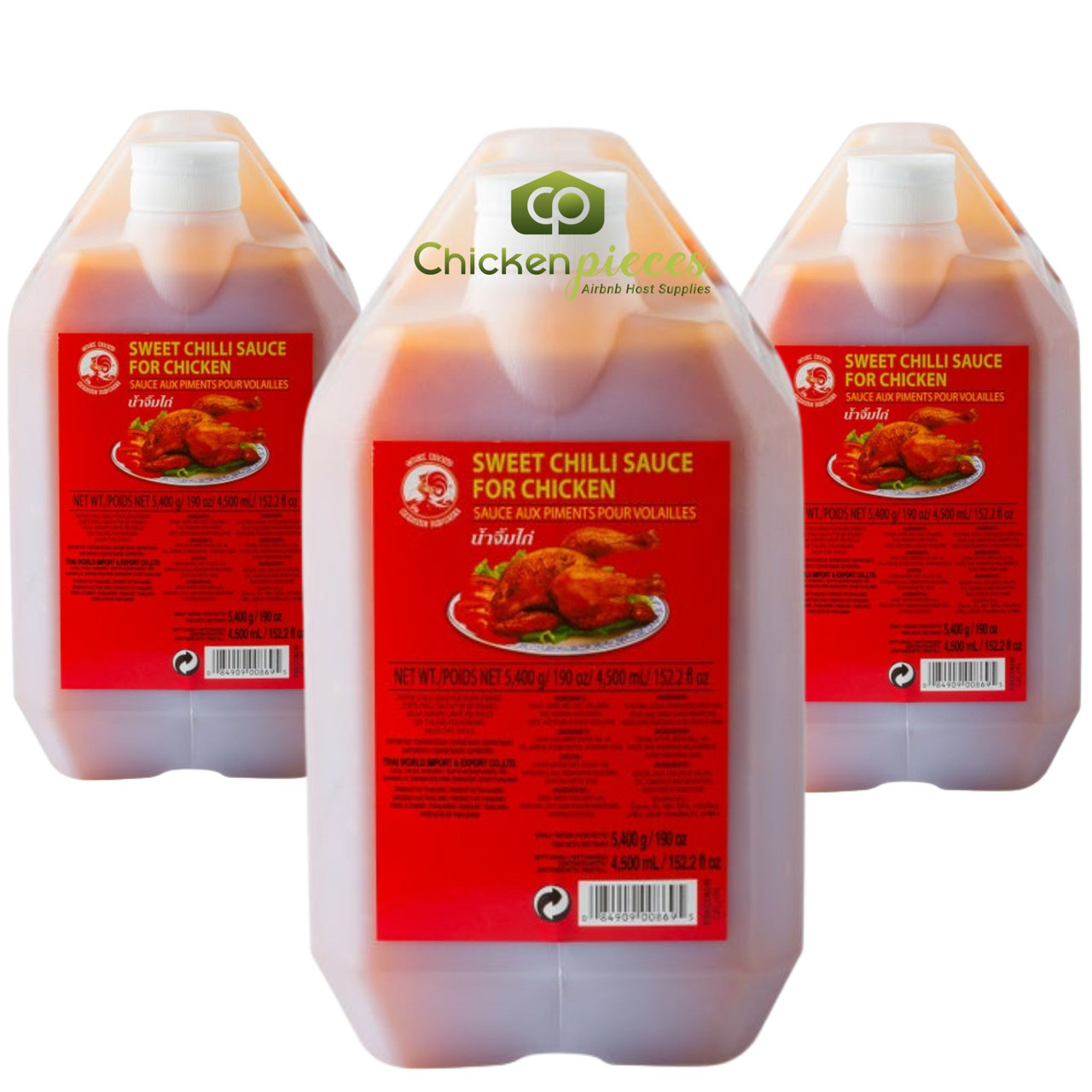
- Sweet Chili Sauce (Sauce Craft / Cock / Lee Kum Kee)
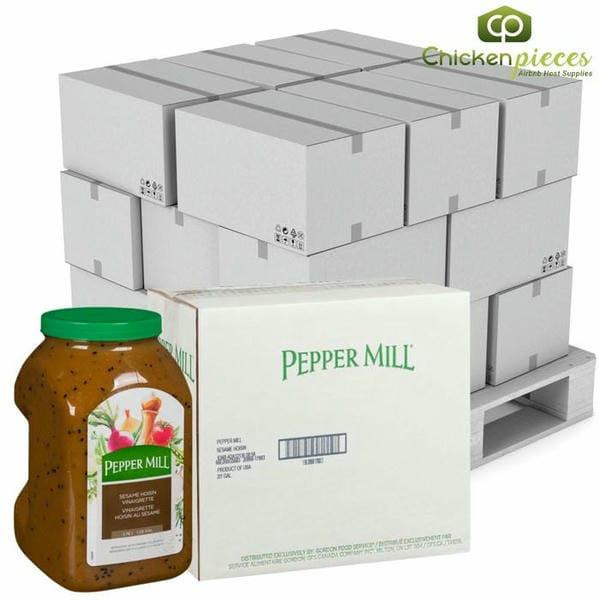
- Hoisin (Pepper Mill)
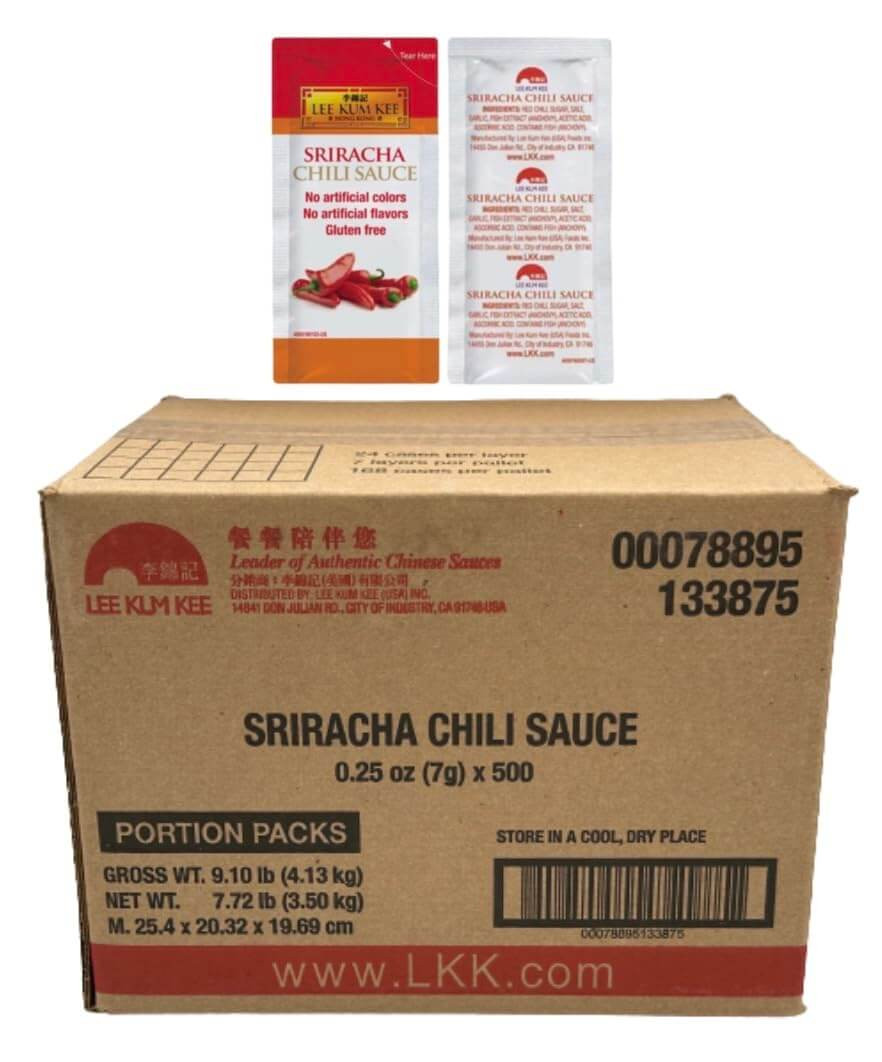
- Sriracha (Lee Kum Kee Sriracha Chili Sauce Packets)
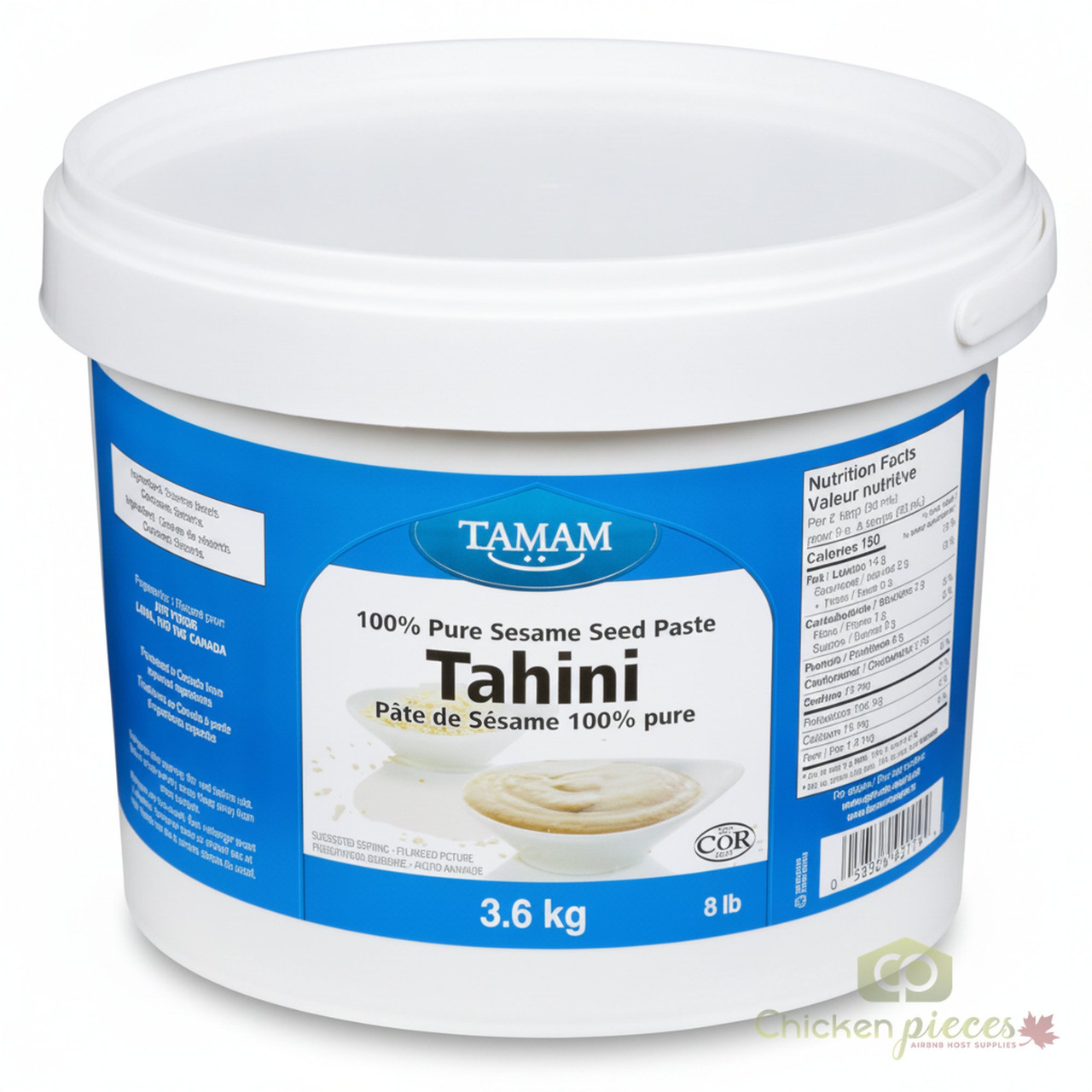
- Tahini (Tamam 100% Pure Sesame Seed Paste)
What is tahini and how can I use it beyond hummus on my foodservice menu?
Products referenced:
- Tahini (Tamam 100% Pure Sesame Seed Paste)
- Sesame Dressing (Kewpie Creamy Deep Roasted Sesame Dressing)
Source: What is Tahini, how do you make it, and where can you use it? - r/Cooking
What is the best way to test a new sauce before adding it to my restaurant menu?
Products referenced:
- Sweet Chili Sauce (Sauce Craft / Cock / Lee Kum Kee)
- Sriracha (Lee Kum Kee Sriracha Chili Sauce Packets)
Source: What is the best food for testing a hot sauce? Mine is pizza. - r/hotsauce
How do I verify a sauce supplier's halal certification for my Canadian restaurant?
Products referenced:
- Sweet Chili Sauce (Sauce Craft / Cock / Lee Kum Kee)
- Hoisin (Pepper Mill)
- Tahini (Tamam 100% Pure Sesame Seed Paste)
How can I cross-use one sauce across multiple cuisines on my menu?
Products referenced:
- Tahini (Tamam 100% Pure Sesame Seed Paste)
- Sesame Dressing (Kewpie Creamy Deep Roasted Sesame Dressing)
- Sweet Chili Sauce (Sauce Craft / Cock / Lee Kum Kee)
Source: What else can I use tahini for besides hummus? - r/Cooking
Where can I find a diverse range of global sauces for my culinary-focused restaurant?
Products referenced:
- Sweet Chili Sauce (Sauce Craft / Cock / Lee Kum Kee)
- Hoisin (Pepper Mill)
- Sriracha (Lee Kum Kee Sriracha Chili Sauce Packets)
- Sesame Dressing (Kewpie Creamy Deep Roasted Sesame Dressing)
- Tahini (Tamam 100% Pure Sesame Seed Paste)
How do restaurants hold and store sauces during service without waste?
Products referenced:
- Sweet Chili Sauce (Sauce Craft / Cock / Lee Kum Kee)
- Hoisin (Pepper Mill)
- Sesame Dressing (Kewpie Creamy Deep Roasted Sesame Dressing)
- Tahini (Tamam 100% Pure Sesame Seed Paste)
How should restaurants store opened sauces to avoid waste and keep them fresh?
Products referenced:
- Sweet Chili Sauce (Sauce Craft / Cock / Lee Kum Kee)
- Hoisin (Pepper Mill)
- Sesame Dressing (Kewpie Creamy Deep Roasted Sesame Dressing)
- Tahini (Tamam 100% Pure Sesame Seed Paste)
Source: Food Handling and Storage - Sauces - RestaurantOwner
What do I need to know about food labelling when buying sauces for my Canadian restaurant?
Products referenced:
- Sweet Chili Sauce (Sauce Craft / Cock / Lee Kum Kee)
- Hoisin (Pepper Mill)
- Sriracha (Lee Kum Kee Sriracha Chili Sauce Packets)
How do you calculate shipping on bulk orders?
Related guides from ChickenPieces
Why build your sauce pantry with ChickenPieces
A great sauce pantry is small, deliberate, and easy to add to. We stock across the flavour families and ship without a minimum order so you can build it right.
Range in one order
Sauces across every major flavour family, so you build real breadth from a single supplier.
Build gradually
No minimum order means you can add one family at a time and deepen what sells.
Verify certifications properly
We help you find products; you confirm halal or other certifications at the item level.
Canadian-owned, shipped nationwide
Stocked in Calgary and shipped Canada-wide, with transparent live-rate shipping at checkout.
Build a pantry that punches above its size
Tell us your menu style and any certification requirements, and we will help you choose a lean, cross-using sauce pantry to start with. No minimum order, shipped across Canada.
Request a QuoteReferences: Health Canada - Food Chemical Contaminants CFIA - Food Safety for Industry.