
2026 Aug 16th
Stock Your Dirty Soda Counter Without the Guesswork
A dirty soda buildout needs five base sodas, flavored syrups, dairy or non-dairy creamers, fresh citrus garnish, and the right cup format. Most operators can launch with under a dozen SKUs and scale based on guest feedback.
Stock Your Dirty Soda Counter Without the Guesswork
For Alberta Airbnb hosts, property managers, and facility operators who want to add trending creamy sodas to their guest amenity counters.
Key Takeaways
What to know before you stock your first dirty soda station.
Utah Origin, National Spread
Swig pioneered the format and now major chains are expanding. Consumer awareness has exploded well beyond regional markets.
Young Guests Drive Demand
Millennial and Gen Z travellers actively seek sophisticated non-alcoholic options beyond standard coffee and plain soda fountains.
Cream Is Non-Negotiable
The signature texture comes from milk, half-and-half, or non-dairy creamers like coconut cream. Without it, you have flavoured soda, not a dirty soda.
Major Brands Are Investing
PepsiCo and Slice both launched ready-to-drink dirty sodas, signalling this is not a passing fad but a lasting category shift.
Minimal Complexity, Fast Assembly
Operators report rapid build during peak windows using just bases, syrups, creamers, and fruit. No specialized equipment required.
Social Media Sells the Drink
Fresh lime or lemon garnish provides visual appeal that guests photograph and share, creating organic marketing for your property.
Why Dirty Sodas Matter for Your Property
Guest expectations for beverage variety have shifted sharply in the past two years.
Dirty sodas started in Utah with a regional chain called Swig, which now operates over sixty locations. The format went viral through social media and has since expanded into multiple national quick-service chains. This is not a regional curiosity anymore. It is a beverage category that young travellers now expect to find on menus and in amenity spaces.
The demographic profile is specific and valuable. Millennial and Gen Z diners want sophisticated non-alcoholic customization that goes beyond standard soda fountains or drip coffee stations. They are willing to pay for it, to photograph it, and to choose properties based on whether it is available. For Airbnb hosts and facility operators, this represents a clear differentiation opportunity without major capital investment.
Yelp search volume for dirty sodas surged over six hundred percent in the past twelve months. That is not gradual interest. That is explosive consumer awareness backed by actual search behaviour. When major brands like PepsiCo and Slice commit to ready-to-drink launches, they are validating demand that already exists. Your guests are already looking.
Five Sodas to Anchor Your Menu
Start with existing fountain infrastructure or bottled options you already stock.
The foundation of any dirty soda program is the base beverage. Industry standard identifies five primary options: cola, lemon-lime, orange, root beer, and club soda or sparkling water. Most properties already carry at least three of these. That means your buildout does not require new supplier relationships for the core ingredient.
Cola and root beer create darker, dessert-forward profiles that work with vanilla and caramel syrups. Lemon-lime and orange build brighter, citrus-forward drinks that pair with fruit syrups and coconut cream. Club soda or sparkling water serves guests who want the creamy texture without caffeine, sugar, or artificial colouring. This range covers morning, afternoon, and evening occasions without duplication.
The practical advantage is throughput. Staff can pull soda bases from existing fountain lines or cold cases. No batching, no brewing time, no temperature holding. During peak check-in windows or breakfast rushes, a dirty soda assembles in under ninety seconds from first pour to garnish. That speed matters for properties with limited front-desk coverage.
Flavour Range Without Recipe Duplication
One syrup line can serve both full-sugar and reduced-calorie preferences.
Syrups are where customization happens. A dedicated dirty soda syrup line offers seventy-one individual flavours, from light and fruity to rich dessert-inspired profiles. This range lets you differentiate your property's offering from the standard cola-and-lemon-lime setup at competing facilities.
The critical operational point is covering both consumer segments without maintaining parallel recipes. Original syrups serve guests who want full flavour. Sugar-free syrups serve health-conscious guests or those managing dietary restrictions. Using the same flavour profile in both formats means staff memorize one build, one ratio, one garnish. Less training, fewer errors, faster service.
Attachment rates at established dirty soda operations run ninety-five to ninety-seven percent. Nearly every customer adds a syrup, creamer, or flavoured booster to their base. That means your syrup inventory turns predictably. For property managers, this predictability simplifies ordering and reduces waste from slow-moving novelty flavours.
Dairy and Non-Dairy Options for Every Counter
The creamy texture defines the category. Stock multiple formats for flexibility.
The dirty soda distinction is texture. Sparkling base plus flavoured syrup is just Italian soda. Add milk, half-and-half, or non-dairy creamer and you get the creamy mouthfeel that defines the category. Guests notice the difference immediately, and they expect it.
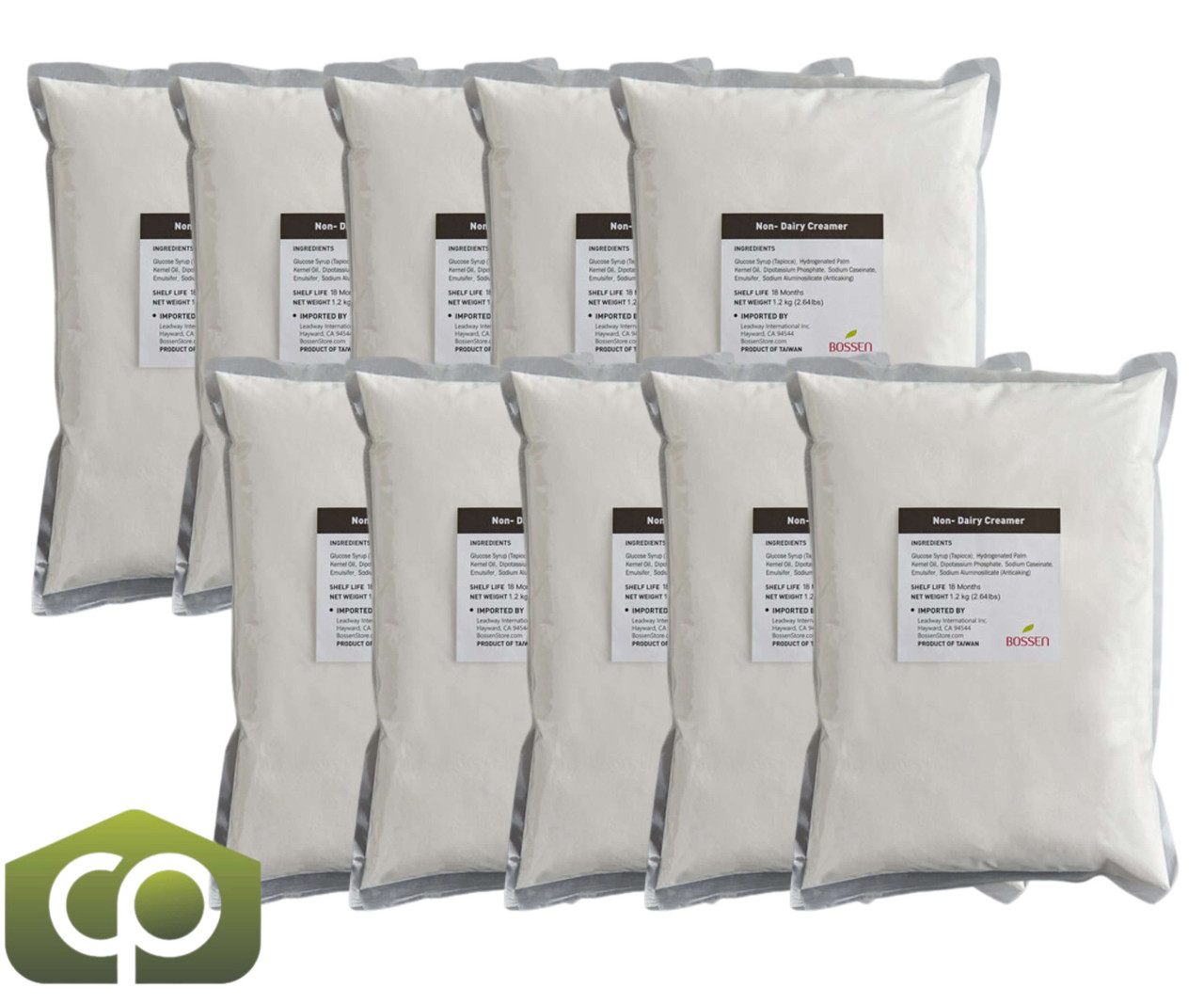
Non-dairy options are increasingly important. Coconut cream and coconut-derived MCT oil achieve creamy texture without artificial additives, appealing to guests who read ingredient labels. Some operators also find powdered creamers more practical for intermittent use, as they store at room temperature and reconstitute on demand. Liquid dairy and refrigerated creamers work best for high-volume properties with consistent daily demand.
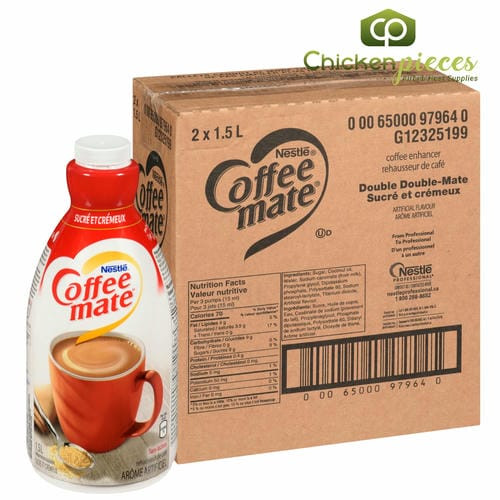
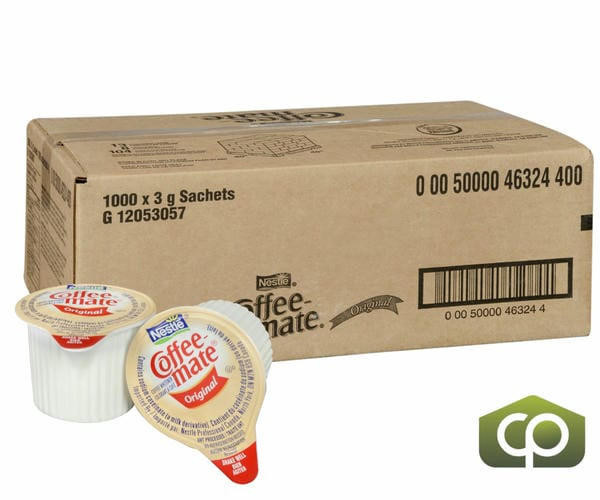
Format flexibility matters for property types. Single-serve portions prevent waste at low-volume Airbnb properties. Pump bottles speed service at busy facility counters. Bulk powder suits back-of-house prep for events or conference blocks. Matching the creamer format to your actual usage pattern controls cost and maintains freshness without daily monitoring.
Garnish and Presentation That Guests Share
The final touches drive social media visibility and repeat requests.
Standard dirty soda preparation follows a simple sequence: ice, soda base, flavoured syrup or enhancer, a splash of cream, and fresh citrus garnish. The last step is often skipped by operators rushing through orders, but it is where perceived value lives. A lime wedge or lemon twist signals care and premium positioning.
Social media exposure drove dirty soda growth from the start. Guests photograph drinks with fresh garnish and post them. That organic marketing reaches potential future guests who then seek out properties offering the same experience. For operators, the cost of a citrus garnish is minimal against the visibility it generates.
Cup choice affects both practicality and presentation. Clear cups show the colour layers that make dirty sodas visually distinctive. Insulated cups maintain temperature for guests carrying drinks to rooms or meeting spaces. Consider your property's typical consumption pattern: immediate at-counter drinking versus grab-and-go mobility. The right cup reduces condensation complaints and improves the overall guest impression.
Start Small and Expand Based on Demand
Launch with core SKUs, then add flavours and formats as patterns emerge.
Minimal ingredient complexity is a recurring theme among operators who have launched dirty soda programs. You need soda bases, syrups, creamers, and fruit garnish. That is four ingredient categories, not forty. Properties with existing fountain infrastructure can test demand with a handful of syrup flavours and one creamer option before expanding.
The recommended approach is a pilot phase. Stock three to four syrup flavours across different profiles: one vanilla or caramel for broad appeal, one fruit for brightness, one seasonal for rotation. Add one dairy and one non-dairy creamer. Run this for thirty days, tracking which combinations guests request most. Then build your standing order around actual consumption, not speculation.
Major brand moves confirm the category has staying power. PepsiCo launched Dirty Mountain Dew in ready-to-drink format. Slice introduced calorie-conscious options using coconut-derived MCT oil. Mug released a limited root beer float variant. These are not test-market experiments. They are category investments that validate consumer demand for years, not months. Your property can capture that demand with a disciplined, small-scale start.
Dirty Soda Buildout: Component Comparison
Use this to match each buildout element to your property's volume, storage, and service style.
| Component | Best For | Storage Need | Throughput Impact |
|---|---|---|---|
| Cola / lemon-lime base | Broad guest appeal, existing fountains | Refrigerated or fountain | Fastest pull, minimal steps |
| Root beer / orange base | Dessert profiles, seasonal rotation | Refrigerated or fountain | Fast pull, distinct flavour memory |
| Club soda / sparkling water | Caffeine-free, clean-label guests | Ambient or cold case | Fast pull, flexible base |
| Original flavoured syrups | Full-flavour seekers, indulgence positioning | Ambient, sealed bottles | Pump dispense, under 5 seconds |
| Sugar-free syrups | Health-conscious, diabetic-friendly | Ambient, sealed bottles | Same pump, no recipe change |
| Liquid dairy creamers | High-volume daily service | Refrigerated, dated rotation | Pump or pour, immediate |
| Powdered non-dairy creamers | Intermittent use, room-temp storage | Ambient, dry conditions | Scoop or pre-portion, quick reconstitution |
Creamers for Your Dirty Soda Station
Powdered and liquid options in formats sized for properties from single Airbnb units to multi-building facilities.


What Canadian property operators say
What Canadian operators say about building out their beverage counters.
We added dirty sodas to our breakfast amenity station and saw guests actually linger and photograph their drinks. The powdered creamer stores perfectly in our small back room.
Started with three syrup flavours and the pump bottles. Within six weeks we had regulars asking for specific combinations. The single-serve creamers keep waste near zero for our size.
Our university-adjacent property needed something fresher than standard coffee. The HALAL-certified portions let us serve diverse student groups without separate inventory.
Dirty soda setup: Frequently Asked Questions
What exactly makes a soda 'dirty'?
The cream addition. Sparkling base plus syrup is a standard Italian soda. Adding milk, half-and-half, or non-dairy creamer creates the signature cloudy, creamy texture that defines a dirty soda.
Do I need special equipment to launch?
No. Existing soda fountains or cold cases for bases, pump bottles or scoops for syrups and creamers, and a supply of fresh citrus for garnish are sufficient for most properties.
Which creamer format works best for low-volume properties?
Single-serve liquid portions or small-format powdered creamer. Both store without refrigeration and prevent waste from opened containers expiring between guest stays.
How many syrup flavours should I start with?
Three to four covers broad appeal: one vanilla or caramel for familiarity, one fruit for brightness, and one seasonal or trending flavour to test guest interest.
Can I offer dirty sodas without a full fountain setup?
Yes. Bottled or canned soda bases from your existing cold case work fine. Many successful operators started with refrigerated bottled lemon-lime and cola before committing to fountain infrastructure.
What is the typical assembly time per drink?
Under ninety seconds at standard counter service speed. Ice, base pour, syrup pump, cream splash, garnish. No blending, brewing, or temperature holding required.
How do I handle dairy-free or vegan guest requests?
Stock one non-dairy creamer option such as coconut cream powder. The build is identical, so staff need no separate training or recipe memorization.
Why are major brands launching ready-to-drink dirty sodas now?
Consumer search volume and social media engagement have reached mass-market scale. Brand investment validates the category as durable, not a short-term fad.
How do I prevent syrup waste when testing new flavours?
Start with smaller bottle sizes or concentrate formats. Track which flavours empty fastest over thirty days, then standardize your standing order around actual guest preference.
How do you calculate shipping on bulk orders?
We calculate shipping on live carrier rates at checkout, not on flat or subsidized tiers. Every order is priced against real LTL, parcel, or pallet-freight quotes from our Calgary warehouse to your dock. That means you never absorb hidden shipping costs into product margins — what we charge is what the carrier charges us, plus a small handling pass-through. For bulk and pallet orders this typically runs 15–25% lower than competitors who bake shipping into their unit prices, because the rate is transparent and tied to the actual shipment weight and distance.
Related guides from ChickenPieces
Why Operators Source Creamers Here
Calgary-based supply with inventory shaped for Canadian property realities.
Format Variety
Pump bottles, single-serve cups, bulk powder, and reconstituting options match every property scale and storage constraint.
No Volume Traps
Order by the case or single unit without committing to pallet quantities that expire before you turn them.
Direct Carrier Rates
Shipping costs calculate live at checkout based on your location and order weight, with no inflated flat fees.
Canadian Compliance
All products meet CFIA import and labelling standards, with HALAL-certified options available for diverse guest populations.
Request Your Buildout Quote
Tell us your property type, guest volume, and storage space. We will recommend the right creamer formats, syrup quantities, and cup sizes for a clean launch. No minimums, no hidden fees.
Request a QuoteReferences: Health Canada - Food Chemical Contaminants CFIA - Food Safety for Industry.