
 US Dollar

2026 Jul 18th
Master Deli Container Sizes: Oz, Pint, and Quart Charts for
Commercial kitchens rely on standard volumes like ounces, pints, and quarts. This guide explains these measurements to help you select the right containers. Proper sizing reduces waste and simplifies your supply chain management.
Master Deli Container Sizes: Oz, Pint, and Quart Charts for Kitchens
Facility operators and property managers use this chart to simplify ordering. Correct sizing prevents waste and ensures consistent portion control across all service points.
Key Takeaways
Here is what you need to know about container sizing.
Standard Volume Equivalents
One pint equals sixteen ounces. One quart holds thirty-two ounces. Understanding these conversions helps staff measure portions accurately. This knowledge prevents confusion during high-volume service periods.
Material Durability Matters
Heavy-weight plastic withstands microwave heating. Clear PET offers visibility for cold items. Choosing the right material extends product life. It also maintains structural integrity during transport and storage cycles.
Lid Compatibility Check
Vented lids allow steam escape. Flat seals prevent leaks. Always verify lid fit before bulk purchase. Mismatched components create waste and slow down prep workflows significantly for busy teams.
Bulk Efficiency Gains
Pallet orders reduce handling frequency. Case counts vary by size. Larger containers often come in smaller packs. Aligning order size with storage space maximizes operational efficiency effectively.
Storage Optimization Tips
Nesting capabilities save shelf space. Uniform shapes stack securely. Avoid mixing different brands if lids differ. Consistent inventory reduces search time and improves kitchen organization standards daily.
Compliance Safety First
All listed items meet food-contact standards. Materials are BPA-free generally. Verify local health codes for specific uses. Staying compliant protects your business from potential regulatory issues or fines.
Understanding Standard Deli Container Volumes
Commercial kitchens use specific volume standards to ensure consistency across all service points and locations.
The ounce is the smallest standard unit. It works well for sauces or dips. Sixteen ounces make up one pint. This size suits individual servings perfectly. Thirty-two ounces equal one quart. This larger volume serves families or groups. Understanding these basics prevents ordering errors. Standardizing on these specific volumes allows your inventory system to track stock levels with precision. When you order by the case, knowing that a case of 16-ounce units holds exactly four gallons helps in forecasting weekly usage. This mathematical consistency simplifies reordering triggers and reduces the cognitive load on purchasing staff.
Pints are versatile for side dishes. They fit standard refrigeration shelves easily. Quarts handle main courses effectively. Their wider mouths allow easy scooping. Half-gallons serve large gatherings well. Knowing which size fits your menu helps reduce waste. It also simplifies portion control efforts greatly. Implementing a strict sizing protocol means that every team member grabs the correct container without hesitation. This uniformity is essential for maintaining speed during peak service hours. Furthermore, consistent sizing ensures that automated dispensing equipment, if used, operates within its calibrated parameters, further enhancing accuracy and reducing product loss.
Choosing the Right Plastic Material
Different plastics serve different thermal needs. Select materials based on heating requirements and storage conditions.
Polypropylene handles hot temperatures well. It is safe for microwaves. This material remains stable under heat stress. Pet plastic offers clarity and strength. It suits cold storage applications perfectly. The choice depends on your specific use case. Each type has distinct advantages for operations. Polypropylene, often labeled as PP5, can typically withstand temperatures up to 300 degrees Fahrenheit without deforming. This makes it ideal for hot soup delivery or reheated entrées. In contrast, PET is more brittle and prone to cracking under thermal shock, making it unsuitable for direct heat. Selecting the correct polymer ensures that the container maintains its shape and seal integrity throughout the entire service lifecycle.
Heavy-weight containers resist cracking under pressure. They protect contents during transit effectively. Standard weight options save space in nesting. Clear lids show contents without opening them. This visibility speeds up inventory checks. Transparent materials also look professional to guests. Heavy-wall designs are particularly beneficial for outdoor catering events where rough handling is expected. The thicker walls provide an additional layer of insulation, helping to maintain food temperature for longer periods. For indoor use, standard weight containers offer a good balance between durability and space efficiency. Nesting them tightly reduces the footprint in your dry storage areas, allowing you to keep larger reserves on hand without cluttering prep stations.
Selecting Compatible Lids for Seals
Proper sealing prevents leaks and maintains freshness. Choose lids that match your container shape and size.
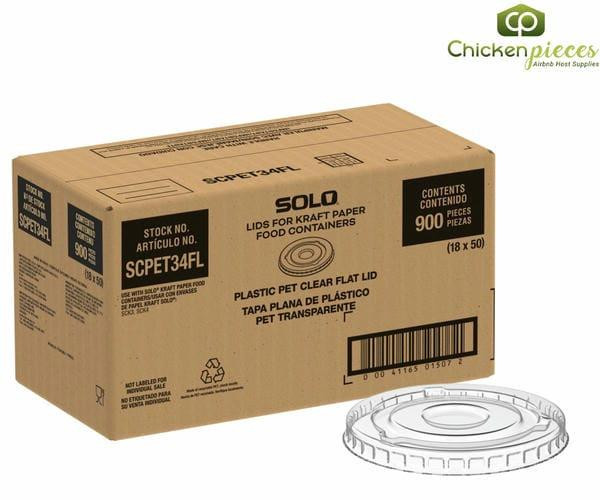
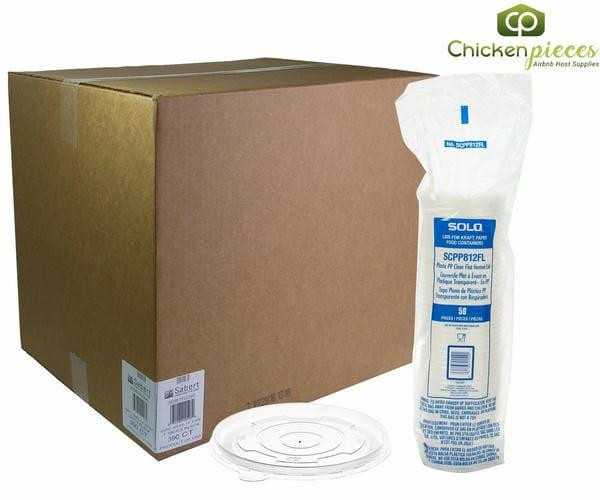
Flat lids provide a tight seal. They work best for cold items. Vented options allow air circulation. These suit heated meals perfectly. Snap-on designs offer quick closure. Hinged lids stay attached to containers. Each style has specific benefits for different tasks. The engineering of the rim and lid interface is critical for leak prevention. A secure snap ensures that condensation does not pool on top, which can degrade the label or make the container slippery. Vented lids are designed with micro-perforations that allow steam to escape while keeping liquid contents inside. This balance is vital for preventing pressure explosions in microwaves. Always test a sample batch to ensure the seal holds up under agitation during delivery.
Optimizing Your Bulk Supply Orders
Ordering in cases or pallets reduces cost per unit. Plan your inventory needs carefully before placing orders.
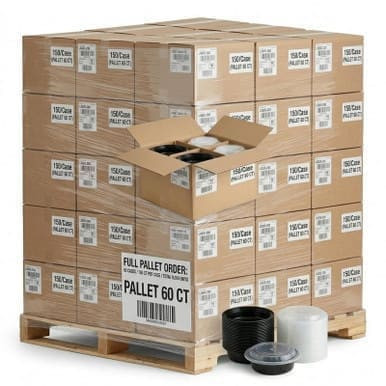
Cases contain fixed quantities of items. Pallets hold multiple cases together. Larger volumes often yield better pricing. Storage space must accommodate bulk orders. Plan your receiving area carefully. Efficient handling saves labor time daily. When ordering pallets, consider the weight distribution and stacking height limits of your storage racks. Overloading shelves can lead to collapsed stacks and damaged inventory. Additionally, review the supplier’s delivery schedule to align with your usage patterns. Ordering just-in-time reduces holding costs and minimizes the risk of product degradation due to prolonged storage. Use historical data to predict seasonal spikes in demand, ensuring you never run out during critical periods.
Maximizing Kitchen Storage Efficiency
Proper stacking and nesting save valuable shelf space. Organize containers by size and frequency of use.
Nesting saves significant vertical space. Uniform shapes stack securely on shelves. Avoid mixing incompatible container styles. Consistent organization reduces search time greatly. Keep frequently used sizes accessible. Store bulk reserves in dry areas. Implement a first-in, first-out rotation system to ensure older stock is used before newer deliveries. Label shelves with clear indicators for each size and type to prevent mix-ups. This visual management strategy reduces errors and improves workflow speed. Regularly audit your storage area to remove any damaged or expired items, maintaining a clean and efficient workspace that supports high-volume operations.
Ensuring Food Safety Compliance
All products meet FDA food-contact standards. Verify local regulations for specific usage scenarios.
FDA guidelines ensure material safety. BPA-free options are widely available. Check certifications on packaging labels. Stay updated on local health codes. Compliance protects your business reputation effectively. Maintain records of all product certifications for easy access during health inspections. Train staff on proper cleaning and handling procedures to prevent cross-contamination. Regularly review supplier documentation to ensure ongoing compliance with evolving safety standards. Proactive management of these details demonstrates a commitment to food safety and builds trust with both regulators and customers.
Comparison of Common Deli Container Sizes
Use this chart to match container volume with typical serving needs.
| Size Name | Volume (oz) | Best Use Case | Material Type |
|---|---|---|---|
| Small Cup | 4 oz | Condiments and Dips | Clear PP |
| Standard Pint | 16 oz | Individual Sides | Heavy Weight |
| Large Pint | 24 oz | Salads and Fruit | Clear PET |
| Standard Quart | 32 oz | Main Entrées | Translucent PP |
| Half Gallon | 64 oz | Family Style Meals | Heavy Weight |
| Bulk Tub | 128 oz | Prep and Storage | Clear PET |
| Specialty Cup | 8 oz | Soups and Stews | Vented PP |
Explore Bulk Supply Options
View our complete range of compliant food service containers.


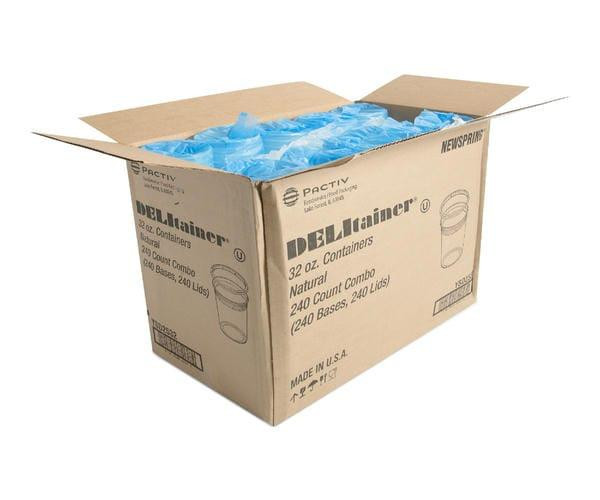
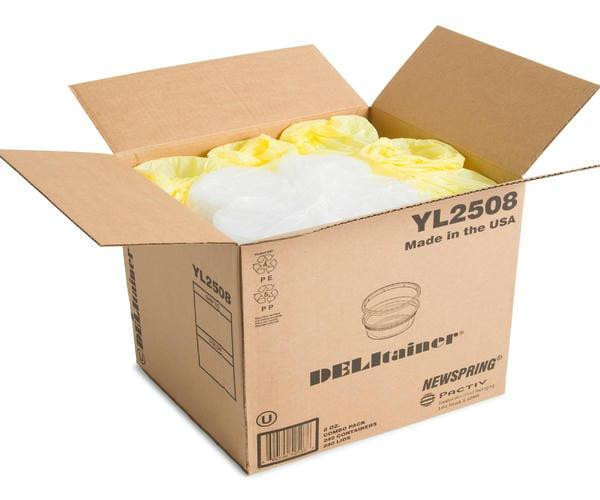

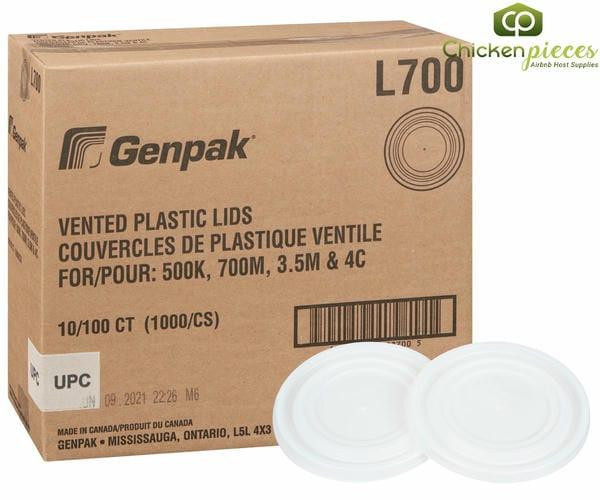
What Canadian facility managers say
Here is what industry professionals say about our supplies.
The heavy weight containers hold up well in our microwave. We stopped worrying about melted plastic or warped lids. Our staff loves how easily they stack and store now.
Clear lids help us identify contents quickly without opening them. This saves time during busy lunch rushes. The quality is consistent across every single case we order regularly.
Vented lids are perfect for our hot meal programs. Steam escapes safely without pressure buildup. We have seen less waste and happier guests since switching to these specific containers.
Container Sizing FAQs: Frequently Asked Questions
How do I convert ounces to pints?
Sixteen fluid ounces equal one pint. This standard conversion applies to most liquid and semi-solid foods. Use this ratio when calculating portion sizes for your menu planning and inventory management tasks.
Are these containers microwave safe?
Heavy-weight polypropylene containers are generally microwave safe. Always check the specific product label for heating instructions. Avoid using lids with microwaves unless they are explicitly marked as vented or heat-resistant.
What is the difference between PET and PP?
PET offers high clarity and strength for cold items. PP handles heat better and is microwave safe. Choose based on your temperature needs and visibility requirements for your specific food service applications.
Can I mix lids from different brands?
It is risky to mix lid brands. Tolerances vary slightly between manufacturers. This can lead to poor seals or fit issues. Stick to one brand system for consistent performance and reliable leak prevention.
How many containers are in a case?
Case counts vary by size and style. Smaller containers often come in larger packs. Larger sizes may have fewer units per case. Check the product specifications for exact quantities before placing your order.
Are these containers BPA-free?
Most modern food service plastics are BPA-free. Verify this on the packaging or product sheet. Ensuring compliance with safety standards protects your customers and meets regulatory requirements effectively.
Do they nest for storage?
Many containers are designed to nest securely. This saves valuable shelf space in tight kitchens. Check nesting capability in the product details before buying bulk quantities to optimize your storage efficiency.
What is the best size for salads?
Twenty-four ounce or thirty-two ounce containers work well for salads. They provide ample volume for greens and toppings. Clear materials allow guests to see the fresh ingredients inside clearly.
How do I store bulk supplies?
Keep containers in a cool, dry place. Avoid direct sunlight which can degrade plastic over time. Stack pallets securely to prevent damage. Rotate stock to use older inventory first and maintain freshness.
How do you calculate shipping on bulk orders?
We calculate shipping on live carrier rates at checkout, not on flat or subsidized tiers. Every order is priced against real LTL, parcel, or pallet-freight quotes from our Calgary warehouse to your dock. That means you never absorb hidden shipping costs into product margins — what we charge is what the carrier charges us, plus a small handling pass-through. For bulk and pallet orders this typically runs 15–25% lower than competitors who bake shipping into their unit prices, because the rate is transparent and tied to the actual shipment weight and distance.
Related guides from ChickenPieces
Why Buy From ChickenPieces
We provide reliable bulk supplies for commercial food service operations across North America.
Reliable Bulk Supply
We stock high-volume cases and pallets. This ensures consistent availability for your daily needs. Our inventory management minimizes delays and keeps your kitchen running smoothly.
Quality Assurance
Every product meets strict durability standards. Materials withstand heat and pressure effectively. You get consistent quality with every order, reducing waste and improving operational efficiency significantly.
Expert Support
Our team understands food service needs. We help you select the right sizes and materials. Get advice on optimizing your supply chain for better cost management and workflow improvements.
FDA Compliance
All products meet FDA food-contact compliance standards. This ensures safety for your guests and staff. We prioritize regulatory adherence to protect your business from potential legal issues or fines.
Sources & further reading
- Food Packaging & Other Substances that Come in Contact with Food — U.S. FDA
- Plastic Deli Take Out Containers — WebstaurantStore
Request a Bulk Supply Quote
Ready to optimize your kitchen supplies? Contact us today for a custom quote tailored to your specific volume needs.
Request a QuoteAuthoritative Sources
The following government and public-health sources informed the operator guidance above. Citations to Reddit, Quora, and operator forums appear in the FAQ block above.