
2026 Jul 18th
Trash Bag Sizes Chart: Match Gauge to Commercial Cans
Match bag dimensions to can capacity by adding ten percent volume for overfill protection. Select gauge thickness based on waste type and handling frequency. Thicker bags resist punctures from heavy debris or sharp objects.
Trash Bag Sizes Chart: Match Gauge to Commercial Cans
Facility operators need precise liner fits to prevent spills and maintain hygiene standards. This chart matches bag dimensions to standard commercial receptacles efficiently.
Key Takeaways
Key factors include volume matching, material strength, and compliance standards for safe disposal practices in commercial environments.
Volume Matching Basics
Always select bags slightly larger than the receptacle capacity. This allows for proper tying and prevents overflow during transport or final disposal steps.
Gauge Thickness Matters
Heavier waste requires higher gauge materials to prevent tearing. Light office paper needs thinner liners, while industrial debris demands reinforced construction options.
FDA Compliance Check
Ensure products meet food-contact regulations if used near kitchen areas. Proper certification prevents contamination risks and ensures legal compliance for facility operators.
Eco-Friendly Options Available
Compostable liners offer sustainable alternatives for organic waste streams. These materials break down properly in industrial composting facilities without leaving harmful residues behind.
Specialty Liner Uses
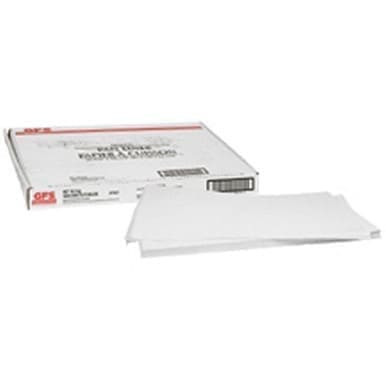
Pan liners and basket inserts keep surfaces clean and organized. They protect equipment from grease, spills, and debris during daily operational tasks.
Bulk Efficiency Gains
Buying in cases reduces long-term supply costs significantly. Consistent sizing across facilities simplifies inventory management and restocking processes for staff teams.
Matching Bag Volume to Receptacle Capacity
Selecting the correct volume prevents overflow and ensures proper sealing during waste removal procedures.
Commercial cans range from small desk units to large outdoor dumpsters. The twenty-gallon bin is a standard office choice, requiring specific liner dimensions to fit correctly. Using an undersized bag leads to frequent replacements and messes around the rim of the container. To ensure a proper fit, measure the internal diameter and height of the receptacle. A bag that is too short will not reach the bottom, leaving debris trapped against the metal or plastic sides. This accumulation creates odors and attracts pests over time.
Larger receptacles like forty-four-gallon bins handle heavier loads from kitchens or maintenance areas. These require reinforced handles and thicker materials to support the weight without tearing. Proper sizing ensures that bags can be lifted safely by staff members during collection rounds. When working with these larger volumes, consider the ergonomic implications of lifting fully loaded bags. A bag that fits tightly reduces swing radius and improves stability during transport.
Overfilling any container compromises hygiene standards and creates sanitation issues. It also increases the risk of bag failure during transport. Consistent use of correctly sized liners maintains a clean environment and protects employee safety throughout daily operations. Establish clear protocols for when to replace bags before they reach capacity. This proactive approach prevents overstuffing, which is a common cause of liner rupture.
Choosing the Right Gauge for Waste Type
Gauge thickness determines durability against punctures, tears, and heavy loads in various operational settings.
Standard office environments typically generate dry waste such as paper, cardboard, and light packaging materials. For these applications, a 1.0 to 1.5 mil gauge provides sufficient strength while remaining cost-effective. These thinner liners are flexible enough to fold neatly into smaller bins without excessive bulk. However, when moving to break rooms or kitchenettes where moisture is present, the requirements shift dramatically.
Industrial settings present the most demanding conditions for liner integrity. Maintenance departments often dispose of metal shavings, broken tools, or heavy plastic components. In these scenarios, a 3.0 mil gauge or higher is mandatory to resist punctures from sharp edges. Reinforced handles on these bags distribute weight more evenly across the shoulders of the handler, reducing strain injuries.
Recycling streams require specific attention to material compatibility. Glass bottles are heavy and have sharp edges that can easily pierce thin liners. Using a 2.5 mil gauge for glass recycling bins ensures containment even if a bottle breaks inside. Cardboard recycling is lighter but bulky, requiring bags with high tensile strength rather than just puncture resistance.
Ensuring FDA Compliance for Food Areas
Products used near food preparation or service areas must meet strict federal safety guidelines.
Food service facilities must adhere to stringent hygiene protocols mandated by local health departments. Liners used in commercial kitchens, especially those handling ready-to-eat foods, must be certified for food contact. Look for packaging that explicitly states FDA 21 CFR compliance or equivalent national standards. Non-compliant plastics may leach harmful chemicals into food waste or surfaces if exposed to heat or acidic substances.
Proper storage of compliant liners is equally important as their selection. Keep bags in cool, dry places away from direct sunlight and potential contaminants like cleaning chemicals. UV exposure can weaken the polymer structure, reducing effectiveness even if the material was initially certified. Store rolls vertically to prevent deformation of the core, which ensures smooth dispensing during use.
Documentation plays a critical role in demonstrating compliance during inspections. Maintain records of product purchases, including batch numbers and supplier certifications. If a health inspector questions your waste management practices, having verifiable proof of using approved materials mitigates risk. Update these records whenever you switch suppliers or change product lines.
Pan Liners and Specialty Inserts Overview
Specific liners serve unique functions like grease resistance and equipment protection in detailed workflows.
Pan liners are indispensable in high-volume cooking operations where time efficiency is paramount. Silicone options withstand temperatures up to 450 degrees Fahrenheit, allowing chefs to bake directly in the liner without sticking. These reusable alternatives reduce single-use waste significantly compared to parchment paper. However, they require proper cleaning protocols; abrasive scrubs can damage the non-stick surface.
Grease-resistant sheet liners are designed for prep tables and cutting boards in meat processing areas. They provide a barrier against blood and fats, simplifying sanitization between tasks. These sheets are typically made from kraft paper treated with a wax coating to repel moisture. Change them frequently to prevent cross-contamination between raw and cooked items.
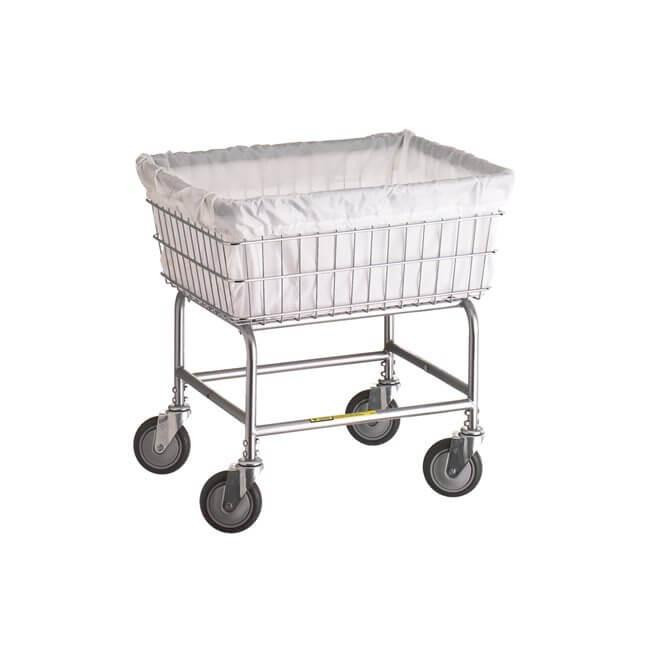
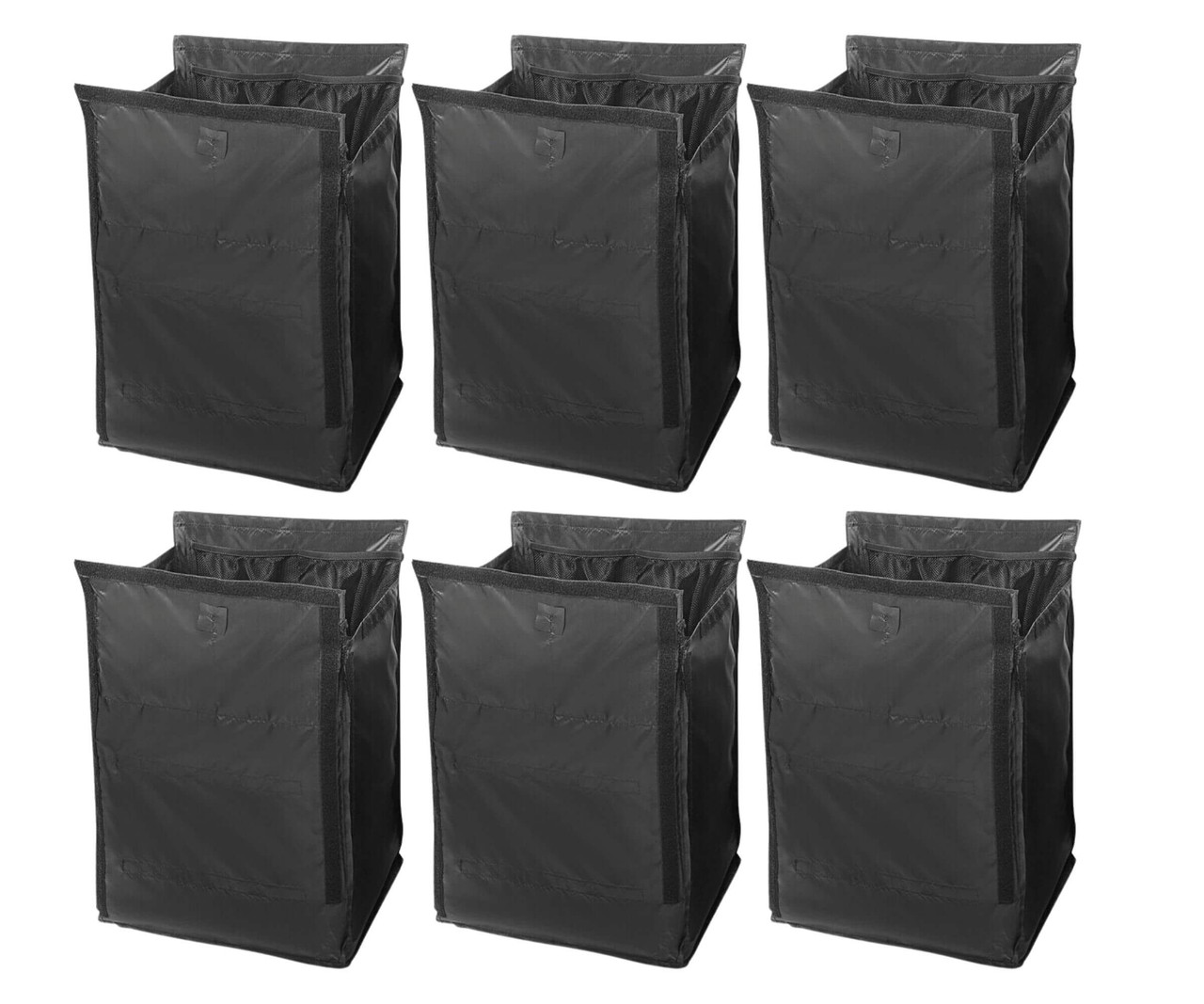
Basket inserts for laundry or dirty dish carts offer organizational benefits in hospitality settings. They separate clean from soiled items, maintaining hygiene standards. Look for durable materials that can handle repeated washing cycles without shrinking or tearing. Proper fit prevents shifting during transport, which reduces spillage risks.
Eco-Friendly Liners for Modern Facilities
Compostable options provide sustainable alternatives without compromising strength or functionality in daily use.
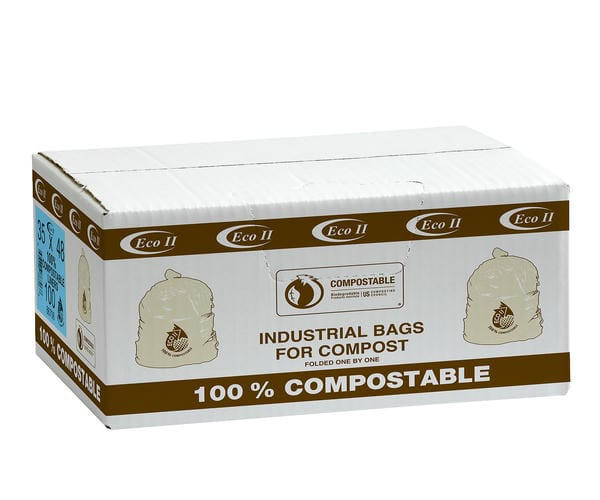
Transitioning to compostable liners requires understanding the difference between home and industrial composting. Many products labeled biodegradable only break down in high-heat industrial facilities with specific microbial conditions. Verify that your local waste hauler accepts these materials before purchasing. Mixing compostable bags with regular plastic recycling streams can contaminate entire batches, leading to rejection by processing plants.
Compostable liners are made from plant-based polymers like cornstarch or sugarcane. They offer comparable strength to conventional plastics for light to medium-duty tasks. However, they have a shorter shelf life and are sensitive to moisture before use. Store them in climate-controlled environments to prevent premature degradation.
Cost considerations are important when adopting sustainable alternatives. Compostable options often carry a higher upfront price per unit. However, long-term savings may arise from reduced landfill fees and improved brand image among eco-conscious consumers. Calculate the total cost of ownership, including potential waste diversion credits.
Streamlining Supply Chains with Bulk Purchasing
Consistent sizing and bulk ordering reduce administrative overhead and ensure continuous availability of supplies.
Bulk purchasing strategies optimize cash flow and reduce order frequency. Buying in cases or pallets often unlocks volume discounts that lower the per-unit cost. Establish minimum stock levels for each liner type to trigger automatic reorders. This prevents stockouts during peak usage periods, such as holiday seasons or large events.
Standardization is key to efficient inventory management. Limiting the variety of bag sizes and gauges used across the facility simplifies training for new employees. It also reduces errors in ordering and stocking. Create a master list of approved products with specific part numbers. Use barcode scanners or digital logs to track usage rates accurately.
Storage organization impacts operational efficiency. Keep liners in designated areas close to points of use but protected from environmental hazards. Label shelves clearly with product names and quantities. Implement a first-in, first-out system to ensure older stock is used before expiration.
Commercial Trash Bag Size Comparison
Use this table to match bag dimensions to standard commercial receptacle capacities for optimal fit.
| Can Capacity | Recommended Bag Size | Ideal Gauge | Best Use Case |
|---|---|---|---|
| 13 Gallon | 13-15 Gallon | 1.0 Mil | Office Desks |
| 20 Gallon | 24 Gallon | 1.5 Mil | General Office |
| 32 Gallon | 33 Gallon | 1.8 Mil | Break Rooms |
| 44 Gallon | 55 Gallon | 2.0 Mil | Restrooms, Kitchens |
| 60 Gallon | 70 Gallon | 3.0 Mil | Heavy Debris |
| 80 Gallon | 90 Gallon | 3.5 Mil | Industrial Waste |
| 120 Gallon | 140 Gallon | 4.0 Mil | Dumpster Liners |
Browse Commercial Liners
Explore our full range of waste management solutions designed for durability and compliance.


People Also Ask
Real questions buyers search before they order — answered straight.
What are the different types of can liners?
Can liners generally fall into two families: low-density (made from resin blends that stretch and resist tearing, best for sharp or heavy waste) and high-density (thinner, crisp, and better for light, non-sharp waste such as paper). Within those you will find drawstring, flat-seal, and star-seal bottoms, plus compostable and recycled-content options. Matching the type to the waste stream matters more than simply buying the thickest bag.
What thickness of can liner do I need for heavy or wet waste?
For heavy or wet loads, choose a low-density liner in a heavier gauge, as its stretch absorbs strain that would split a thinner bag. Light, dry waste such as paper and packaging can use a lighter high-density liner and cut cost. The goal is to match the liner to the load rather than over-buying thickness for every bin, which wastes money and shelf space.
Why do can liners leak or split, and how do I prevent it?
Liners usually fail because the gauge is too light for the load, the bag is oversized and folds under weight, or sharp items puncture a high-density bag that has little stretch. Leaks often come from overfilling or from liquids pooling at a weak seam. Right-sizing the liner to the can, choosing a puncture-resistant low-density bag for sharp waste, and not overloading solve most failures.
Are can liners recyclable?
Most can liners are not accepted in curbside recycling because they are thin film contaminated with waste, and film jams standard sorting equipment. Some regions collect clean plastic film through separate drop-off programs, but a used bin liner rarely qualifies. Recycled-content or certified compostable liners are the more practical way to lower the footprint of this line.
What is the difference between a can liner and a regular garbage bag?
The terms overlap, but a can liner is specified for commercial use by gauge, seal type, and fit to a particular receptacle, while a consumer garbage bag is sold mainly by rough capacity. Can liners are engineered so a whole case performs consistently across many bins, which matters for a facility. In short, every can liner is a garbage bag, but not every garbage bag is a properly matched can liner.
Why do some facilities use clear liners instead of black?
Clear liners let staff and security see the contents without opening the bag, which helps with safety, loss prevention, and confirming recycling is not contaminated. Black or opaque liners are chosen where privacy or appearance matters, such as front-of-house bins. Many facilities run both — clear for back-of-house and sorting, opaque where guests can see the bin.
What Canadian property managers say
See how other operators manage their waste streams effectively with these products.
These liners fit our forty-four-gallon bins perfectly. No more spills during collection rounds. The thickness handles wet trash without tearing, saving us time on cleanup tasks every single day.
Switching to compostable options was easy. They hold up well in our dining hall bins. Staff noticed less odor and better hygiene overall. Great choice for sustainable operations without sacrificing quality.
Pan liners keep our kitchen surfaces spotless. Silicone options withstand high heat beautifully. We reduced cleaning time significantly. Highly recommend for any busy commercial kitchen environment needing efficiency.
Liner Selection: Frequently Asked Questions
How do I determine the correct bag size?
Measure your can's capacity in gallons. Choose a bag rated for that volume or slightly larger to allow for secure tying and prevent overflow during transport.
What is the difference between mil and gauge?
Mil measures thickness in thousandths of an inch. Gauge often refers to paper weight but can imply plastic thickness. Higher numbers indicate stronger, more durable materials for heavy loads.
Are compostable bags as strong as regular ones?
Modern compostable liners offer comparable strength for most applications. They break down under specific industrial conditions. Ensure your disposal facility accepts them to maximize environmental benefits.
Can I use office bags in restrooms?
Office bags are usually thinner and may tear with wet waste. Restroom trash often contains heavier, moisture-rich items. Use higher gauge bags designed for those specific conditions to prevent failures.
How many bags come in a case?
Case counts vary by product type and size. Check the product specifications for exact quantities. Bulk purchasing typically offers better value per unit for large-scale operations needing consistent supply.
Do pan liners need to be FDA compliant?
If used in food service areas, yes. They must meet safety standards to prevent contamination. Always verify certification labels on packaging to ensure legal compliance and protect your facility's reputation.
What is the best liner for laundry carts?
Basket inserts or specific cart liners work best. They organize loads and prevent cross-contamination. Look for durable materials that resist tears from zippers and heavy fabrics during transport.
How often should I restock liners?
Monitor usage rates based on occupancy and waste volume. Set up automatic reorder points to avoid shortages. Consistent supply ensures smooth operations without last-minute scrambling for essentials.
Can I mix different bag brands?
It is possible but not recommended. Different brands may vary slightly in dimensions or thickness. Standardizing on one supplier ensures consistent fit and performance across all your receptacles.
How do you calculate shipping on bulk orders?
We calculate shipping on live carrier rates at checkout, not on flat or subsidized tiers. Every order is priced against real LTL, parcel, or pallet-freight quotes from our Calgary warehouse to your dock. That means you never absorb hidden shipping costs into product margins — what we charge is what the carrier charges us, plus a small handling pass-through. For bulk and pallet orders this typically runs 15–25% lower than competitors who bake shipping into their unit prices, because the rate is transparent and tied to the actual shipment weight and distance.
Regulatory reference: Health Canada regulates sports drinks under the Food and Drugs Act labelling requirements. The FDA provides guidance on food facility operations including bulk dispensing and storage.
Related guides from ChickenPieces
Why Choose ChickenPieces
We provide reliable supplies and expert support for commercial facilities across North America.
Fast Shipping
Orders ship quickly from our Calgary warehouse. Reliable logistics ensure your supplies arrive on time, keeping your operations running smoothly without unexpected delays.
Bulk Discounts
Purchase in cases to save significantly. Volume pricing makes high-quality supplies affordable for large facilities. We help you optimize costs while maintaining excellent standards of service.
Expert Support
Our team understands facility management needs. Get personalized advice on product selection and usage. We are here to answer questions and help you find the right solutions.
FDA Compliance
All food-contact products meet strict FDA regulations. This ensures safety and legal compliance for your facility. Trust our certified inventory to protect your health ratings.
Sources & further reading
- Choosing can liner type and gauge — WCP Solutions
- Can Liners 101: mil, micron and resin — Pitt Plastics
Request Your Quote Today
Contact us for customized pricing on bulk orders. We help you find the right supplies for your specific needs.
Request a Quote