
2026 Jul 18th
Master Deli Container Sizes: Oz, Pint, and Quart Charts for
Commercial kitchens rely on standard volumes like ounces, pints, and quarts. This guide explains these measurements to help you select the right containers. Proper sizing reduces waste and simplifies your supply chain management.
Master Deli Container Sizes: Oz, Pint, and Quart Charts for Kitchens
Facility operators and property managers use this chart to simplify ordering. Correct sizing prevents waste and ensures consistent portion control across all service points.
Key Takeaways
Here is what you need to know about container sizing.
Standard Volume Equivalents
One pint equals sixteen ounces. One quart holds thirty-two ounces. Understanding these conversions helps staff measure portions accurately. This knowledge prevents confusion during high-volume service periods.
Material Durability Matters
Heavy-weight plastic withstands microwave heating. Clear PET offers visibility for cold items. Choosing the right material extends product life. It also maintains structural integrity during transport and storage cycles.
Lid Compatibility Check
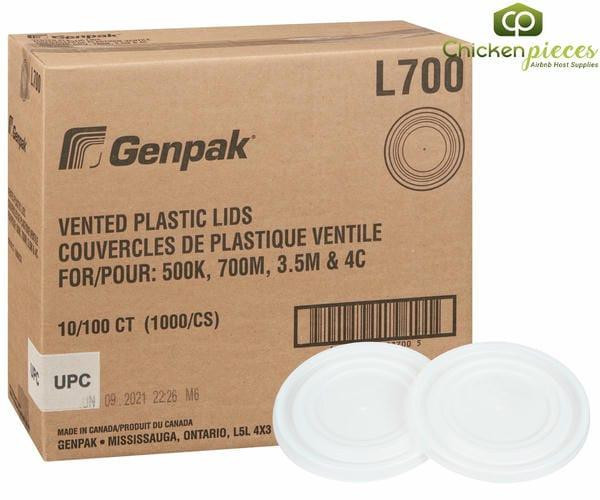
Vented lids allow steam escape. Flat seals prevent leaks. Always verify lid fit before bulk purchase. Mismatched components create waste and slow down prep workflows significantly for busy teams.
Bulk Efficiency Gains
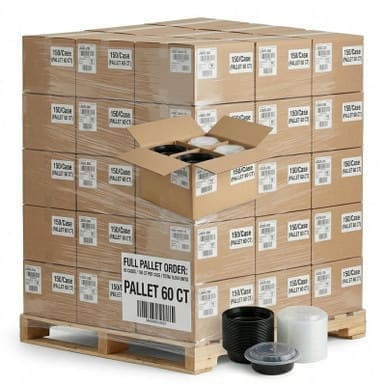
Pallet orders reduce handling frequency. Case counts vary by size. Larger containers often come in smaller packs. Aligning order size with storage space maximizes operational efficiency effectively.
Storage Optimization Tips
Nesting capabilities save shelf space. Uniform shapes stack securely. Avoid mixing different brands if lids differ. Consistent inventory reduces search time and improves kitchen organization standards daily.
Compliance Safety First
All listed items meet food-contact standards. Materials are BPA-free generally. Verify local health codes for specific uses. Staying compliant protects your business from potential regulatory issues or fines.
Understanding Standard Deli Container Volumes
Commercial kitchens use specific volume standards to ensure consistency across all service points and locations.
The ounce is the smallest standard unit. It works well for sauces or dips. Sixteen ounces make up one pint. This size suits individual servings perfectly. Thirty-two ounces equal one quart. This larger volume serves families or groups. Understanding these basics prevents ordering errors. Standardizing on these specific volumes allows your inventory system to track stock levels with precision. When you order by the case, knowing that a case of 16-ounce units holds exactly four gallons helps in forecasting weekly usage. This mathematical consistency simplifies reordering triggers and reduces the cognitive load on purchasing staff.
Pints are versatile for side dishes. They fit standard refrigeration shelves easily. Quarts handle main courses effectively. Their wider mouths allow easy scooping. Half-gallons serve large gatherings well. Knowing which size fits your menu helps reduce waste. It also simplifies portion control efforts greatly. Implementing a strict sizing protocol means that every team member grabs the correct container without hesitation. This uniformity is essential for maintaining speed during peak service hours. Furthermore, consistent sizing ensures that automated dispensing equipment, if used, operates within its calibrated parameters, further enhancing accuracy and reducing product loss.
Choosing the Right Plastic Material
Different plastics serve different thermal needs. Select materials based on heating requirements and storage conditions.
Polypropylene handles hot temperatures well. It is safe for microwaves. This material remains stable under heat stress. Pet plastic offers clarity and strength. It suits cold storage applications perfectly. The choice depends on your specific use case. Each type has distinct advantages for operations. Polypropylene, often labeled as PP5, can typically withstand temperatures up to 300 degrees Fahrenheit without deforming. This makes it ideal for hot soup delivery or reheated entrées. In contrast, PET is more brittle and prone to cracking under thermal shock, making it unsuitable for direct heat. Selecting the correct polymer ensures that the container maintains its shape and seal integrity throughout the entire service lifecycle.
Heavy-weight containers resist cracking under pressure. They protect contents during transit effectively. Standard weight options save space in nesting. Clear lids show contents without opening them. This visibility speeds up inventory checks. Transparent materials also look professional to guests. Heavy-wall designs are particularly beneficial for outdoor catering events where rough handling is expected. The thicker walls provide an additional layer of insulation, helping to maintain food temperature for longer periods. For indoor use, standard weight containers offer a good balance between durability and space efficiency. Nesting them tightly reduces the footprint in your dry storage areas, allowing you to keep larger reserves on hand without cluttering prep stations.
Selecting Compatible Lids for Seals
Proper sealing prevents leaks and maintains freshness. Choose lids that match your container shape and size.
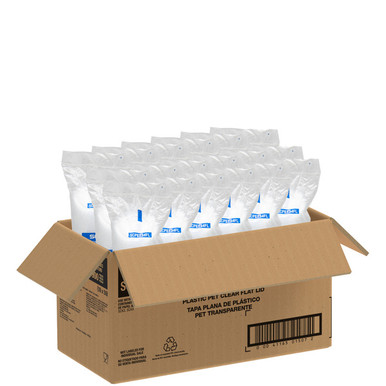
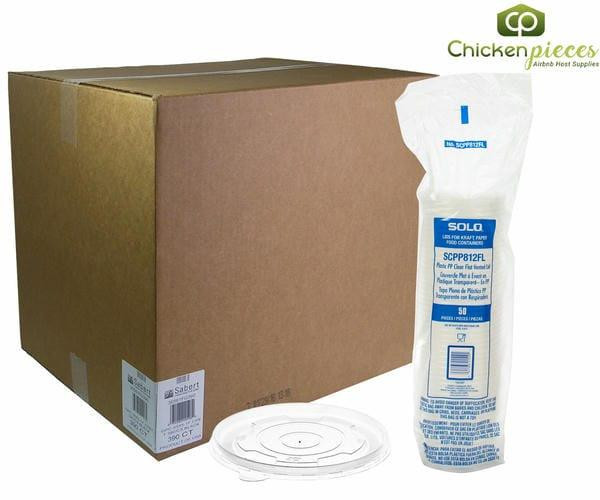
Flat lids provide a tight seal. They work best for cold items. Vented options allow air circulation. These suit heated meals perfectly. Snap-on designs offer quick closure. Hinged lids stay attached to containers. Each style has specific benefits for different tasks. The engineering of the rim and lid interface is critical for leak prevention. A secure snap ensures that condensation does not pool on top, which can degrade the label or make the container slippery. Vented lids are designed with micro-perforations that allow steam to escape while keeping liquid contents inside. This balance is vital for preventing pressure explosions in microwaves. Always test a sample batch to ensure the seal holds up under agitation during delivery.
Optimizing Your Bulk Supply Orders
Ordering in cases or pallets reduces cost per unit. Plan your inventory needs carefully before placing orders.
Cases contain fixed quantities of items. Pallets hold multiple cases together. Larger volumes often yield better pricing. Storage space must accommodate bulk orders. Plan your receiving area carefully. Efficient handling saves labor time daily. When ordering pallets, consider the weight distribution and stacking height limits of your storage racks. Overloading shelves can lead to collapsed stacks and damaged inventory. Additionally, review the supplier’s delivery schedule to align with your usage patterns. Ordering just-in-time reduces holding costs and minimizes the risk of product degradation due to prolonged storage. Use historical data to predict seasonal spikes in demand, ensuring you never run out during critical periods.
Maximizing Kitchen Storage Efficiency
Proper stacking and nesting save valuable shelf space. Organize containers by size and frequency of use.
Nesting saves significant vertical space. Uniform shapes stack securely on shelves. Avoid mixing incompatible container styles. Consistent organization reduces search time greatly. Keep frequently used sizes accessible. Store bulk reserves in dry areas. Implement a first-in, first-out rotation system to ensure older stock is used before newer deliveries. Label shelves with clear indicators for each size and type to prevent mix-ups. This visual management strategy reduces errors and improves workflow speed. Regularly audit your storage area to remove any damaged or expired items, maintaining a clean and efficient workspace that supports high-volume operations.
Ensuring Food Safety Compliance
All products meet FDA food-contact standards. Verify local regulations for specific usage scenarios.
FDA guidelines ensure material safety. BPA-free options are widely available. Check certifications on packaging labels. Stay updated on local health codes. Compliance protects your business reputation effectively. Maintain records of all product certifications for easy access during health inspections. Train staff on proper cleaning and handling procedures to prevent cross-contamination. Regularly review supplier documentation to ensure ongoing compliance with evolving safety standards. Proactive management of these details demonstrates a commitment to food safety and builds trust with both regulators and customers.
Comparison of Common Deli Container Sizes
Use this chart to match container volume with typical serving needs.
| Size Name | Volume (oz) | Best Use Case | Material Type |
|---|---|---|---|
| Small Cup | 4 oz | Condiments and Dips | Clear PP |
| Standard Pint | 16 oz | Individual Sides | Heavy Weight |
| Large Pint | 24 oz | Salads and Fruit | Clear PET |
| Standard Quart | 32 oz | Main Entrées | Translucent PP |
| Half Gallon | 64 oz | Family Style Meals | Heavy Weight |
| Bulk Tub | 128 oz | Prep and Storage | Clear PET |
| Specialty Cup | 8 oz | Soups and Stews | Vented PP |
Explore Bulk Supply Options
View our complete range of compliant food service containers.



People Also Ask
Real questions buyers search before they order — answered straight.
What are the typical deli cup sizes?
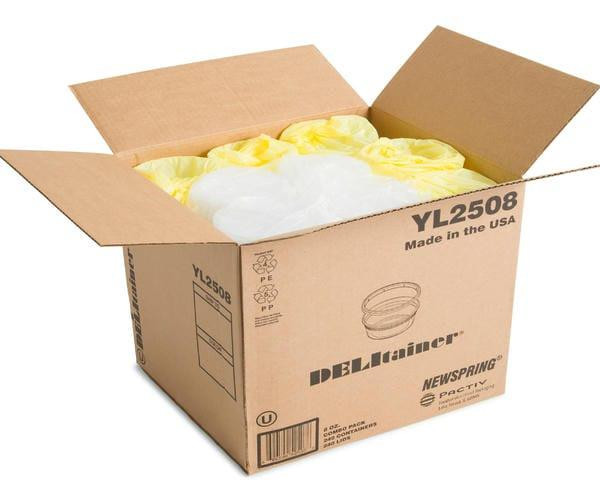
The common sizes are 8 oz (half pint), 12 oz, 16 oz (pint), 24 oz and 32 oz (quart). Most kitchens stock three: 8 oz for sauces and dressings, 16 oz for sides and soups, and 32 oz for prep and bulk. Many ranges share one lid across several heights. See our 8 oz deli containers.
How big is a 32 oz deli container?
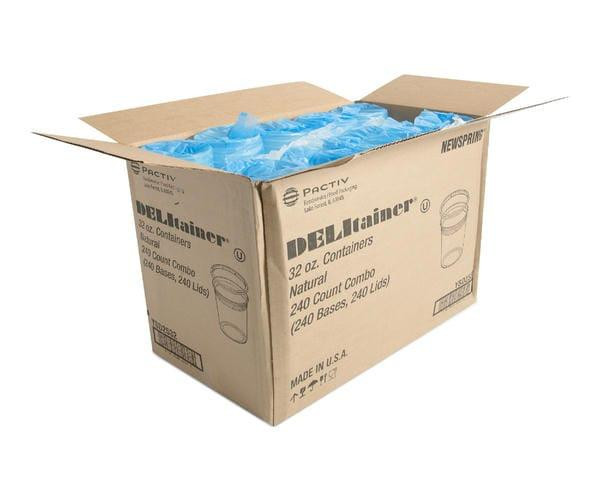
A 32 oz deli container holds one US quart, which is about 946 mL or 4 cups. It's the standard size for soup to go, prepped vegetables, stocks and sauces, and it's the workhorse for line prep. Our 32 oz Delitainer comes 240 to a case with lids.
Is a deli container 1 quart?
Only the 32 oz size is. Deli containers come in several sizes, and 'quart container' is kitchen shorthand for the 32 oz one. A pint is 16 oz and a half pint is 8 oz. When ordering, go by the ounce size on the listing rather than the nickname.
How big is a pint container?
A pint deli container holds 16 US fl oz, about 473 mL or 2 cups. It's the usual size for a side of rice, a small soup, or a pint of takeout. Two pints fill a quart container, which makes portioning and labelling straightforward for prep lists.
What Canadian facility managers say
Here is what industry professionals say about our supplies.
The heavy weight containers hold up well in our microwave. We stopped worrying about melted plastic or warped lids. Our staff loves how easily they stack and store now.
Clear lids help us identify contents quickly without opening them. This saves time during busy lunch rushes. The quality is consistent across every single case we order regularly.
Vented lids are perfect for our hot meal programs. Steam escapes safely without pressure buildup. We have seen less waste and happier guests since switching to these specific containers.
Container Sizing FAQs: Frequently Asked Questions
Pint vs quart of Chinese food: how much is the difference?
A quart holds twice as much as a pint: 32 oz versus 16 oz. In takeout terms, a pint of rice or soup usually serves one, and a quart is meant to share. If you're pricing a menu, portion by weight or volume so the pint and quart sizes stay consistent from order to order.
How many cups are in a deli container?
It depends on the size: an 8 oz container holds 1 cup, 16 oz holds 2 cups, 24 oz holds 3 cups and 32 oz holds 4 cups. These are US cups of 8 fl oz each. That simple math makes deli containers handy as rough measures for prep and batching.
Can you microwave deli containers?
Only if the container is labelled microwave-safe, which usually means polypropylene (PP, recycling code 5). Clear PET containers aren't made for heat and can warp. Vent the lid, heat in short bursts, and don't microwave foods that are very oily or sugary in thin plastic.
Can you freeze deli containers?
Yes. Polypropylene deli containers handle the freezer well. Leave some headroom for liquids to expand, cool the food before freezing, and label each one with contents and date. Very cold plastic can crack if dropped, so handle frozen stacks with care.
Are deli containers dishwasher safe?
Many polypropylene deli containers survive the top rack of a dishwasher, but they're sold mainly as disposable packaging, so heat will warp them over time. Check the manufacturer's guidance. Kitchens that reuse them for prep usually treat them as short-life items and replace any that crack or cloud.
What is a 16 oz deli container used for?
It's the go-to size for takeout sides, soups, salads, rice and grab-and-go portions, and for storing prepped sauces and dressings in bulk. Many kitchens build their whole container stock around the pint. For hot food that needs reheating, a microwaveable 16 oz round container also works.
Regulatory reference: The FDA Food Code and Health Canada's food safety guidelines set the standards for commercial kitchen operations across North America.
Related guides from ChickenPieces
Why Buy From ChickenPieces
We provide reliable bulk supplies for commercial food service operations across North America.
Reliable Bulk Supply
High-volume cases and pallets are the usual foodservice formats. This ensures consistent availability for your daily needs. Our inventory management minimizes delays and keeps your kitchen running smoothly.
Quality Assurance
Every product meets strict durability standards. Materials withstand heat and pressure effectively. You get consistent quality with every order, reducing waste and improving operational efficiency significantly.
Expert Support
Our team understands food service needs. We help you select the right sizes and materials. Get advice on optimizing your supply chain for better cost management and workflow improvements.
FDA Compliance
All products meet FDA food-contact compliance standards. This ensures safety for your guests and staff. We prioritize regulatory adherence to protect your business from potential legal issues or fines.
Sources & further reading
- Food Packaging & Other Substances that Come in Contact with Food — U.S. FDA
- Plastic Deli Take Out Containers — WebstaurantStore
Request a Bulk Supply Quote
Ready to optimize your kitchen supplies? Contact us today for a custom quote tailored to your specific volume needs.
Request a Quote