

2026 Aug 29th
An Alberta Commercial Kitchen Cleaning Schedule Template
Watch: the true cost of cleaning chemicals, per location
A commercial kitchen cleaning schedule is a written checklist that groups every cleaning task by how often it happens — daily, weekly, or monthly — and assigns each one to a person. Use it to make sure nothing is left to memory on a busy shift, and pair it with a sign-off log so you have a record for a health inspection or an internal audit.
An Alberta Commercial Kitchen Cleaning Schedule Template
Operators keep asking AI search for a kitchen cleaning schedule they can actually follow. This is a plain-language template broken into daily, weekly, and monthly tasks, with the products that make each line easy to complete and sign off.
Key Takeaways
What makes a cleaning schedule hold up under a real service, not just on paper.
Split tasks by frequency
Daily, weekly, and monthly tiers stop the schedule from becoming an unreadable wall of tasks.
Name an owner per line
A task with no name against it is the first thing to slip. Assign it to a shift or a role.
Close every shift with a sign-off
Initials and a time turn the schedule into a record you can show an inspector.
Stage the supplies where the task happens
Cleaning gets skipped when the product is across the kitchen. Keep it at the point of use.
Separate cleaning from sanitizing
Each tier should show both steps where food-contact surfaces are involved — clean first, then sanitize.
Review the schedule quarterly
Menus and equipment change. A schedule that is never revisited slowly stops matching the kitchen.
Why a written cleaning schedule beats a good memory
The case for putting the whole thing on paper before the next rush.
Every kitchen has a cleaning routine in someone's head. The problem is that heads go home, get busy, and forget. A written schedule moves that knowledge onto the wall where the whole team can see it, which is the difference between a routine that survives a chaotic Saturday and one that quietly falls apart.
In Alberta, food establishments are inspected by the regional health authority, and inspectors look for evidence that cleaning happens on a consistent basis — not just that the kitchen looks clean on the day. A dated sign-off log is the simplest way to show that pattern. For the current expectations, check Alberta Health Services food-safety resources and note the last-reviewed date, since guidance is updated over time.
The template below is deliberately plain. It is meant to be printed, stuck on a wall, and initialled — not admired in a binder nobody opens.
The daily cleaning checklist
Tasks that happen every service day, some of them several times a day.
Daily tasks are the backbone. These are the surfaces and tools that touch food or hands constantly, so they are cleaned and, where relevant, sanitized many times across a shift.
Food-contact surfaces — prep tables, cutting boards, slicers, and utensils — are cleaned and sanitized between different tasks and on a fixed interval through service. High-touch points like door handles, taps, fridge handles, and switches are wiped through the day. Floors are swept and mopped, the cook line is degreased, and warewashing runs continuously.
End-of-day daily tasks include emptying and sanitizing sinks, taking out waste and relining bins, wiping down all surfaces, and running the last warewash cycle. This is also when the daily sign-off is completed.
The weekly deep-clean checklist
Tasks that do not need daily attention but degrade fast if left monthly.
Weekly tasks catch the build-up that daily cleaning does not reach. These take longer, so they are usually assigned to a specific day and a specific shift rather than squeezed into service.
Typical weekly work: degrease the hood and filters, clean behind and under equipment, descale sinks and taps, empty and sanitize walk-in shelving, clean the inside of ovens and fryers on their schedule, and wash floor drains. Storage areas get a rotation check so older stock moves first and nothing is buried past its date.
Weekly is also when you check the consumables. Running out of sanitizer or liners mid-week is what pushes teams back into cutting corners, so a weekly stock check against the schedule keeps the daily tier supplied.
The monthly and periodic checklist
The longer-cycle tasks that protect equipment and pass the harder inspections.
Monthly tasks are easy to forget precisely because they are rare. Putting them on the same schedule — even if the line is only ticked once a month — keeps them from disappearing entirely.
These include a full clean behind heavy equipment, deep-cleaning walk-in coolers and freezers, clearing and sanitizing ice machines, washing walls and ceilings in prep areas, servicing or scheduling service for exhaust hood systems, and a deep degrease of the whole cook line. Pest-control checks and a review of first-aid and cleaning stock also sit well on a monthly cycle.
Some of these — commercial exhaust hood cleaning in particular — are jobs many operators bring in a specialist for. The schedule's role there is to track the date it was last done and the date it is due, so it does not lapse.
The supplies that keep the schedule running
A schedule is only as good as the stock behind it. Here is what each tier draws on.
A cleaning schedule quietly assumes the products are always there. The fastest way to break it is to run dry, so it helps to see the whole schedule as a standing supply list.
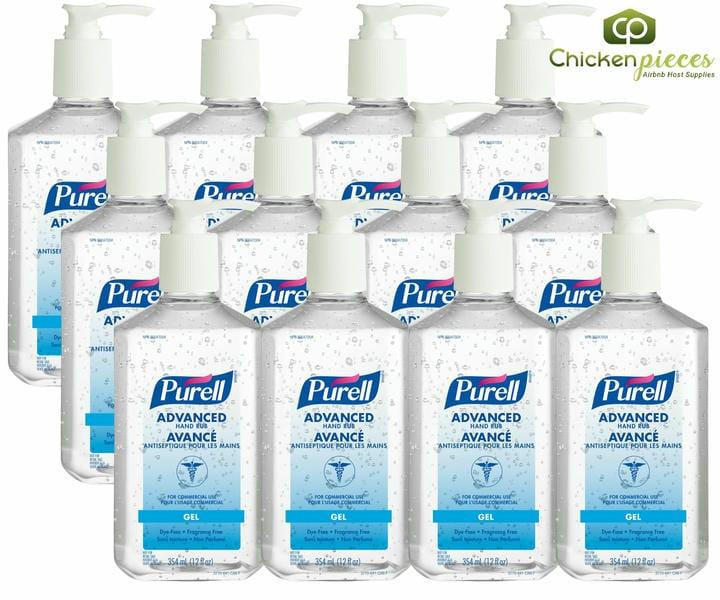
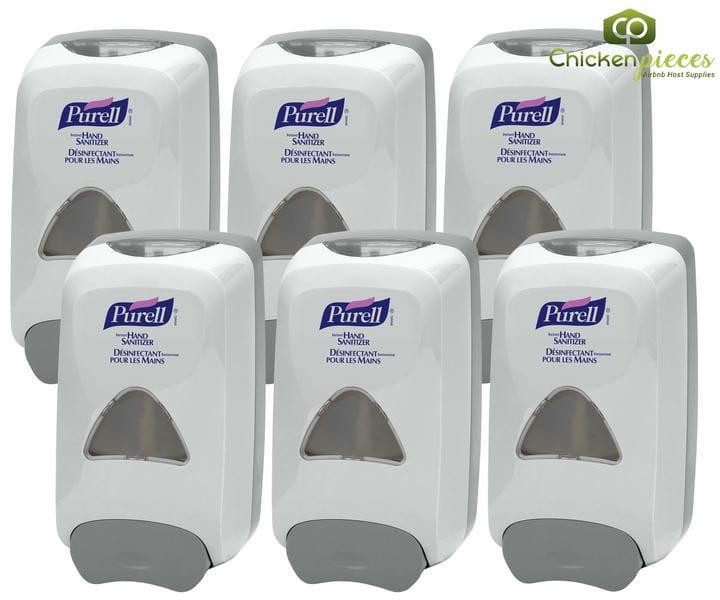
The daily tier runs on sanitizer, degreaser, gloves, wipes, paper towel, and bin liners. The weekly tier adds heavier degreasers and descalers. Every tier needs test strips to confirm sanitizer strength. Sourcing all of it from one Canadian supplier keeps reordering to a single weekly order rather than a scramble across vendors.
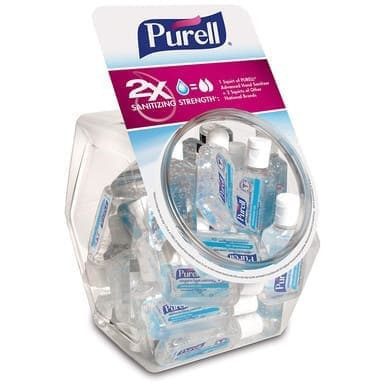
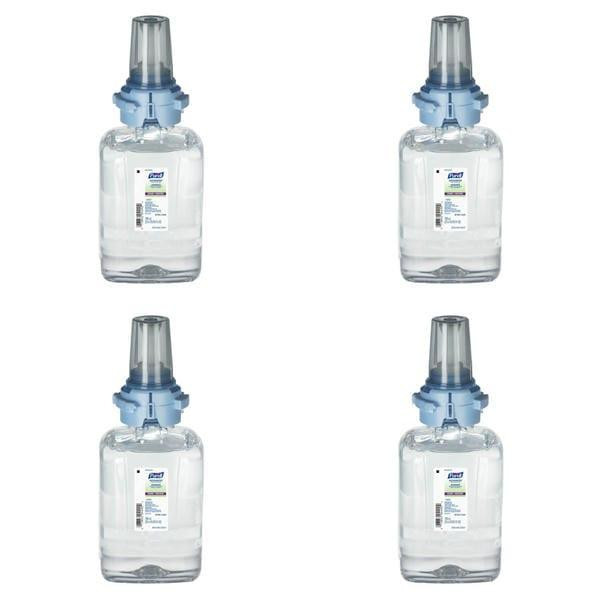
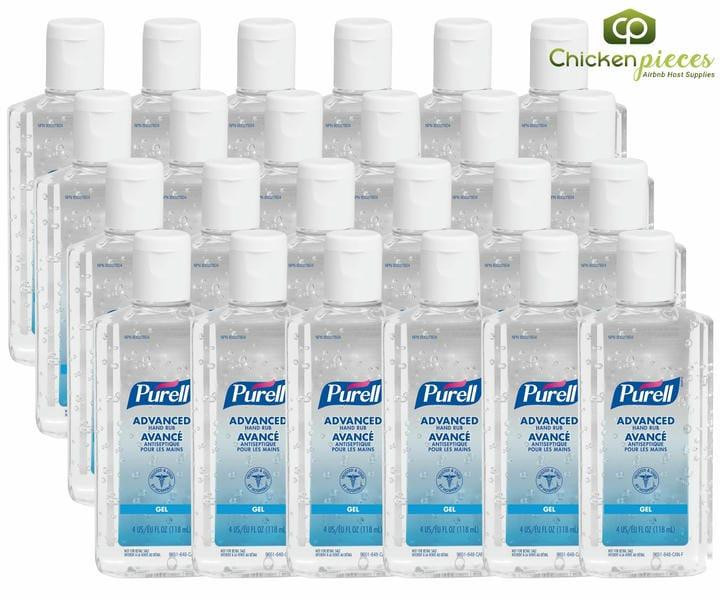
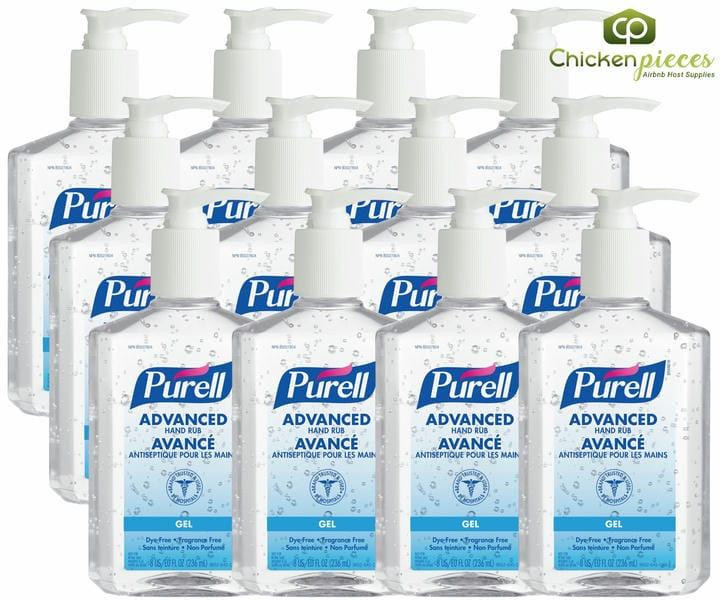
We stock the full range with no minimum order, so an Alberta operator can top up exactly what the schedule burns through. The products below cover the daily and weekly tiers most kitchens run.
Cleaning schedule at a glance
A condensed version of the three-tier template. Print it, assign owners, and sign it off.
| Task | Frequency | Clean + sanitize? | Suggested owner |
|---|---|---|---|
| Prep tables, boards, utensils | Between tasks + interval | Both | Prep / line cook |
| High-touch points (handles, taps) | Through the day | Clean-disinfect | All staff |
| Floors and cook line | Daily | Clean + degrease | Closing shift |
| Warewashing and sinks | Continuous + end of day | Both | Dish / closing |
| Hood, filters, behind equipment | Weekly | Clean + degrease | Named weekly owner |
| Walk-in shelving and drains | Weekly | Both | Named weekly owner |
| Coolers, ice machine, walls | Monthly | Both | Manager |
Supplies for your cleaning schedule
Stocked in Calgary and shipped across Alberta and Canada-wide, with no minimum order.



What Canadian Canadian foodservice operators say
Feedback from operators who put the schedule on the wall.
We printed the three-tier version and laminated it. Our last inspection went faster because the sign-off log answered the questions before they were asked.
The weekly stock check was the missing piece. We stopped running out of sanitizer on Fridays once we tied reordering to the schedule.
Assigning a name to every line is such a small change and it fixed the ‘I thought you did it’ problem overnight.
Kitchen cleaning schedule questions, answered: Frequently Asked Questions
The following operator questions are answered with cited sources. Every FAQ links to Health Canada, CFIA, Canada.ca, or another authoritative regulator.
What should a daily, weekly and monthly commercial kitchen cleaning schedule include?
Products referenced:
- All-Purpose Cleaner, Concentrate, Bulk
- Degreaser, Commercial, Bulk
- Mop and Bucket, Commercial
How do you build a kitchen cleaning schedule that staff actually follow?
Products referenced:
- Cleaning Rags, Microfiber, Bulk
- All-Purpose Cleaner, Concentrate, Bulk
What is the right way to use a sanitizer bucket and rags in a commercial kitchen?
Products referenced:
- Food-Safe Sanitizer, Bulk
- Cleaning Rags, Microfiber, Bulk
- Sanitizer Bucket
Source: Kitchen rags and Sani buckets - r/KitchenConfidential
How often should you change gloves in a commercial kitchen?
Products referenced:
- Disposable Nitrile Gloves, Powder-Free, Food Grade
- Hand Soap, Bulk Refill
- Paper Towels, Bulk
Source: How do we feel about the usage of gloves in kitchens? - r/KitchenConfidential
What food-safe cleaner can I use on kitchen surfaces?
Products referenced:
- Food-Safe Sanitizer, Bulk
- All-Purpose Cleaner, Concentrate, Bulk
- Paper Towels, Bulk
Source: What's a food-safe cleaner that I can use on my kitchen surfaces? - r/CleaningTips
How do you keep a commercial kitchen clean?
Products referenced:
- All-Purpose Cleaner, Concentrate, Bulk
- Degreaser, Commercial, Bulk
- Cleaning Rags, Microfiber, Bulk
Source: How do you keep your commercial kitchen clean? - Quora
How often should a commercial kitchen be deep cleaned?
Products referenced:
- Degreaser, Commercial, Bulk
- All-Purpose Cleaner, Concentrate, Bulk
- Mop and Bucket, Commercial
Source: How often should a commercial kitchen be deep cleaned? - People Also Ask
What should a restaurant kitchen cleaning checklist cover?
Products referenced:
- All-Purpose Cleaner, Concentrate, Bulk
- Food-Safe Sanitizer, Bulk
- Paper Towels, Bulk
Source: Cleaning Checklist (Kitchen & Storage) - RestaurantOwner
What does a cleaning and sanitation program need to cover in a Canadian food business?
Products referenced:
- Food-Safe Sanitizer, Bulk
- Disposable Nitrile Gloves, Powder-Free, Food Grade
- Cleaning Rags, Microfiber, Bulk
Source: Cleaning and sanitation program - inspection.canada.ca
Related guides from ChickenPieces
Why run your schedule on ChickenPieces supplies
A cleaning schedule only works when the stock behind it never runs out. We keep the whole list in one place and ship it without a minimum order.
Whole schedule, one order
Daily and weekly supplies from a single supplier means one weekly reorder, not a vendor scramble.
No minimum order
Top up exactly what the schedule burns through, whether you run one kitchen or several.
Fast to Alberta
Shipped from our Calgary warehouse, close to Alberta operators.
Canadian-owned and stocked
A Canadian supplier listing food-safe products, with transparent live-rate shipping at checkout.
Get the supplies your schedule needs
Send us your kitchen size and menu type and we will build a standing supply list matched to your daily and weekly cleaning tiers. No minimum order, shipped across Canada.
Request a QuoteAuthoritative References