

2026 Jul 18th
FDA Rules on Glove Changes for Food Safety Compliance
Workers must change gloves after touching raw meat, dirty surfaces, or their face. They also need new pairs when switching tasks. This prevents cross-contamination and keeps your facility compliant with health codes.
FDA Rules on Glove Changes for Food Safety Compliance
This guide helps property managers and operators avoid contamination risks while meeting strict health department standards for guest safety and operational efficiency.
Key Takeaways
These points summarize the key regulatory requirements for daily operations.
Change After Raw Foods
Staff must swap gloves immediately after handling raw proteins. This step stops bacteria from moving to ready-to-eat items or clean surfaces in your kitchen area.
Switch Tasks Regularly
Gloves are not reusable across different tasks. Moving from cleaning a counter to preparing food requires fresh pairs to maintain strict hygiene standards.
Replace When Torn
Inspect gloves for holes or tears before use. Damaged barriers offer no protection. Replace any compromised equipment immediately to ensure proper coverage and safety.
Avoid Cross-Contamination
Never use the same pair on dirty dishes and clean food. This simple rule prevents spreading pathogens between surfaces that should remain sterile during service.
Hand Washing Matters
Wash hands before putting on new gloves. Gloves do not replace hand hygiene. Proper washing reduces microbial load and ensures better barrier performance for staff.
Time Limits Apply
Even if intact, gloves should change after long use. Sweat and friction reduce effectiveness. Set time limits to maintain consistent protection levels throughout shifts.
Understanding FDA Glove Requirements
Federal guidelines set clear standards for when protective barriers must be replaced during food handling activities.
The FDA Food Code provides specific guidance on barrier use. Operators often misunderstand these rules, leading to violations. Gloves act as temporary barriers against contamination. They require frequent replacement to remain effective. Staff must understand that gloves are not a substitute for clean hands. Proper usage reduces the risk of spreading pathogens across different work zones in your facility.
Health departments enforce these standards strictly. Inspectors look for proper glove usage during routine checks. Violations can result in fines or closure orders. Understanding the code helps you avoid costly mistakes. It also protects your reputation among guests and partners. Consistent adherence shows professionalism and care for public health and safety standards.
Training staff is essential for success. New hires need clear instructions on when to change gloves. Supervisors should monitor compliance daily. Regular reminders help reinforce good habits over time. Consistency ensures that every team member follows the same protocol. This uniformity reduces errors and keeps your operation running smoothly without interruption.
When to Swap Gloves Between Tasks
Switching activities requires new gloves to prevent cross-contamination between dirty and clean surfaces in your workspace.
Moving from one task to another requires fresh gloves. Cleaning a surface then touching food spreads germs easily. Staff must recognize these transitions clearly. Each new activity demands a clean barrier. This practice minimizes the chance of transferring contaminants between zones. Proper segregation keeps your kitchen environment safe and organized for everyone.
Consider the flow of work in your facility. Identify high-risk areas where cross-contamination is likely. Place supplies near these transition points. Make it easy for staff to grab new gloves quickly. Convenience encourages compliance with hygiene protocols. When changing gloves takes seconds, workers are more likely to do it correctly every single time.
Labeling stations helps reinforce this behavior. Clear signs remind employees when a switch is necessary. Visual cues reduce confusion during busy periods. Staff can focus on efficiency while maintaining safety. This approach supports both productivity and health standards. A well-organized workspace promotes better hygiene habits naturally.
Handling Torn or Damaged Gloves
Inspect gloves regularly for rips or wear that compromise their protective barrier function during daily operations.
Gloves degrade with use and exposure to chemicals. Tears may go unnoticed until contamination occurs. Staff should check their gloves frequently. Even small holes allow bacteria to pass through. Immediate replacement is necessary when damage is found. This proactive approach prevents potential health hazards from developing into serious issues.
Material quality affects durability significantly. Some gloves wear out faster than others. Choose products designed for heavy-duty use. Thicker materials offer better protection against punctures. Investing in higher-quality options reduces waste over time. Fewer replacements mean less downtime and lower long-term costs for your operation.
Training includes recognizing signs of wear. Employees need to know what damaged gloves look like. Visual aids can help illustrate these points clearly. Practice sessions build confidence in making quick decisions. Staff who feel secure in their knowledge perform better under pressure. Consistent performance leads to safer outcomes overall.
Hand Washing Before Glove Use
Clean hands are mandatory before donning gloves to ensure maximum protection against microbial transfer during food handling.
Gloves do not replace proper hand hygiene. Dirty hands inside gloves create a breeding ground for bacteria. Washing removes visible dirt and invisible pathogens. This step is critical before putting on any barrier. Skipping it undermines the entire purpose of wearing gloves. Consistent washing habits protect both staff and guests from illness.
Facilities should provide adequate washing stations. Soap, water, and dryers must be easily accessible. Placement near work areas encourages frequent use. Signage reminds employees of proper techniques. Regular maintenance ensures these resources remain available. Reliable infrastructure supports good hygiene practices throughout the day.
Supervisors play a key role here. They model correct behavior for others to follow. Leading by example sets the tone for the team. Positive reinforcement boosts morale and compliance rates. Recognizing good habits encourages continued adherence. A culture of cleanliness benefits everyone involved in operations.
Duration Limits on Glove Wear
Even intact gloves have a limited lifespan before sweat and friction reduce their effectiveness as barriers.
Time matters when wearing protective barriers. Sweat accumulates inside gloves over extended periods. Friction weakens material integrity gradually. These factors increase the risk of breakage. Setting time limits helps mitigate these risks effectively. Regular changes maintain optimal protection levels consistently.
Fatigue impacts decision-making ability too. Tired staff might overlook small tears or dirt. Fresh gloves signal a reset point mentally. This psychological boost aids concentration and focus. Clear boundaries help manage energy levels better. Structured routines support sustained performance throughout long shifts.
Documentation supports accountability here. Record change times for audit purposes. Data shows commitment to following protocols strictly. Transparent records build trust with inspectors and guests alike. Demonstrating diligence enhances your brand reputation positively. Trustworthy operations attract loyal customers repeatedly.
Choosing the Right Gloves for Tasks
Different materials suit specific activities based on durability, grip, and chemical resistance needed in your environment.
Nitrile offers excellent puncture resistance. Latex provides superior flexibility and feel. Powder-free options reduce allergy risks significantly. Selecting the right type depends on task demands. Match material properties to operational needs carefully. Appropriate choices enhance safety and efficiency simultaneously.
Fit influences performance greatly. Loose gloves slip off easily during work. Tight ones cause discomfort and restrict movement. Proper sizing ensures secure coverage without irritation. Measure hands accurately before ordering supplies. Correct fit improves dexterity and reduces fatigue over time.
Sustainability considerations matter now too. Biodegradable options exist for eco-conscious buyers. Reducing waste aligns with modern values effectively. Supporting green initiatives boosts community goodwill substantially. Environmentally responsible choices reflect well on your brand image. Ethical sourcing strengthens stakeholder relationships positively.
Glove Material Comparison Guide
Compare common glove types by key performance metrics to select the best fit for your specific operational needs.
| Material Type | Durability Level | Chemical Resistance | Allergy Risk |
|---|---|---|---|
| Nitrile | High | Excellent | Low |
| Latex | Medium | Good | High |
| Vinyl | Low | Fair | Low |
| Polyethylene | Very Low | Poor | None |
| Neoprene | Very High | Superior | Low |
| Butyl | High | Excellent | Low |
| Cryogenic | Extreme | Specialized | None |
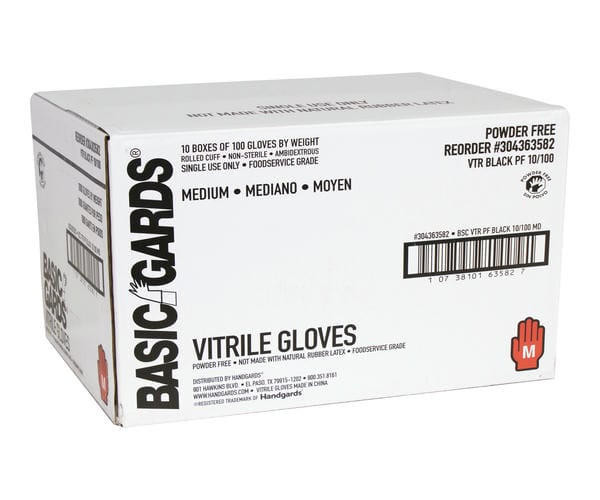
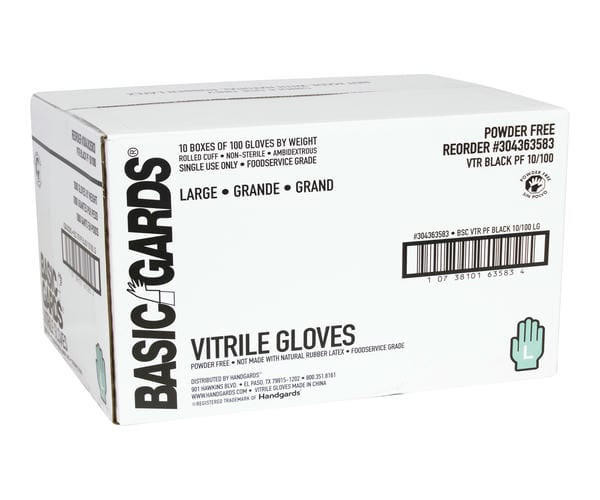
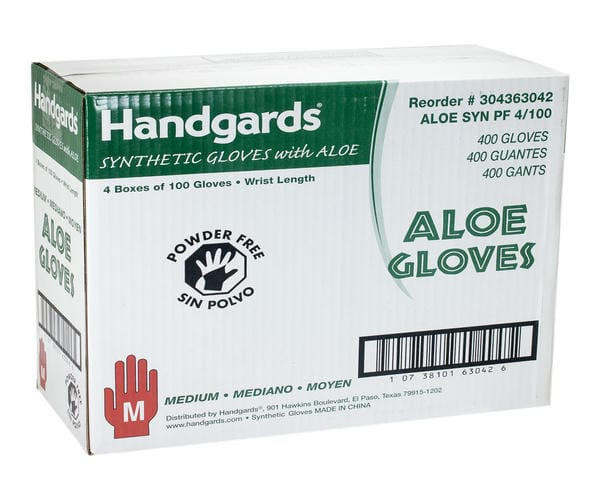
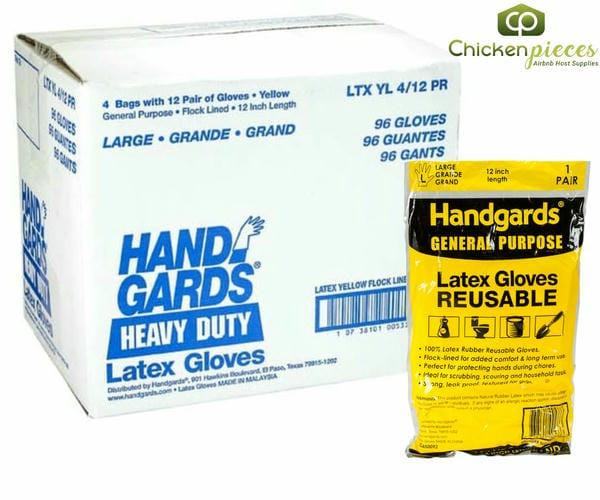
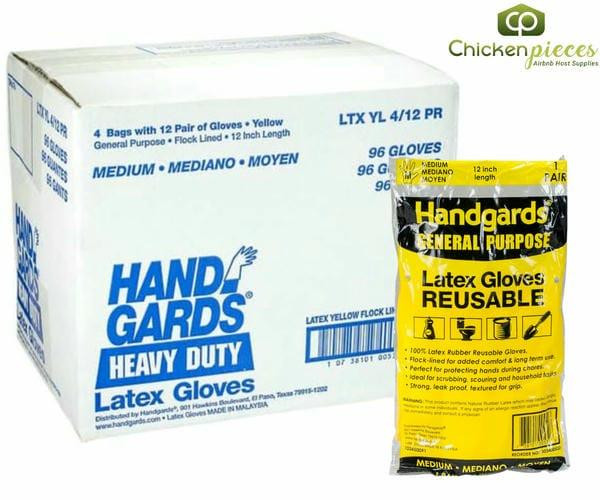
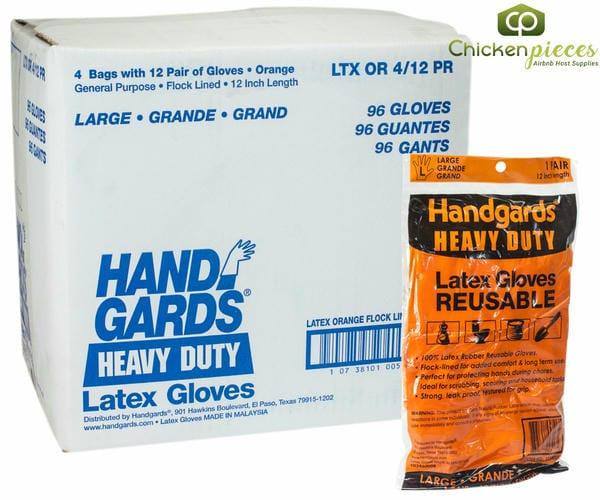
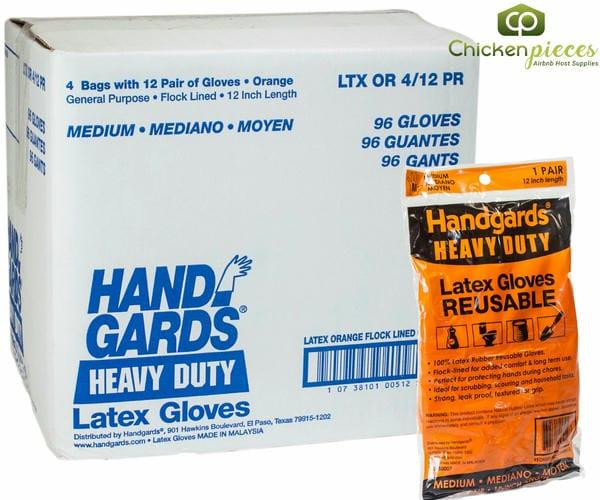
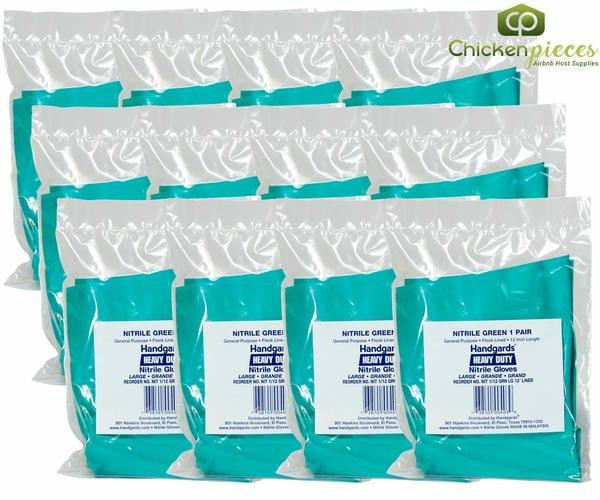
Browse Our Glove Selection
Explore our range of professional-grade protective barriers designed for various operational environments.

People Also Ask
Real questions buyers search before they order — answered straight.
When should food workers put on disposable gloves?
Gloves are expected whenever staff would otherwise touch ready-to-eat food with bare hands — plating, garnishing, or assembling cold items. They are also used to cover a bandaged cut or when handling foods that will not be cooked again. Gloves are never a substitute for clean hands, so hands are always washed first and then gloved.
Which disposable gloves count as food safe?
Food-safe simply means the glove is manufactured and certified for direct contact with food, and nitrile, vinyl, poly, and latex are all available in that grade. The important step is choosing a box labelled for food handling rather than an industrial version. If a supplier cannot confirm food-contact suitability in writing, treat that as a reason to pick another line.
Why are powder-free gloves preferred for food handling?
Powder-free gloves avoid the fine cornstarch dusting that older powdered gloves used, which can drift onto food, surfaces, and prep areas. Removing the powder keeps things cleaner and sidesteps a possible contaminant, which is why powder-free is now the norm in kitchens. They still slip on easily enough for the frequent changes food work demands.
Which disposable gloves are best for cooking tasks?
For hands-on cooking prep, a snug nitrile glove is the usual choice because it resists oils and tears while keeping good dexterity. Vinyl works for lighter, short tasks, and loose poly gloves suit very quick jobs like grabbing a single item. Remember that disposables are a hygiene barrier, not heat protection, so they are not for handling hot pans.
Which disposable gloves are best for cleaning tasks?
Cleaning usually calls for a slightly thicker, more chemical-tolerant glove, and nitrile handles common cleaning products better than thin vinyl. A textured grip helps with wet bottles and cloths, and a longer cuff keeps splashes off the wrist. For prolonged contact with strong cleaners, step up to a dedicated heavy-duty glove instead of a thin disposable.
How are disposable gloves made?
Disposable gloves are made by dipping hand-shaped moulds into a liquid material — nitrile, vinyl, or latex — which is then cured, stripped off, and quality-checked. Nitrile and latex form stretchy films, while vinyl (PVC) sets firmer and thinner. That process is why the same glove style can come in different thicknesses and finishes for different jobs.
What Canadian facility managers say
Hear from operators who improved their hygiene protocols with our supplies.
Switching to these heavy-duty gloves reduced our waste significantly. They last longer during deep cleaning sessions without tearing. Our staff loves the comfort and grip they provide daily.
The nitrile options here are perfect for our kitchen team. No more latex allergies causing issues among staff. Compliance scores improved after we standardized on these products last month.
We needed bulk supplies for multiple locations quickly. Delivery was fast and packaging kept everything clean. The variety allows us to match gloves to specific tasks effectively now.
Glove Usage Questions: Frequently Asked Questions
How often should I change gloves?
Change gloves after each task, when torn, or if they become contaminated. Frequent changes prevent cross-contamination between different areas of your facility effectively.
Can I reuse disposable gloves?
No, disposable gloves are single-use only. Reusing them increases the risk of spreading pathogens. Always discard used gloves properly in designated bins immediately after removal.
Do gloves replace hand washing?
Never rely solely on gloves. Wash hands thoroughly before putting them on and after removing them. Gloves provide an extra layer but do not eliminate the need for proper hygiene practices.
What if a glove tears?
Remove the torn glove immediately and wash your hands. Put on a new pair right away. Do not continue working with damaged barriers as they offer no protection against contaminants.
Are latex gloves safe for everyone?
Many people have latex allergies. Consider using nitrile or vinyl alternatives to avoid reactions. Check staff medical histories before selecting materials for widespread use in your facility.
How do I store gloves properly?
Keep gloves in cool, dry places away from direct sunlight. Moisture and heat degrade material quality over time. Proper storage extends shelf life and maintains effectiveness for longer periods.
Which gloves are best for chemicals?
Nitrile offers superior chemical resistance compared to latex or vinyl. Choose thick nitrile options for handling strong cleaners. Ensure compatibility with specific substances used in your operations.
Can I wear jewelry under gloves?
Avoid wearing rings or watches under gloves. Jewelry can trap bacteria and cause tears in the material. Remove all accessories before donning protective barriers for maximum safety.
How long do reusable gloves last?
Reusable gloves need inspection before each use. Replace them if you notice cracks, stiffness, or discoloration. Follow manufacturer guidelines for cleaning and maintenance to extend lifespan appropriately.
How do you calculate shipping on bulk orders?
We calculate shipping on live carrier rates at checkout, not on flat or subsidized tiers. Every order is priced against real LTL, parcel, or pallet-freight quotes from our Calgary warehouse to your dock. That means you never absorb hidden shipping costs into product margins — what we charge is what the carrier charges us, plus a small handling pass-through. For bulk and pallet orders this typically runs 15–25% lower than competitors who bake shipping into their unit prices, because the rate is transparent and tied to the actual shipment weight and distance.
Regulatory reference: The FDA Food Code and Health Canada's food safety guidelines set the standards for commercial kitchen operations across North America.
Related guides from ChickenPieces
Why Partner With Us
We provide reliable supplies and expert support to help your facility maintain high standards consistently.
Fast Shipping
Get your orders delivered quickly so you never run out of essential supplies. Our logistics network ensures timely arrival for urgent needs.
Expert Advice
Our team offers guidance on selecting the right products for your specific tasks. Benefit from years of industry experience and knowledge.
Quality Assurance
Every item meets strict quality controls before leaving our warehouse. Trust that you receive durable materials built to last in tough conditions.
Compliance Ready
All products adhere to FDA food-contact compliance standards. Shop with confidence knowing your supplies meet regulatory requirements for safety.
Sources & further reading
- FDA Food Code 2022 — U.S. FDA
- Proper Glove Use to Prevent Contamination — Penn State Extension
Request A Quote Today
Contact us for a custom quote tailored to your needs. We help you find the best solutions for efficient operations.
Request a Quote