

2026 Jul 19th
Starch vs Gum Thickeners: Stability Clarity for Canadian
Gum-based thickeners resist amylase breakdown better than starch options, ensuring safety for residents with enzyme-rich saliva. Starch is cost-effective but requires monitoring. Choose gum for high-risk cases and starch for standard needs.
Starch vs Gum Thickeners: Stability Clarity for Canadian Care Kitchens
Facility operators need reliable thickeners that maintain consistency under enzymatic breakdown while providing clear visual appeal for resident meals and beverages.
Key Takeaways
Key factors for selecting the right thickener type include stability, clarity, and mixing speed.
Amylase Resistance Matters
Gum thickeners withstand enzymatic breakdown better than starch. This ensures the mixture stays thickened longer in the mouth. Safety depends on maintaining viscosity during consumption for vulnerable residents.
Clarity Impacts Acceptance
Clear thickeners look like water or juice. Residents often reject opaque mixtures due to texture aversion. Clear options improve compliance without altering the visual appeal of favorite drinks significantly.
Mixing Speed Varies
Instant gums hydrate quickly with minimal stirring. Starches may require more agitation to prevent clumping. Fast hydration is essential for high-volume kitchens preparing multiple orders simultaneously during meal service.
Cost vs Safety Balance
Starch costs less per unit but risks breakdown. Gum costs more but offers superior safety margins. Budget decisions must prioritize resident swallowing safety over minor savings on bulk purchasing of supplies.
Temperature Sensitivity Exists
Some thickeners lose viscosity when heated or cooled. Check product specs for thermal stability. Hot soups or cold beverages require specific formulations to maintain the prescribed consistency throughout service time.
Storage Requirements Differ
Bulk powders need dry, cool storage to prevent clumping. Proper sealing extends shelf life significantly. Facility kitchens should rotate stock regularly and store containers away from moisture sources like sinks.
Starch Versus Gum Thickener Basics
Learn the fundamental differences between these two thickening categories for care facility use.
Thickeners modify fluid viscosity to aid swallowing safety. Starch-based options use corn or potato derivatives. These are common and affordable but break down quickly in the presence of amylase enzymes found in saliva. Gum-based thickeners use xanthan or guar gum. They offer superior stability against enzymatic breakdown. This distinction is vital for residents with severe dysphagia.
Starch thickeners often result in opaque mixtures. The texture can feel gritty if not mixed thoroughly. Gum thickeners typically create clearer solutions that resemble the original beverage more closely. Visual appeal matters for resident compliance and satisfaction. Care teams must balance safety requirements with patient preferences to ensure adequate hydration intake throughout the day.
Understanding these differences helps facility managers make informed purchasing decisions. Starch works well for mild thickening needs where cost is a primary concern. Gum is essential for high-risk cases requiring maximum stability. Knowing which residents need which type allows for efficient inventory management and targeted supply ordering from wholesale distributors like ChickenPieces.
Amylase Stability in Clinical Settings
Enzymatic breakdown affects thickener performance and resident safety significantly.
Saliva contains amylase enzymes that break down starch molecules. This natural process can thin out starch-based mixtures rapidly. Residents may ingest fluids that are no longer safe to swallow. Gum thickeners resist this enzymatic action effectively. They maintain their viscosity profile for a longer period. This stability reduces the risk of aspiration during meals.
Clinical guidelines often recommend gum-based thickeners for higher-risk patients. The consistent texture ensures reliable protection against choking hazards. Starch options might require frequent re-checking of consistency. This adds labor costs and potential delays in service. Choosing the right thickener based on individual patient needs improves overall care quality and safety outcomes.
Facility operators should consult with speech-language pathologists regularly. These professionals provide specific recommendations for each resident. Stocking both types allows flexibility in meeting diverse clinical needs. Proper training for kitchen staff ensures correct usage. Understanding amylase stability helps prevent adverse events and maintains high standards of care.
Clarity Impact on Resident Compliance
Clear thickeners improve acceptance by preserving the look of beverages.
Residents often resist opaque, cloudy drinks due to texture aversion. Clear thickeners maintain the transparency of water or juice. This visual similarity encourages better consumption rates. Hydration is critical for health in care facilities. Using clear options helps meet daily fluid intake goals effectively. Improved compliance leads to better overall patient outcomes and satisfaction levels.
Starch thickeners frequently turn liquids white or cloudy. This change can be off-putting for some residents. Gum-based products like xanthan gum offer clearer results. The difference is noticeable in tea, coffee, and fruit juices. Care teams report higher acceptance rates with clear options. Visual appeal directly influences willingness to drink prescribed fluids.
Choosing clear thickeners supports dignity and comfort during meals. Residents feel more normal when consuming familiar-looking beverages. This psychological benefit aids in reducing anxiety around eating. Facility managers should prioritize clarity for residents who are particularly sensitive to texture changes. Balancing safety with aesthetics creates a more positive dining experience.
Mixing Speed and Kitchen Workflow
Fast-hydrating thickeners streamline preparation in busy care kitchens.
Busy kitchens need efficient thickening solutions. Instant gums hydrate quickly with minimal stirring. This saves time for staff preparing multiple orders. Starches may require more agitation to prevent clumping. Clumps can create safety hazards if not fully dissolved. Fast hydration ensures consistent texture every time, reducing waste and rework.
Workflow efficiency depends on product handling ease. Bulk tubs allow for easy scooping and measuring. Pre-portioned packets offer convenience but higher cost per unit. Facilities should assess their volume needs to choose the best format. Efficient processes reduce labor hours spent on beverage preparation tasks daily.
Training staff on proper mixing techniques is essential. Even fast-hydrating gums need correct water ratios. Over-thickening can be as problematic as under-thickening. Standardized procedures ensure consistency across shifts. Operational efficiency contributes to overall facility performance and resident satisfaction with meal service timing.
Stocking Both Types Effectively
Maintain a balanced inventory to meet diverse resident needs.
Diverse resident populations require different thickening solutions. Some need starch for mild adjustments. Others require gum for high stability. Stocking both types ensures you can serve everyone safely. Inventory management prevents shortages of critical supplies. Regular audits help maintain optimal stock levels without overordering.
Cost considerations influence purchasing decisions. Starch is cheaper but less stable. Gum is pricier but safer for high-risk cases. Balance budget constraints with clinical requirements carefully. Wholesale suppliers offer competitive pricing on bulk orders. Strategic purchasing reduces overall costs while maintaining safety standards.
Storage conditions affect product longevity. Keep powders dry and cool. Moisture leads to clumping and waste. Proper labeling helps track expiration dates. Efficient storage maximizes kitchen space usage. Good inventory practices support smooth operations and consistent quality in food service delivery.
Sourcing Quality from Local Partners
Reliable suppliers ensure consistent product availability and support.
Local partnerships reduce supply chain risks. Calgary-based suppliers offer quick turnaround times. Reliable stock levels prevent service disruptions. Customer support helps resolve issues promptly. Building relationships with suppliers ensures priority access during shortages. Consistent quality is maintained through trusted vendor channels.
Wholesale pricing benefits large-scale operations. Bulk orders lower unit costs significantly. Flexible ordering options accommodate changing needs. Suppliers understand care facility requirements specifically. Expert guidance helps select the right products. Collaborative relationships enhance operational efficiency and service reliability.
Sustainability matters in modern supply chains. Local sourcing reduces carbon footprint from transport. Ethical business practices align with facility values. Supporting local economies strengthens community ties. Responsible purchasing decisions reflect organizational commitment to sustainability. These factors contribute to long-term partnership success.
Thickener Type Comparison Table
Compare key attributes of starch and gum thickeners for care facility selection.
| Type | Amylase Stability | Clarity | Mixing Speed |
|---|---|---|---|
| Corn Starch | Low | Opaque | Slow |
| Potato Starch | Low | Semi-Opaque | Medium |
| Xanthan Gum | High | Clear | Fast |
| Guar Gum | High | Clear | Fast |
| Mixed Gum Blend | High | Clear | Fast |
| Instant Starch | Medium | Opaque | Medium |
| Natural Fiber | Medium | Opaque | Slow |
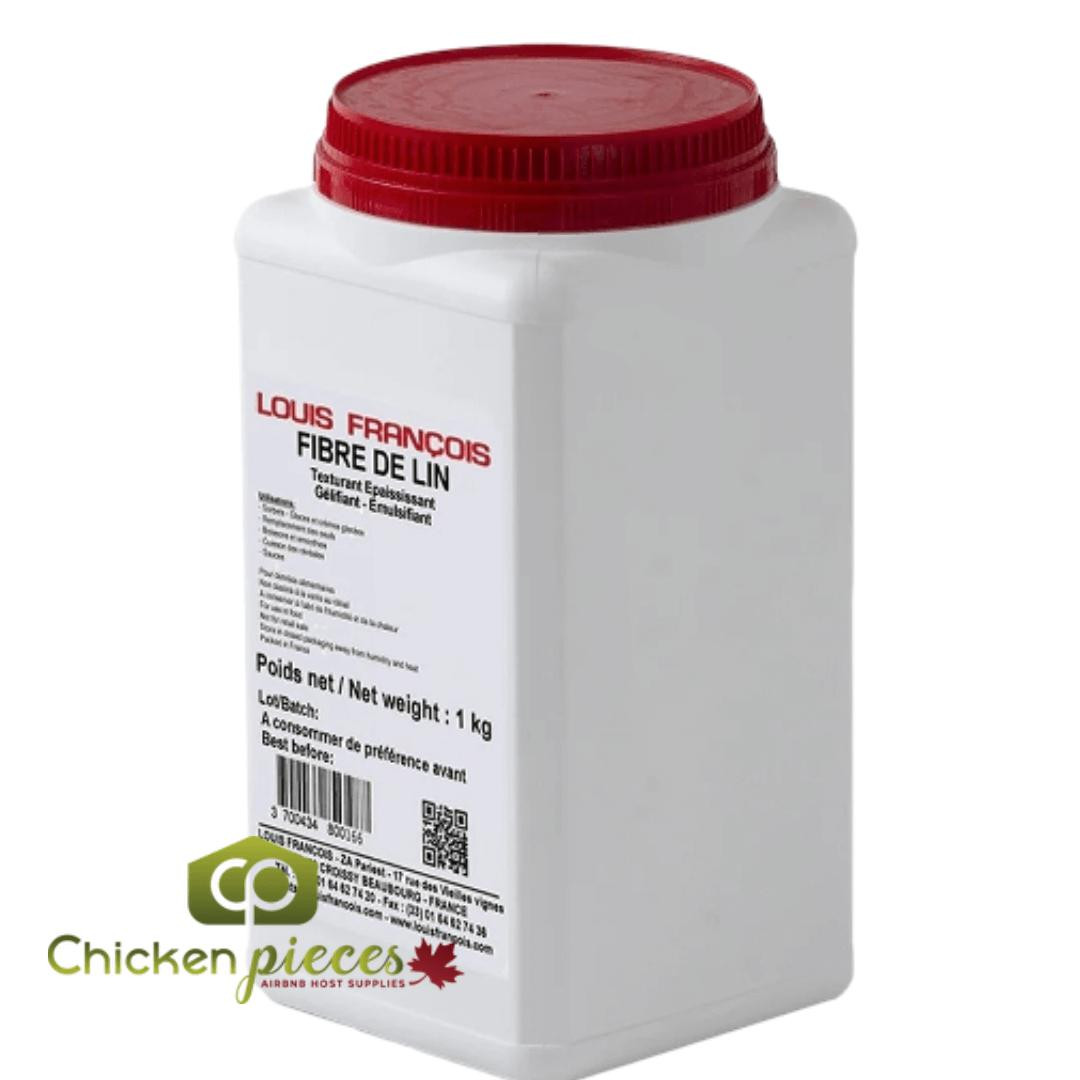
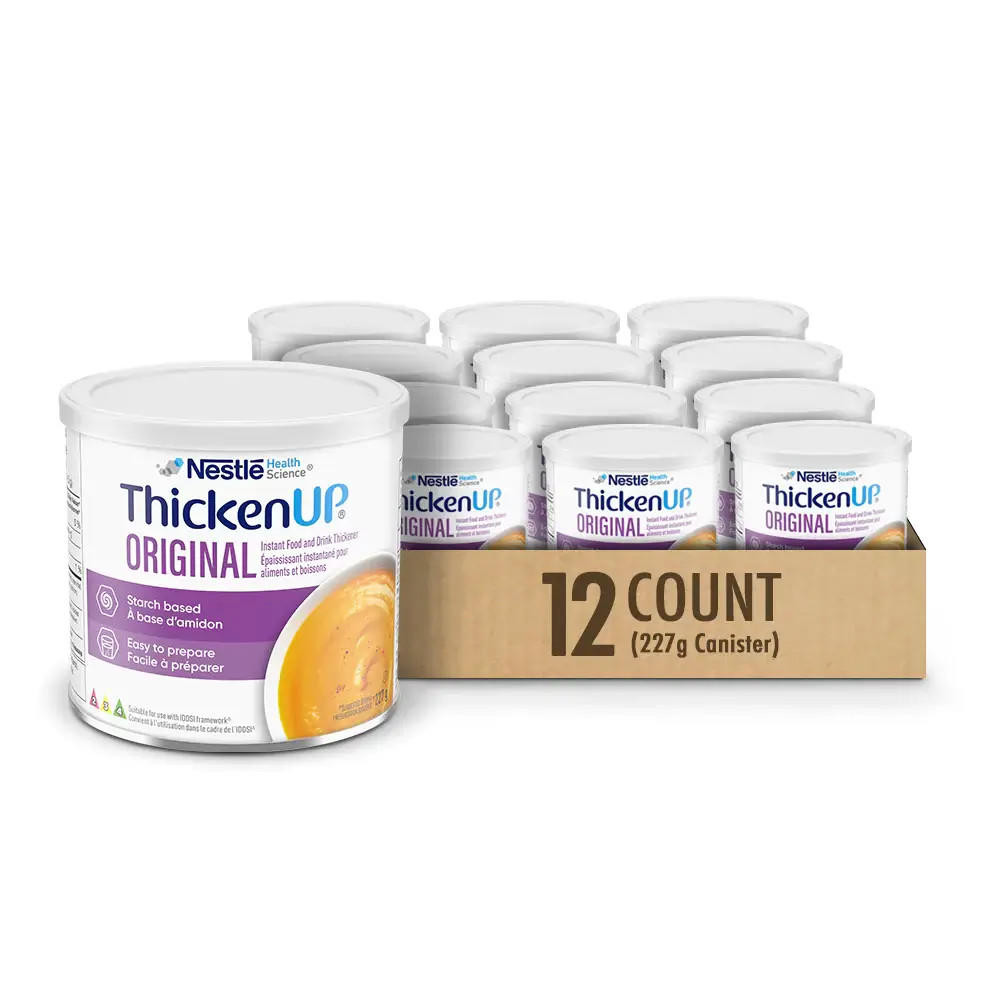
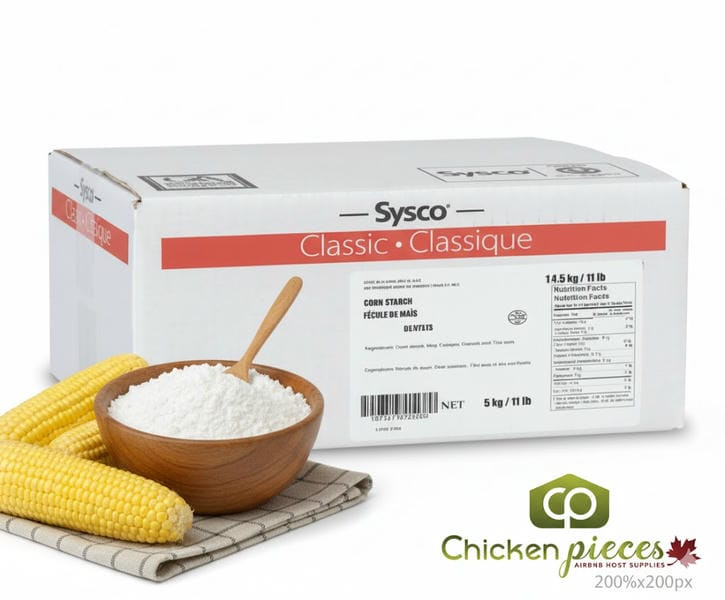
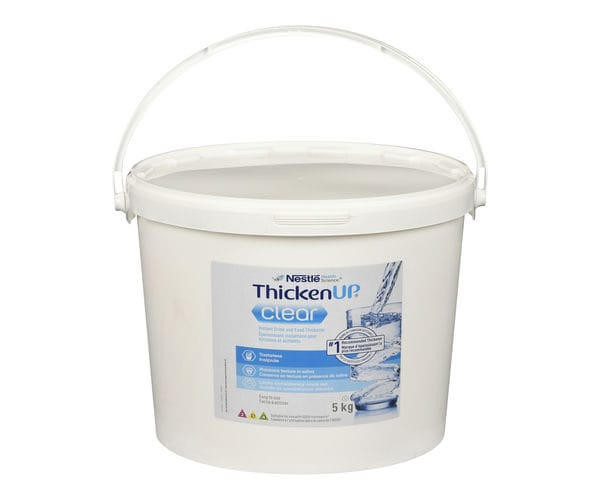
Featured Thickening Products
Explore our range of bulk and unit-sized thickeners for care facilities.




People Also Ask
Real questions buyers search before they order — answered straight.
What is the healthiest thickening agent?
There is no single healthiest option — the right agent depends on the person, but gum-based thickeners are often favoured because they need less powder, stay stable, and do not thin out over time. Starch-based thickeners are inexpensive and familiar, though they can keep thickening as they sit and add more bulk. A dietitian's guidance and the resident's tolerance matter more than any label claim.
Can a thickener cause constipation?
It can be a factor — some thickeners, and reduced overall fluid intake when drinks are less appealing, are linked to constipation in care settings. Keeping fluids at the correct level so people actually drink them, plus dietitian input on fibre, helps manage the risk. If a resident becomes constipated, review both the thickener and how much they are drinking.
Can a thickener cause diarrhea or an upset stomach?
Occasionally — a change of thickener, too much powder, or an individual sensitivity to gum-based products can unsettle digestion for some people. Mixing to the correct level and introducing a new product gradually reduces the chance. Persistent symptoms are worth flagging to a dietitian, as the agent type can sometimes be adjusted.
What liquids cannot be thickened?
Most everyday drinks thicken well, but some fizzy, very hot, very acidic, or high-alcohol liquids can resist thickening or behave unpredictably. Certain thickeners also react differently in milk versus juice, so the level can drift. Always test the finished drink rather than assuming the powder behaves the same in every liquid.
What makes a good liquid thickener?
A good thickener dissolves without lumps, reaches the target IDDSI level with as little powder as possible, and then holds that level instead of thinning or thickening as it sits. It should also leave the drink's taste and appearance close to normal, which helps people keep drinking. Clear labelling to the IDDSI levels rounds out a reliable product.
What are starch-based thickened liquids?
Starch-based thickened liquids use a starch powder — often corn-derived — to add body to a drink, and they have long been the traditional option in many kitchens. They are low cost and widely available, but they can keep thickening after mixing and may turn cloudy or pasty. This is why many facilities now compare them against gum-based thickeners before deciding what to stock.
What Canadian facility operators say
Read feedback from facility operators who trust our supply solutions.
We switched to gum thickeners for high-risk residents. The stability is much better than starch. Residents drink more because it looks clear. Staff mixing time dropped significantly too. Highly recommend for safety and efficiency.
Bulk corn starch works well for our general population. Cost effective and easy to store. We keep gum stock for specific clinical cases. Having both options available helps us meet all resident needs effectively every day.
Delivery from Calgary was fast and reliable. Product quality is consistent across orders. Customer service helped us choose the right mix. We appreciate the local support and competitive pricing for bulk purchases.
Thickener Selection FAQs: Frequently Asked Questions
The following operator questions are answered with cited sources. Every FAQ links to Health Canada, CFIA, Canada.ca, or another authoritative regulator.
What is the practical difference between a starch based thickener and a gum based thickener for thickened liquids?
Products referenced:
- Thick-It Original Food and Beverage Thickener
- Simply Thick Honey Consistency Gel
Source: Best thickener - r/dysphagia
Why does my thickened water go thinner if it sits on a cart for an hour?
Products referenced:
- Thick-It Original Food and Beverage Thickener
- Simply Thick Honey Consistency Gel
Source: TIL they add thickening agents to water to help people - r/todayilearned
Is there a thickener that works in both hot and cold drinks without changing the flavour?
Products referenced:
- Simply Thick Honey Consistency Gel
- Simply Thick Nectar Consistency Gel
Source: What do the homies think of thickened water - r/HydroHomies
Do thickened liquids really prevent aspiration pneumonia?
Products referenced:
- Simply Thick Honey Consistency Gel
- Thick-It Original Food and Beverage Thickener
Source: TIL about thick water, which is used to help people with difficulties swallowing - r/todayilearned
How do I mix a gum based thickener so it does not clump?
Products referenced:
- Simply Thick Honey Consistency Gel
- Thick-It Clear Food and Beverage Thickener
Source: The fine art of thickening a soda for a dysphagia patient - r/nursing
Are thickened beverages covered by any Canadian health plan or insurance?
Products referenced:
- Simply Thick Honey Consistency Gel
- Thick-It Original Food and Beverage Thickener
Source: Best thickener - r/dysphagia
How long does a thickened beverage stay at the correct consistency in a resident's cup?
Products referenced:
- Simply Thick Honey Consistency Gel
- Thick-It Clear Food and Beverage Thickener
Source: Best thickener - r/dysphagia
Can I thicken nutrition supplements like Ensure or Boost for dysphagia patients?
Products referenced:
- Ensure Plus Vanilla, Ready-to-Drink
- Simply Thick Honey Consistency Gel
Source: TIL they add thickening agents to water to help people - r/todayilearned
Related guides from ChickenPieces
Why Partner With ChickenPieces
We provide reliable supply solutions tailored to Canadian care facility needs.
Local Calgary Support
Fast delivery and personal assistance from our team. We understand the unique demands of care kitchens in western Canada.
Bulk Pricing Benefits
Competitive rates on large orders reduce your operational costs. Volume discounts make high-quality supplies affordable for every facility budget.
Consistent Product Quality
Sourced from trusted manufacturers ensuring reliability. Every batch meets strict standards for safety and performance in clinical settings.
Regulatory Compliance Focus
All products meet Health Canada and CFIA compliance standards. We ensure full documentation and traceability for your peace of mind.
Sources & further reading
- Comparison of NDD and IDDSI Levels for Thickened Drinks — PMC / National Library of Medicine
- Thickeners and thickened fluids — NHS Specialist Pharmacy Service
- Thickened fluids research — PMC / National Library of Medicine
Request A Quote Today
Contact us for custom pricing on bulk thickeners. Our team will help you find the right products for your facility needs.
Request a Quote