
2026 Jul 18th
Select Nitrile or Vinyl Gloves for Each Kitchen Station Role
Nitrile gloves offer superior puncture resistance and durability, making them ideal for dishwashing and heavy prep tasks. Vinyl gloves provide a cost-effective solution for short-duration tasks like serving or light assembly. Match the material to the specific task intensity to maximize protection while minimizing operational waste and ensuring consistent staff comfort across all kitchen stations.
Select Nitrile or Vinyl Gloves for Each Kitchen Station Role
This guide helps property managers and facility operators select the correct hand protection for every station. Proper glove choice reduces waste, ensures safety, and keeps your staff comfortable during long shifts without unnecessary spending.
Key Takeaways
Here are the key selection criteria for your team.
Match Material to Task
Select nitrile for high-risk areas like dish pits due to its strength. Use vinyl for brief, low-risk interactions such as buffet service or quick food assembly tasks where maximum durability is not the primary concern.
Prioritize Comfort and Fit
Ill-fitting gloves reduce dexterity and increase breakage risk. Ensure your inventory includes multiple sizes to accommodate all staff members. Proper fit enhances tactile sensitivity, allowing workers to handle delicate items with greater precision and control.
Consider Chemical Resistance
Nitrile resists oils and harsh cleaning agents better than vinyl. For stations involving degreasers or heavy detergents, nitrile provides a reliable barrier. Vinyl may degrade faster when exposed to strong chemicals, leading to more frequent changes.
Reduce Latex Allergy Risks
Both materials are latex-free, eliminating a common workplace allergen. This protects sensitive staff members from skin irritation and respiratory issues. Switching to synthetic options creates a safer environment for everyone in your facility operations.
Optimize Inventory Levels
Stock bulk cases for high-use stations like dishwashing to minimize ordering frequency. Keep smaller packs accessible for front-of-house staff who need immediate access. Regular audits prevent shortages during peak service periods and maintain workflow continuity.
Plan for Durability Needs
Heavy-duty nitrile lasts longer in abrasive environments, reducing change frequency. Thinner vinyl gloves are sufficient for quick tasks but require more frequent replacement. Balance longevity with cost to find the most efficient option for each specific station.
Understanding Glove Materials for Kitchen Safety
Selecting the right hand protection starts with understanding material differences and their impact on daily operations.
Hand protection is vital in any commercial kitchen environment. The right glove prevents cross-contamination and protects staff from harsh chemicals. Nitrile and vinyl are the two primary options available today. Each material offers distinct advantages depending on the specific task at hand. Understanding these differences helps you make informed purchasing decisions that benefit both safety and budget.
Nitrile is a synthetic rubber known for its strength. It resists punctures, tears, and chemical exposure better than many alternatives. This makes it suitable for heavy-duty tasks like dishwashing or cleaning. Vinyl, made from polyvinyl chloride, is thinner and more flexible. It works well for short-duration tasks where high durability is not required. Choosing wisely reduces waste and improves efficiency.
Your kitchen has multiple stations with varying risk levels. Prep areas involve raw ingredients and potential allergens. The dish pit exposes hands to hot water and strong detergents. Front-of-house interactions require a clean, professional appearance. Matching the glove type to each station ensures optimal performance. This targeted approach enhances overall hygiene standards without overspending on unnecessary features.
Nitrile Excellence for Food Preparation Tasks
Prep stations demand high dexterity and reliable barrier protection against biological contaminants.
Food preparation requires precise movements and tactile sensitivity. Staff must handle vegetables, meats, and other ingredients safely. Nitrile gloves provide excellent fit and flexibility without sacrificing strength. They conform closely to the hand, allowing for better control. This is key when chopping, mixing, or assembling complex dishes. The material resists tearing even during vigorous preparation activities.
Durability is key in prep areas where sharp tools are common. Knives, peelers, and graters can easily puncture weaker materials. Nitrile offers superior resistance to these hazards compared to vinyl. This reduces the frequency of glove changes and interruptions. Staff can focus on their tasks without worrying about accidental rips. Reliable protection boosts confidence and productivity in busy kitchens.
Allergen control is another critical factor in prep stations. Cross-contact between allergenic and non-allergenic foods must be prevented. Nitrile gloves create a secure barrier against protein transfer. They do not degrade easily when exposed to oils or acids. This stability ensures consistent protection throughout the shift. Proper glove selection directly supports food safety compliance and guest trust.
Heat and Oil Resistance on the Line
Line cooks face high heat and frequent oil exposure, requiring strong hand protection.
The line cook environment is intense and busy. Hands are frequently exposed to steam, grease, and splatters. Nitrile gloves withstand these conditions better than vinyl alternatives. They resist degradation from oils and fats commonly used in cooking. This durability ensures the barrier remains intact during prolonged shifts. Staff feel secure knowing their hands are protected.
Flexibility is essential for plating and garnishing tasks. Cooks need to handle delicate items with care. Nitrile provides a snug fit that enhances manual dexterity. Unlike bulky options, thin nitrile gloves allow for precise movements. This is vital when arranging components on plates. The combination of strength and flexibility supports high-quality presentation standards.
Consistency in protection matters during peak service times. Gloves must perform reliably under pressure without failing. Nitrile maintains its integrity even after repeated washing or exposure to moisture. This reliability reduces the need for frequent replacements. It also minimizes downtime associated with changing gloves. Efficient hand protection keeps the line moving smoothly.
Heavy-Duty Protection for Dishwashing Duties
Dish pits involve harsh chemicals and abrasive surfaces, demanding maximum durability.
Dishwashing is arguably the most demanding kitchen task. Hands are submerged in hot water and strong detergents. These conditions quickly degrade weaker materials like vinyl. Nitrile gloves offer exceptional resistance to chemical exposure. They protect skin from irritation and damage caused by cleaning solutions. This durability makes them the preferred choice for dish pit stations.
Abrasion resistance is another critical feature for this area. Pots, pans, and utensils can be rough on glove surfaces. Heavy-duty nitrile withstands friction better than thinner options. This longevity reduces the frequency of glove changes. Staff spend less time replacing gloves and more time cleaning. Efficient protection supports faster turnaround times in the dish pit.
Comfort during long shifts cannot be overlooked. Dishwashers often wear gloves for extended periods. Nitrile provides a comfortable fit that does not restrict movement. Its flexibility allows for easy handling of various items. This comfort encourages proper usage and compliance with safety protocols. Investing in quality gloves improves job satisfaction and retention.
Vinyl Suitability for Front of House Roles
Front-of-house staff need clean, professional gloves for brief customer interactions.
Front-of-house tasks involve serving food and handling cash. These activities require minimal protection but maximum cleanliness. Vinyl gloves offer a cost-effective solution for short-duration use. They provide adequate barrier protection against common contaminants. Their thin profile allows for easy donning and doffing. This convenience supports efficient service during busy periods.
Aesthetic appeal matters in customer-facing roles. Gloves should look professional and neat. Vinyl options often come in clear or neutral colors. They blend well with uniforms and maintain a polished image. Staff feel confident interacting with guests while wearing them. Proper presentation enhances the overall dining experience.
Cost efficiency is a significant advantage here. Since vinyl gloves are used briefly, spending less per unit makes sense. Bulk purchasing reduces operational expenses without compromising safety. This economic benefit allows facilities to allocate resources elsewhere. Smart material selection balances budget constraints with hygiene requirements effectively.
Managing Stock Levels for Peak Efficiency
Effective inventory management ensures you always have the right gloves on hand.
Running out of gloves disrupts kitchen operations significantly. Staff cannot perform duties safely without proper hand protection. Regular monitoring of inventory levels prevents such issues. Establish par levels for each glove type based on usage data. This proactive approach ensures continuous availability during peak seasons. Consistent stock supports uninterrupted workflow and safety compliance.
Storage conditions affect glove shelf life and performance. Keep gloves in cool, dry places away from direct sunlight. Heat and humidity can degrade materials over time. Proper storage preserves integrity and extends usability. Organize stock by type and size for easy access. Efficient organization saves time during restocking and daily use.
Supplier relationships play a role in inventory stability. Reliable vendors ensure timely delivery and consistent quality. Building strong partnerships helps mitigate supply chain risks. Diversify suppliers if possible to avoid dependency issues. Secure your supply chain to guarantee uninterrupted operations. Trustworthy partners support long-term facility management success.
Comparing Glove Features for Kitchen Stations
Review these key attributes to determine the best fit for each role.
| Feature | Nitrile Gloves | Vinyl Gloves | Best Use Case |
|---|---|---|---|
| Material Composition | Synthetic Rubber | Polyvinyl Chloride | General Protection |
| Puncture Resistance | High | Low | Heavy Duty Tasks |
| Chemical Resistance | Excellent | Fair | Cleaning Agents |
| Flexibility | Good | Very Good | Fine Motor Skills |
| Durability | Long Lasting | Short Term | Shift Length |
| Cost Efficiency | Higher Initial Cost | Lower Initial Cost | Budget Management |
| Allergy Safety | Latex Free | Latex Free | Staff Health |
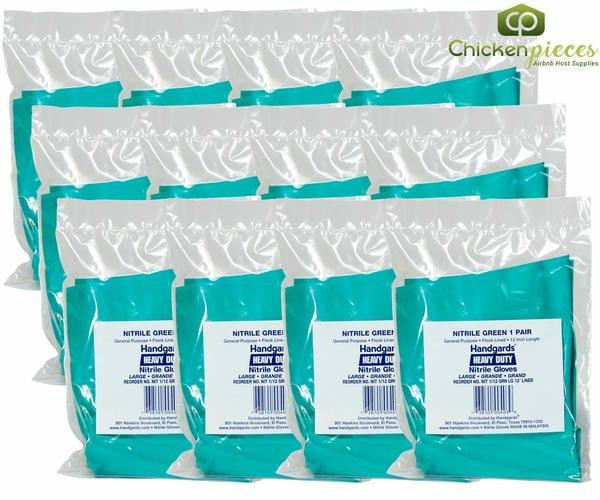
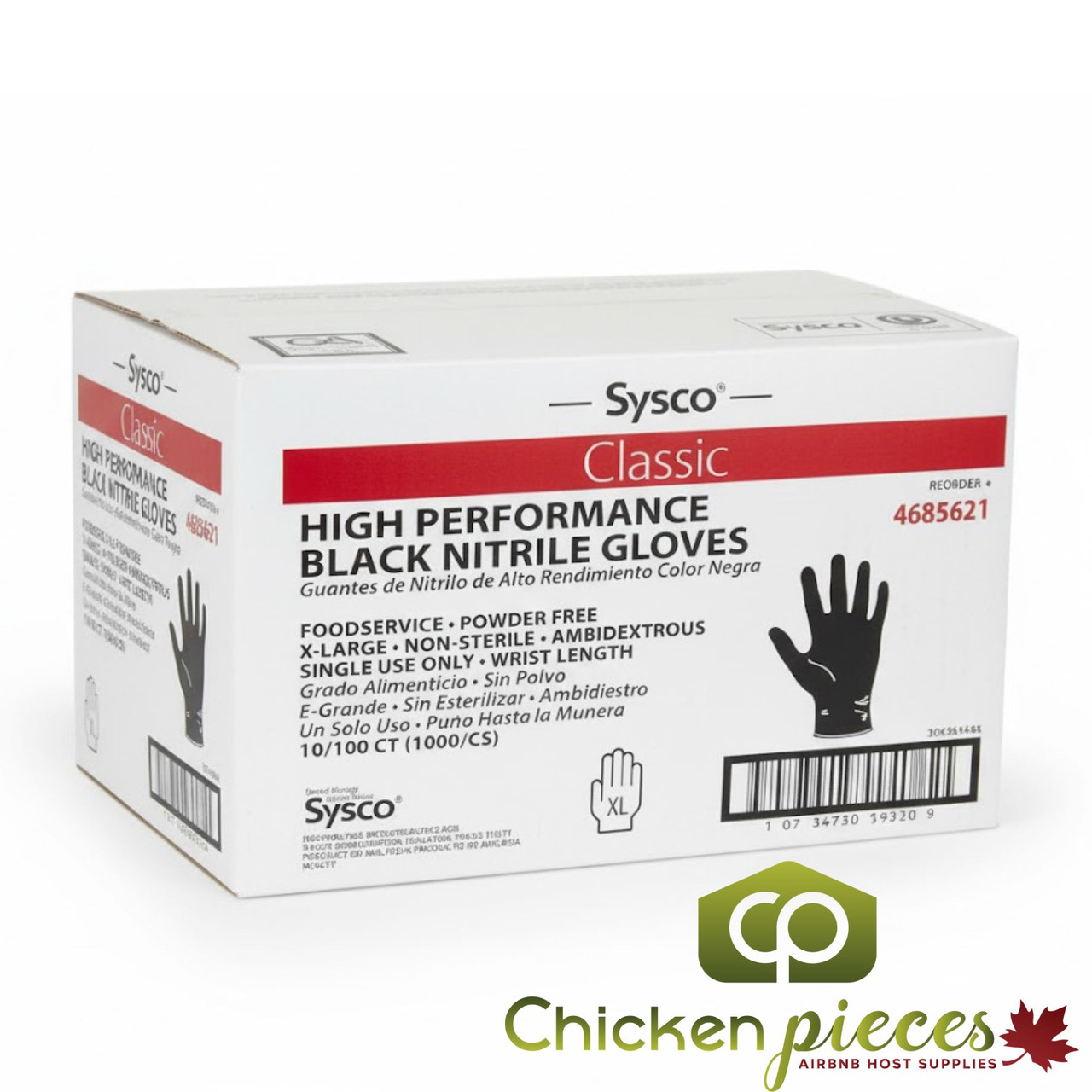
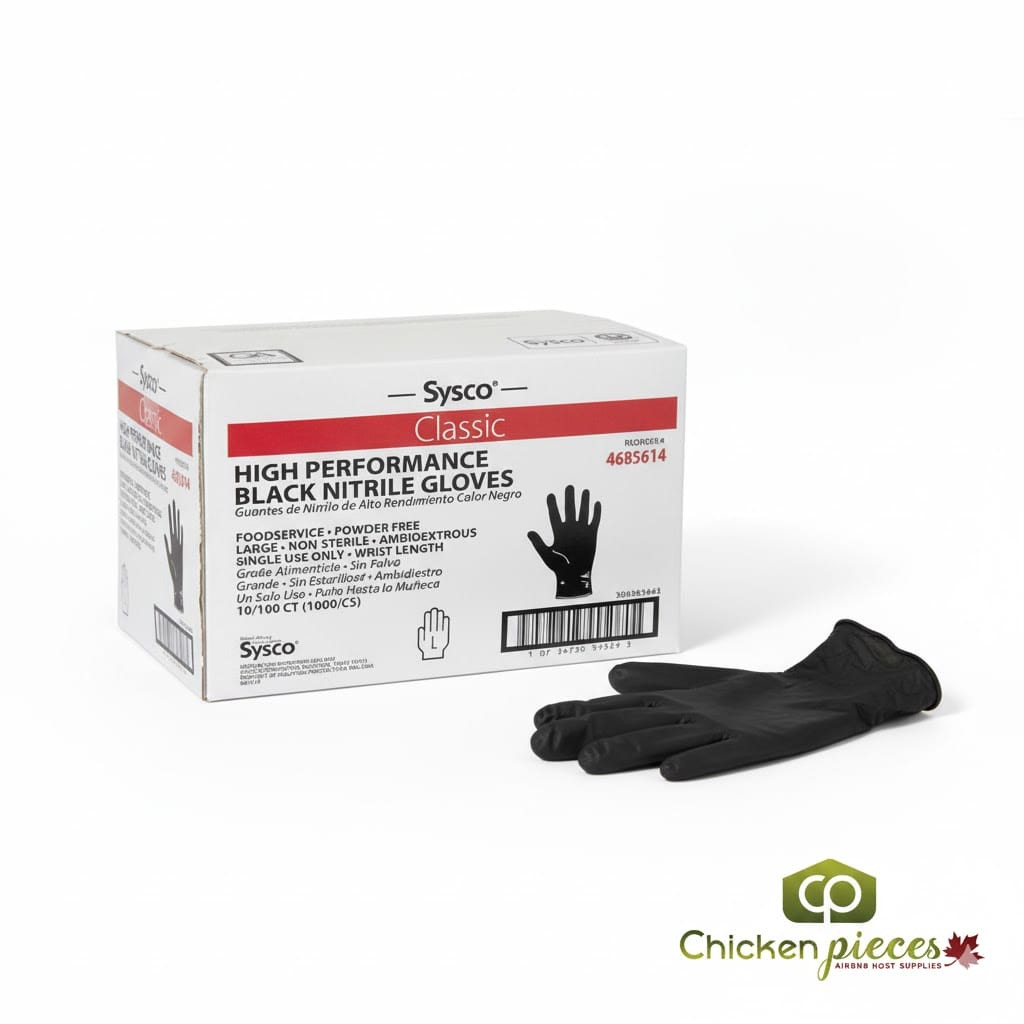
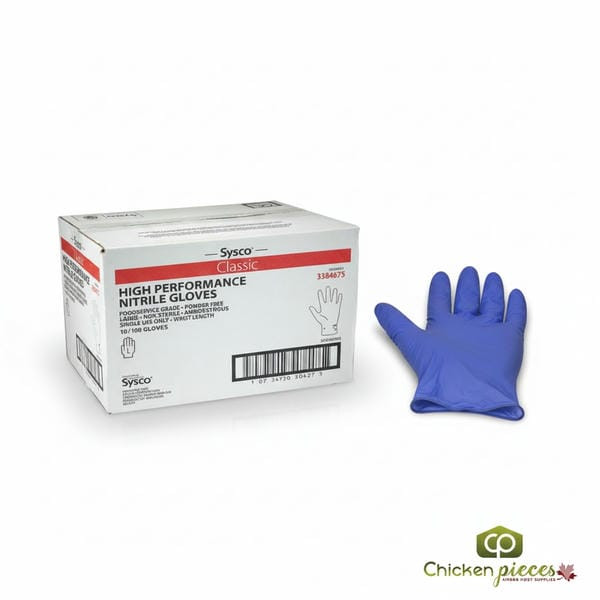
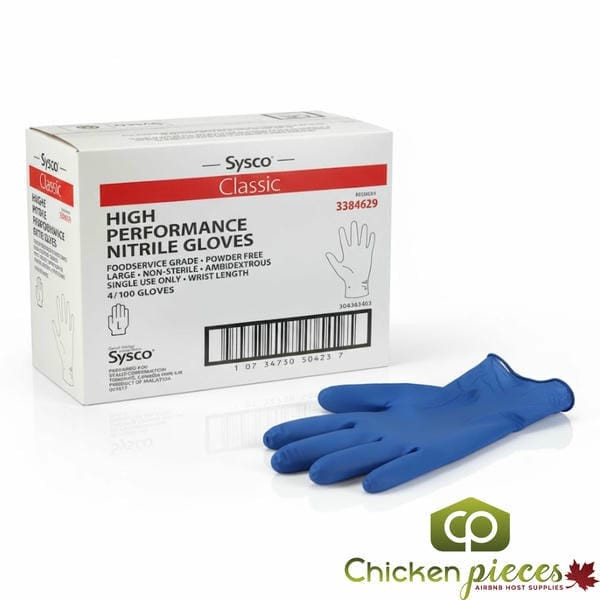
Browse Our Complete Glove Collection
Explore our wide range of hand protection options tailored for various operational needs.
People Also Ask
Real questions buyers search before they order — answered straight.
What are nitrile gloves actually made of?
Nitrile gloves are made from a synthetic rubber (acrylonitrile-butadiene) with no natural latex proteins, which is what gives them strong puncture and chemical resistance while staying latex-free. Vinyl gloves, by contrast, are made from PVC and are thinner and less durable. That difference is why nitrile is the usual choice for busier prep and dish stations.
Are nitrile gloves chemical resistant enough for a prep or dish station?
Nitrile stands up well to many oils, greases, and common cleaning products, which makes it a reliable pick at prep and dish stations. It resists breakdown far better than vinyl, though no disposable glove is meant for prolonged soaking in strong solvents. For heavy chemical work, check the glove's rating and switch to a dedicated heavy-duty option if needed.
Are nitrile gloves heat resistant for work near the line or grill?
Thin disposable nitrile offers only limited heat protection and will not shield hands from hot pans, trays, or oil. It is fine for handling warm items briefly, but any real heat work needs proper heat-resistant mitts or gloves. Treat disposables as a hygiene barrier, not a burn barrier.
Does colour-coding gloves by station help with food safety?
Yes — using a set glove colour for each area (say, one colour for raw prep and another for ready-to-eat or cleaning) makes it obvious at a glance if someone crosses zones. It is a simple, visual way to cut cross-contamination and reinforce your food-safety plan. Many kitchens pair this with colour-coded boards and cloths for the same reason.
When should you not use nitrile gloves in a kitchen?
Skip disposable nitrile for tasks with real heat, heavy cutting, or prolonged contact with strong solvents — those need purpose-made protective gloves. They are also not a substitute for handwashing, so hands must still be washed before gloving up. Match the glove to the hazard rather than defaulting to disposables for everything.
What glove thickness suits different kitchen stations?
Thickness is measured in mil, with heavier gloves giving more durability and thinner ones giving more dexterity. Light everyday prep and service suit a thinner glove, while dishwashing, cleaning, and rougher handling call for a thicker, more tear-resistant one. Stocking two thicknesses lets each station use what fits its work best.
What Canadian facility operators say
Hear from other professionals who trust our supply solutions.
Switching to nitrile for our dish pit reduced glove changes significantly. The durability is impressive and staff report much better comfort during long shifts. Highly recommend for any facility dealing with heavy cleaning duties.
Vinyl gloves are perfect for our buffet service. They are cost-effective and look professional. Guests appreciate the clean presentation, and we save resources by using them only for short interactions. Great value.
The variety of sizes available helped us accommodate all our staff comfortably. Proper fit has improved dexterity and reduced waste from improper usage. Excellent product range for diverse kitchen needs.
Glove Selection Basics: Frequently Asked Questions
The following operator questions are answered with cited sources. Every FAQ links to Health Canada, CFIA, Canada.ca, or another authoritative regulator.
Should I use nitrile or vinyl gloves in a commercial kitchen?
Products referenced:
- Nitrile Gloves, 4 Mil, Powder-Free, Food Service, Box of 100
- Vinyl Gloves, 2 Mil, Disposable, Food Service, Box of 100
What mil thickness should kitchen gloves be for different stations?
Products referenced:
- Nitrile Gloves, 4 Mil, Powder-Free, Food Service, Box of 100
- Nitrile Gloves, 6 Mil, Heavy-Duty, Food Service, Box of 100
- Vinyl Gloves, 2 Mil, Disposable, Food Service, Box of 100
Source: Disposable gloves for handling meat? - r/cookingforbeginners
Are black nitrile gloves better than blue for food prep?
Products referenced:
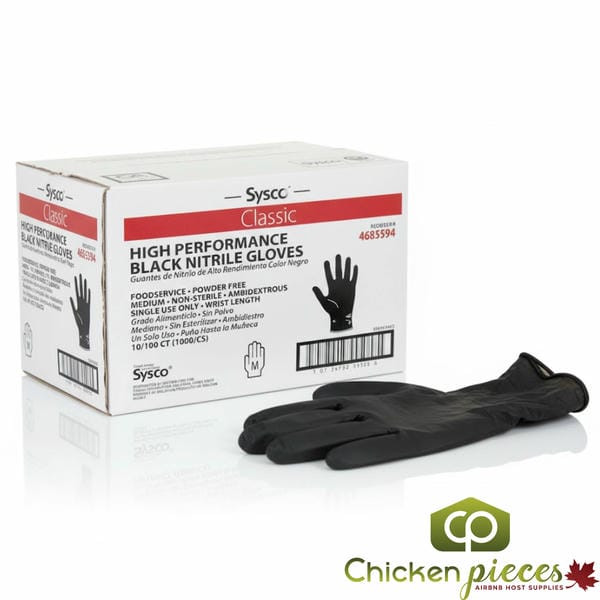
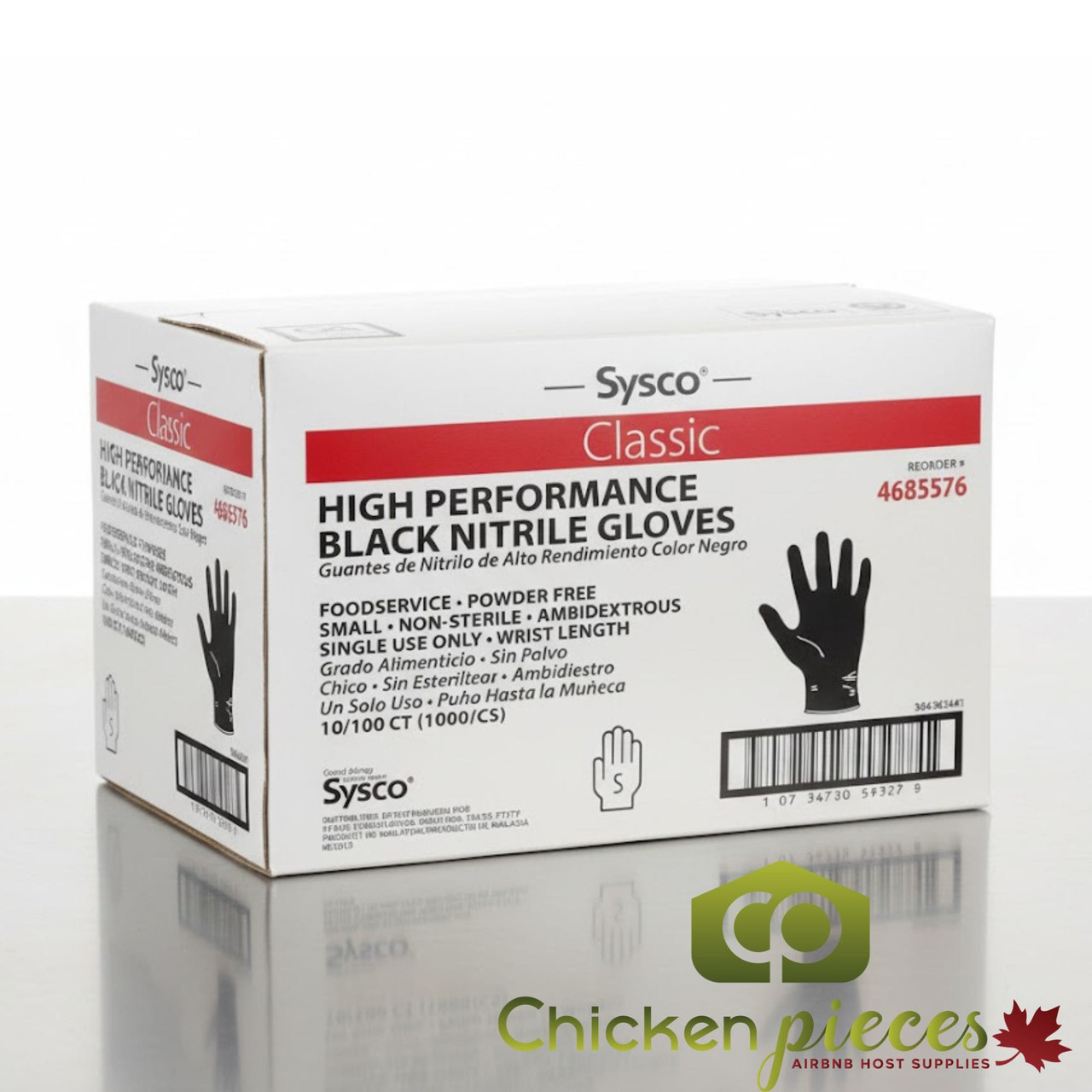
- Nitrile Gloves, Black, 4 Mil, Food Service, Box of 100
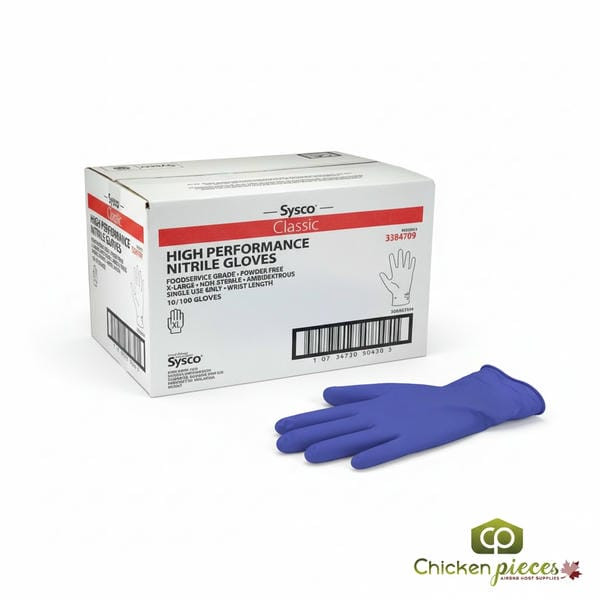
- Nitrile Gloves, Blue, 4 Mil, Powder-Free, Food Service, Box of 100
Source: Are the black food-prep gloves mostly for aesthetics? - r/Cooking
Can vinyl gloves be used for handling raw meat in a restaurant?
Products referenced:
- Nitrile Gloves, 4 Mil, Powder-Free, Food Service, Box of 100
- Vinyl Gloves, 2 Mil, Disposable, Food Service, Box of 100
Source: Are nitrile gloves ServSafe approved? - r/KitchenConfidential
What gloves should a deli counter use for food prep?
Products referenced:
- Nitrile Gloves, 4 Mil, Powder-Free, Food Service, Box of 100
- Poly Gloves, 1 Mil, Disposable, Food Service, Box of 100
Source: What are some good disposable gloves for handling around me? - r/Cooking
What is the cost difference between nitrile and vinyl gloves per box?
Products referenced:
- Nitrile Gloves, 4 Mil, Powder-Free, Food Service, Case of 1,000
- Vinyl Gloves, 2 Mil, Disposable, Food Service, Case of 1,000
Source: Nitrile vs vinyl gloves: best guide for food and medical
Which kitchen stations need nitrile vs vinyl gloves?
Products referenced:
- Nitrile Gloves, 4 Mil, Powder-Free, Food Service, Box of 100
- Vinyl Gloves, 2 Mil, Disposable, Food Service, Box of 100
- Poly Gloves, 1 Mil, Disposable, Food Service, Box of 100
Are nitrile gloves heat resistant for kitchen use?
Products referenced:
- Nitrile Gloves, 4 Mil, Powder-Free, Food Service, Box of 100
- Heat-Resistant Gloves, Silicone, Commercial Kitchen
Related guides from ChickenPieces
Why Partner With ChickenPieces
We provide reliable supply solutions tailored for Canadian facilities.
Local Calgary Support
Based in Calgary, we understand regional needs. Our local team offers personalized assistance and quick response times. This proximity ensures efficient service and strong communication throughout your partnership.
Wide Product Range
We stock diverse hand protection options for every station. From heavy-duty nitrile to cost-effective vinyl, we cover all bases. Find exactly what you need in one convenient location.
Competitive Pricing Structure
Our bulk pricing models help reduce operational costs significantly. We work with you to find the most economical solutions without sacrificing quality. Smart purchasing decisions enhance your bottom line.
Regulatory Compliance Focus
All products meet Health Canada and CFIA compliance standards. This ensures your operations adhere to strict safety regulations. Trust us for certified materials that protect your staff and guests effectively.
Sources & further reading
- ASTM D7329 Standard for Food-Handling Gloves — ASTM International
- Food safety — Health Canada
Request Your Custom Quote Today
Contact our team to discuss your specific glove requirements. We will provide a tailored quote that fits your operational needs and budget constraints.
Request a QuoteReferences: Health Canada - PPE Standards FDA - Medical Glove Guidance.