

2026 Jul 12th
Nitrile Versus Vinyl Gloves for Efficient Cleaning
Nitrile gloves offer superior puncture resistance and chemical compatibility for heavy cleaning tasks, making them ideal for tough disinfectants. Vinyl gloves provide adequate protection for low-risk, dry handling tasks at a lower cost. Select nitrile for durability and vinyl for brief, light-duty interactions to balance performance with budget constraints effectively.
Nitrile Versus Vinyl Gloves for Efficient Cleaning Turnovers in Facilities
Property managers and hosts need reliable protection during high-volume turnovers. Choosing the correct glove material reduces waste costs and improves staff comfort while maintaining strict hygiene protocols across all units.
Key Takeaways
Key points to consider when selecting protective gear for your team include material strength, chemical resistance levels, and long-term cost efficiency for high-volume cleaning schedules.
Material Durability Matters
Nitrile resists tears and punctures better than vinyl. This durability ensures fewer changes during intensive scrubbing or debris removal tasks, saving time and material costs for your facility management team.
Chemical Resistance Levels
Harsh disinfectants degrade vinyl quickly. Nitrile withstands bleach and industrial cleaners without breaking down. Choosing the right material prevents skin exposure to hazardous substances during routine deep cleaning cycles in commercial spaces.
Fit and Comfort
Proper fit reduces hand fatigue. Powder-free options improve grip on wet surfaces. Staff comfort directly impacts productivity rates during long shifts, ensuring thorough cleaning standards are met consistently across every property unit managed.
Allergen Safety Protocols
Latex allergies require careful selection. Both nitrile and vinyl are latex-free alternatives. Ensuring your inventory supports diverse staff needs prevents health issues and maintains a safe working environment for all employees on site.
Cost Per Use
Vinyl costs less per pair initially. However, frequent replacements due to tears increase total spend. Nitrile offers better value through longevity. Analyze usage patterns to determine the most economical choice for your specific cleaning requirements.
Environmental Impact
Disposal practices affect waste volume. Durable gloves generate less trash per shift. Consider local recycling options or bulk purchasing strategies to minimize environmental footprint while maintaining high hygiene standards in your operational facilities daily.
Understanding Nitrile Versus Vinyl Composition
The chemical structure of each material dictates its performance under stress and exposure to various cleaning agents commonly used in facilities.
Nitrile is a synthetic rubber blend. It offers exceptional resistance to oils, greases, and many chemicals. This makes it the preferred choice for handling harsh disinfectants and degreasers. The material stretches well, providing a snug fit that enhances tactile sensitivity. Staff can feel objects clearly through the gloves, improving efficiency during detailed cleaning tasks.
Vinyl is made from polyvinyl chloride. It is less elastic than nitrile but provides adequate protection for short-duration tasks. Vinyl gloves are often chosen for dry handling or light food service prep where chemical exposure is minimal. They offer a cost-effective solution for high-turnover environments that require frequent glove changes throughout the day.
Both materials are latex-free, addressing common allergy concerns. However, nitrile generally provides superior barrier protection against viruses and bacteria due to its tighter molecular structure. Understanding these differences helps facility managers allocate resources wisely. Selecting the right glove type ensures staff safety without compromising operational speed or budget constraints.
Assessing Tear and Puncture Resistance
Physical strength determines how long gloves last during rigorous cleaning activities involving sharp objects, rough surfaces, or heavy lifting.
Nitrile excels in puncture resistance tests. Its dense construction withstands contact with sharp edges, broken glass, or rough hardware often encountered during turnovers. This durability reduces the frequency of glove changes, allowing staff to focus on thorough cleaning rather than frequent replacements throughout their shift.
Vinyl has lower tear strength compared to nitrile. It is more susceptible to rips when handling abrasive materials or tools with sharp points. While suitable for gentle tasks, vinyl may fail prematurely during heavy-duty cleaning. Recognizing these limits prevents accidental exposure and maintains consistent hygiene standards across properties.
Testing involves simulating real-world conditions. Facilities should evaluate glove performance against specific tasks they perform daily. If your team handles rough debris or sharp utensils frequently, nitrile is the safer option. For light dusting or sorting dry items, vinyl may suffice. Tailoring choices to actual usage patterns optimizes both safety and expenditure.
Compatibility With Cleaning Agents
Different disinfectants interact uniquely with glove materials. Understanding these interactions prevents degradation that could expose skin to harmful substances.
Bleach and ammonia are common in facility maintenance. These strong oxidizers can degrade vinyl quickly, compromising its protective barrier. Nitrile maintains integrity longer when exposed to such substances. Using nitrile for tasks involving these chemicals ensures continuous protection for staff hands during deep cleaning procedures.
Alcohol-based sanitizers also affect glove longevity. While both materials resist alcohol to some extent, prolonged exposure can weaken vinyl. Nitrile offers better resistance, allowing extended use without significant loss of flexibility or barrier function. This is essential for rapid turnover schedules where efficiency matters.
Oil and grease pose another challenge. Vinyl breaks down upon contact with petroleum-based products. Nitrile resists these substances effectively, making it ideal for kitchen deep cleans or mechanical room maintenance. Choosing the right glove prevents skin irritation and chemical burns, promoting a safer work environment.
Fit, Flexibility, And Staff Satisfaction
Comfortable gloves reduce fatigue and improve dexterity. A proper fit ensures staff can perform detailed tasks efficiently without discomfort or distraction.
Nitrile stretches naturally to conform to hand shape. This elasticity provides a secure fit that moves with the wearer. Enhanced dexterity allows for precise movements when handling small objects or cleaning intricate areas. Staff report less hand fatigue at the end of long shifts, improving overall job satisfaction.
Vinyl is stiffer and less flexible. It may feel restrictive during prolonged use. Poor fit can lead to reduced grip strength, increasing the risk of dropping items or ineffective cleaning. Ensuring staff are comfortable with their PPE encourages consistent usage and adherence to safety protocols.
Powder-free options reduce skin irritation and respiratory issues. Both nitrile and vinyl come in powder-free varieties. These options are safer for indoor environments and prevent residue buildup on surfaces. Prioritizing comfort leads to better compliance with glove-wearing policies among your cleaning teams.
Evaluating Total Cost Of Ownership
Initial price is only part of the equation. Consider replacement frequency, waste disposal, and productivity impacts when calculating true costs.
Vinyl appears cheaper upfront per box. However, its shorter lifespan means more frequent purchases. The cumulative cost of buying vinyl regularly can exceed that of durable nitrile. Facilities should analyze long-term spending patterns to make informed decisions about inventory management.
Nitrile requires fewer replacements per shift. This reduces waste volume and disposal costs. Fewer interruptions for glove changes also boost productivity. Staff spend more time cleaning and less time managing PPE. The efficiency gains often offset the higher initial price of nitrile gloves significantly.
Hidden costs include training and incident management. Poor-quality gloves lead to tears, requiring re-cleaning or medical attention. Investing in reliable nitrile minimizes these risks. A proactive approach to PPE selection protects both staff well-being and the facility's bottom line effectively.
Integrating Gloves Into Daily Routines
Successful adoption requires clear guidelines and proper storage. Establishing standard operating procedures ensures consistent usage across all staff members.
Define tasks for each glove type. Use nitrile for heavy cleaning and vinyl for light duties. Clear instructions prevent misuse and conserve resources. Training sessions should cover when to switch gloves based on task requirements and chemical exposure levels encountered during shifts.
Monitor compliance regularly. Supervisors should check that staff are wearing appropriate PPE. Address any resistance or confusion promptly. Consistent usage reinforces safety culture and ensures high hygiene standards are maintained throughout every property under management.
Gather feedback from your team. Staff insights reveal practical issues with specific glove brands or types. Adjust purchasing based on real-world performance data. Continuous improvement in PPE selection enhances staff morale and operational efficiency over time.
Comparative Analysis of Glove Materials
Review key attributes to determine the best fit for your specific cleaning tasks and budget constraints.
| Attribute | Nitrile Gloves | Vinyl Gloves | Recommendation |
|---|---|---|---|
| Puncture Resistance | High | Low | Choose Nitrile |
| Chemical Resistance | Excellent | Poor | Choose Nitrile |
| Elasticity | High | Low | Choose Nitrile |
| Initial Cost | Higher | Lower | Choose Vinyl |
| Durability | Long-lasting | Short-lived | Choose Nitrile |
| Latex-Free | Yes | Yes | Both Acceptable |
| Best For | Heavy Cleaning | Light Tasks | Task Dependent |
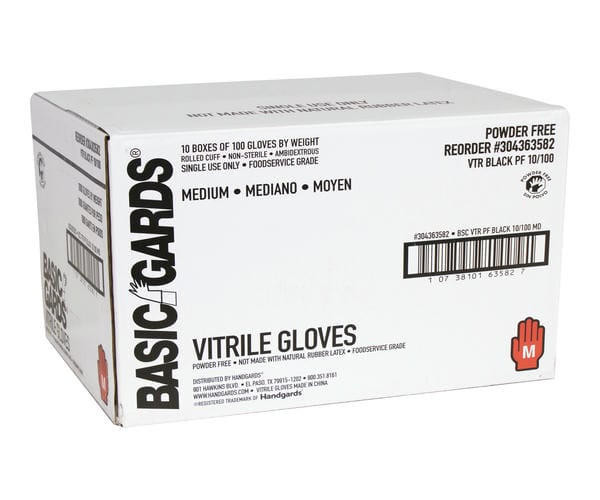
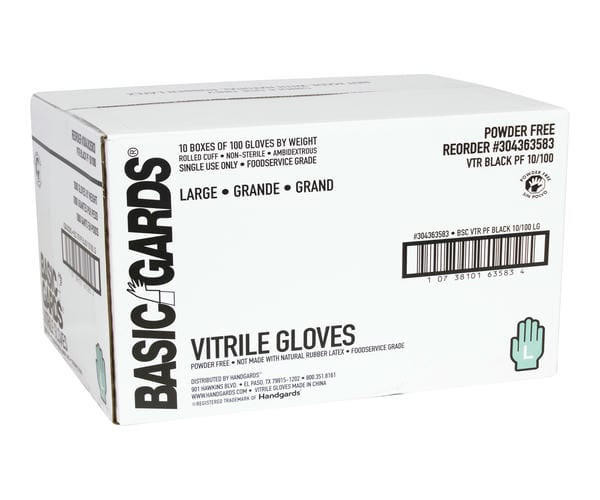
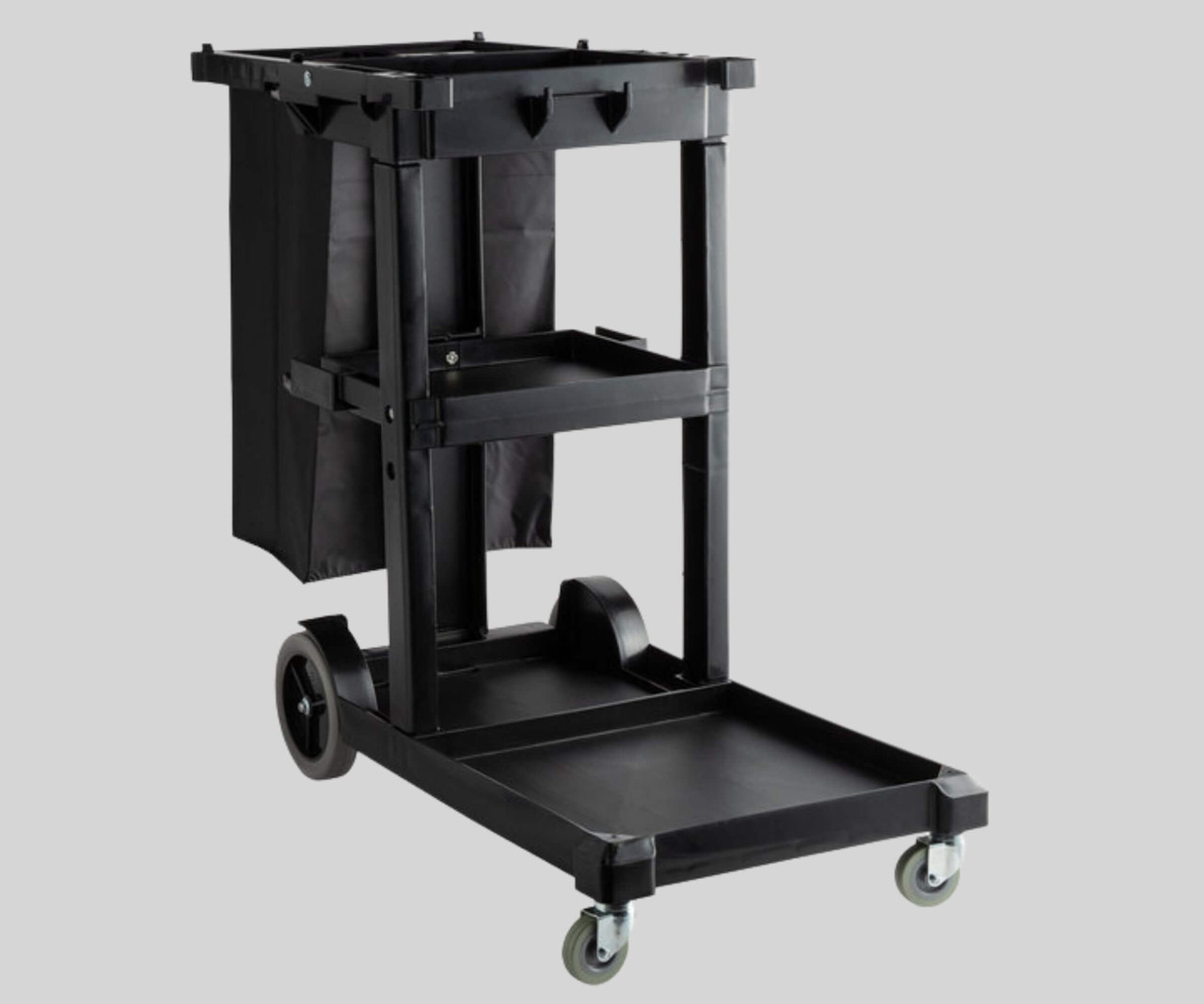
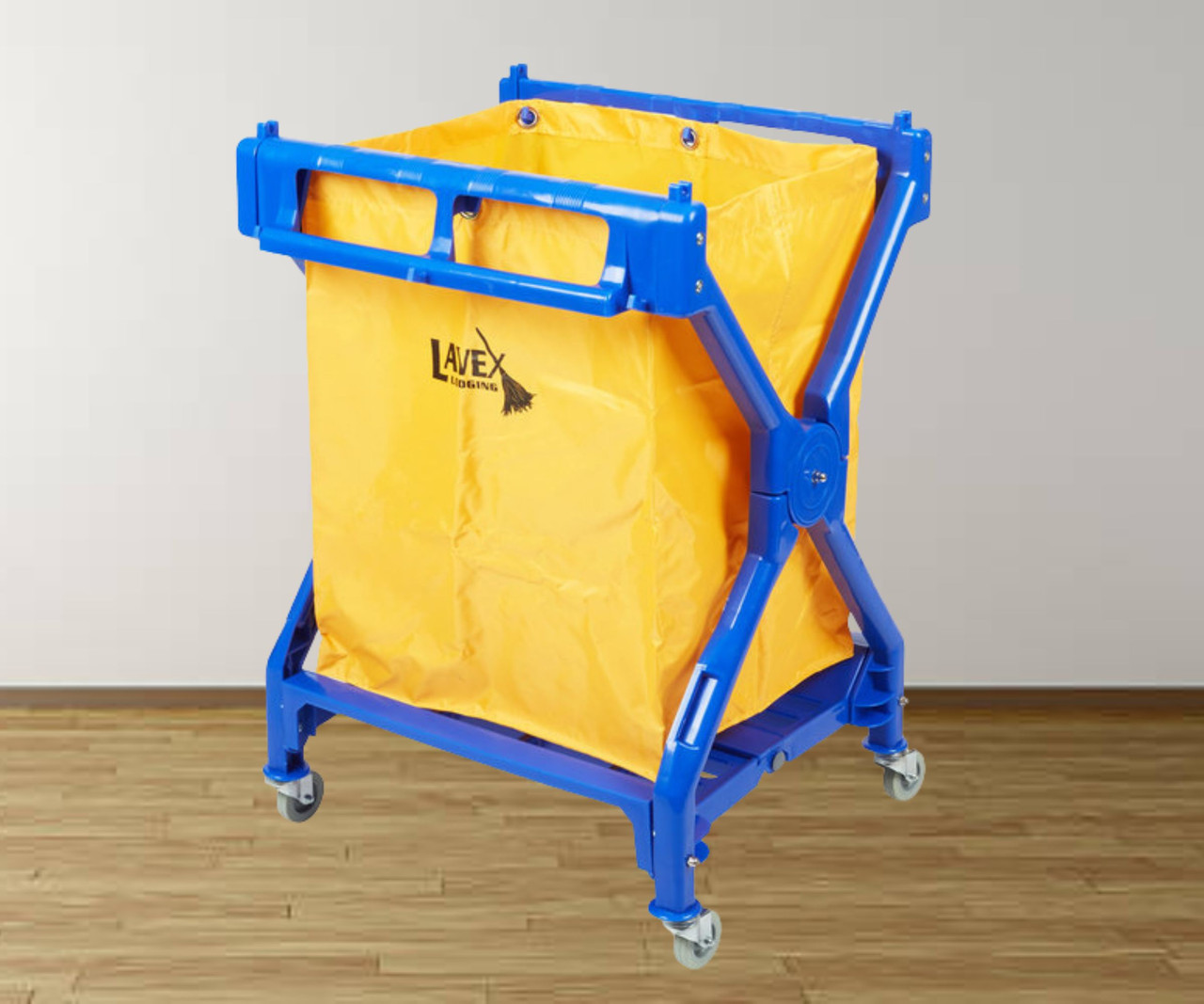
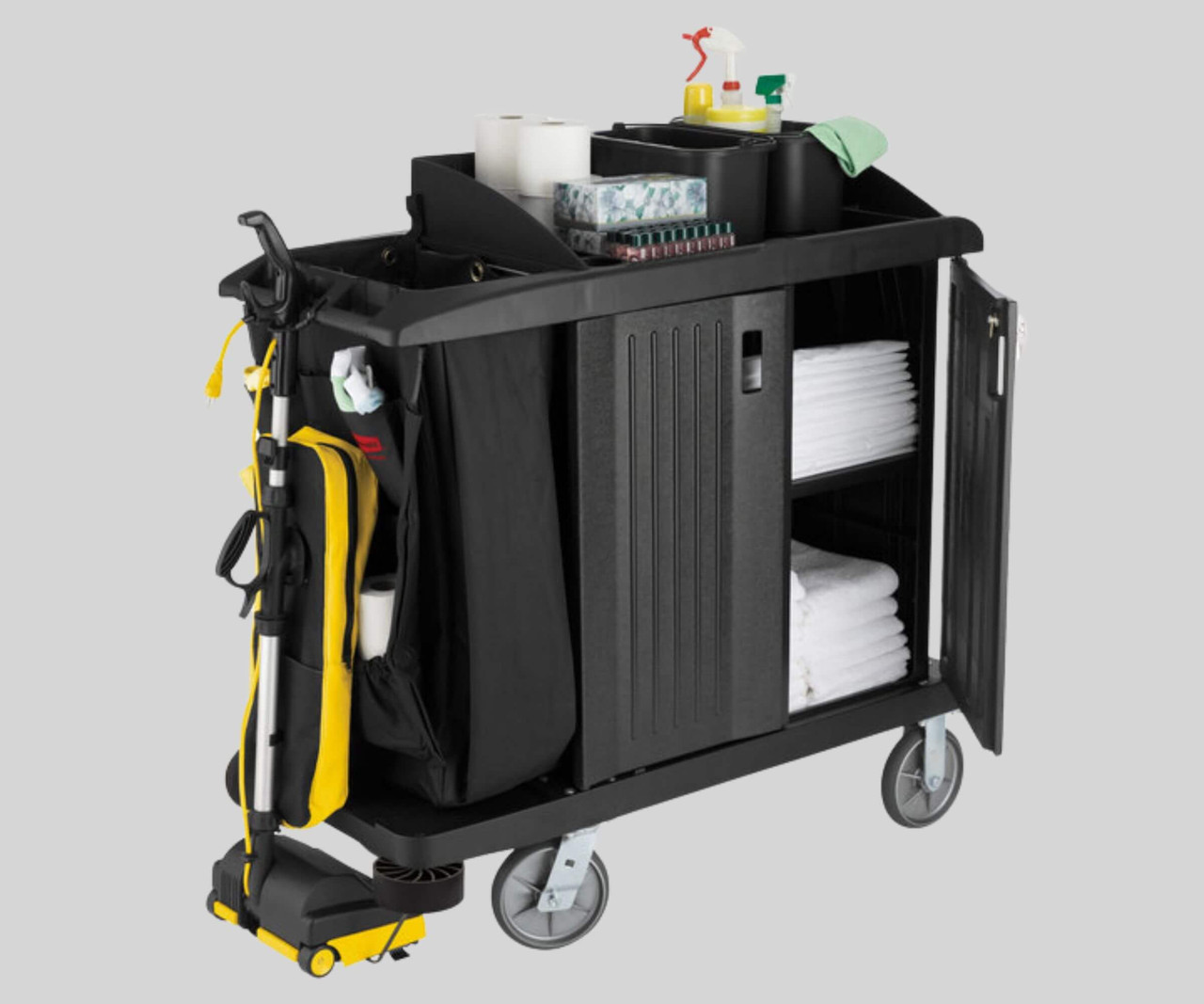
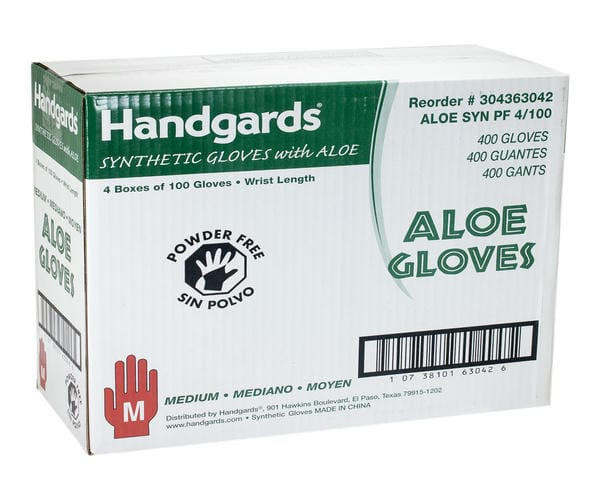
Browse Our Protective Equipment Selection
Explore a comprehensive range of gloves and cleaning supplies designed for professional facility management needs.



People Also Ask
Real questions buyers search before they order — answered straight.
Are powder-free or powdered nitrile gloves better for cleaning turnovers?
Powder-free nitrile is the better choice for turnover cleaning, as the powder in older-style gloves can leave residue on surfaces and irritate some skin. Powder-free gloves keep finishes clean and are now the standard for both food and cleaning work. They still go on easily enough for the repeated changes a turnover involves.
Do textured or grip nitrile gloves help on wet surfaces during turnovers?
Yes — a textured finish, often on the fingertips, gives a much surer hold on wet bottles, cloths, and slippery surfaces. That extra grip speeds up cleaning and lowers the chance of dropping spray bottles or tools. For turnover work that is mostly wet, textured gloves are well worth choosing.
Why do nitrile gloves sometimes turn yellow, and does it matter?
Nitrile can yellow slightly from light, air, or certain chemicals over time, and a faint colour shift on the box alone is usually just cosmetic. Gloves that have discoloured noticeably, feel sticky, or are past their date should be replaced. Keeping stock cool, dry, and out of direct light slows this down.
Are longer-cuff gloves worth it for cleaning work?
A longer cuff helps a lot in cleaning, as it covers more of the wrist and forearm and stops splashes and drips running inside the glove. It also lets you tuck the cuff over a sleeve for extra coverage. For wet, splashy turnover tasks, the longer cuff is a small upgrade that pays off.
Can used nitrile gloves be recycled?
Standard nitrile gloves are not accepted in normal curbside recycling and usually go in general waste, especially once soiled. Some suppliers offer dedicated glove take-back or recycling programs, and a few gloves are now made to break down faster. Checking whether a recycling stream is available locally is the practical first step.
What are the main disadvantages of nitrile gloves?
The main trade-offs are that nitrile costs a little more than vinyl and, being synthetic, adds to disposable waste. It also gives only limited protection against real heat and a few aggressive solvents. For most cleaning and food tasks, though, its durability and latex-free safety outweigh these downsides.
What Canadian Facility Managers say
Hear from industry professionals who rely on our products for their daily operations across Canada.
The nitrile gloves hold up perfectly against our strong disinfectants. No tears or breakage even after hours of scrubbing. Our staff loves the fit and comfort, which keeps them focused on getting every corner clean efficiently.
Switching to these durable gloves reduced our waste significantly. We buy less frequently now because they last longer. The quality is consistent every time, ensuring our team stays protected while maintaining high hygiene standards.
Great value for bulk orders. The vinyl options work well for our light dusting tasks, saving us money where heavy duty isn't needed. Reliable supply chain ensures we never run out during peak turnover seasons.
Common Questions: Frequently Asked Questions
The following operator questions are answered with cited sources. Every FAQ links to Health Canada, CFIA, Canada.ca, or another authoritative regulator.
What is the difference between nitrile and vinyl gloves for cleaning?
Products referenced:
- nitrile gloves
- vinyl gloves
- disposable gloves
What are the best gloves for commercial cleaning in Canada?
Products referenced:
- nitrile gloves
- vinyl gloves
- rubber gloves
Are nitrile gloves better than vinyl for foodservice?
Products referenced:
- nitrile gloves
- vinyl gloves
What thickness of nitrile gloves is best for cleaning?
Products referenced:
- nitrile gloves
Where can I buy nitrile gloves in bulk in Canada?
Products referenced:
- nitrile gloves
What are the pros and cons of vinyl gloves for cleaning?
Products referenced:
- vinyl gloves
How many pairs of gloves does a commercial kitchen use per day?
Products referenced:
- nitrile gloves
- vinyl gloves
What is the best disposable glove for kitchen cleaning?
Products referenced:
- nitrile gloves
- vinyl gloves
- rubber gloves
Related guides from ChickenPieces
Why Partner With Us
We provide reliable supply solutions tailored for Canadian facility managers seeking quality and compliance.
Local Expertise
Based in Calgary, we understand regional needs. Our team offers personalized support and quick responses to your inquiries regarding inventory levels and product availability.
Fast Delivery
Efficient logistics ensure timely arrivals. We prioritize urgent orders to keep your operations running smoothly without delays caused by stockouts or shipping issues.
Quality Assurance
We source only trusted brands. Every product undergoes strict quality checks to guarantee durability and safety standards for your staff and property guests.
Compliance Standards
All products meet Health Canada regulations. We ensure full compliance with CFIA guidelines where applicable, giving you peace of mind regarding legal and safety requirements.
Request Your Quote Today
Contact us to discuss your specific inventory needs. Our team will provide a tailored solution for your facility management goals.
Request a Quote