

2026 Aug 16th
The 5-Minute Takeout Packaging Audit That Protects Your
A five-minute packaging audit reveals which containers, bags and lids quietly inflate your operating costs. Track what you actually use, eliminate redundant SKUs and standardize sizes to bring packaging spend back under control.
The 5-Minute Takeout Packaging Audit That Protects Your Margins
For Airbnb hosts, property managers and facility operators who need to control hidden packaging costs without adding complexity to daily routines.
Key Takeaways
Six practical moves to tighten your packaging operation in under a week.
Count what moves
Two weeks of daily tracking builds baseline data showing which packaging items you actually consume versus what sits in storage.
Standardize sizes
Fewer container dimensions reduce inventory complexity, cut ordering errors and free shelf space for higher-turnover items.
Right-size every order
Containers matched to actual portion needs prevent overpackaging, which correlates directly with higher disposal costs.
Strip the extras
Removing unnecessary condiment packs, napkins and single-use utensils from standard orders reduces cost per outgoing package.
Track by category
Separate counts for bags, lids and containers reveal which SKU category generates most waste and guides procurement priorities.
Close the loop fast
Audit findings only stick if corrective actions complete within thirty days; aim above eighty-five percent closure rate.
Map Your Actual Packaging Flow
Understand how supplies move from shelf to guest before changing anything.
Begin where packaging lives. Walk your storage area and note every container size, bag type and lid variant currently in stock. Most operations accumulate redundant SKUs over time as different staff place orders or suppliers shift lines. Count each item and record how many cases sit unopened. This single step often reveals overstocking that ties up working capital and creates storage inefficiencies.
Next, follow one typical order through your entire process. Watch how staff select containers, add lids, insert utensils and seal bags for transport. Note hesitation or hunting behaviour where workers cannot find the right fit. These friction points signal mismatched inventory. Operations that standardize container sizes report smoother workflow and fewer errors during busy periods.
Finally, compare your active SKUs against actual menu or service offerings. A property serving only breakfast items rarely needs the same container range as a full-day operation. Delivery-focused services face higher packaging volumes than on-site dining, so each redundant item multiplies faster. Eliminate sizes that serve no distinct purpose.
Track What Gets Thrown Away
Structured waste measurement exposes the real cost of overpackaging.
Waste tracking sounds tedious but requires only simple tools. The EPA recommends two weeks of daily measurement to establish reliable baseline data. Record discarded packaging by category, separate counts for each item. Manual sorting or visual estimation methods work fine at smaller scales. What matters is consistency, not perfection. Over nine weeks, patterns emerge that no single day reveals.
Integrated tracking captures packaging alongside food waste because the two connect directly. Overpackaging increases disposal weight and frequency. Resealable containers prevent spoilage, while portion-appropriate sizing reduces guest-side overserving. When packaging design improves, food waste drops. The threshold for justifying packaging investment sits around four percent food waste reduction.
Use your data to rank problem SKUs. Which container size generates most discarded empties? Which bag type always gets doubled because the first fails? These questions guide purchasing changes. Digital separation systems with labeled bins enable precise measurement, but a clipboard and three bins work for smaller operations starting out.
Match Inventory to Real Demand
Prevent overstocking through coordinated planning with actual usage patterns.
Inventory planning separates controlled operations from ones bleeding cash. Real-time tracking prevents overstocking by linking procurement to actual depletion rates. When staff order by habit rather than data, slow-moving sizes accumulate. Each redundant SKU consumes shelf space, complicates counting and risks obsolescence if suppliers change specifications.
Set measurable targets for reduction. A twenty percent packaging volume drop over six months gives clear direction and enables progress tracking. Coordinate with suppliers to adjust case quantities or delivery frequency rather than simply switching products. Smaller, more frequent deliveries often beat bulk discounts when storage costs factor in.
Weighted scorecard audit systems help sustain gains. Operations using structured scoring report food cost variances under two percent versus industry averages of four to six percent. The discipline transfers to packaging: score each SKU by turnover rate, storage footprint and error frequency. Low scores trigger replacement or elimination.
Select Containers That Protect Contents
Container choice affects both product integrity and disposal volume.
Container design shapes waste outcomes more than most operators assume. Resealable lids extend product life in guest refrigerators, reducing disposal from spoilage. Right-sized containers eliminate headspace that lets contents shift and degrade. These properties matter for Airbnb hosts stocking breakfast items or facility operators managing extended-stay provisions.
Intelligent packaging features like portion marking or clear windows reduce guest confusion about contents and quantity. When guests see what they have, they serve appropriately. Overproduction waste, nearly twelve percent of total food surplus in food service, partly stems from poor visibility. Better containers improve forecasting accuracy by making remaining stock obvious.
Material selection balances protection with disposal impact. Heavier containers may reduce food waste enough to justify their own footprint. Packaging represents only three to three-and-a-half percent of total climate impact in most food operations, so primary focus belongs on waste prevention. Test candidate containers with actual contents through your full handling cycle before scaling.
Eliminate Unnecessary Included Items
Default inclusion of utensils and condiments inflates per-order cost silently.
Standard orders often include items guests never requested. Condiment packets, napkins, straws and single-use utensils arrive by default, each adding cost and disposal burden. Operations that shift to on-request or self-serve models reduce packaging cost per order by fifteen to twenty percent without guest complaints. The savings accumulate fastest at higher volumes.
Audit your current default inclusion list against actual guest needs. Extended-stay Airbnb guests keep their own utensils. Corporate facility users often bring personal bottles. Property managers with recycling obligations face higher sorting costs from mixed-material packets. Question every included item against the specific audience you serve.
Implementation requires clear staff guidance and visible guest communication. Confusion generates complaints that erase savings. Train teams on when to include versus when to ask. Post simple signage at collection points. Track any service complaints during transition to distinguish genuine need from habit resistance. Most adjustments stabilize within two weeks.
Schedule Regular Audit Cycles
One-time fixes erode; systematic review sustains packaging efficiency.
Restaurants conducting regular operations audits reduce waste costs by up to thirty percent through systematic process improvement. The key word is regular. Unaudited kitchens lose four to ten percent of revenue to preventable inefficiencies in waste, labor and inventory management. Packaging audits fit within broader operational review or stand alone for focused attention.
Build your checklist around four areas: inventory control accuracy, waste tracking completeness, portion verification and closing procedure adherence. Packaging issues surface in each area. Score performance and set minimum thresholds. Corrective action completion rates exceeding eighty-five percent within thirty days sustain initial reductions. Lower completion rates predict backsliding.
Assign ownership clearly. One person needs accountability for packaging metrics even if multiple staff handle daily tasks. Rotate audit responsibility quarterly to maintain fresh perspective. Document findings for comparison across cycles. Trend visibility motivates teams more than isolated scores and reveals gradual drift before it becomes costly.
Packaging Audit Methods Compared
Choose the approach that fits your operation size and staff capacity.
| Method | Time needed | Best for | Key output |
|---|---|---|---|
| Visual spot-check | 5 minutes daily | Small teams starting out | Quick awareness of obvious waste |
| Manual sorting bins | 15 minutes daily | Properties with space for labeled containers | Category-specific waste volumes |
| Two-week daily log | 10 minutes daily | Establishing baseline data | Pattern identification and SKU ranking |
| Weighted scorecard | 30 minutes weekly | Multi-property managers | Quantified performance trends |
| Integrated food-plus-packaging track | 20 minutes daily | Operations with disposal cost concerns | Correlated waste and overpackaging costs |
| Digital inventory sync | Ongoing automated | Larger facilities with procurement systems | Real-time overstock alerts |
| Quarterly full audit | 2 hours per cycle | Sustaining long-term gains | Corrective action completion tracking |
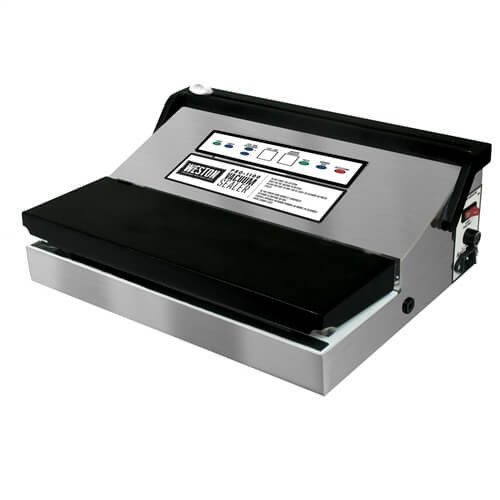
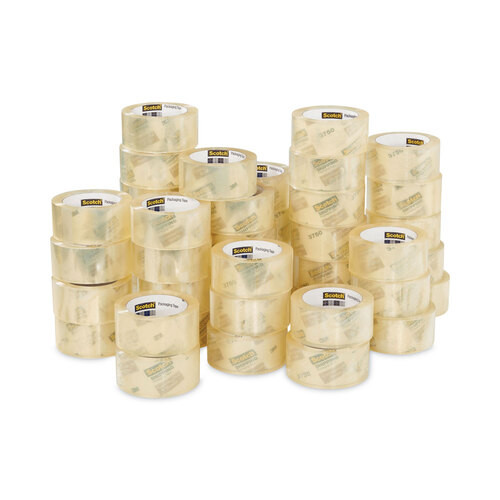
Packaging Essentials for Controlled Operations
Reliable containers, sealers and supplies selected for properties that track every input.



What Canadian facility operators say
What operators report after tightening their packaging controls.
Switching to two standard container sizes eliminated the daily hunt for lids. My storage closet actually has floor space now, and ordering takes half the time.
We stopped auto-including utensil packs and asked guests instead. Not one complaint in four months, and our packaging consumption dropped noticeably.
The waste sorting exercise opened our eyes. One bag size accounted for forty percent of our packaging discards. Swapped it out and saved immediately.
Packaging audit basics: Frequently Asked Questions
The following operator questions are answered with cited sources. Every FAQ links to Health Canada, CFIA, Canada.ca, or another authoritative regulator.
Where is the best place to buy to-go containers for a restaurant?
Products referenced:
- clamshell takeout containers
- deli cups
- paper takeout bags
Source: My family is opening a restaurant - best place for To-Go containers? - r/restaurateur
Do you charge customers for to-go containers?
Products referenced:
- takeout containers
- cutlery packets
- napkins
- condiment cups
Source: Do you charge for to-go containers? - r/restaurateur
How much should takeout packaging cost per order?
Products referenced:
- takeout boxes
- plastic bags
- cutlery
- napkins
Source: Do you charge for to-go containers? - r/restaurateur
Which takeout containers are best for saucy or liquid-heavy food?
Products referenced:
- PP deli cups with lids
- kraft clamshell containers
- tall taco salad containers
Is custom-branded packaging worth it for a small takeout operation?
Products referenced:
- custom printed bags
- branded takeout containers
- bulk chopsticks
Source: Custom to-go packaging - any suggestions? - r/restaurateur
Are compostable takeout containers worth the higher price?
Products referenced:
- compostable clamshells
- bagasse containers
- kraft paper packaging
Source: Custom to-go packaging - any suggestions? - r/restaurateur
What should a takeout packaging audit actually check?
Products referenced:
- styrofoam containers
- kraft takeout boxes
- takeout bags
- condiment portion cups
Which containers hold up best for delivery apps like Uber Eats or DoorDash?
Products referenced:
- compartment meal containers
- sauce cups
- PP clamshells
How much space do I need to store bulk packaging supplies?
Products referenced:
- bulk takeout containers
- takeout bags
- storage shelving
Source: Custom to-go packaging - any suggestions? - r/restaurateur
Where do Canadian restaurants buy eco-friendly takeout packaging at wholesale prices?
Products referenced:
- kraft clamshells
- bagasse bowls
- recyclable PP containers
- compostable cutlery
Source: My family is opening a restaurant - best place for To-Go containers? - r/restaurateur
Related guides from ChickenPieces
Why Operators Source Packaging Here
Calgary-based supply with clear specifications and no hidden commitments.
Exact specs listed
Every product shows dimensions, case counts and material details so you match containers to actual needs without guessing.
Bulk case formats
Cases sized for multi-unit properties reduce ordering frequency and simplify receiving for busy operations.
Alberta-based dispatch
Canadian distribution eliminates cross-border complications and supports straightforward returns if specifications mismatch.
Regulatory alignment
Food-contact packaging meets Health Canada and CFIA compliance standards for safe guest-facing use across all provinces.
Sources & further reading
- The Ultimate Guide to Restaurant Food Cost Control: Benchmarks, Strategies, and Expert Insights — Fast Casual Magazine
- Tools for Preventing and Diverting Wasted Food — U.S. Environmental Protection Agency
- Restaurant Food Waste Management Solutions and Packaging Design for Waste Prevention — ReFED
- Restaurant Operations Audits: Improve Restaurant Performance — FieldPie
- Strategies for Effective Waste Management in Restaurant Chains — Supy
Request Your Packaging Assessment
Tell us your current container sizes and monthly volume. We will identify standardization opportunities from our stocked range. No minimum commitments required.
Request a QuoteReferences: Health Canada — Food Packaging Materials CFIA — Food Allergen Labelling for Industry.
Authoritative References