
2026 Jul 3rd
ADP Eligibility Explained: Income Limits, Requirements and
Income level does not determine ADP eligibility. The program focuses on functional mobility needs, not financial status. You qualify if you have a documented medical need for assistance with walking or standing.
ADP Eligibility Explained: Income Limits, Requirements and Application Steps
Property managers and hosts often confuse insurance coverage with income requirements. Understanding these distinctions ensures your clients receive the correct support without unnecessary delays or paperwork errors.
Key Takeaways
Review these key points to streamline the equipment selection process.
Functional Need Focus
ADP eligibility hinges on physical limitations, not income brackets. Medical documentation must clearly state that the device is necessary for mobility assistance.
Equipment Types Covered
The program covers various aids including walkers, wheelchairs, and scooters. Ensure the selected item matches the prescribed function to avoid claim rejections.
Prescription Requirements
A valid prescription from a licensed healthcare provider is mandatory. The document must specify the device type and duration of need for approval.
Application Process Steps
Submit completed forms along with medical evidence. Processing times vary, so start early to ensure timely delivery for your clients or residents.
Private vs Public Coverage
Private insurance may offer faster access but often has stricter limits. ADP serves as a vital backup for those without comprehensive private plans.
Maintenance and Safety
Regular maintenance ensures device longevity and safety. Provide clear instructions to users on proper care to prevent accidents and extend equipment life.
Who Qualifies for ADP Support Programs
Eligibility depends on medical necessity rather than financial status.
Many applicants assume income levels dictate eligibility for the Alberta Assistive Devices Program. This is a common misconception that leads to unnecessary anxiety. The program focuses strictly on functional limitations. If a healthcare provider determines that a patient needs assistance with walking or standing, they may qualify regardless of their financial situation.
The core requirement is a documented medical need. Physicians, physiotherapists, and occupational therapists can provide the necessary prescriptions. These documents must clearly outline why the device is essential for daily living. Without this specific medical justification, applications will likely be rejected during the initial review phase.
Property managers should understand these criteria to assist their clients effectively. Knowing who qualifies helps in recommending appropriate devices. It also prevents frustration when applications are denied due to lack of proper documentation. Clear communication between healthcare providers and applicants is key to a successful process.
Required Prescriptions and Medical Evidence
Proper paperwork is essential for a smooth application.
A valid prescription is the foundation of any ADP application. This document must come from a licensed healthcare professional in Alberta. It should specify the type of mobility aid needed. Vague descriptions often lead to delays or denials. Be precise about the functional limitations that necessitate the device.
Physicians can issue prescriptions for wheelchairs and walkers. Physiotherapists may prescribe specific orthotics or support devices. Occupational therapists focus on home modifications and assistive technology. Ensure the prescriber understands the specific program requirements to avoid incomplete submissions. This saves time for everyone involved.
Documentation must be current. Prescriptions older than a certain period may not be accepted. Check the specific timeframe required by the program before submitting. Keep copies of all submitted documents for your records. This helps in tracking the application status and resolving any potential issues quickly.
Choosing the Right Mobility Equipment
Match the device to the user's specific needs.
Selecting the correct mobility aid requires careful consideration of the user's lifestyle. Wheelchairs offer stability and support for those with significant balance issues. Rollators provide assistance while allowing some independent walking. Scooters are ideal for users who can sit upright but have limited walking endurance.
Evaluate the physical space where the device will be used. Compact units are better for small apartments or vehicles with limited trunk space. Larger models may offer more comfort and battery life but require more storage room. Assessing these factors ensures the chosen device fits easily into the user's daily routine.
Durability is another critical factor. High-quality materials ensure the device withstands regular use without frequent repairs. Look for reputable brands known for reliability and customer support. Investing in a sturdy mobility aid reduces long-term maintenance costs and enhances user safety. Always prioritize safety features like brakes and seating comfort.
Step-by-Step Guide to Applying
Follow these steps to submit a complete application.
Start by obtaining the necessary prescription from your healthcare provider. Ensure it includes all required details such as device type and duration of need. Next, gather any additional supporting documents like identification or proof of residency. Having everything ready speeds up the submission process significantly.
Complete the application form accurately. Double-check all information for errors or omissions. Attach the prescription and supporting documents clearly labeled. Review the entire package before sending it to the relevant authority. Incomplete applications are a common cause of processing delays.
Submit the application through the designated channel. This could be online, by mail, or in person depending on your region. Keep a record of the submission date and reference number. Follow up if you do not receive confirmation within the expected timeframe. Patience is key during this waiting period.
What Devices Are Covered by ADP
Know which items fall under program benefits.
The ADP covers a wide range of mobility aids. This includes manual and power wheelchairs, walkers, rollators, and mobility scooters. Each category has specific guidelines regarding coverage levels and eligible models. Understanding these details helps in making informed purchasing decisions that align with program benefits.
Some devices may require prior authorization before purchase. This step ensures the item meets program standards and is medically necessary. Failure to obtain this approval can result in out-of-pocket expenses. Always verify coverage specifics with your local health authority or designated vendor.
Coverage limits vary by device type and individual circumstances. Some users may receive full reimbursement while others pay a portion. Familiarize yourself with these limits to budget accordingly. Transparent communication with vendors about coverage helps avoid unexpected costs later on.
Working with Approved Suppliers Like Us
Partner with experienced vendors for smoother transactions.
Choosing an approved supplier simplifies the ADP process. These vendors understand program requirements and can guide you through eligibility checks. They often assist with paperwork preparation and submission. This support minimizes errors and speeds up approval times for your mobility aid needs.
Suppliers also offer expert advice on device selection. Their knowledge helps match users with the most suitable equipment based on medical prescriptions. They ensure the chosen item meets all program specifications. This expertise is invaluable in understanding the complexities of assistive devices.
Post-purchase support is another benefit of working with established suppliers. They provide maintenance services, repairs, and troubleshooting assistance. Reliable support ensures your mobility aid remains functional and safe. Building a relationship with a trusted vendor enhances your overall experience with ADP.
Comparing Mobility Aid Options for Different Needs
Evaluate these common devices based on stability, range, and maneuverability.
| Device Type | Stability Level | Range Capability | Maneuverability |
|---|---|---|---|
| Standard Walker | High | N/A | Moderate |
| Rolling Walker | Medium | N/A | Good |
| Transport Chair | High | Limited | Poor |
| Power Wheelchair | High | Variable | Moderate |
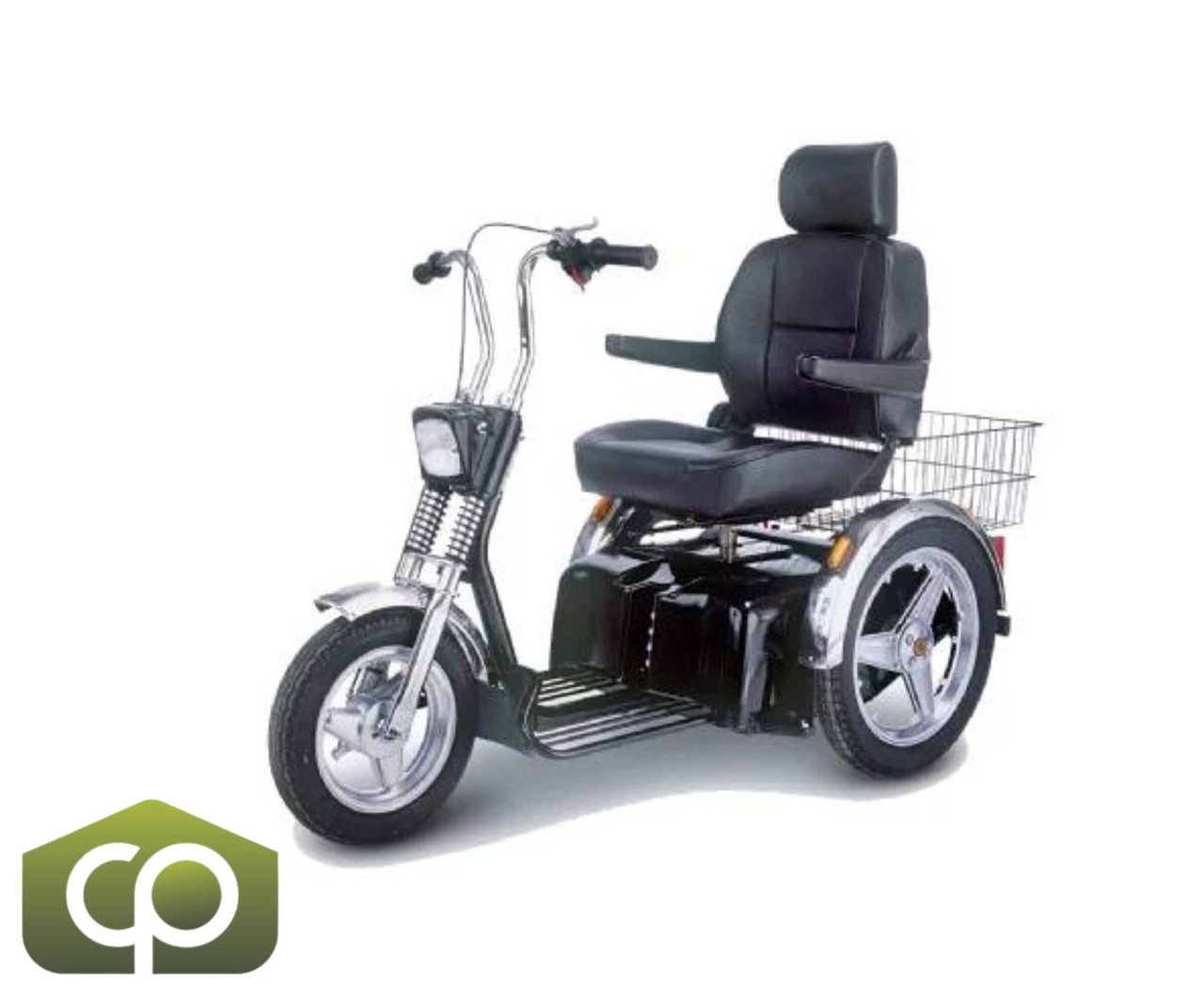
| Three-Wheel Scooter | Medium | Good | Excellent |
| Four-Wheel Scooter | High | Very Good | Good |
| Dual-Function Unit | High | Variable | Moderate |
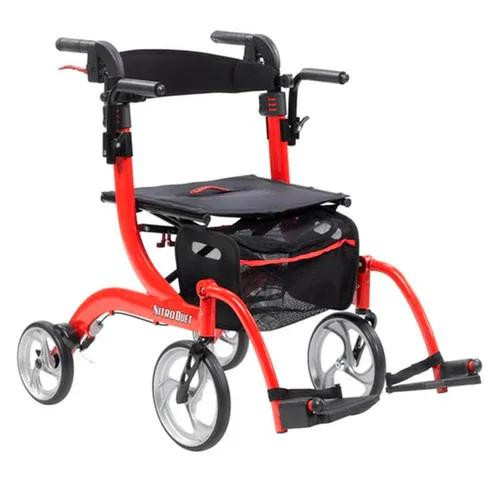
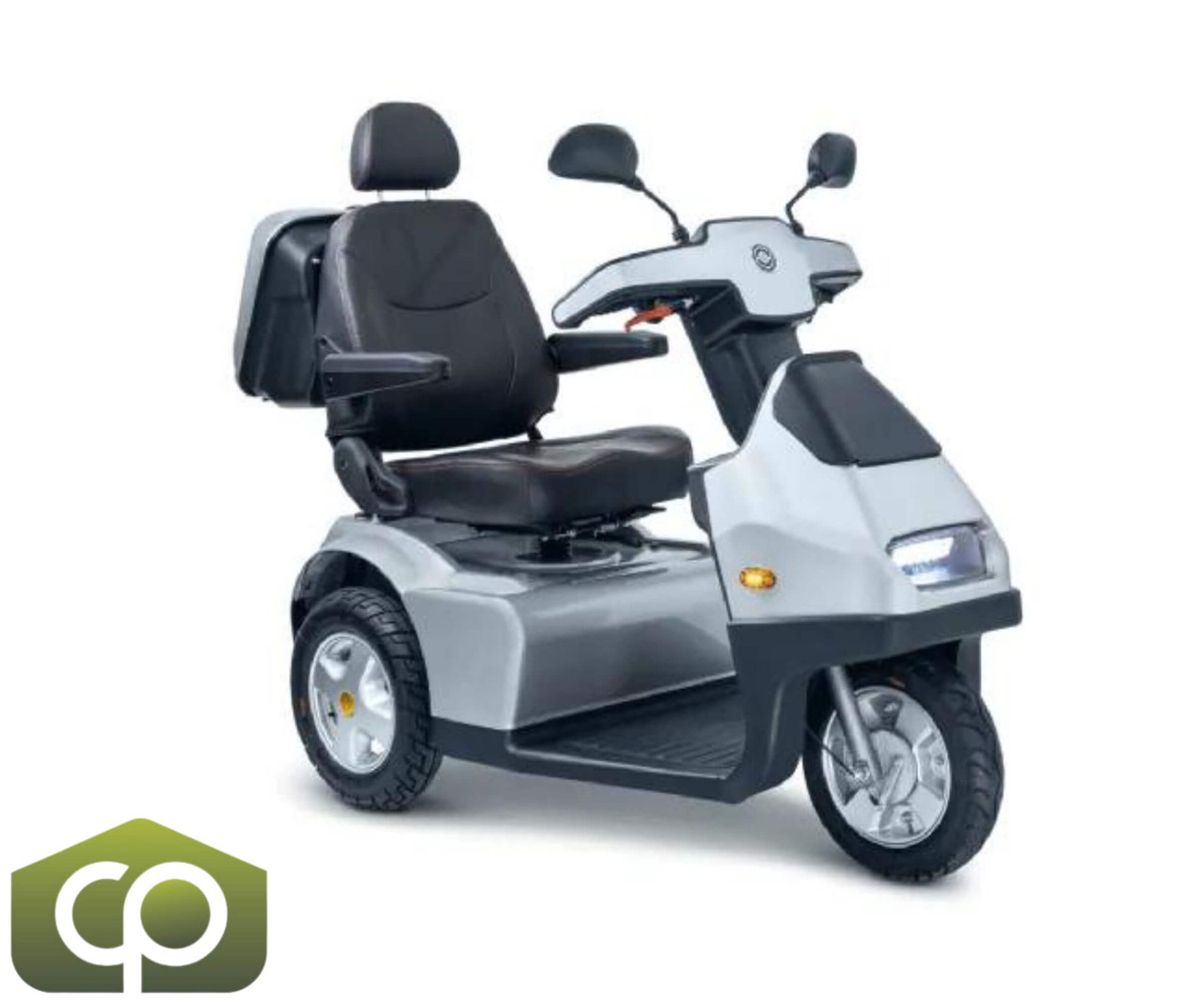
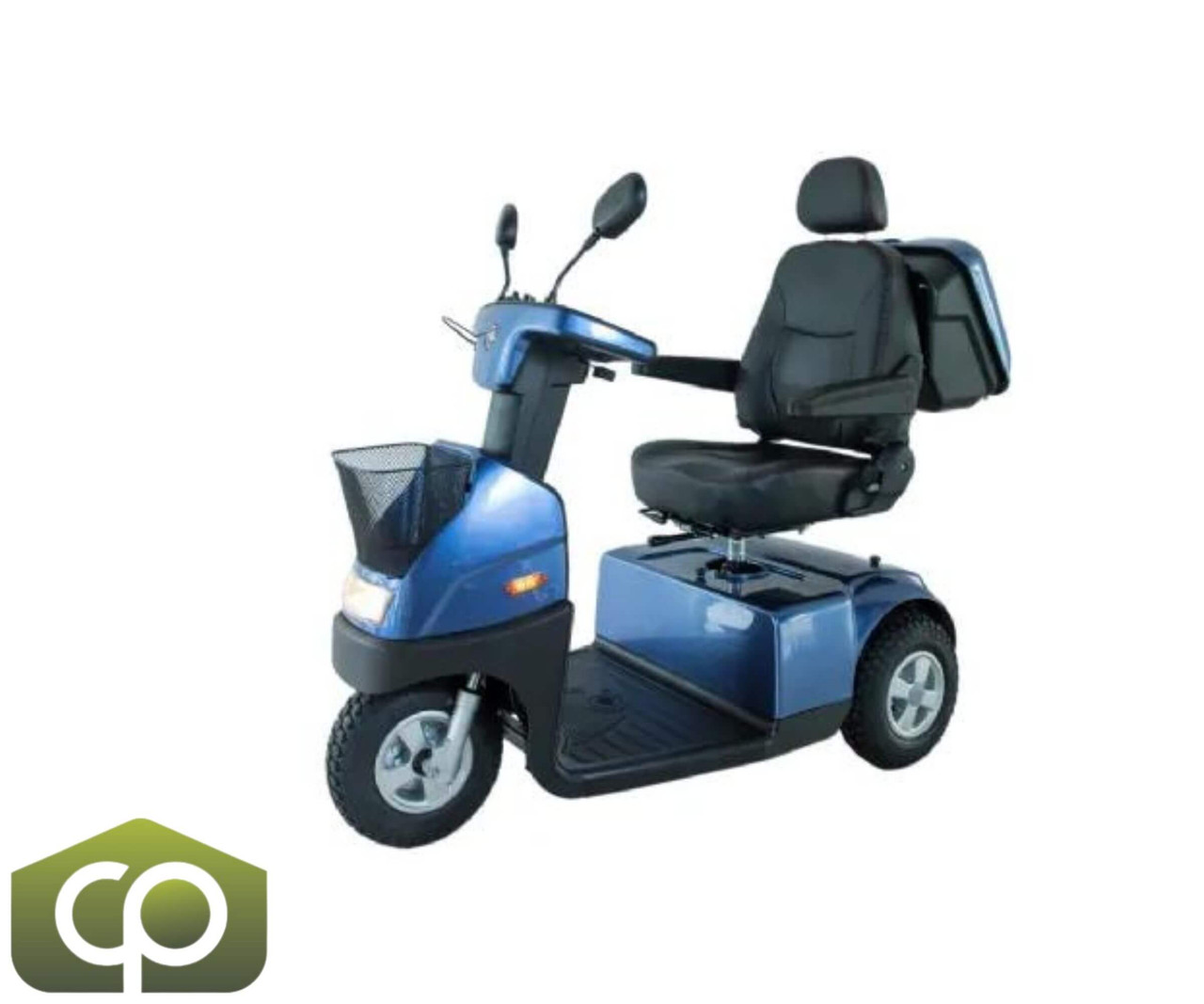
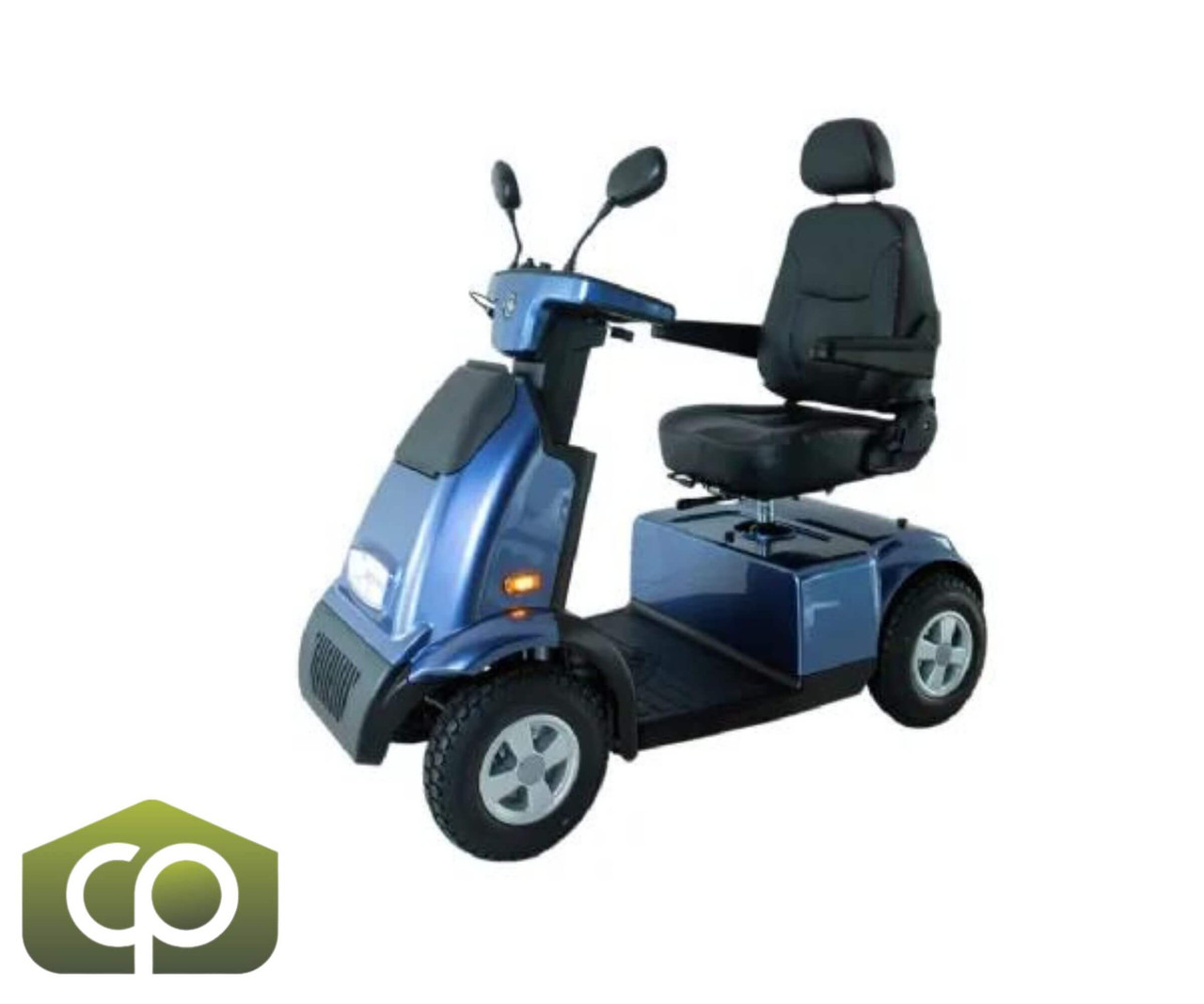
Explore Our Certified Mobility Equipment Collection
Find durable, compliant devices ready for immediate deployment in your facilities.




People Also Ask
Real questions buyers search before they order — answered straight.
Who is eligible for the Assistive Devices Program in Ontario?
Eligibility is based on having a long-term physical disability and a valid Ontario health card, not on how much you earn. The device must be needed for six months or longer and confirmed by an authorised assessor. Because it is not income-tested, many people who assume they earn too much still qualify. This is general information, not medical or financial advice.
What conditions qualify a person for the Assistive Devices Program?
Rather than a fixed list of diagnoses, the program looks at whether a lasting physical disability creates a genuine, ongoing need for the equipment. Conditions affecting mobility, breathing, communication, or daily function can all qualify when an assessor confirms the need is long term. The assessment focuses on function and duration, so two people with the same diagnosis may not have the same outcome.
What is the Assistive Devices Program and how does it work?
It is an Ontario program that helps pay toward equipment for people with a long-term physical disability, so the cost is shared rather than carried alone. An authorised assessor confirms the need, then a registered vendor supplies the approved device and bills the program for its share. You cover the remaining portion, and the equipment is yours to keep.
What types of equipment does the program help pay for?
It supports a wide range of long-term needs — mobility aids such as wheelchairs and walkers, respiratory and communication equipment, and various daily-living and sensory devices among them. Each category has its own criteria and approved supplier list. An assessor matches the specific device to the assessed need rather than to a general request.
Do you need a doctor or specialist to qualify?
Access usually runs through an authorised assessor — often an occupational therapist, physiotherapist, or specialist registered to prescribe within a given device category. They confirm the need and complete the application, which is a clinical step rather than something you file entirely on your own. Your family doctor can point you toward the right registered assessor for the equipment you need.
Does age affect eligibility for the Assistive Devices Program?
The program supports people across the lifespan, from children to older adults, so age on its own is rarely a barrier. Some device categories do have age-specific streams or separate criteria, which the assessor will explain. The core test stays the same — a long-term physical disability and a confirmed, ongoing need for the equipment.
What Canadian facility operators say
Hear from professionals who rely on our inventory for their clients.
The dual-function walkers have been a significant improvement for our assisted living residents. They offer stability when needed but allow independence during group activities. The build quality is excellent, and maintenance has been minimal since installation.
We switched to Afikim scooters for our senior housing complex. The retro design appeals to residents, and the battery life is impressive. Staff appreciate how easy they are to charge and store. Highly recommend for multi-unit properties.
Pride Mobility units handle our facility's uneven flooring better than previous brands. The Baja Wrangler is particularly stable on slight inclines. Our maintenance team reports fewer mechanical issues, which saves us time and resources overall.
ADP Application Queries: Frequently Asked Questions
The following operator questions are answered with cited sources. Every FAQ links to Health Canada, CFIA, Canada.ca, or another authoritative regulator.
Does income level actually matter when applying to the Alberta Assistive Devices Program for a wheelchair or scooter?
Products referenced:
- Drive Medical Duet Dual Function Transport Wheelchair Rollator Rolling Walker, Black
- Afikim Afiscooter S3 Three Wheel Mobility Scooter | 31-Mile Travel Range
- Afiscooter Breeze C4 - Afikim Mobility Scooter | Advanced 4-Wheel | 9.3 mph
Source: Question about AISH process
What does an occupational therapist actually have to write on the prescription for an ADP or AADL mobility application to be accepted?
Products referenced:
- Drive Medical Duet Dual Function Transport Wheelchair Rollator Rolling Walker, Burgundy
- Drive Medical Nitro Duet Dual Function Transport Wheelchair and Rollator Rolling Walker, Red
- Afiscooter Breeze C3 - Afikim Mobility Scooter | Stylish Retro Design | 9.3 mph
Source: Question for Wheelchair users.
How long does it actually take to get a power wheelchair or scooter approved under ADP or AADL once the OT submits the forms?
Products referenced:
- Baja Wrangler 2 Power Mobility Scooter by Pride Mobility | High-Performance
- Afiscooter Breeze SE - Afikim Mobility Scooter | 9.3 mph Top Speed
- Afiscooter Outdoor Mobility Breeze S4 Dual Seat - Afikim Mobility Scooter
Source: Wheelchair funding sources
Power wheelchair vs mobility scooter for an adult who still has some walking ability but tires quickly: which one is actually easier to live with?
Products referenced:
- Afiscooter Breeze C4 - Afikim Mobility Scooter | Advanced 4-Wheel | 9.3 mph
- Afikim Afiscooter S3 Three Wheel Mobility Scooter | 31-Mile Travel Range
- Baja Wrangler 2 Power Mobility Scooter by Pride Mobility | High-Performance
When is a transport chair a better buy than a full-size manual wheelchair for a parent or resident who cannot self-propel?
Products referenced:
- Drive Medical Duet Dual Function Transport Wheelchair Rollator Rolling Walker, Black
- Drive Medical Duet Dual Function Transport Wheelchair Rollator Rolling Walker, Burgundy
- Drive Medical Nitro Duet Dual Function Transport Wheelchair and Rollator Rolling Walker, Red
Source: Transport Wheelchair
For an older adult who still walks around the house but is unsteady outside, is a rollator really a better buy than a standard walker?
Products referenced:
- Drive Medical Duet Dual Function Transport Wheelchair Rollator Rolling Walker, Black
- Drive Medical Duet Dual Function Transport Wheelchair Rollator Rolling Walker, Burgundy
- Drive Medical Nitro Duet Dual Function Transport Wheelchair and Rollator Rolling Walker, Red
Source: Expert Advice: How to Choose a Mobility Aid for a Senior
What does a basic wheelchair or mobility scooter actually cost in Canada before any government funding is applied?
Products referenced:
- Afiscooter Breeze C3 - Afikim Mobility Scooter | Stylish Retro Design | 9.3 mph
- Afiscooter Breeze C4 - Afikim Mobility Scooter | Advanced 4-Wheel | 9.3 mph
- Afikim Afiscooter S3 Three Wheel Mobility Scooter | 31-Mile Travel Range
Source: Wheelchair Costs in Canada: Prices + ADP Funding Guide 2026
How do buyers actually decide between a 3-wheel and a 4-wheel mobility scooter when both fit through the door?
Products referenced:
- Afiscooter Breeze C3 - Afikim Mobility Scooter | Stylish Retro Design | 9.3 mph
- Afiscooter Breeze C4 - Afikim Mobility Scooter | Advanced 4-Wheel | 9.3 mph
- Afiscooter Breeze SE - Afikim Mobility Scooter | 9.3 mph Top Speed
Is there anything in the Alberta Aids to Daily Living rules that limits which mobility aids an approved vendor can supply?
Products referenced:
- Drive Medical Duet Dual Function Transport Wheelchair Rollator Rolling Walker, Black
- Afiscooter Breeze C4 - Afikim Mobility Scooter | Advanced 4-Wheel | 9.3 mph
- Afiscooter Outdoor Mobility Breeze S4 Dual Seat - Afikim Mobility Scooter
Source: AADL – Benefits covered
Related guides from ChickenPieces
Why Choose ChickenPieces for Your Equipment Needs
We provide reliable, compliant mobility solutions tailored for Canadian facilities.
Local Calgary Support
Our team is based in Calgary, offering quick response times and personalized service. We understand local regulations and can assist with immediate delivery needs across Alberta.
Comprehensive Inventory
We stock a wide range of mobility aids from top brands. Whether you need walkers, wheelchairs, or scooters, we have options to meet diverse user requirements and program specifications.
Expert Guidance
Our staff provides knowledgeable advice on device selection and ADP compliance. We help with paperwork and ensure you choose the right equipment for your clients' specific needs.
Regulatory Compliance
All products meet Health Canada safety standards and CFIA guidelines where applicable. We ensure every item sold is certified for use in Canadian healthcare and residential facilities.
Request a Quote for Bulk Orders
Contact our team today to discuss your inventory needs. We provide competitive pricing and fast delivery for property managers and facility operators.
Request a QuoteReferences: Health Canada - Food Chemical Contaminants CFIA - Food Safety for Industry.