
2026 Jul 4th
Bridge The Funding Gap With Stacked ADP And March Of Dimes
Stacking funding combines provincial ADP benefits with March of Dimes gap support. This approach covers the remaining costs for mobility devices that exceed standard program limits. It ensures residents access necessary equipment without full personal expense.
Bridge The Funding Gap With Stacked ADP And March Of Dimes Support
Facility operators and property managers can reduce out-of-pocket costs by combining Alberta Disease Prevention funds with private gap funding to cover essential mobility equipment purchases.
Key Takeaways
Key points to understand about combining funding sources effectively.
Understand Stacking Rules
Review provincial guidelines to ensure compatibility between public benefits and private grants. Most programs allow supplementary funding for items not fully covered by initial applications.
Identify Eligible Devices
Focus on durable medical equipment like wheelchairs and scooters. Ensure selected models meet specific clinical criteria required by both funding bodies for approval.
Calculate Gap Amounts
Determine the exact shortfall after primary benefits are applied. This figure dictates the amount needed from secondary sources to complete the purchase transaction.
Prepare Documentation Early
Gather medical letters and assessment reports in advance. Complete paperwork speeds up processing times and prevents delays during the critical funding application window.
Coordinate With Suppliers
Work with vendors who understand multi-source billing processes. They can handle complex invoicing to ensure all funds are applied correctly at the point of sale.
Plan For Maintenance
Budget for ongoing service contracts outside of initial purchase funding. Long-term reliability depends on regular maintenance, which may require separate operational planning.
How Stacking Funding Works
Combine multiple sources to cover the full cost of essential mobility devices.
Alberta Disease Prevention offers substantial support for medical equipment. However, many high-performance mobility devices exceed these standard benefit limits. The remaining balance often creates a significant financial barrier for residents and operators seeking premium options that enhance daily independence and safety.
March of Dimes provides gap funding to bridge this specific shortfall. By applying for secondary assistance, you can cover the difference between the primary benefit and the total equipment cost. This strategy ensures access to higher-quality devices without imposing heavy personal financial burdens on users.
The process requires careful coordination between funding bodies and suppliers. Documentation must clearly show the primary benefit amount and the calculated gap. Suppliers play a key role in facilitating this transaction by managing the paperwork and ensuring compliance with all regulatory requirements.
Choosing The Right Mobility Equipment
Select devices that meet clinical needs while fitting within funding parameters.
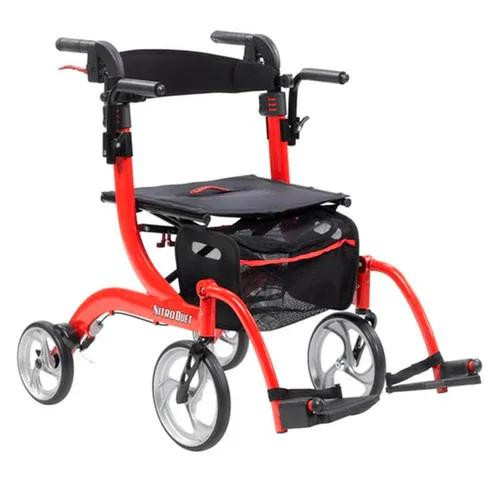
Dual-function wheelchairs offer versatility for users with varying mobility levels. These devices serve as both transport chairs and rollators, maximizing utility within limited spaces. They are often preferred in multi-purpose facilities where space optimization is a critical operational concern.
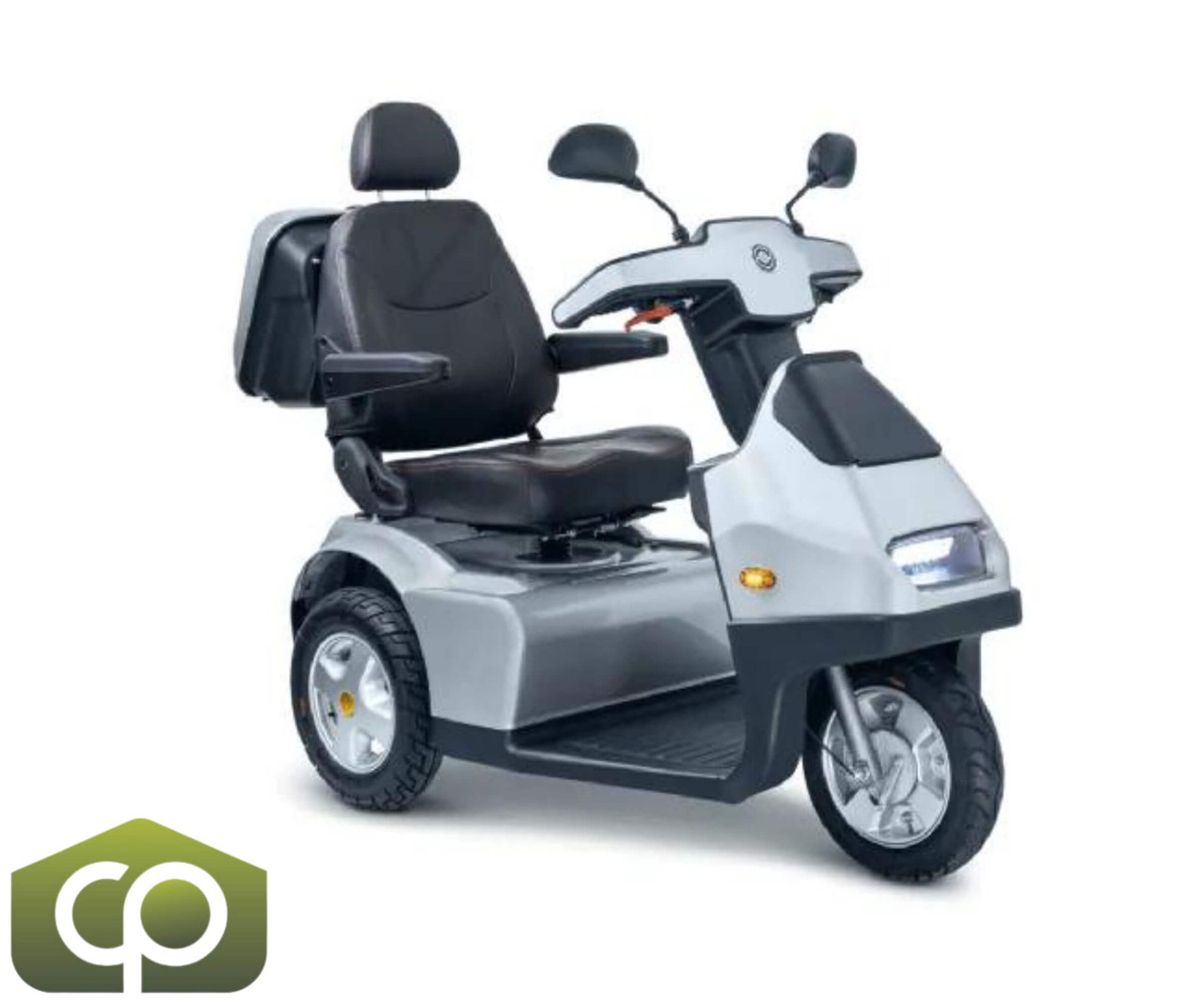
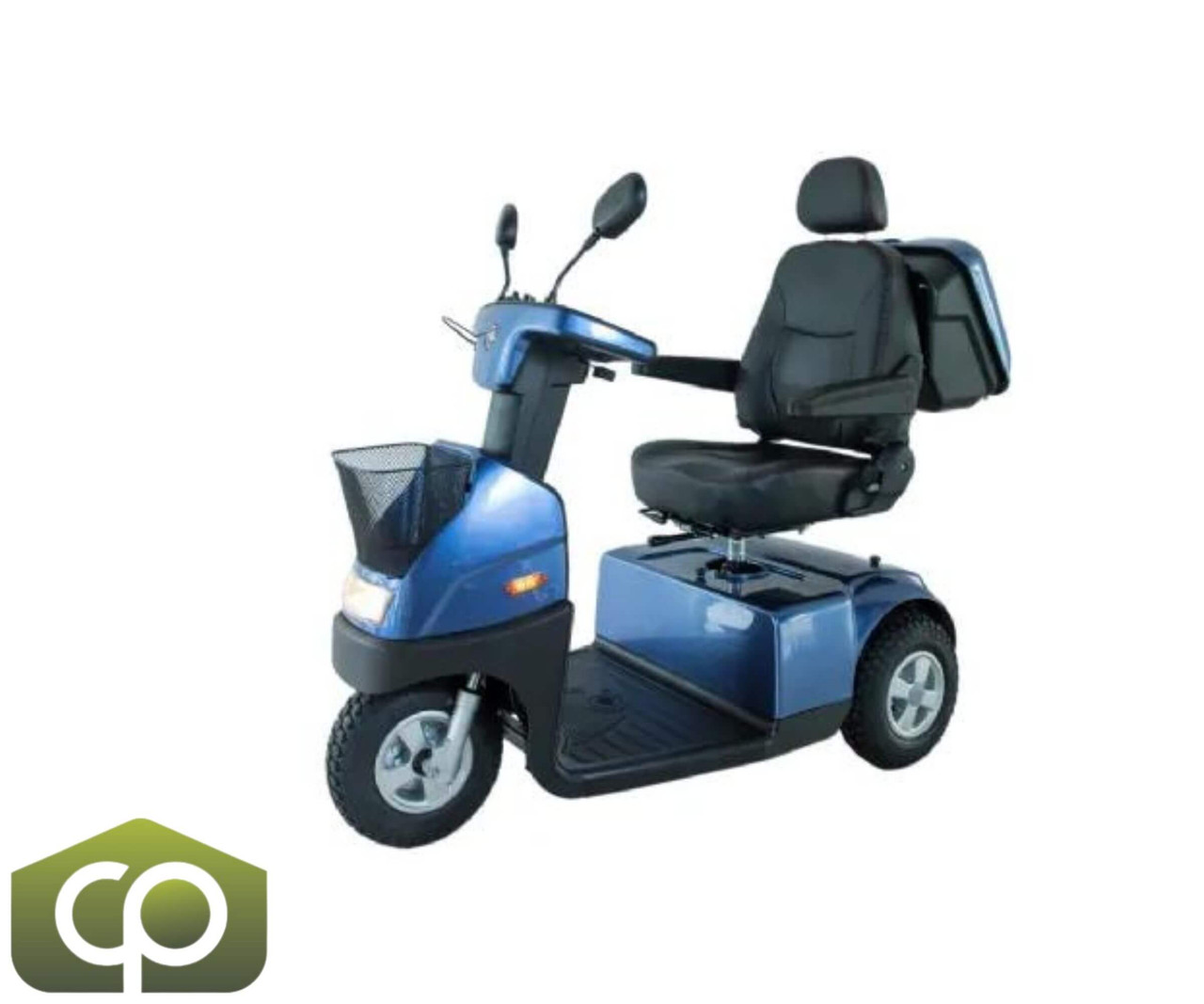
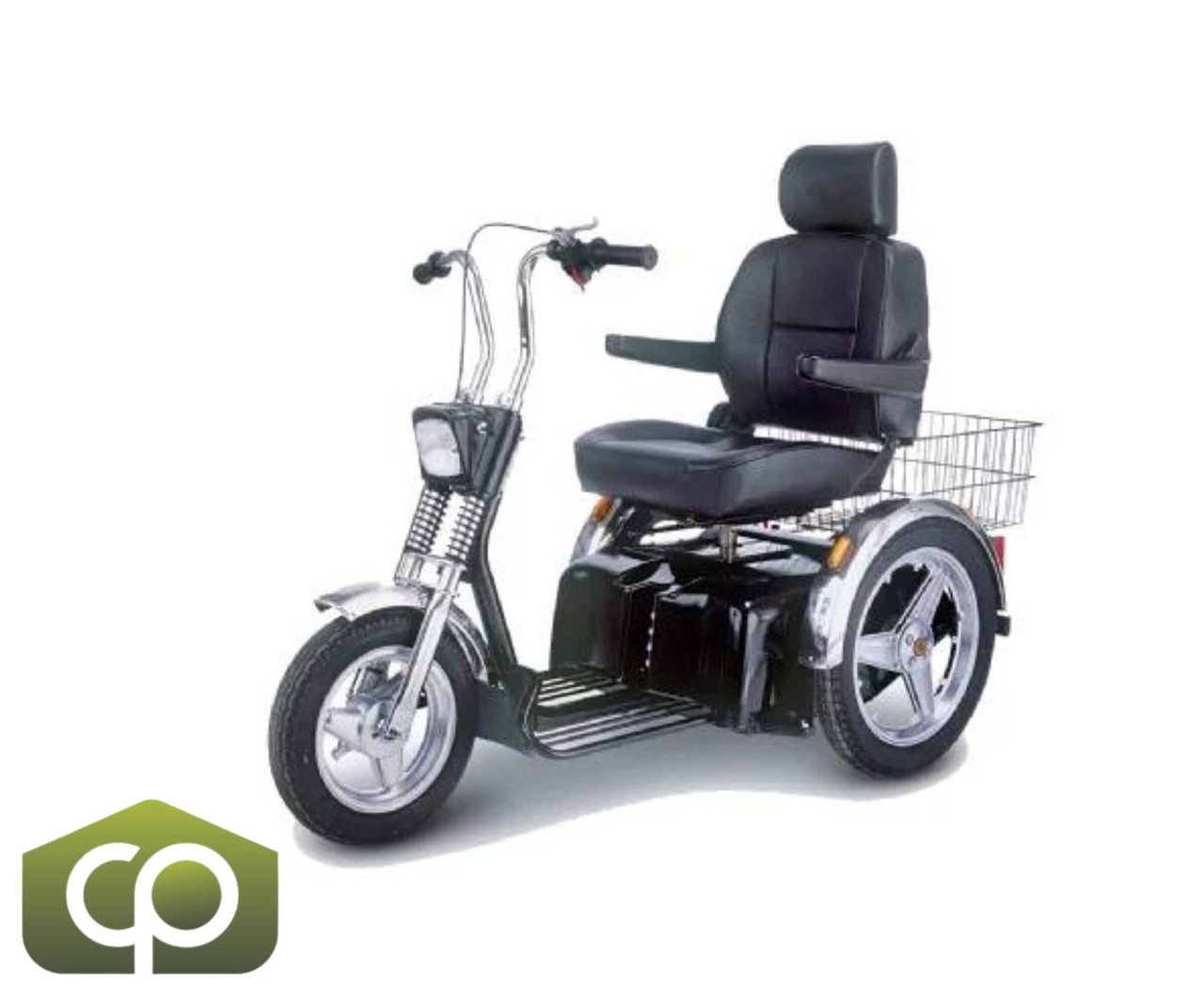
Three-wheel scooters provide excellent maneuverability in tight indoor environments. Their compact turning radius allows easy navigation through narrow hallways and small rooms. This makes them ideal for residential settings where residents need independent movement without assistance.
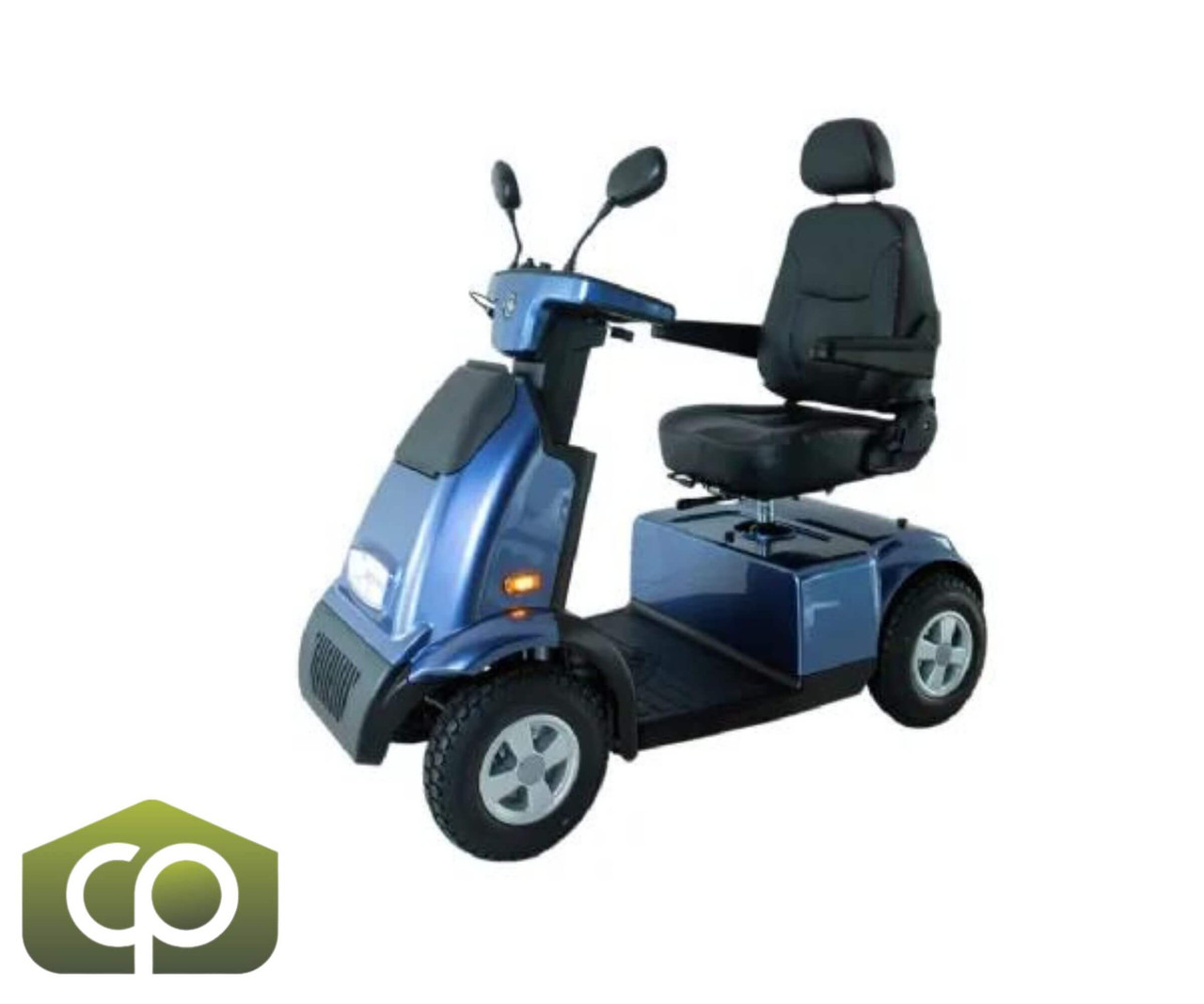
Four-wheel models deliver superior stability for outdoor use or uneven terrain. They support higher weight capacities and offer smoother rides over bumps. Facilities with extensive grounds or rough pathways benefit from the enhanced safety features of these larger mobility solutions.
Understanding The Application Steps
Follow a structured approach to secure both primary and secondary funding.
Begin with the primary provincial benefit application. Secure approval for the maximum allowable amount before seeking additional support. This establishes the baseline coverage and clearly defines the remaining financial gap that needs to be addressed.
Next, apply for March of Dimes gap funding. Provide detailed quotes and proof of the primary benefit award. The secondary application must demonstrate clear need and eligibility based on the initial funding shortfall calculation.
Coordinate closely with your chosen supplier throughout this phase. They can provide necessary documentation and ensure all forms are completed accurately. Their expertise helps prevent common errors that lead to processing delays or rejections.
Partnering With Experienced Vendors
Vendors who understand funding complexities streamline the purchasing process.
Experienced suppliers manage the logistics of stacking funds effectively. They understand the specific requirements of both provincial programs and private grants. This knowledge ensures that all documentation is prepared correctly and submitted on time.
They also advise on eligible products that fit within funding constraints. Not all devices qualify for every program, so expert guidance prevents wasted effort. Selecting compliant equipment from the start simplifies the approval process significantly.
Local suppliers offer additional benefits like faster delivery and easier service access. Being based in Calgary allows for quick resolutions to any issues. This proximity supports ongoing relationship management and ensures consistent support for your operations.
Ensuring Long-Term Device Reliability
Plan for maintenance costs that fall outside initial purchase funding.
Initial funding typically covers only the purchase price. Ongoing maintenance and repairs require separate budgeting considerations. Establish a clear plan for servicing devices to ensure they remain safe and functional for residents.
Service contracts can provide predictable costs for routine upkeep. These agreements often include regular check-ups and minor adjustments. Investing in preventive care reduces unexpected downtime and enhances user satisfaction significantly.
Training staff on basic troubleshooting saves time and resources. Simple fixes can be handled internally without waiting for technicians. Empowering your team with knowledge improves overall equipment management efficiency.
Meeting Regulatory Standards
Ensure all equipment and processes comply with Canadian health regulations.
All mobility devices must meet Health Canada safety standards. Verify that selected products carry appropriate certifications before purchasing. Non-compliant equipment poses liability risks and may not qualify for funding approval.
Facility operators must adhere to specific operational guidelines. These rules govern how equipment is used, stored, and maintained. Compliance ensures a safe environment for residents and protects your organization from potential legal issues.
Regular audits help maintain high standards of care. Reviewing processes periodically identifies areas for improvement. Staying current with regulatory changes demonstrates commitment to quality and resident well-being.
Comparing Mobility Device Options
Evaluate key features to select the best device for specific user needs.
| Device Type | Maneuverability | Stability | Best Use Case |
|---|---|---|---|
| Dual-Function Wheelchair | High | Medium | Indoor/Versatile |
| 3-Wheel Scooter | Very High | Medium | Tight Indoor Spaces |
| 4-Wheel Scooter | Moderate | High | Outdoor/Rough Terrain |
| Standard Transport Chair | Low | High | Assisted Mobility Only |
| Rollator Walker | Medium | High | Stable Walking Aid |
| Retro-Style Scooter | High | Medium | Aesthetic Focus |
| Dual-Seat Scooter | Low | Very High | Companion Travel |
Browse Our Mobility Range
Explore our selection of compliant mobility devices suitable for stacked funding applications.




People Also Ask
Real questions buyers search before they order — answered straight.
How much of the cost does the Assistive Devices Program cover?
The program pays a set share of the approved price for each eligible device, and the person is responsible for the remaining portion, which is where a funding gap can appear. The exact share depends on the device category and the approved supplier price rather than one fixed figure. Knowing your share in advance lets you plan for the balance or line up help before you order. This is general information, not financial advice.
Does the Assistive Devices Program pay the supplier directly?
Yes — for approved equipment the program usually sends its share straight to the registered vendor, so you are only asked to settle the remaining balance rather than pay everything upfront and wait for a refund. That arrangement keeps the amount you need to find much smaller. Confirming with the vendor how and when your share is due avoids any surprise at pickup or delivery.
What can you do if you cannot afford the co-payment?
The gap is often bridged by disability charities, service clubs, and community gap-funding programs that top up the portion the main program does not cover. It is worth asking the vendor and your assessor which local funders they see used most, since they deal with this every week. Applying early, before the equipment is ordered, gives these sources time to approve.
Are there free or lower-cost equipment programs beyond the main one?
Yes — many communities run charitable equipment funds, veterans' supports, and condition-specific foundations that either subsidise devices or supply them outright for people who qualify. Eligibility and waiting times vary, so it helps to apply to more than one at a time. A social worker or occupational therapist can usually point you to the ones that fit your situation.
Are there equipment-loan or reuse options while you wait for funding?
Loan cupboards and reuse programs run by community health centres and charities lend out mobility aids and other equipment short term, which bridges the wait for approval or delivery. Borrowed gear also lets someone trial a device before committing to buy. Ask early, as popular items like walkers and wheelchairs can have a short waiting list.
Is Assistive Devices Program funding a loan you have to pay back?
No — the program's contribution is a subsidy toward eligible equipment, not a loan, so the covered share is not repaid. Your only cost is your own portion of the approved price plus anything the program does not fund, such as certain accessories. Reading the approval letter closely tells you exactly which parts are covered and which are yours.
What Canadian Property Managers say
Feedback from professionals who have successfully completed the funding process.
Stacking funds allowed us to upgrade to premium scooters for residents. The process was smooth with clear guidance from the team. Everyone appreciates the improved comfort and reliability of the new equipment now in use.
We needed versatile wheelchairs for our multi-use rooms. Combining benefits covered the full cost effectively. The dual-function design saves space and provides excellent value for residents with varying mobility needs daily.
Documentation support was exceptional during our funding application. We secured the gap funding quickly and received the scooters on time. Residents love the retro design and smooth ride quality of these new devices.
Funding Logistics: Frequently Asked Questions
The following operator questions are answered with cited sources. Every FAQ links to the community thread, buyer guide, or regulator page it was researched from.
How much does ADP Ontario pay for mobility equipment?
Products referenced:
- wheelchair
- mobility scooter
- walking aid
What does March of Dimes Canada cover for mobility equipment?
Products referenced:
- wheelchair
- walker
- mobility scooter
Can I stack ADP and March of Dimes funding together?
Products referenced:
- wheelchair
- mobility scooter
What is the ADP application process for mobility equipment?
Products referenced:
- wheelchair
- mobility scooter
Source: ADP Application Process - Quora
What mobility equipment does March of Dimes equipment recycling program offer?
Products referenced:
- wheelchair
- walker
- rollator
- commode
How do I bridge the funding gap for mobility equipment in Canada?
Products referenced:
- wheelchair
- mobility scooter
- walker
Does private insurance cover what ADP doesn't for mobility equipment?
Products referenced:
- wheelchair
- mobility scooter
What is the maximum ADP funding for a power wheelchair in Ontario?
Products referenced:
- power wheelchair
- manual wheelchair
Why Buy From Us
We provide reliable supply chain solutions tailored to Canadian facility needs.
Local Calgary Support
Our team is based in Alberta, offering quick response times and personalized service. We understand regional challenges and deliver efficient solutions for local property managers and operators.
Funding Expertise
We specialize in understanding complex funding landscapes. Our staff assists with documentation and billing to ensure smooth transactions, reducing administrative burdens on your facility management team daily.
Quality Assurance
All products undergo rigorous quality checks before shipping. We prioritize safety and durability to ensure long-term reliability for residents. Trust in equipment that meets high performance standards consistently.
Regulatory Compliance
We strictly adhere to Health Canada regulations for all medical devices. This ensures full compliance and peace of mind for your facility operations, avoiding legal risks associated with non-compliant products.
Request A Quote Today
Contact our team to discuss your funding strategy and equipment needs. We provide detailed quotes and support for smooth procurement processes.
Request a QuoteReferences: Health Canada - Food Chemical Contaminants CFIA - Food Safety for Industry.