
2026 Jul 18th
Home Vs Industrial Compostable Packaging: What Actually
Industrial facilities handle high heat and moisture to break down certified bioplastics quickly. Home systems lack this intensity, meaning only paper and fiber products decompose properly there. Choosing the wrong item creates contamination in your waste stream.
Home Vs Industrial Compostable Packaging: What Actually Breaks Down in Canada
This guide helps facility operators and Airbnb hosts choose correct compostable supplies that meet Canadian waste processing standards and reduce landfill volume.
Key Takeaways
Key points for selecting correct packaging materials follow below.
Know Your Waste Stream
Identify if your location has access to industrial organics processing or only home composting options before purchasing supplies.
Certification Matters Greatly
Look for specific Canadian standards labels on packaging to ensure the material breaks down within expected timeframes at facility level.
Avoid Greenwashing Traps
Terms like biodegradable are vague. Stick to certified compostable products that meet strict industrial processing requirements for reliable results.
Staff Training Is Vital
Educate teams on separating correct items. Contamination from non-compostable plastics ruins entire batches and increases disposal costs significantly.
Scale Appropriate Solutions
Large venues need heavy-duty bags and containers that withstand industrial sorting equipment without breaking apart prematurely during transport.
Plan For Volume
Calculate waste output to select case sizes that reduce ordering frequency while maintaining adequate stock for daily operations.
Canadian Composting Certification Requirements Explained
Certification marks indicate whether materials break down in home gardens or industrial facilities.
Canadian standards distinguish between home and industrial composting clearly. Industrial facilities maintain high temperatures and controlled moisture levels. These conditions allow complex materials like bagasse and certain bioplastics to decompose fully within months. Home systems cannot reach these heat levels consistently.
Materials labeled for home compost must break down in cooler, slower environments. Usually, these are simple paper or fiber products. If a product lacks specific certification, it likely belongs in general waste. Misunderstanding this distinction leads to contamination in recycling streams.
Property managers must verify local waste contractor capabilities. Not all municipalities accept industrial compostables at curb side. Always confirm acceptance criteria before switching supply orders. This prevents rejected loads and additional disposal fees for your organization.
Bagasse And Fiber Composition Details
Sugar cane fiber offers strong durability while remaining fully compostable in industrial settings.
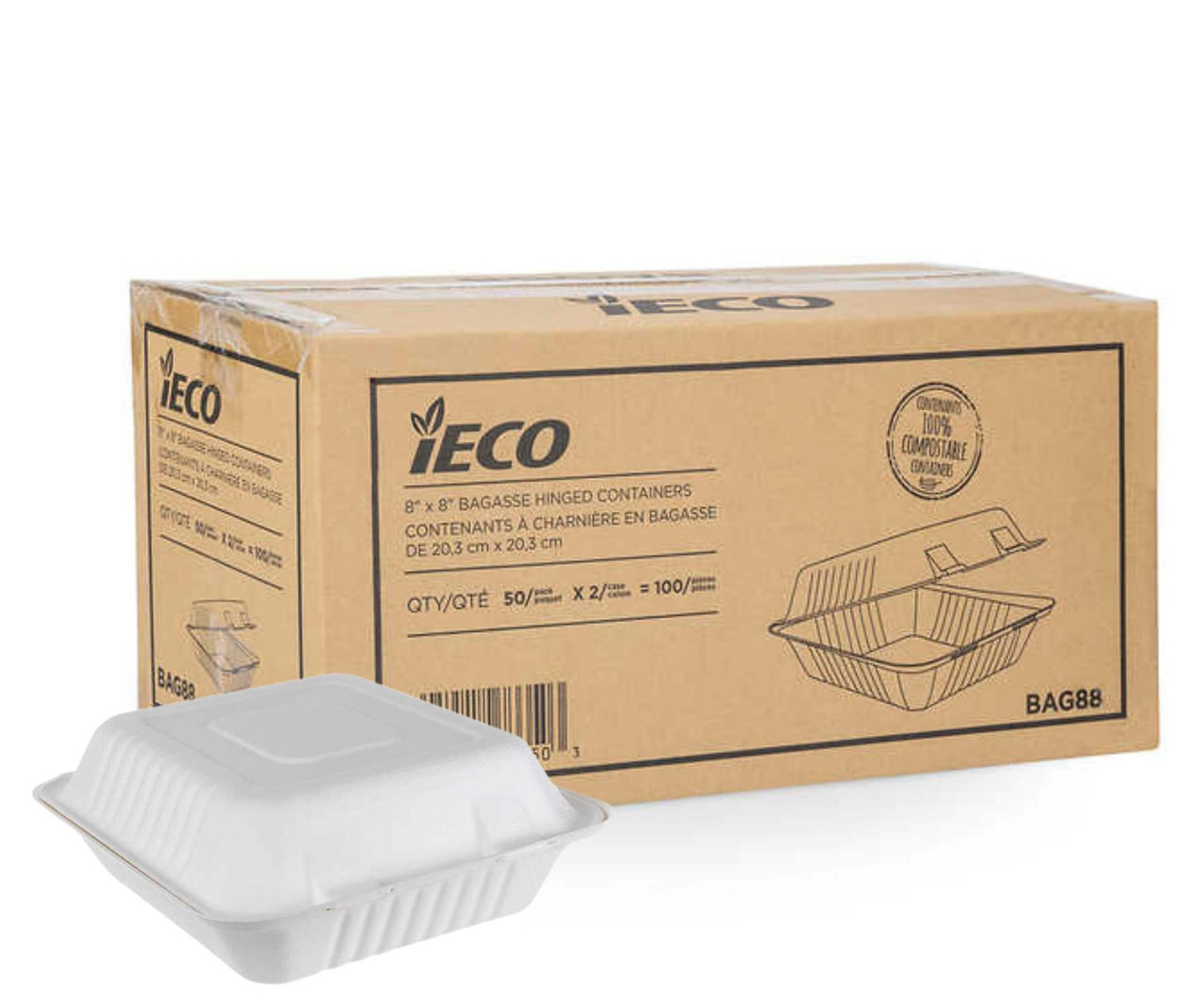
Bagasse comes from the fibrous residue of sugarcane after juice extraction. It forms a sturdy, water-resistant material without chemical coatings. This makes it ideal for serving hot foods in facility cafeterias or event catering. The structure holds up well under industrial sorting machinery pressure.
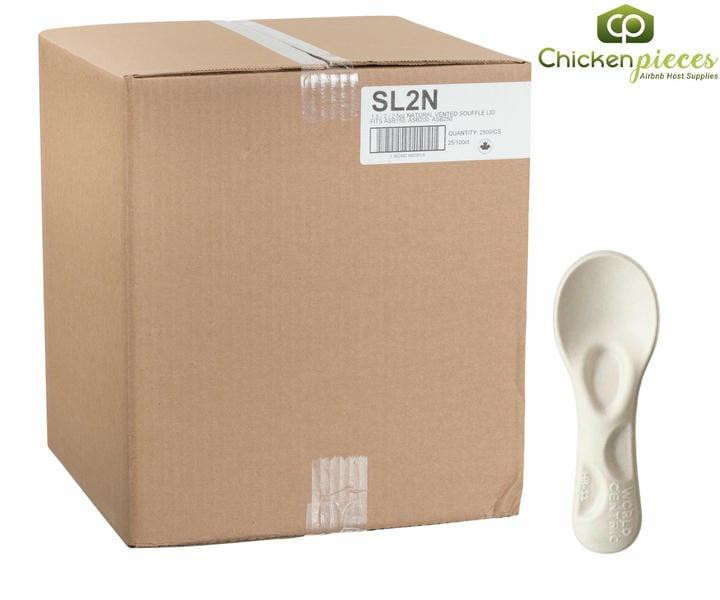
Fiber-based products like tasting spoons provide similar benefits for smaller items. They withstand brief contact with moisture and heat. Unlike traditional plastic, these fibers return to soil nutrients when processed correctly. They leave no microplastic residue in the environment.
Understanding material density helps select appropriate items. Heavy-duty bags require thicker fiber walls to prevent tearing during waste collection. Lighter plates can use thinner layers. Match the product strength to your specific usage scenario for best performance.
Industrial Waste Processing Realities
Large scale operations generate high volume waste requiring specialized handling equipment and processes.
Industrial facilities process tons of organic material daily. They rely on consistent input quality to maintain efficient digestion rates. Contaminated loads slow down the entire operation and may be rejected. Facility operators must ensure only certified items enter the organics bin.
Sorting equipment separates materials based on density and composition. Compostable plastics designed for industrial use pass through these screens correctly. Home compost items might break apart too early or clog machinery. This distinction affects operational efficiency significantly.
Volume management is key for large sites. Bulk cases reduce packaging waste from individual units. Ordering full cases of compostable bags and containers streamlines storage. It also ensures consistent supply during peak occupancy periods without emergency orders.
Why Home Composting Fails Here
Residential systems lack the intensity needed for most certified industrial compostable products.
Home compost piles rarely reach temperatures above fifty degrees Celsius. Most industrial-certified items require higher heat to break chemical bonds. Without sufficient heat, these materials persist for years. They act like plastic pollution in your garden soil.
Moisture control is difficult in residential settings. Too little moisture stalls decomposition. Too much creates anaerobic conditions and odors. Industrial facilities manage humidity precisely. Home users cannot replicate this environment reliably with standard bins or tumblers.
Time frames differ drastically. Industrial processing takes weeks. Home composting can take years for similar materials. If you need rapid breakdown, industrial certification is necessary. Do not assume all green-labeled products behave the same way in your backyard.
Choosing Correct Products For You
Match product certifications to your specific waste processing capabilities and volume needs.
Start by auditing your current waste stream. Identify where contamination occurs most frequently. Replace those items first with certified alternatives. Small changes yield significant improvements in overall purity and processing success rates over time.
Consider the end user experience. Guests expect sturdy plates and spoons. Cheap alternatives leak or break under pressure. Invest in quality bagasse products that perform well while meeting sustainability goals. Performance builds trust with your clientele.
Look for local suppliers who understand regional regulations. They can advise on accepted materials in your province. This knowledge prevents costly mistakes. Reliable partners provide consistent stock levels and timely delivery schedules for busy operations.
Rolling Out New Supplies Safely
Gradual introduction helps staff adapt to new sorting protocols without confusion.
Train staff thoroughly before switching supplies. Explain the difference between home and industrial compostables. Show physical examples of correct items. Hands-on demonstrations improve retention and reduce errors during busy service periods significantly.
Monitor bin contents closely for the first month. Check for common mistakes like plastic utensils in compost bins. Provide immediate feedback to teams. Correcting habits early prevents long-term contamination issues and maintains high processing acceptance rates.
Gather data on waste reduction. Track volume decreases in general trash. Measure increases in organics diversion. Use this information to justify further sustainability investments. Data supports continued commitment from management and stakeholders alike.
Home Vs Industrial Compostable Comparison
Use this table to determine if a product suits your facility's waste processing capabilities.
| Product Type | Breakdown Speed | Heat Requirement | Best Use Case |
|---|---|---|---|
| Bagasse Containers | Fast | High | Industrial Cafeterias |
| Paper Plates | Medium | Low | Home Gardens |
| Bioplastic Cutlery | Slow | High | Event Catering |
| Compostable Bags | Fast | High | Waste Collection |
| Fiber Spoons | Medium | Medium | Sampling Events |
| PLA Cups | Very Slow | High | Beverage Service |
| Cardboard Boxes | Medium | Low | General Packaging |
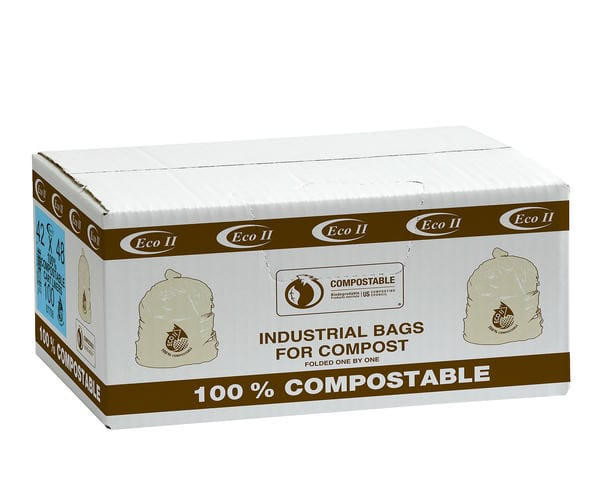
Featured Sustainable Supply Items
Browse our selection of certified compostable and eco-friendly products for your facility.

People Also Ask
Real questions buyers search before they order — answered straight.
What is the difference between compostable and biodegradable packaging?
Biodegradable simply means a material will eventually break down, with no promise of how long it takes or what it leaves behind, while compostable means it breaks down into safe, soil-like matter within a set time under the right conditions. In practice, compostable is the stricter, certified claim. For a facility, that distinction matters because only certified compostable items are accepted by most organics programs.
What happens to compostable packaging in landfill?
In a sealed landfill there is little oxygen, so even certified compostable packaging breaks down very slowly and may not compost at all — it needs the heat and airflow of a proper composting system to work as intended. That is why sending compostables to landfill wastes their main benefit. Diverting them to an organics stream, where your municipality allows it, is what actually delivers the environmental gain.
Why are some compostable bags not accepted in municipal green-bin programs?
Many municipal green-bin programs refuse compostable bags because their systems cannot tell a certified bag from a look-alike plastic one, and the wrong bag contaminates the whole load. Some facilities also process waste faster than these bags fully break down. Always check your local program's accepted-items list before buying, since rules vary widely across Canada.
What are the negatives of compostable packaging?
The main drawbacks are that compostable packaging usually needs an industrial composting facility to break down properly, is not always accepted curbside, and can cost more than conventional options. It can also underperform with very hot or greasy food unless it is designed for it. Weighing these against your local composting access helps you decide where the swap makes sense.
Does "100% biodegradable" mean the same as compostable?
No — a "100% biodegradable" label does not mean an item is compostable, because biodegradable has no time limit or standard behind it. Only packaging certified compostable to a recognised standard is guaranteed to break down cleanly in composting. Treat vague "biodegradable" claims with caution and look for a certification mark instead.
Which is better for a facility, compostable or biodegradable packaging?
For most facilities, certified compostable packaging is the better choice when you have access to an organics or industrial composting stream, since it is held to a clear standard and diverts waste. Where no composting access exists, a genuinely recyclable option may do more good than a compostable one that ends up in landfill. Match the material to the disposal routes your site actually has.
What Canadian Facility managers say
Feedback from Canadian property managers and facility operators follows below.
Switching to these bagasse containers reduced our landfill waste significantly. Guests appreciate the sturdy quality, and our waste hauler reports cleaner organics loads now. Highly recommended for large venues.
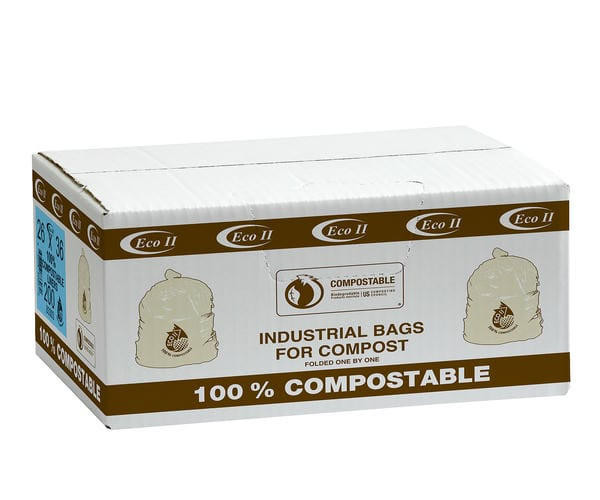
The compostable bags hold up well with heavy debris. No tears during transport to the processing center. Our team finds them easy to use and they meet all our environmental compliance goals perfectly.
We needed reliable fiber spoons for tasting events. These worked great without bending or leaking. Guests noticed the eco-friendly effort, which boosted our brand image considerably this season.
Composting Questions: Frequently Asked Questions
The following operator questions are answered with cited sources. Every FAQ links to the community thread, buyer guide, or regulator page it was researched from.
What is the difference between home compostable and industrial compostable packaging?
Products referenced:
- Compostable Clamshell, Bagasse, 9x9 inch
- Compostable Cutlery Set, CPLA, Food Service Pack
- Compostable Straws, Paper, Unwrapped, 200-Pack
Source: Vermont: How to compost without attracting bears - r/composting
Can industrial compostable packaging go in home compost?
Products referenced:
- Compostable Clamshell, Bagasse, 9x9 inch
- Compostable Bowl, PLA, 12 oz, Food Service Pack
Source: Zero waste/truly sustainable packaging solutions - r/ZeroWaste
What certifications should I look for when buying compostable packaging for my restaurant?
Products referenced:
- Compostable Clamshell, Bagasse, BPI Certified, 9x9 inch
- Compostable Cutlery Set, CPLA, BPI Certified, Food Service Pack
Source: What Is Industrial Compost Vs Home Compost? - BioLeader
How much more does compostable packaging cost vs conventional plastic?
Products referenced:
- Compostable Clamshell, Bagasse, 9x9 inch, Case of 200
- Compostable Cutlery Set, CPLA, Food Service Pack, Case of 500
Source: Why doesn't McDonalds use compostable packaging? - Quora
What happens if I put industrial compostable packaging in the recycling bin?
Products referenced:
- Compostable Cup, PLA, 16 oz, Food Service Pack
- Compostable Clamshell, Bagasse, 9x9 inch
Source: Home Compostable vs Industrial Compostable Packaging - Zeropack
Does Canada have composting infrastructure for food service packaging?
Products referenced:
- Compostable Clamshell, Bagasse, 9x9 inch
- Compostable Bowl, Bagasse, 24 oz, Food Service Pack
Source: Are there any truly sustainable take away containers? - r/sustainability
What is the best compostable alternative to plastic takeout containers?
Products referenced:
- Compostable Clamshell, Bagasse, 9x9 inch
- Compostable Cutlery Set, CPLA, Food Service Pack
- Compostable Cup, PLA-Lined Paper, 16 oz
Source: Home vs. Industrial Composting: A Restaurant Guide - Greenprint
How do I label compostable packaging correctly to avoid greenwashing claims?
Products referenced:
- Compostable Clamshell, Bagasse, BPI Certified, 9x9 inch
- Compostable Cutlery Set, CPLA, BPI Certified, Food Service Pack
Source: Home Compostable vs Industrial Compostable Packaging - HEMC Bags
Related guides from ChickenPieces
Why Buy From ChickenPieces
We provide reliable supply solutions tailored to Canadian facility needs.
Local Calgary Inventory
Our warehouse holds stock ready for rapid dispatch across Alberta and Western Canada. This ensures you never face shortages during peak operational periods or unexpected demand spikes.
Verified Product Quality
We source only certified compostable materials that meet strict environmental standards. Every item undergoes checks to guarantee performance and compliance with waste processing facility requirements.
Expert Support Team
Our staff understands the nuances of sustainable supply chains. They assist with product selection, ordering logistics, and answering technical questions about material compatibility and usage guidelines.
Regulatory Compliance Focus
All products align with Health Canada or CFIA compliance standards where applicable. We help you maintain legal adherence while transitioning to more sustainable operational practices effectively.
Sources & further reading
- When 'compostable' products become litter — CBC Marketplace
- What goes in my Green Bin — City of Toronto
- Compostability Standards and Certification Protocol — CCME
Request Your Supply Quote Today
Contact our team to discuss your specific volume needs and sustainability goals. We will provide a customized quote for your facility's requirements.
Request a QuoteReferences: Health Canada - Food Packaging Materials CFIA - Food Allergen Labelling for Industry.