
2026 Jul 12th
Commercial Appliances Boost Short-Stay Rental Durability
Commercial appliances outperform residential units in rental settings through superior build quality and continuous-duty motors. They handle frequent use without failure, reducing repair costs for hosts. Choose commercial grade for long-term property value.
Commercial Appliances Boost Short-Stay Rental Durability and Efficiency
Property managers and facility operators need equipment that withstands heavy use. Commercial units provide the reliability required for high-turnover short-stay rentals.
Key Takeaways
Key reasons to upgrade your facility equipment include durability, speed, and simplified maintenance protocols.
Superior Build Quality
Stainless steel exteriors resist scratches and stains better than residential finishes. This material choice ensures the unit looks new even after years of heavy guest usage.
Continuous Duty Motors
These units run non-stop without overheating issues common in home models. Guests appreciate consistent performance during peak morning hours when many use the kitchen simultaneously.
Easier Maintenance Access
Standardized parts make repairs faster and simpler for technicians. You can replace components quickly rather than waiting for specialized residential service appointments that delay operations.
Higher Power Output
Commercial microwaves heat food much faster than home versions. This speed improves guest satisfaction by reducing wait times for meals during busy check-in periods at your property.
Reduced Repair Frequency
Built for industrial use, these appliances require less frequent servicing. Investing in higher-quality equipment upfront saves money on long-term maintenance contracts and emergency fixes.
Professional Aesthetic Appeal
A kitchen with commercial-grade gear signals quality to guests. This perception enhances your property rating and justifies premium pricing for short-term stays in competitive markets.
Why Commercial Units Last Longer
Industrial design standards ensure equipment survives heavy daily use without breaking down.
Residential appliances are designed for occasional family use, not constant operation. They often fail under the stress of high-volume rental environments where multiple guests cook back-to-back. Commercial units feature reinforced chassis and heavy-duty components built to withstand this rigorous daily demand without compromising structural integrity over time.
Stainless steel construction is standard in commercial models for good reason. It resists corrosion, stains, and physical damage far better than the painted plastics found in home kitchens. This material choice keeps your rental units looking pristine despite frequent cleaning cycles and rough handling by unfamiliar guests who may not treat appliances gently.
Thermal management systems in commercial gear prevent overheating during extended use. Residential microwaves often shut down or lose efficiency when used repeatedly in short bursts. Commercial versions maintain consistent power output, ensuring reliable performance whether it is breakfast, lunch, or dinner time for your tenants.
Speed and Power Differences Explained
Higher wattage ratings mean faster cooking times and better efficiency for busy properties.
Wattage directly impacts cooking speed in microwave ovens. A higher wattage unit heats food significantly faster than a lower-powered residential model. This efficiency is critical in short-stay rentals where guests expect quick meal preparation without long waits for their appliances to complete basic tasks.
Power consistency matters more than peak output alone. Commercial units deliver steady energy throughout the cooking cycle, resulting in evenly heated meals. Residential models often fluctuate in power, leading to cold spots or uneven textures that frustrate users and reflect poorly on your property amenities.
Efficiency extends beyond just speed to energy consumption patterns. While commercial units draw more power per minute, their rapid completion times often result in lower total energy usage per meal compared to inefficient residential models running for extended periods. This balance supports operational cost control.
Simplifying Repairs and Service Intervals
Standardized components reduce downtime and simplify the maintenance workflow for facility teams.
Repair availability is a major advantage of commercial equipment. Parts are widely stocked and standardized across brands, allowing technicians to fix issues quickly. Residential models often require specific parts that may be discontinued or hard to source, leading to prolonged equipment absence.
Service intervals are less frequent with industrial-grade appliances. Their sturdy construction means they do not need constant attention or minor adjustments. This reliability allows property managers to focus resources on other operational needs rather than managing frequent appliance breakdowns in rental units.
Diagnostic features in commercial units help identify issues early. Many models provide error codes that guide technicians directly to the problem area. This transparency reduces diagnostic time and ensures accurate repairs, preventing unnecessary part replacements that increase maintenance costs for your business.
Enhancing Tenant Satisfaction Through Gear
Reliable amenities improve guest reviews and support higher occupancy rates for your properties.
Guest expectations include fully functional, high-quality amenities. A broken or slow microwave ruins the convenience factor that short-stay travelers seek. Providing commercial-grade equipment ensures consistent performance, contributing to positive reviews and repeat business from satisfied customers who value reliability.
Professional appearance influences perceived property quality. Guests associate commercial appliances with cleanliness and modern standards. This visual cue enhances the overall impression of your rental, making it stand out in competitive markets where amenities play a key role in booking decisions.
Speed translates to convenience for time-poor travelers. Quick meal preparation allows guests to maximize their stay for leisure or work. By reducing wait times associated with cooking, you enhance the overall experience and demonstrate attention to detail in your property management approach.
Preparing Your Facility for Upgrades
Proper electrical preparation ensures safe and efficient operation of new commercial units.
Electrical capacity is the first consideration for upgrades. Commercial microwaves often require dedicated circuits with higher amperage ratings. Verify your property's electrical infrastructure can support these demands before installing new equipment to avoid safety hazards or tripped breakers during use.
Ventilation requirements differ between residential and commercial models. Industrial units generate more heat and need adequate airflow to operate safely. Ensure installation locations meet manufacturer specifications for clearance to prevent fire risks and maintain appliance efficiency during operation.
Accessibility matters for both users and maintenance staff. Install appliances at ergonomic heights and ensure easy access for cleaning and repairs. Proper placement reduces strain on guests and simplifies routine upkeep tasks for your facility management team.
Calculating Return on Investment
Higher initial costs are offset by reduced repairs and longer equipment lifespans.
Initial purchase price is only one factor in total cost of ownership. Commercial appliances last significantly longer than residential alternatives, reducing replacement frequency. This longevity translates to substantial savings over the life of the equipment for property managers focused on budget efficiency.
Repair costs decline with durable equipment investments. Fewer breakdowns mean lower expenditure on service calls and parts. Property operators save money by avoiding emergency repairs that disrupt guest experiences and incur premium labor rates from technicians working outside normal hours.
Resale value of properties improves with quality amenities. Prospective buyers or investors view commercial-grade equipment as a sign of well-maintained facilities. This perception can enhance property valuation and attract higher-quality tenants willing to pay premium rates for superior accommodations.
Commercial vs Residential Appliance Comparison
Compare key features to determine the best fit for your rental property needs.
| Feature | Residential Unit | Commercial Unit | Rental Impact |
|---|---|---|---|
| Build Material | Plastic/Painted Steel | Stainless Steel | Durability |
| Wattage Range | 600-1000W | 1000-3000W | Speed |
| Duty Cycle | Intermittent Use | Continuous Operation | Reliability |
| Repair Parts | Limited Availability | Standardized Stock | Maintenance |
| Service Life | 5-7 Years | 10+ Years | Longevity |
| Guest Perception | Basic Expectation | Premium Quality | Reviews |
| Initial Cost | Lower Price | Higher Investment | Budget |
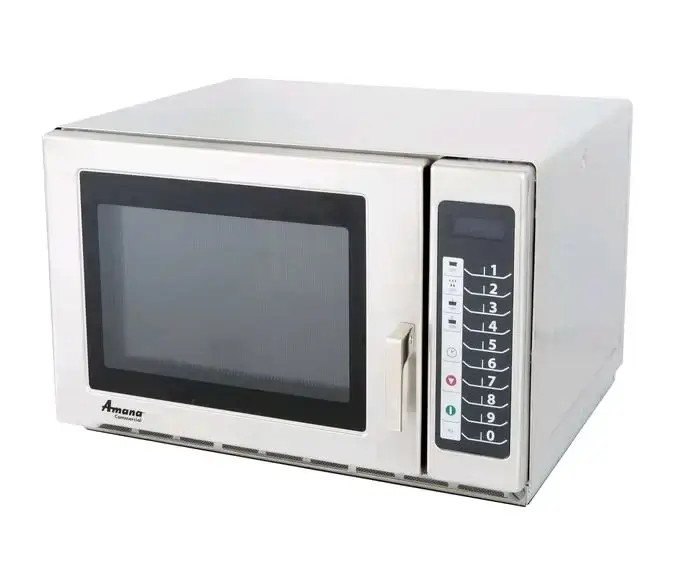
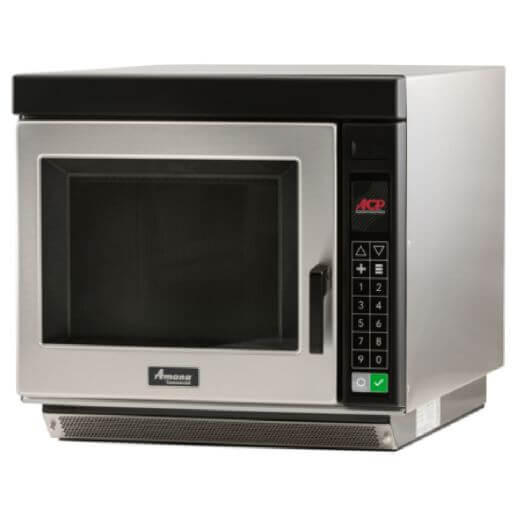
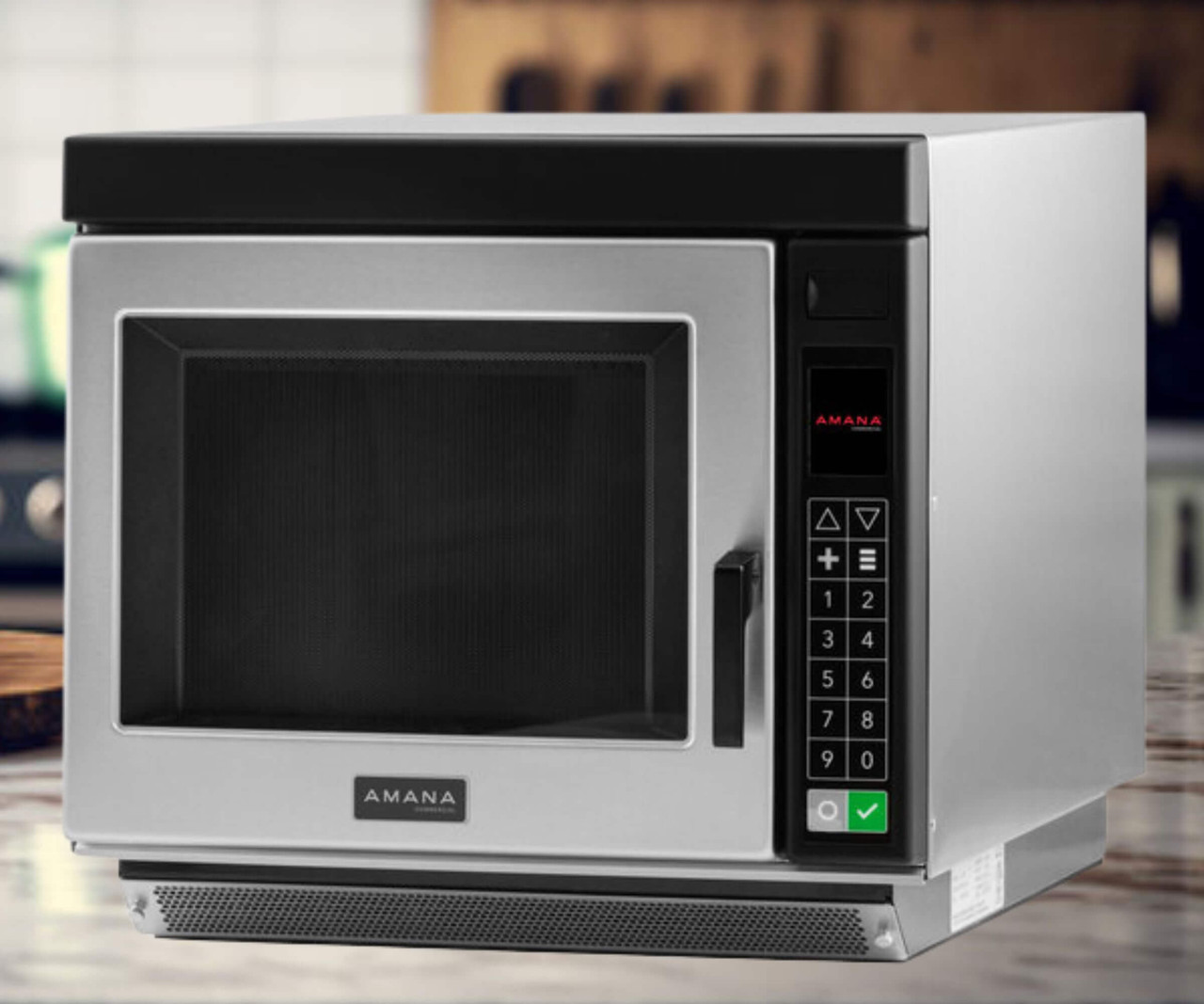
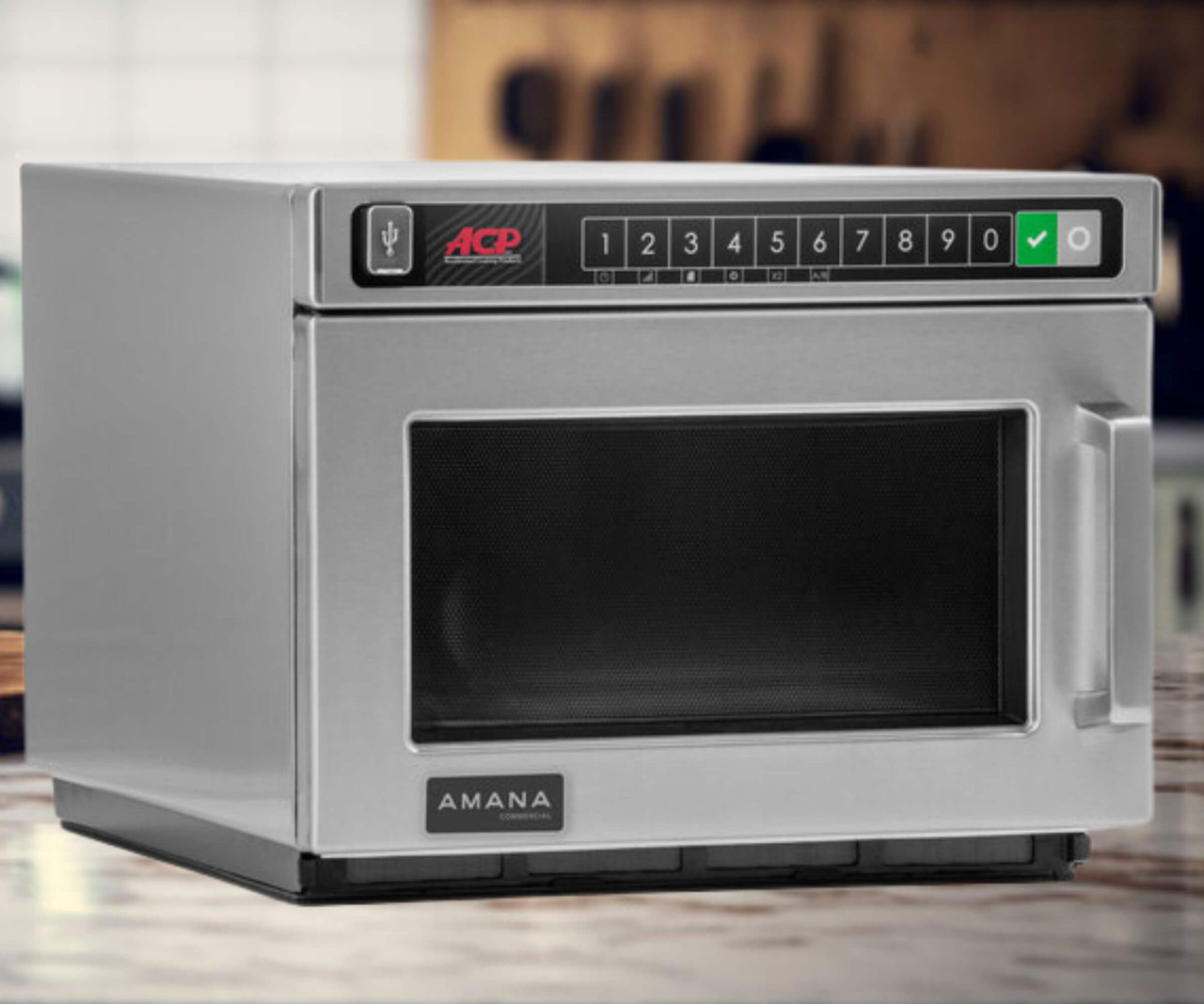
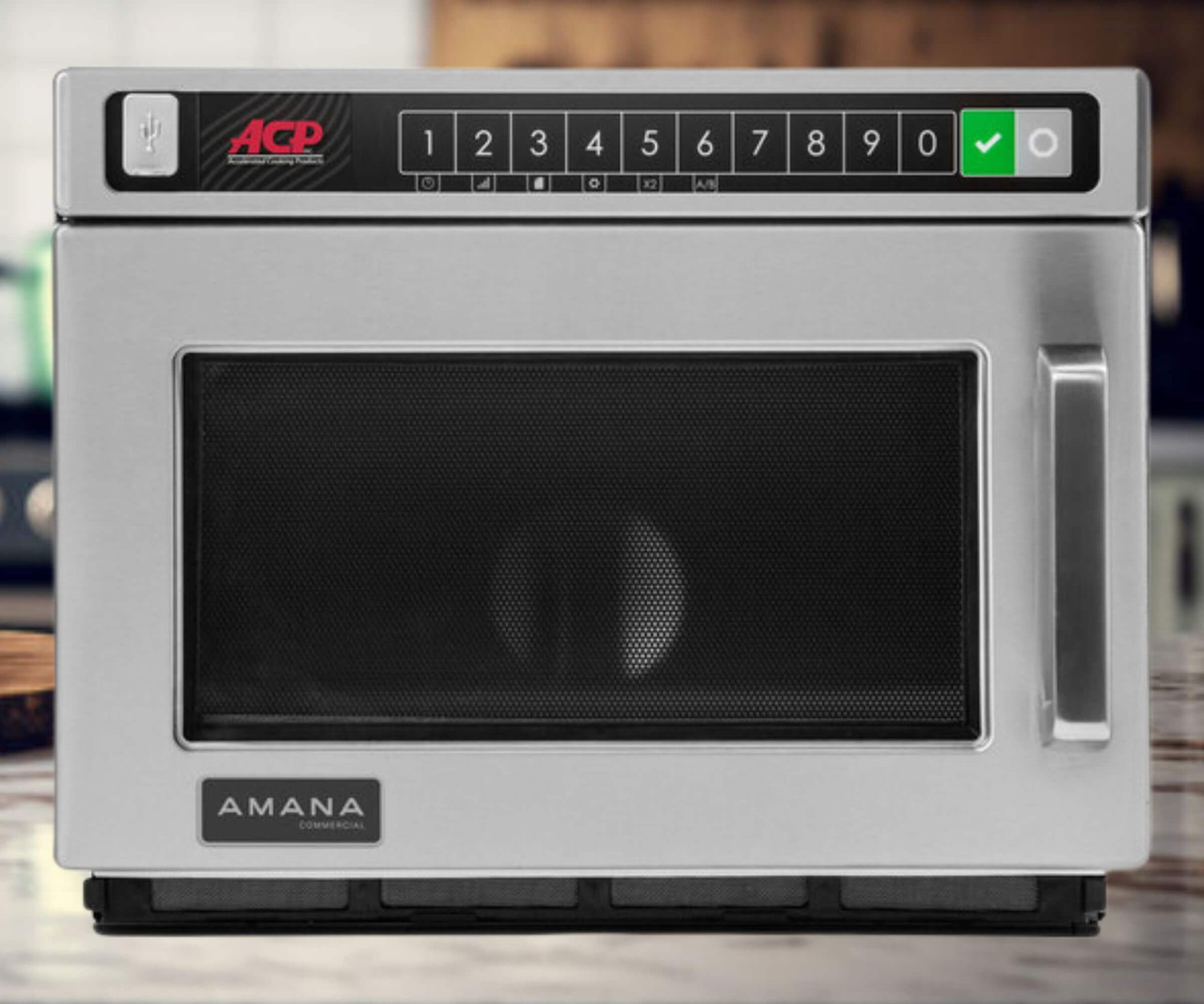
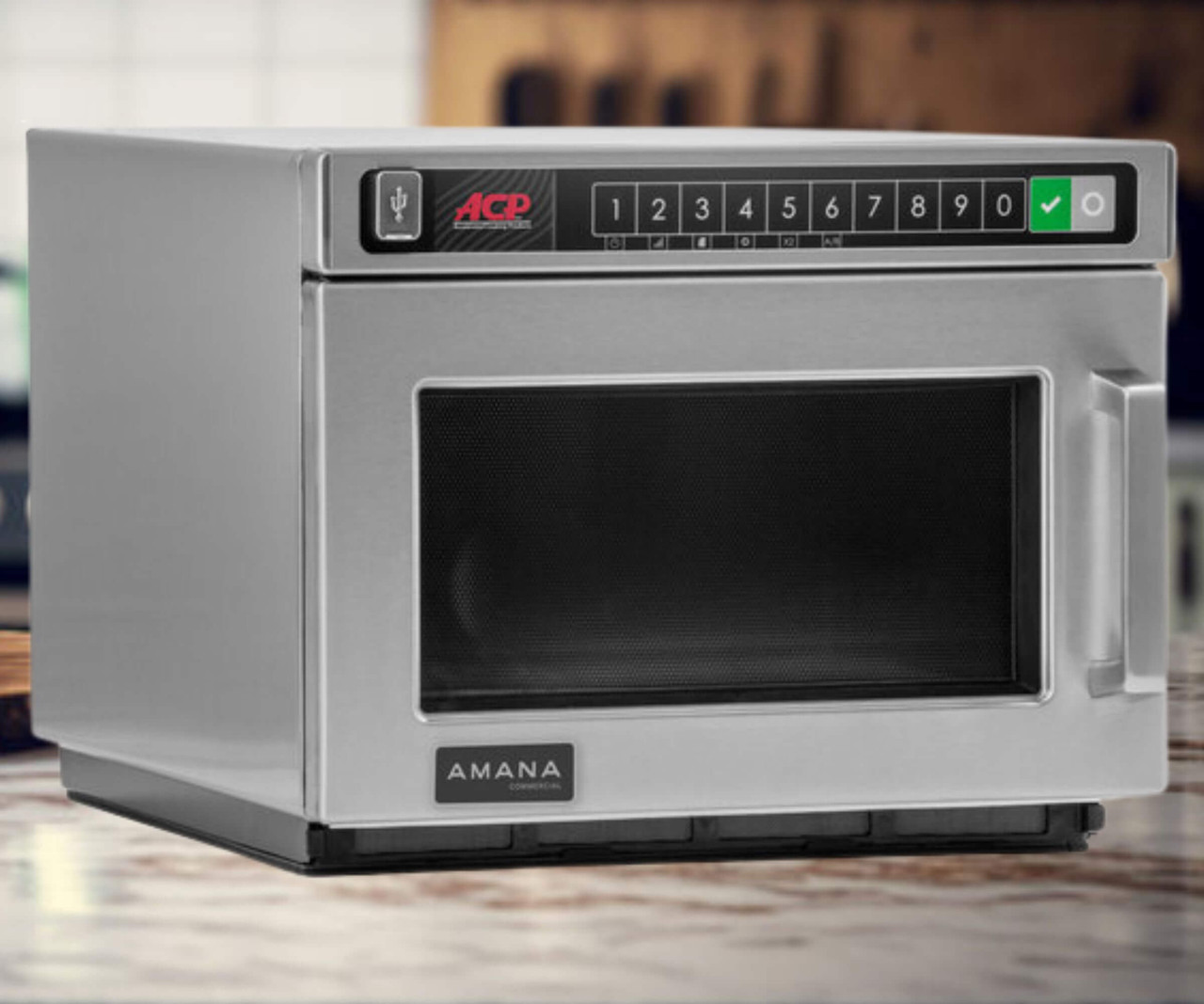
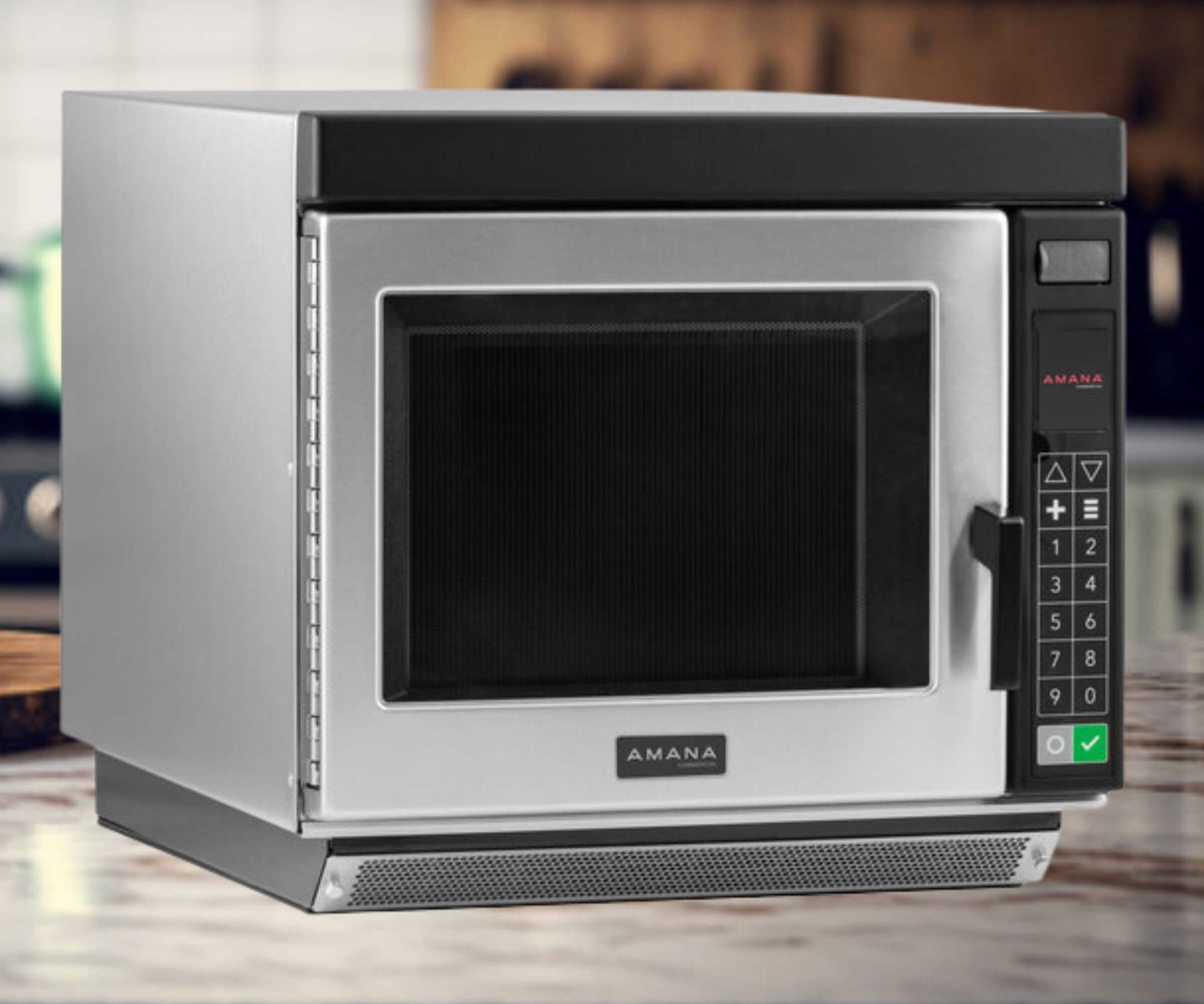
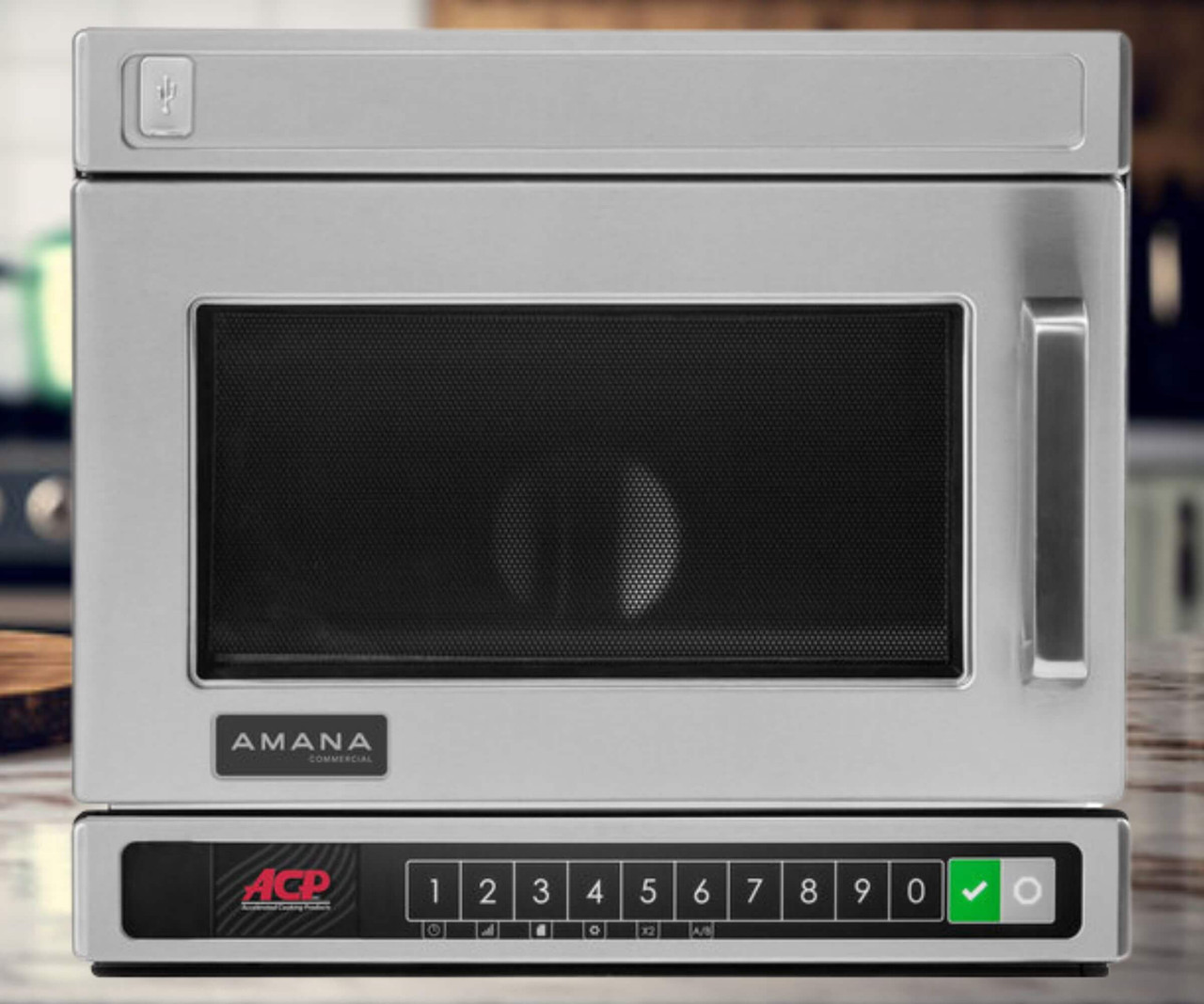
Browse Commercial Microwave Options
Select from our range of durable, high-performance microwaves designed for rental properties.

People Also Ask
Real questions buyers search before they order — answered straight.
Should a short-stay rental use commercial or residential appliances?
For most rentals, durable residential appliances strike the best balance of guest familiarity, quiet running, and easy use, with commercial units reserved for spots that see very heavy turnover. Guests generally find home-style controls simpler, which cuts damage and support messages. Match the choice to how hard the kitchen is really used between stays.
Are commercial appliances too complicated for guests to use?
They can be — commercial controls are designed for trained staff, so unfamiliar guests may struggle or misuse them. If you do fit commercial units, leave clear, simple instructions and choose models with straightforward operation. For many hosts, guest-friendly residential appliances avoid the problem altogether.
Do commercial appliances survive heavy guest turnover better than home models?
Generally yes — they are built for constant use and rough handling, which suits a busy rental better than lighter home units. The trade-off is higher upfront cost, more space, and sometimes louder operation. For high-occupancy listings, that extra toughness can reduce replacements and downtime.
Are commercial appliances noisier, and will that bother guests?
Some commercial units run louder than residential models because they prioritise output and cooling over quiet operation. In an open-plan rental that noise can affect the guest experience, so check sound levels before buying. Where quiet matters, a quality residential appliance is often the better fit.
Does putting commercial appliances in a rental affect insurance or permits?
It can, since some appliances or installations carry requirements around wiring, ventilation, or certification that your policy or local rules may reference. Always confirm units are properly certified and installed, and check your cover before adding heavy equipment. This is general information, not legal or insurance advice.
What is the difference between commercial-grade and truly commercial appliances for a rental?
Commercial-grade usually means a home appliance styled or partly upgraded to feel professional, while a truly commercial unit is built and certified for continuous professional use. For a rental, a commercial-grade residential model often gives a premium feel without the bulk and complexity of full commercial equipment. Read the specification, not just the label.
What Canadian property managers say
Read feedback from Canadian property managers who upgraded their facilities.
Switching to these commercial units reduced our repair calls by half. Guests appreciate the fast heating, and the stainless steel cleans up easily after every checkout. Highly recommended for busy properties.
The durability is impressive. We have had zero failures in eighteen months despite heavy use by short-term tenants. The investment paid off quickly through reduced maintenance costs and happier guests overall.
Installation was straightforward with our electrician. The power output makes a huge difference in guest satisfaction during peak hours. Our online reviews have improved since upgrading the kitchen equipment.
Installation Queries: Frequently Asked Questions
The following operator questions are answered with cited sources. Every FAQ links to Health Canada, CFIA, Canada.ca, or another authoritative regulator.
What are the best bulk toiletries for Airbnb in Canada?
Products referenced:
- shampoo
- conditioner
- body wash
- hand soap
- toiletries
Where can I buy bulk shampoo for my Airbnb in Canada?
Products referenced:
- shampoo
- toiletries
What is the best soap dispenser for vacation rentals?
Products referenced:
- soap dispenser
- shampoo
- body wash
How much should I budget for Airbnb toiletries per guest?
Products referenced:
- shampoo
- conditioner
- body wash
- hand soap
- toiletries
What eco-friendly toiletries are best for Airbnb Canada?
Products referenced:
- shampoo
- conditioner
- body wash
- toiletries
How do I stock toiletries for cleaner Airbnb turnovers?
Products referenced:
- shampoo
- conditioner
- body wash
- soap dispenser
- toiletries
What hotel-quality toiletries brands are available in Canada?
Products referenced:
- shampoo
- conditioner
- body wash
- toiletries
What toiletries do Airbnb guests expect in Canada?
Products referenced:
- shampoo
- conditioner
- body wash
- hand soap
- toiletries
Related guides from ChickenPieces
Why Choose ChickenPieces
We provide reliable supply solutions tailored to Canadian rental industry needs.
Local Calgary Support
Our team understands regional requirements. We offer personalized service and quick response times to assist with product selection and technical queries for your specific property setup.
Quality Assurance
We stock only trusted brands known for durability. Each unit undergoes inspection before shipping to ensure it meets our high standards for performance and reliability in rental environments.
Fast Delivery
Efficient logistics minimize downtime for your properties. We coordinate shipments to arrive promptly, ensuring you can upgrade amenities without delaying guest bookings or operational schedules.
Regulatory Compliance
All products meet Health Canada safety standards. We ensure every item complies with federal regulations, giving you peace of mind regarding legal requirements for commercial equipment usage.
Request a Quote Today
Contact our team to discuss your specific appliance needs. We will provide a tailored proposal that fits your budget and operational goals.
Request a Quote