
2026 Jul 11th
Commercial vs Residential Appliances: Is Restaurant-Grade
Restaurant-grade appliances justify the investment for high-volume operations. They withstand continuous use better than residential units. This durability reduces downtime and maintenance frequency significantly.
Commercial vs Residential Appliances: Is Restaurant-Grade Worth It for You?
This guide helps facility managers determine if upgrading to heavy-duty commercial appliances improves operational reliability and reduces long-term maintenance costs.
Key Takeaways
Key factors influencing your decision include power requirements, usage intensity, and long-term reliability needs.
Durability Matters Most
Commercial units build with thicker materials. They resist dents and wear from constant handling better than standard home models found in retail stores.
Power Efficiency Gains
Higher wattage options reduce cooking time. Faster cycles mean lower energy consumption per unit prepared, saving costs over extended operational periods daily.
Voltage Requirements Vary
Check your electrical panel before buying. Some models require dedicated circuits or 208/240V connections, which impacts installation planning and infrastructure upgrades needed.
Warranty Coverage Differs
Commercial warranties often cover parts labor differently. Understand the terms clearly to avoid unexpected service fees when machinery fails under heavy daily usage conditions.
Space Planning Is Key
Measure your kitchen area carefully. Commercial appliances are larger and require specific ventilation clearances. Proper spacing ensures safe operation and easier cleaning access daily.
Resale Value Retention
Heavy-duty equipment holds value longer. When upgrading or moving, you can recoup more from selling used commercial units compared to worn-out residential alternatives quickly.
Assessing Your Daily Operational Volume
Determine how many times the appliance runs daily to gauge necessary durability levels.
Residential appliances design for intermittent use. A home microwave might run three times a day. Commercial environments require units handling dozens of cycles continuously. Understanding this difference prevents premature equipment failure in busy settings where downtime affects service quality significantly.
High-volume facilities like hotels or corporate cafeterias see constant traffic. Residential units overheat quickly under such stress. Commercial models feature better cooling systems and reinforced components. These features ensure reliable operation throughout long shifts without performance degradation or frequent breakdowns.
Evaluate your peak demand carefully. If you operate near capacity daily, residential gear will fail sooner. Investing in commercial grade equipment provides peace of mind. It handles the load efficiently, ensuring consistent service delivery to guests or employees without interruption or delays.
Understanding Voltage and Power Requirements
Check your facility electrical capacity before selecting equipment to ensure compatibility.
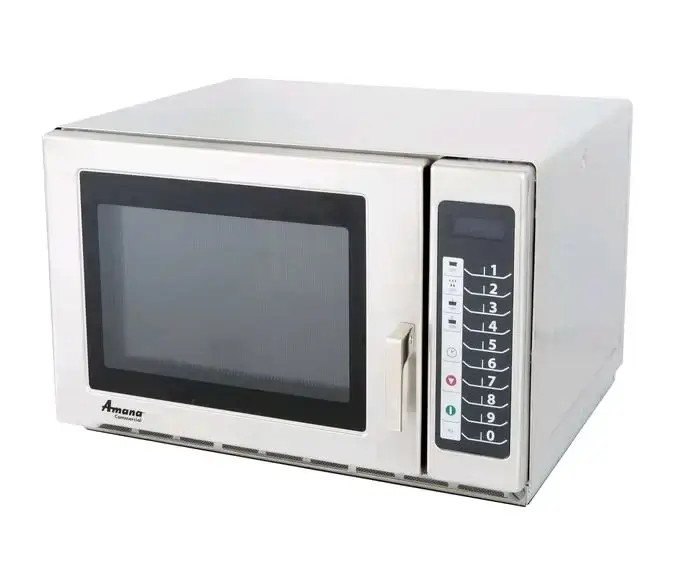
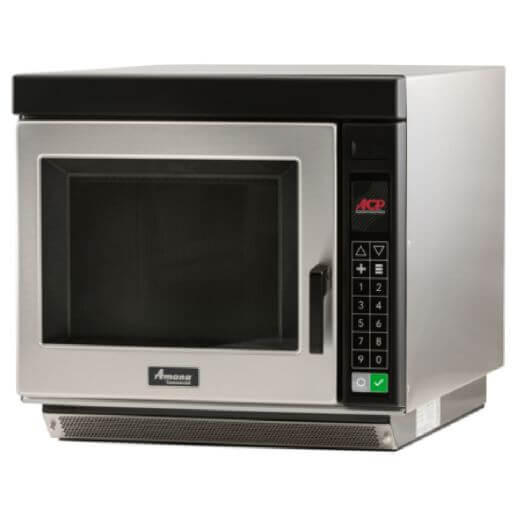
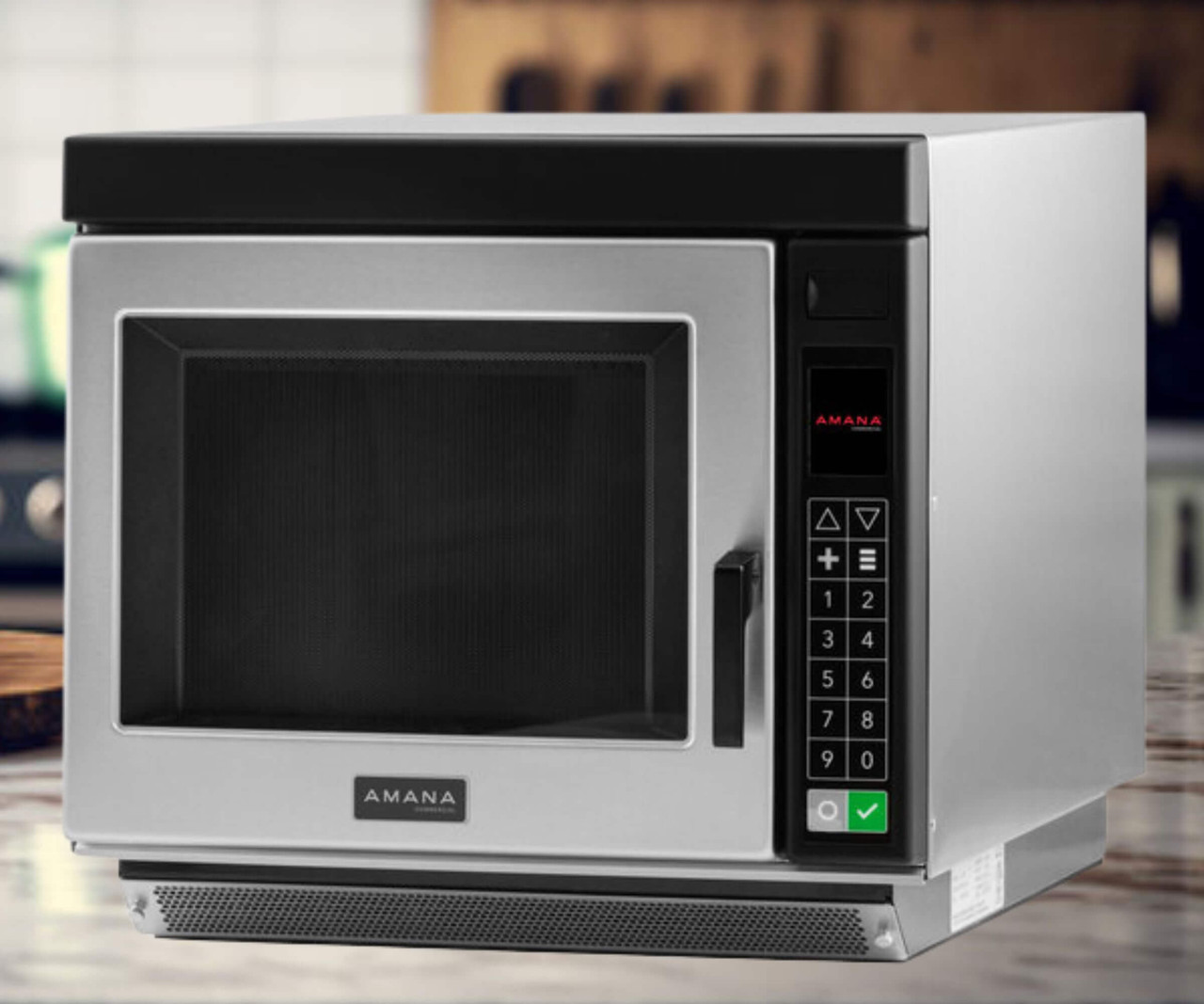
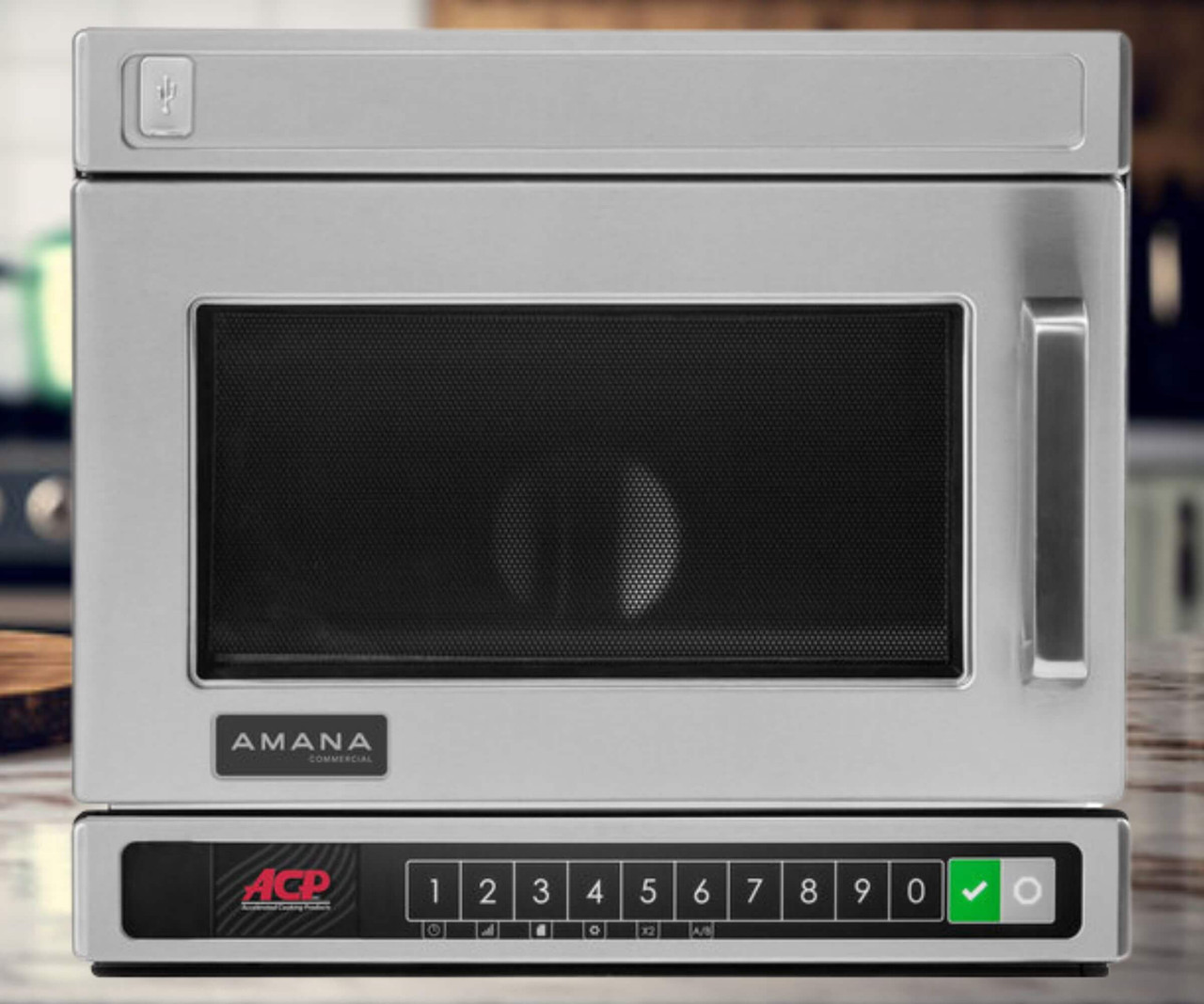
Many commercial microwaves require 208 or 240 volts. Standard outlets provide only 120 volts. Installing these units needs professional electrical work. Ensure your building supports the higher load to avoid fire hazards and ensure optimal performance from day one of operation.
Higher wattage models cook faster and more evenly. This efficiency saves time and energy costs over time. However, they draw more current. Verify your panel can handle the additional load safely before purchasing any heavy-duty commercial appliance for your kitchen setup.
Some facilities lack dedicated circuits for high-power devices. Retrofitting involves labor and materials costs. Factor these expenses into your budget planning. Proper installation ensures longevity and safety compliance, preventing costly repairs or insurance issues down the road for your business.
Material Quality And Build Standards
Commercial appliances use stainless steel and reinforced components for longevity.
Stainless steel resists corrosion and stains better than plastic. It cleans easily and looks professional. Commercial units prioritize these materials for hygiene and durability. They withstand harsh cleaning chemicals without degrading, maintaining appearance and function over many years of intensive use in demanding settings.
Interior cavities feature strong construction too. Glass turntables and waveguides reinforce against cracking. Residential parts break easily under thermal stress from repeated heating cycles. Commercial designs mitigate this risk, reducing replacement frequency and keeping operations running smoothly without interruption or delays.
Exterior finishes protect against dents and scratches. Busy kitchens see frequent movement of carts and supplies. Durable surfaces maintain a clean look despite heavy abuse. This resilience reduces visual wear, presenting a professional image to guests while extending the appliance's functional lifespan significantly.
Evaluating Long-Term Maintenance Expenses
Calculate repair costs versus replacement frequency to determine true value.
Residential units often lack repairable parts. Manufacturers design them as disposable items. When they break, you replace the whole unit. Commercial appliances allow component replacement, saving money. This modularity reduces waste and keeps operational costs lower over extended periods of heavy use daily.
Service contracts offer peace of mind for large fleets. Regular inspections catch small issues before they become big problems. Scheduled maintenance ensures peak efficiency and safety compliance. Investing in preventative care saves money compared to emergency repairs or full replacements later on.
Energy efficiency ratings matter for ongoing costs. Higher wattage doesn't always mean higher bills. Faster cooking times reduce total energy consumption per cycle. Calculate the net savings from efficiency gains against the initial purchase price to determine true financial benefit accurately.
Integrating Equipment Into Existing Layouts
Measure available space carefully to ensure proper fit and ventilation.
Commercial appliances are larger than residential counterparts. They need more counter space or dedicated cabinets. Plan your kitchen layout accordingly to accommodate size differences. Poor planning leads to cramped work areas that hinder staff movement and reduce overall operational efficiency daily.
Ventilation requirements vary by model type. Some units exhaust air externally, others internally. Check specifications before buying to ensure your ductwork supports the chosen appliance. Proper ventilation maintains indoor air quality and prevents heat buildup in tight spaces effectively.
Consider future expansion needs too. Buying slightly larger units now might save money later. Avoid constant replacements as volume grows. Strategic purchasing decisions today support scalable operations tomorrow, ensuring your facility remains efficient without major renovations or disruptions.
Accessing Reliable Technical Support Networks
Choose brands with strong local service networks for quick repairs.
Local technicians respond faster than distant ones. Proximity reduces downtime significantly during critical failures. Choose suppliers with established service networks in your area. Quick access to expertise ensures minimal disruption to daily operations and keeps guests satisfied consistently.
Training programs help staff use equipment correctly. Proper usage extends lifespan and prevents accidental damage. Offer regular training sessions for new hires and existing teams. Knowledgeable operators reduce wear and tear, maximizing investment returns over time effectively.
Spare parts availability matters greatly too. Some brands discontinue components quickly. Check part numbers and stock levels before committing. Reliable supply chains ensure you can maintain equipment without long waits for replacements, keeping operations running smoothly year-round.
Commercial Versus Residential Feature Comparison
Compare key attributes to decide which appliance type suits your operational needs best.
| Feature Category | Residential Unit | Commercial Unit | Impact On Operations |
|---|---|---|---|
| Build Material | Plastic/Thin Metal | Stainless Steel | Higher Durability |
| Power Output | 600-1200 Watts | 1000-3000 Watts | Faster Cooking Times |
| Voltage Input | 120 Volts Standard | 208/240 Volts Often | Needs Circuit Upgrade |
| Warranty Length | One Year Limited | Three Years Full | Lower Repair Costs |
| Daily Cycles | Under Ten Uses | Hundreds Of Uses | Handles Heavy Load |
| Service Access | Retail Store Only | Specialized Technicians | Faster Repairs Done |
| Initial Cost | Lower Price Point | Higher Investment | Better Long-Term Value |
Browse Our Selection
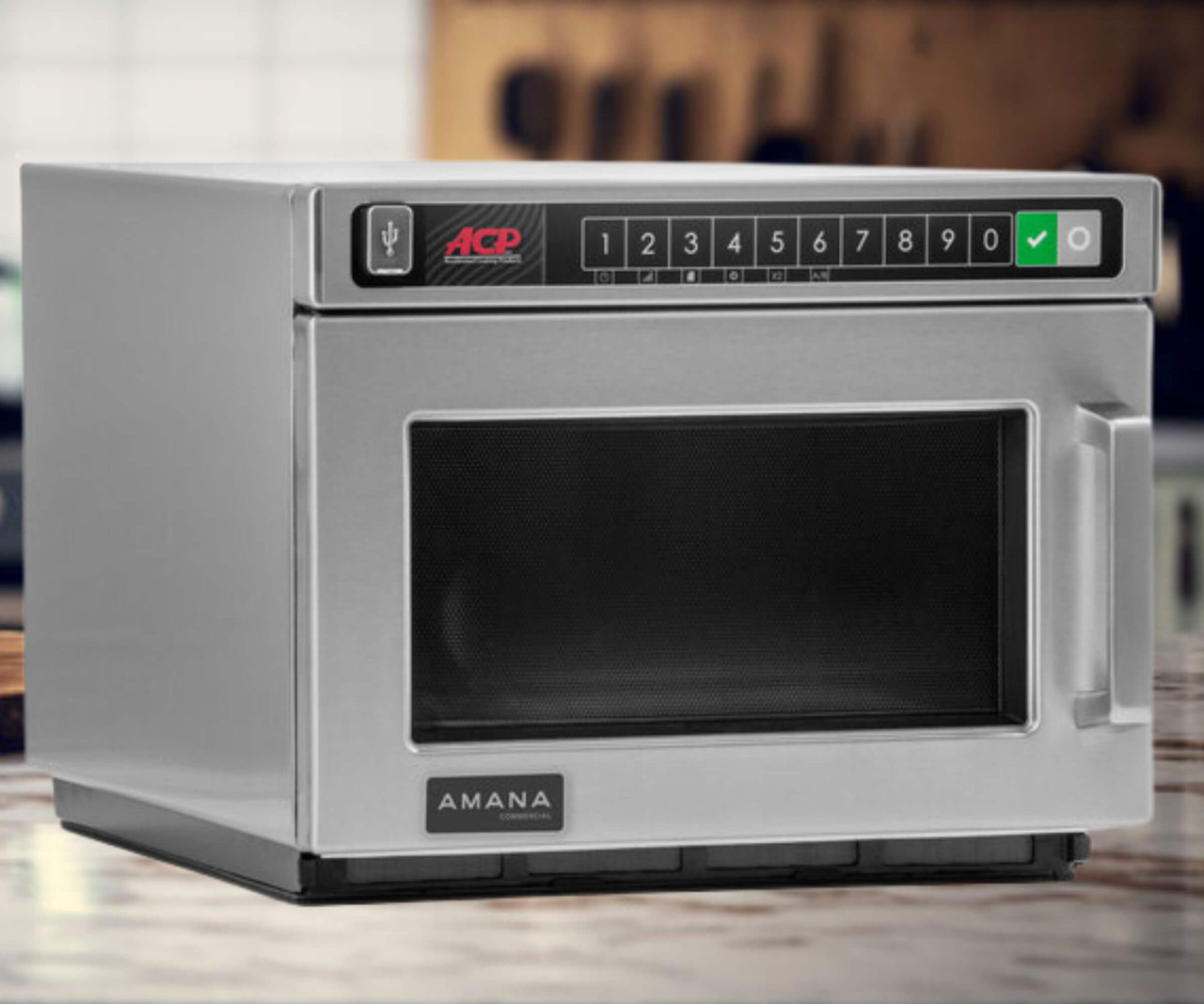
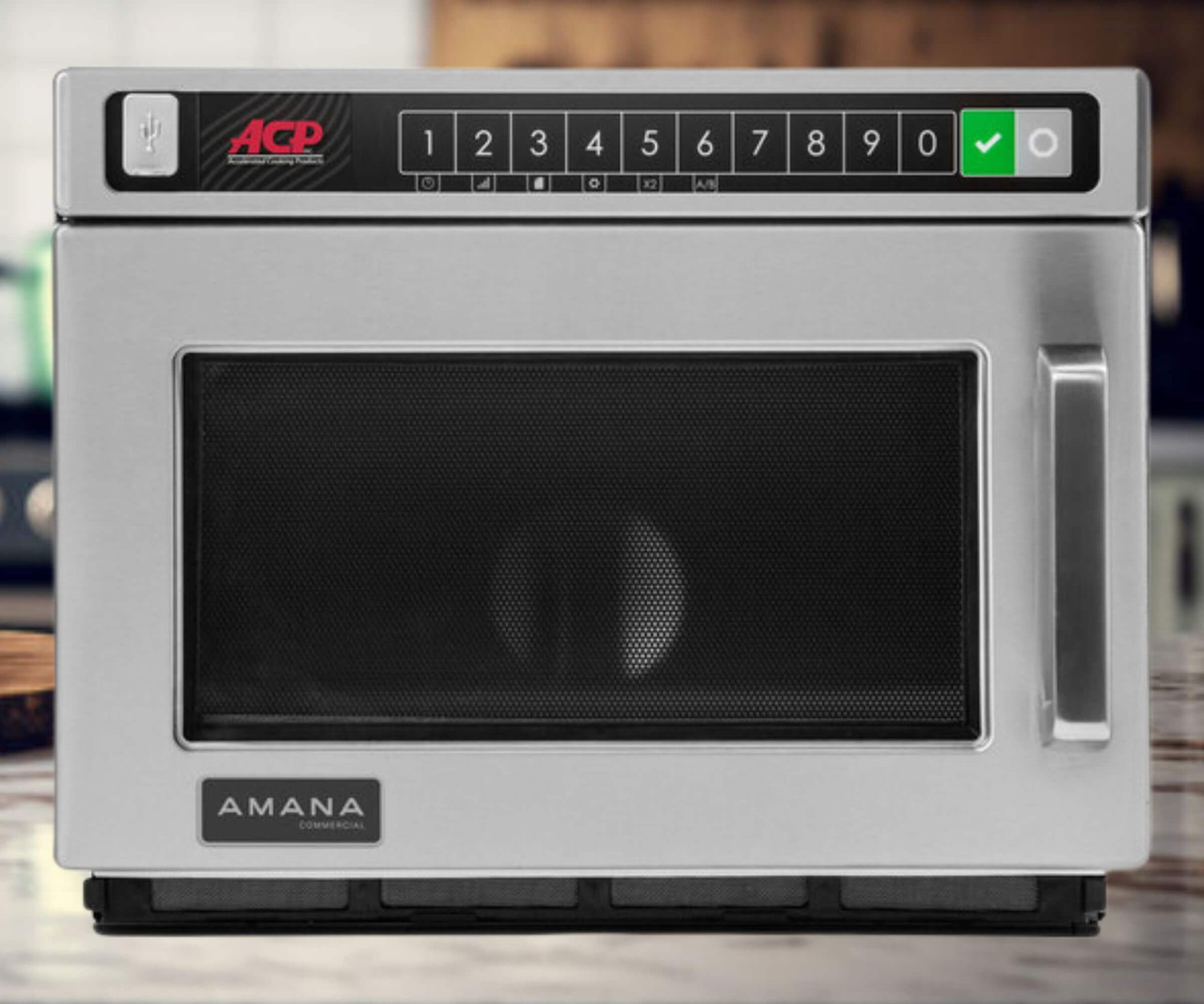
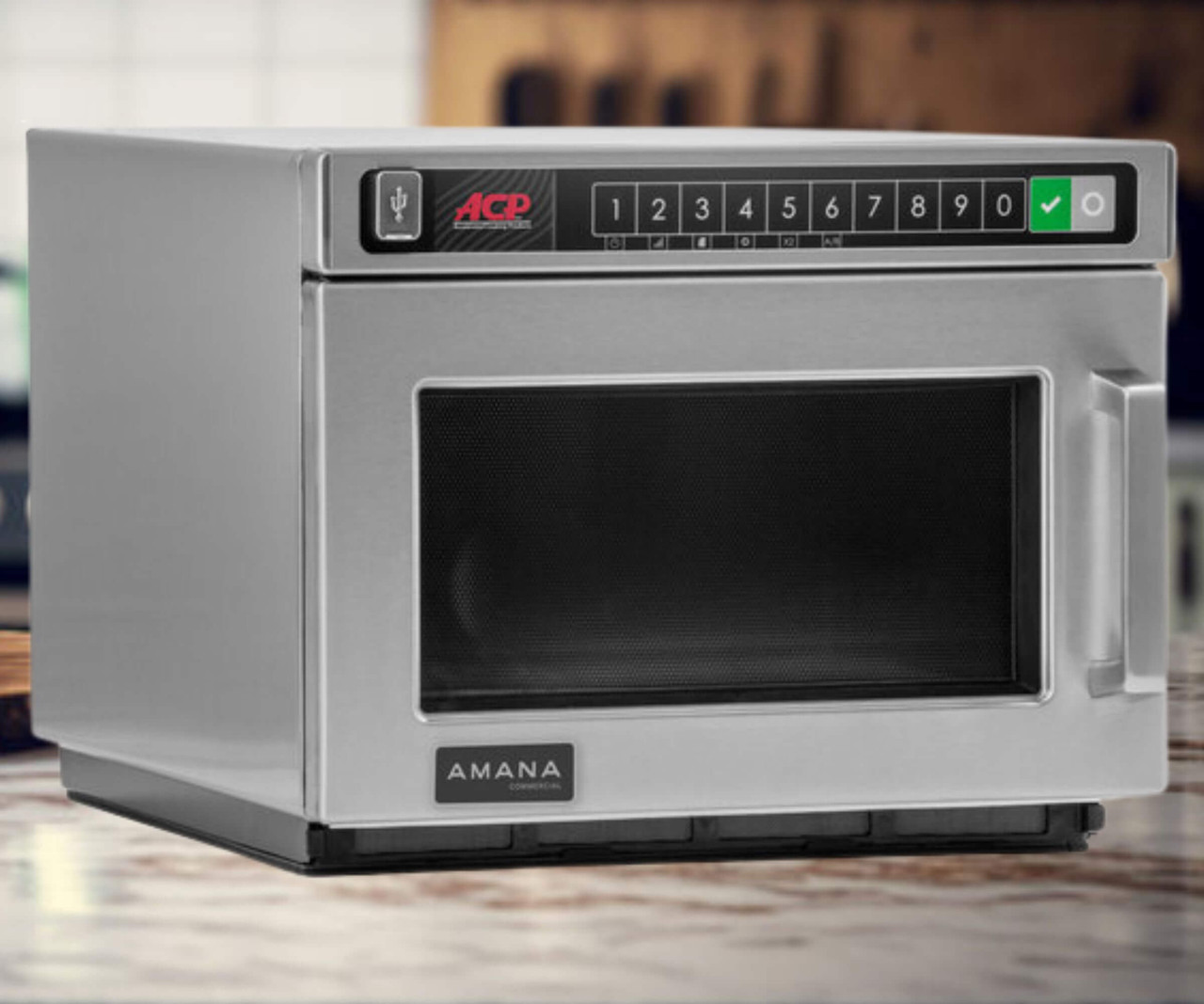
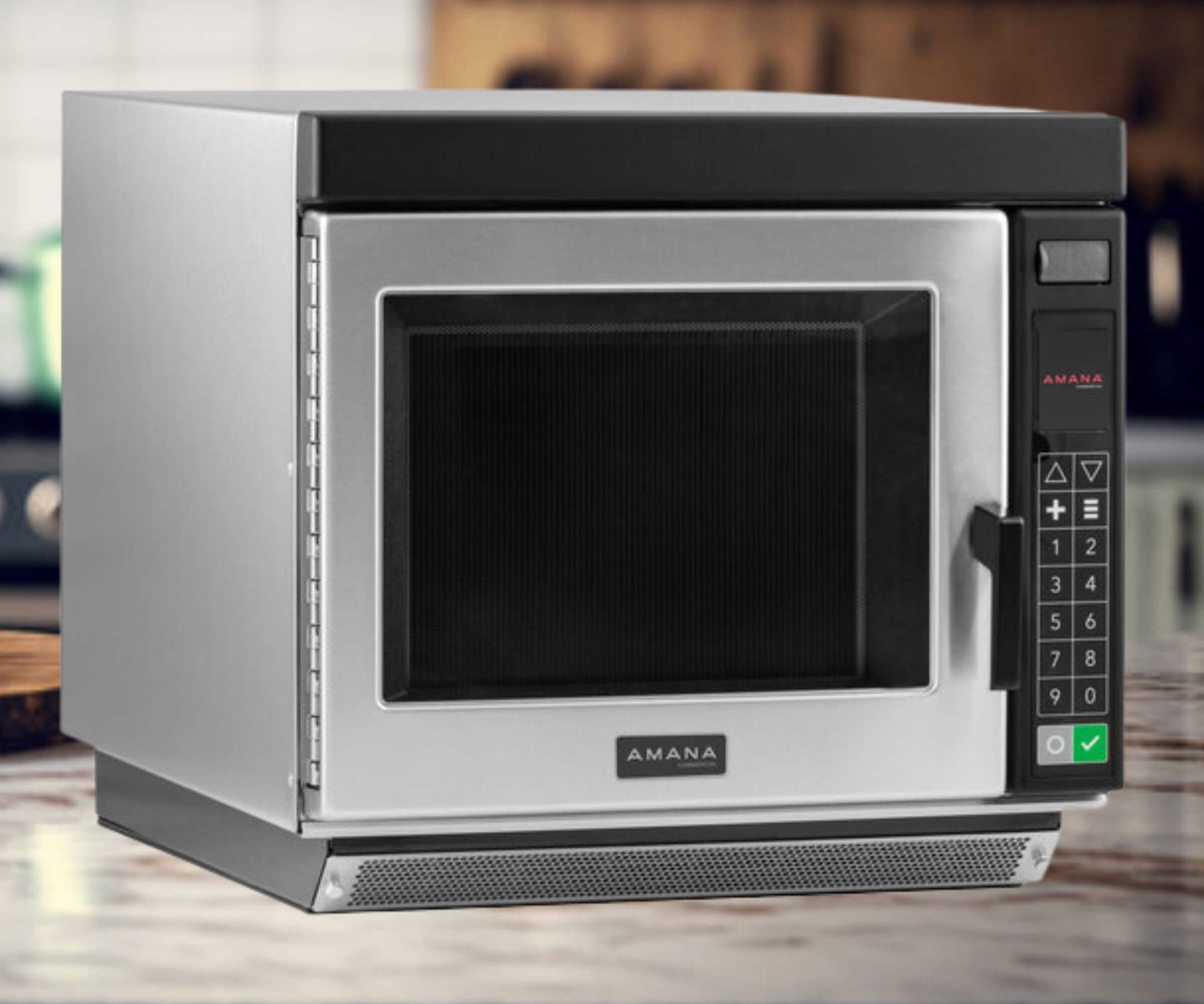
Explore our range of heavy-duty appliances designed for reliability and performance.

People Also Ask
Real questions buyers search before they order — answered straight.
Are restaurant-grade appliances actually worth it at home?
For keen cooks who use their kitchen hard, the durability and output can justify the outlay; for lighter everyday cooking, a good residential appliance often makes more sense. The deciding factors are how much you cook, your available space and power, and whether you value longevity over convenience features. Be honest about your real usage before paying for professional capacity.
What are the real downsides of putting commercial appliances in a home?
They can be larger, heavier, and louder, may need extra power or ventilation, and sometimes skip the convenience features and finishes home users expect. Some also run hotter, which raises clearance and safety considerations in a domestic kitchen. Weigh those trade-offs against the extra durability you are buying.
Do commercial appliances cook or heat faster than residential ones?
Often yes — higher output is a core reason kitchens buy them, so ranges, ovens, and similar units can reach temperature and recover faster. That speed is most useful under constant demand rather than occasional home cooking. At home the benefit is real but may be smaller than the specification suggests.
Can a normal home kitchen handle a commercial appliance's ventilation needs?
Some commercial cooking units expect stronger extraction than a standard home hood provides, so ventilation is one of the first things to check. Countertop and lighter units are usually fine, while high-output ranges may need an upgraded hood or professional advice. Sort ventilation out before installation, not after.
Are commercial appliances safe to use around children at home?
They can be, but higher heat output, hotter surfaces, and heavier doors mean supervision and sensible placement matter more than with gentler home models. Look for units with safety features and keep controls out of easy reach. Treat any high-output appliance with extra care in a family kitchen.
Which is better value over ten years: commercial or residential appliances?
Commercial units are built to be repaired and to keep running, so under heavy use they can outlast several residential replacements; under light use the gap narrows and residential efficiency may win. Factor in running costs, serviceability, and how hard you use the kitchen. The heavier your usage, the more the commercial option tends to pay back.
What Canadian property managers say
Hear from customers who upgraded their facilities with commercial-grade equipment.
Switching to commercial microwaves cut our prep time in half. The durability impressed us too. No repairs needed after a year of heavy use in our busy lobby cafe area daily.
We managed five rental properties. Standard units broke constantly. These commercial models handle the load perfectly. Guests appreciate faster service and we enjoy lower maintenance costs significantly.
Our corporate cafeteria needed reliable equipment. This microwave withstands hundreds of cycles daily. The stainless steel cleans easily and looks professional. Highly recommend for any high-volume setting needing durability.
Installation Queries: Frequently Asked Questions
The following operator questions are answered with cited sources. Every FAQ links to the community thread, buyer guide, or regulator page it was researched from.
Is restaurant-grade equipment worth it for a home kitchen?
Products referenced:
- commercial range
- commercial refrigerator
What are the pros and cons of commercial appliances for home use?
Products referenced:
- commercial range
- commercial refrigerator
- commercial dishwasher
What is the best commercial grade refrigerator for home use?
Products referenced:
- commercial refrigerator
Can I use a commercial dishwasher in my home?
Products referenced:
- commercial dishwasher
What is the difference between commercial and residential ranges?
Products referenced:
- commercial range
Should I buy commercial appliances for my cafe or food truck?
Products referenced:
- commercial range
- commercial refrigerator
- commercial dishwasher
What commercial appliances last the longest?
Products referenced:
- commercial range
- commercial refrigerator
- commercial dishwasher
How much more do commercial appliances cost vs residential?
Products referenced:
- commercial refrigerator
- commercial range
- commercial dishwasher
Related guides from ChickenPieces
Why Choose Us
We provide reliable equipment solutions tailored to Canadian operational needs and standards.
Local Support Network
Our Calgary-based team offers personalized assistance. We understand regional challenges and provide quick responses. Reliable service ensures your operations run smoothly without delays or disruptions daily.
Quality Assurance Focus
We source only trusted brands known for durability. Every item undergoes strict quality checks. You receive equipment built to last, reducing long-term costs and ensuring consistent performance reliably.
Expert Guidance Provided
Our specialists help you choose the right gear. We assess your needs carefully before recommending solutions. Informed decisions prevent costly mistakes and optimize your facility's efficiency effectively.
Regulatory Compliance Met
All products meet Health Canada or CFIA standards where applicable. We ensure legal compliance for your peace of mind. Stay safe and avoid penalties with fully certified equipment selections always.
Request Your Quote Today
Contact us for detailed pricing on commercial appliances. Get a custom solution tailored to your specific operational needs quickly.
Request a QuoteReferences: Health Canada - Food Chemical Contaminants CFIA - Food Safety for Industry.